PeakMetrics / Fact Checks
Economy & business fact checks
Explore claims publishers have checked about economy & business. Read their original ratings and follow the evidence.
Search fact checks
Search by text or image7,091 published reviews in this topic



Indian railways has spent Rs 68 lakh to catch 169 rats, translating to an expenditure of Rs 41,000 per rat
Publisher’s rating: MISLEADING
The claim concerned reported pest-control spending by the Lucknow Division of Northern Railways. A viral post described Rs 68 lakh as the cost of catching 169 rats—about Rs 41,000 per rat—and said the figures came from an RTI response. The review notes that earlier news reports described a related figure of Rs 69.5 lakh for 168 rats between 2020 and 2022, based on an RTI filed by activist Chandrasekhar Gaur. These are the figures and reporting the review examines, not evidence that the full contract was solely for rat capture. [S1: “A viral social media post asserts that Indian railways spent Rs 68 lakh to catch 169 rats, translating to an expenditure of Rs 41,000 per rat.”; “Earlier this week, Times of India also covered this story, stating that an RTI filed by an activist Chandrasekhar Gaur unveiled that the Lucknow division of Northern Railways had disbursed Rs. 69.5 lakh between 2020 and 2022 for the capture of 168 rats”] The decisive evidence in the review is the government’s clarification, reported through a PIB Fact Check post. It said the expenditure covered pest control for several kinds of pests—including cockroaches, rodents, bed bugs and mosquitoes—in all coaches maintained within the Lucknow Division. The review therefore distinguishes spending on pest control, which included rodents, from spending exclusively on catching rats. [S1: “PIB clarified that the expenses were actually related to the extermination of various pests such as cockroaches, rodents, bed bugs, mosquitoes, and more in all the coaches maintained within the Lucknow Division.”] The review also gives the scale used to put the spending in context: pest control applied to an annual average of 25,000 coaches. It reports the government’s calculation as about ₹94 per coach per year, or less than ₹8 per coach per month. Those figures describe the broader pest-control service; they do not establish a per-rat capture cost. The review’s account thus identifies the central problem with the post’s calculation: it assigns the total cost of a multi-pest, division-wide service to the capture of rats alone. [S1: “Furthermore, the government revealed that this expenditure encompassed pest control for an annual average of 25,000 coaches, resulting in an approximate cost of ₹94 per coach per year or less than ₹8 per coach per month.”; “Consequently, it can be deduced that expenses associated with the eradication of diverse pests have been erroneously interpreted as expenditures specifically directed toward the elimination of rodents.”]

Diese Aussagen von Wladimir Putin sind korrekt: 1) Der Anteil des ukrainischen Getreides an den weltweiten Exporten lag und liegt bei 5 Prozent. 2) Von den 33 Millionen Tonnen Getreideexporten gingen über 70 Prozent an reiche Länder.
Publisher’s rating: Nein. Das während des Abkommens ausgeführte Getreide wurde zu mehr als der Hälfte in Entwicklungsländer transportiert. Außerdem beträgt der ukrainische Anteil an der weltweiten Exportmenge von Weizen, Gerste und Mais zwischen zehn und zwölf Prozent (Stand: 2021).
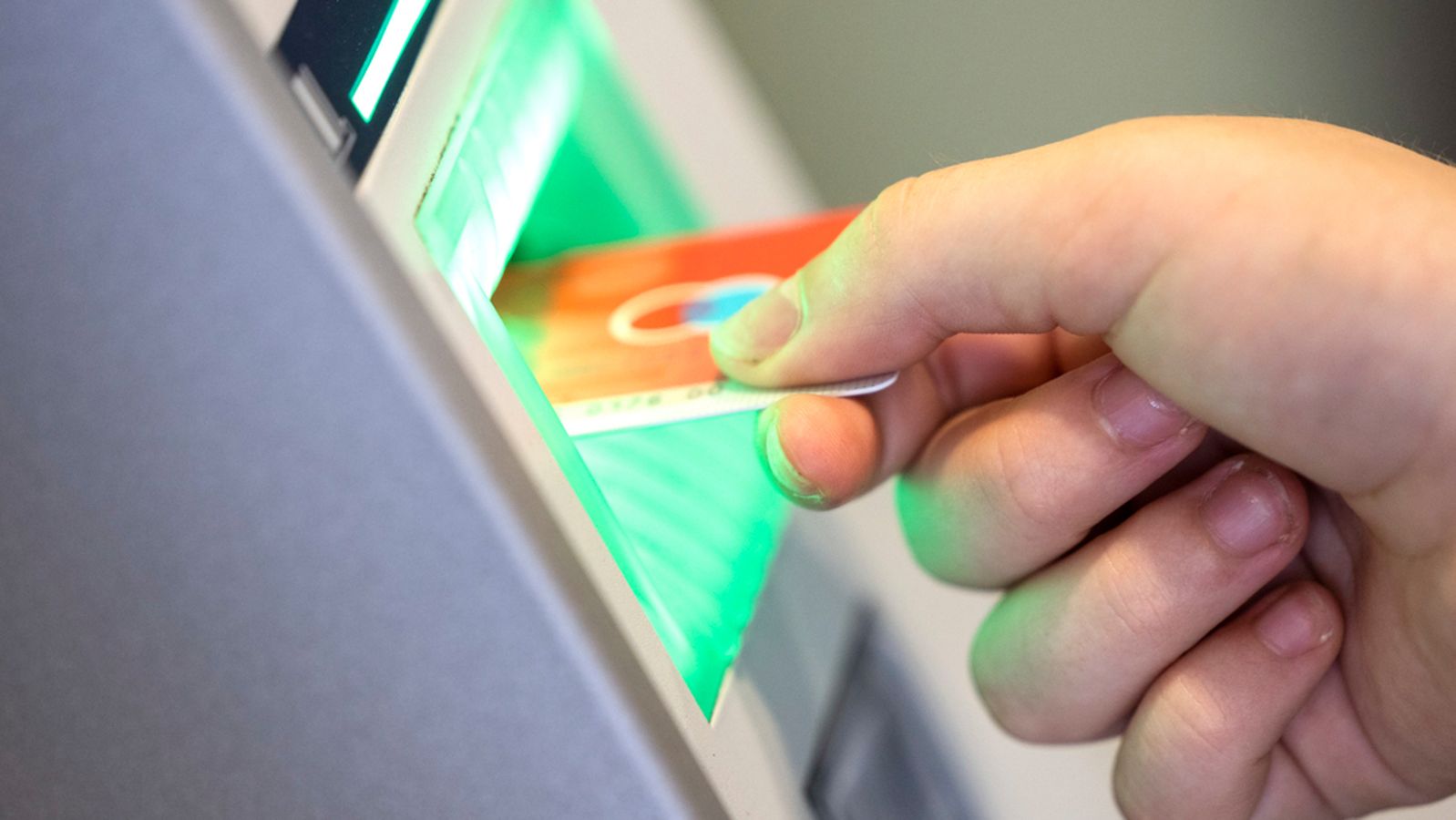
Die EU wolle Bargeld abschaffen.
Publisher’s rating: Falsch. Bargeld ist auf EU-Verfassungsebene geschützt. Es keine Vorstöße Bargeld abzuschaffen. Stattdessen wird über den digitalen Euro diskutiert, der ein zusätzliches Zahlungsmittel neben Bargeld sein soll. Rechtspopulisten und Mitglieder der Querdenken-Bewegung verbreiten die Behauptung dennoch und knüpfen dabei an Verschwörungserzählungen an.

"Und genauso haben wir ja das Problem, dass der Mindestlohnempfänger mit 12 Euro in der Stunde und 40 Wochenstunden in etwa 2.000 Euro im Monat verdient. 400 Euro Sozialabgaben weg, 150 Euro Steuern weg, da hat er 1.450. Der Bürgergeldempfänger Wohnung und Heizung gratis plus jetzt dann 560 Euro, da hat der Bürgergeldempfänger mehr wie der Mindestlohnempfänger."
Publisher’s rating: Die Schlussfolgerung von Aiwanger trifft nicht zu. Die reinen Zahlen, die Aiwanger nennt, stimmen zwar, lassen aber wichtige Aspekte außen vor. Die pauschale Aussage, ein Bürgergeldempfänger hätte monatlich mehr Geld als ein Mindestlohnempfänger in Vollzeit, stimmt laut Berechnungen von Wirtschaftsinstituten nicht.
The statement was made by Hubert Aiwanger during the BR24 Wahlarena on 20 September 2023. He argued that a full-time minimum-wage worker would take home about €1,450 after deductions, while a Bürgergeld recipient would receive housing and heating plus €560, and so have more. The article notes that Aiwanger was responding to a question about taxation of working pensioners; he then used the Bürgergeld comparison to argue that working for minimum wage would not pay. The review says the figures Aiwanger cited were broadly correct, but that the comparison leaves out support available to low-income workers. It reports that rent and heating costs are covered for Bürgergeld recipients only if the accommodation costs are considered reasonable. It also compares the amounts remaining after housing costs using calculations from ifo economist Andreas Peichl: €563 for a non-working recipient and €911 for a full-time worker earning €2,000 gross. The ifo calculation assumes €731 in rent and heating costs for each person and includes transfer benefits the worker may be entitled to. The review also cites a separate calculation by the Hans Böckler Foundation’s WSI for ARD’s Monitor, which found that single people working full time for minimum wage had, on average, €532 more per month. These comparisons address the claim’s central inference: the stated gross-to-net and benefit figures do not by themselves show that a non-working recipient has more available after all relevant transfers and housing costs are considered.
The price of rice in the world market plummeted by 21% following President Ferdinand Marcos' imposition of a price ceiling on rice.
Publisher’s rating: Misleading
Bumagsak ng 21% ang presyo ng bigas sa world market kasunod ng pagpataw ni Pangulong Ferdinand Marcos ng price ceiling sa bigas.
Publisher’s rating: Nakaliligaw

Bürgergeldempfänger hätten mehr Geld als Vollzeitarbeiter mit Mindestlohn.
Publisher’s rating: Falsch. Nach Berechnungen von Wirtschaftsinstituten hat eine in Vollzeit arbeitende Person immer mehr Geld aus ihrem Einkommen als ein Bürgergeldempfänger zur Verfügung.

Publicação mostra uma nota fiscal de um produto importado e os valores de impostos de importação e de ICMS cobrados em cima do preço do produto, incluído o valor de frete, a serem pagos pelo importador. A imagem acompanha a legenda “Valor do produto R$ 3,15. Valor do imposto R$ 31,45”.
Publisher’s rating: Comprovado
The investigation examined the social-media image of a fiscal receipt showing a R$ 3,15 product and R$ 31,45 in taxes. It reported that the image was genuine and checked the parcel’s status through the Correios tracking platform: the package was held by the Federal Revenue Service in Curitiba, sent for customs inspection on September 1, and marked as awaiting tax payment seven days later. The tracking record showed payment confirmed on September 15. The receipt concerned eight “paper stickers,” described as self-adhesive note pads. The purchase price was R$ 3,15, but shipping cost R$ 24,60. The review explains that import tax is calculated on the customs value, which includes the product and freight, and any applicable insurance. Thus the product’s low listed price alone did not represent the value used for the tax calculation. The review also says import duty and ICMS applied in this case. It describes a 60% import-duty rate for eligible parcels between businesses and individuals outside the Remessa Conforme program, while noting that the program, effective August 1, provided a zero rate for qualifying shipments up to US$ 50. ICMS also applies to imported goods; the article reports a 25% rate for imports in Minas Gerais, the destination state. The excerpt does not itemize how each tax contributed to the receipt’s R$ 31,45 total.
President Ferdinand Marcos Jr. imposed a price cap of P41 per kilogram of regular rice and P45/kg for well-milled rice effective Sept. 5.
Publisher’s rating: Flip-flop
មន្ត្រីពន្ធដារបានប្ដេជ្ញាចិត្តក្នុងឆ្នាំ២០២៤នេះ ប្រមូលពន្ធឱ្យបានច្រើនជាងឆ្នាំ២០២៣ និយាយឱ្យងាយយល់ហៅថាវិធីច្របាច់។
Publisher’s rating: Altered
Valor do produto R$ 3,15. Valor do imposto R$31,45
Publisher’s rating: É verídica nota fiscal que circula nas redes sociais em que pessoa que fez compra de produto importado de R$ 3,15 terá de pagar R$ 31,45 de imposto. A nota é verdadeira e consta no sistema dos Correios. Parte do valor é referente ao imposto de importação, fixado em 60% e obrigatório para empresas que não participam do programa Remessa Conforme. O cálculo é feito incluindo o valor do frete, o que, neste caso, encarece o imposto pago. O restante corresponde ao valor do Imposto sobre Circulação de Mercadorias e Serviços (ICMS) que incide em produtos importados e varia a cada estado. Em Minas Gerais, para onde o produto foi enviado, a alíquota para importados é de 25%.
“No ano passado, os gastos militares somaram mais de US$ 2,224 trilhões”
Publisher’s rating: Verdadeiro

أوبر تُحصل رسوم رحلاتها في مصر بالدولار
Publisher’s rating: خبر كاذب - الشركة لم تنف تحويل قيمة الدفع بالدولار، وردت "أوبر" على استفسارات عملائها، أن الخطأ جاء بسبب تقني مع مزودي خدمات الدفع بحساب تكلفة زائدة على أجرة الرحلات، وستقوم الشركة برد كافة المبالغ الإضافية التي تم سحبها من الركاب
“Os dez maiores bilionários possuem mais riqueza que os 40% mais pobres da humanidade”
Publisher’s rating: Verdadeiro

Lay’s launches matcha and watermelon flavoured chips
Publisher’s rating: False