PeakMetrics / Fact Checks
Disasters & emergencies fact checks
Explore claims publishers have checked about disasters & emergencies. Read their original ratings and follow the evidence.
Search fact checks
Search by text or image3,259 published reviews in this topic

Claim: china building demolition videos shared as turkey earthquake damages
Publisher’s rating: Fact Crescendo Rating: FALSE
Fact Crescendo investigated social-media posts that presented two videos of buildings being demolished as scenes of residential buildings collapsing in the Turkey earthquake. The review says the videos were joined together and shared with a caption identifying the event as the “Turkey earthquake”; it notes that the post was uploaded on February 7, 2023. Its investigation focused on whether the footage actually showed earthquake damage. (“அடுக்குமாடி கட்டிடங்கள் இடிக்கப்படும் வீடியோக்களை ஒன்று சேர்த்து பகிர்ந்துள்ளனர். நிலைத் தகவலில், “துருக்கி நிலநடுக்கம்” என்று குறிப்பிடப்பட்டுள்ளது.”) The fact-checkers converted frames from the videos into images and performed reverse-image searches. They found that both clips had circulated online for years as footage from China. For one clip, the review could not establish where in China it was filmed, but says a full version was available and that Chinese characters were visible on people’s shirts. It also says the clip had circulated since 2021—before the earthquake to which the post attributed it. (“வீடியோ காட்சிகளைப் புகைப்படங்களாக மாற்றி கூகுள் ரிவர்ஸ் இமேஜ் தேடல் செய்தோம்.”; “இந்த வீடியோக்கள் 2021ம் ஆண்டு முதல் சமூக ஊடகங்களில் பகிரப்பட்டு வந்திருப்பதும் தெரிந்தது.”) The second clip was traced more specifically to Yunnan province, China. The review reports that it showed 15 high-rise buildings demolished together; reports it consulted said the buildings had stood unused for eight years after construction. This clip, too, had circulated since 2021. The review therefore concluded that neither video documented the 2023 Turkey earthquake and that the social-media post misrepresented demolition footage as earthquake damage. (“இந்த வீடியோ சீனாவின் Yunnan மாகாணத்தில் எடுக்கப்பட்டது என்று தெரிந்தது. 15 உயர் அடுக்கு மாடிக் கட்டிடங்கள் ஒரே நேரத்தில் இடிக்கப்பட்டதாகச் செய்திகள் கூறுகின்றன.”; “இந்த வீடியோவும் 2021ம் ஆண்டில் இருந்து சமூக ஊடகங்களில் பகிரப்பட்டு வந்திருப்பது தெரிந்தது.”)
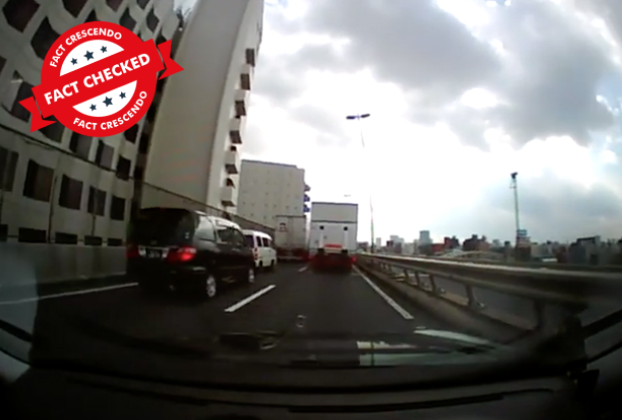
Claim: this car camera footage not related with the turkey earthquake
Publisher’s rating: Fact Crescendo Rating: FALSE
The claim concerns a specific social-media video presented as a car camera recording of the Turkey earthquake. Fact Crescendo says the post identified it as a “live recording of the earthquake from inside a car” and that it was shared by a Facebook account named Mohamatu Hasan on February 8, 2023. The review notes that the earthquake occurred at night, while the footage showed daylight, prompting the investigation. The investigators converted frames from the video into images and searched them with Google reverse image search. Although they found the video being shared by news outlets and others as footage from Turkey, further searches located it on a Japanese-language website in 2017. The review then traced a YouTube link associated with that page, which identified the scene as “Metropolitan Expressway 6” and displayed a recording date of March 11, 2011. The review reports that continued searching identified the location as Tokyo, Japan. It also says Fact Crescendo’s English-language fact-check compared a photograph of the relevant road from Google Maps with the scene in the video, supporting the Tokyo identification. On that evidence, the review concludes that the footage was recorded in Japan during the 2011 earthquake, not in Turkey in 2023, and that it was misleadingly recirculated as footage of the Turkey earthquake.
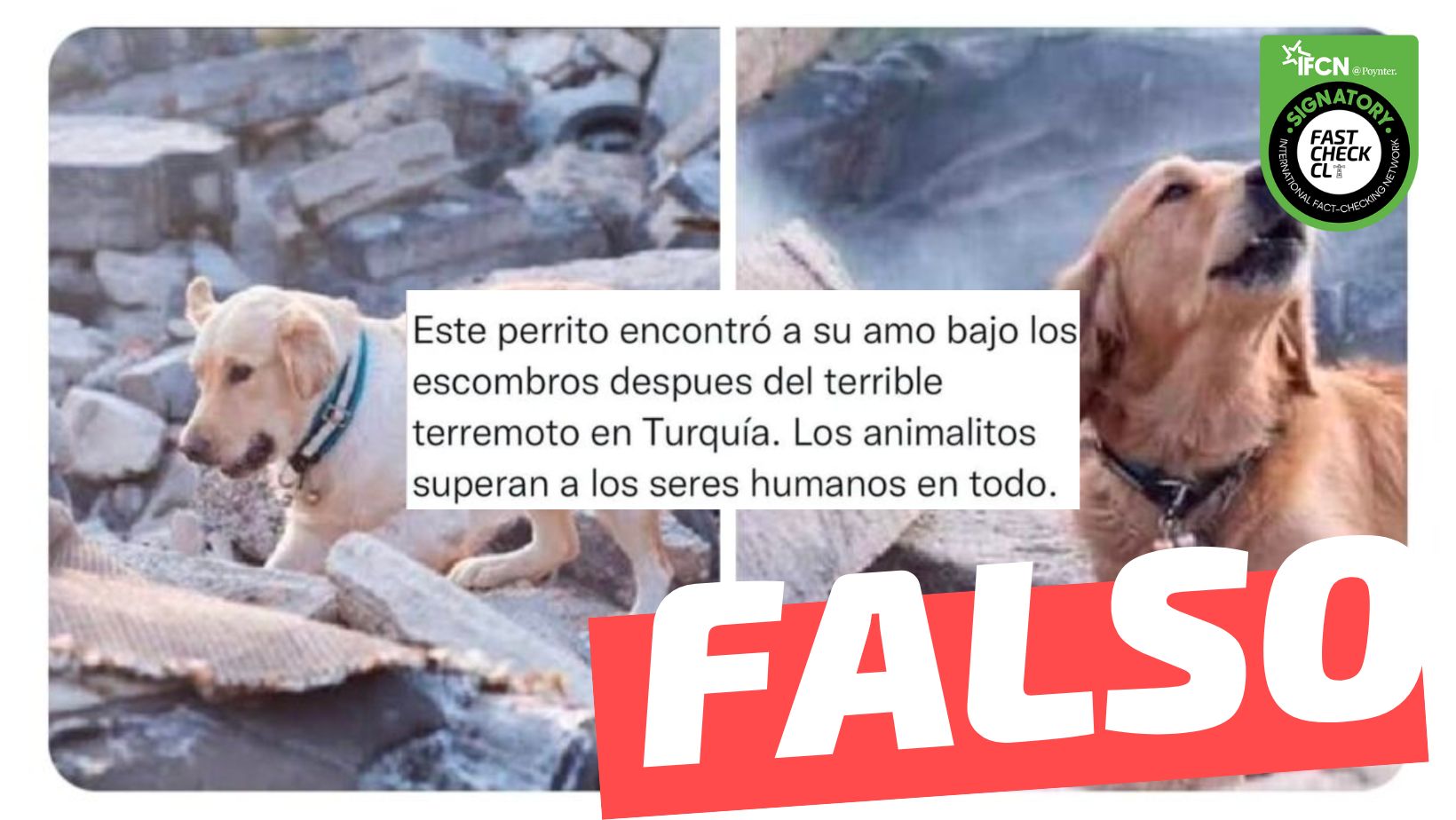
“Este perrito encontró a su amo bajo los escombros después del terrible terremoto en Turquía”
Publisher’s rating: Falso
भूकंप के कुछ मिनट बाद सुनामी तुर्की के तट से टकराई
Publisher’s rating: False

এই ভিডিঅ' ক্লিপকেইটা তুৰস্কৰ শেহতীয়া ভূমিকম্পৰ হয়।
Publisher’s rating: আংশিকভাৱে মিছা

Dos fotos muestran a perro que buscó y halló a su familia entre los escombros tras los terremotos de Turquía.
Publisher’s rating: Falso

Les séismes en Turquie ont détruit le gazoduc TANAP en provenance de l'Azerbaïdjan, fournisseur principal de l'UE.
Publisher’s rating: Le gazoduc TANAP n'a pas été détruit suite aux séismes survenus en Turquie ce lundi 6 février 2023. Il n'est pas non plus le fournisseur principal de gaz pour l'UE.

सुनामी तुर्की-सीरिया तट रेखा से टकराती हुई। तुर्की और सीरिया में भूकंप
Publisher’s rating: False

Photos depicting the collapsed buildings and houses with a claim stating they are the result of the recent earthquake that happened in Turkey. This post has received mixed comments and shared by Facebook users who are speaking Khmer. However, after running a Google Reverse Image search, it was found that the above post is misleading.
Publisher’s rating: Misleading
The review examined a Facebook post shared on February 6, 2023, containing three images of a collapsed building. Its Khmer caption described a magnitude 7.4 earthquake in Turkey, and the images were also shared by other pages in connection with the recent quake. The review’s investigation focused on whether the pictured collapse was actually from that event. [S1]

Visulas of the recent Turkey earthquake
Publisher’s rating: FALSE
The review examined two videos circulated as showing the aftermath of the earthquake that struck Turkey and Syria on 6 February 2023. It found that neither video showed the Turkey disaster: one came from footage of the 2011 Japan earthquake and tsunami, while the other showed a building-panel collapse in Japan in 2016. The review’s conclusion is that the videos were old and unrelated to Turkey. For the first video, the investigation noted an ANN News watermark and searched for earthquake footage published by ANN News. That led to an ANNnewsCH compilation of clips from places affected by the 2011 earthquake and tsunami in Japan. The review reports that the compilation’s opening clip is the same footage as the video being shared as recent Turkey earthquake imagery. For the second video, the review used reverse image searches on selected frames, which led to a Facebook post from April 2016 containing the same footage. The post described the incident as taking place in Japan. The review then found a 2016 news report showing a collapse from another angle and describing the front panel of an under-construction building in Tama, Tokyo, coming off in heavy winds. These earlier records place the two videos in separate Japanese incidents, rather than the 2023 earthquake in Turkey.
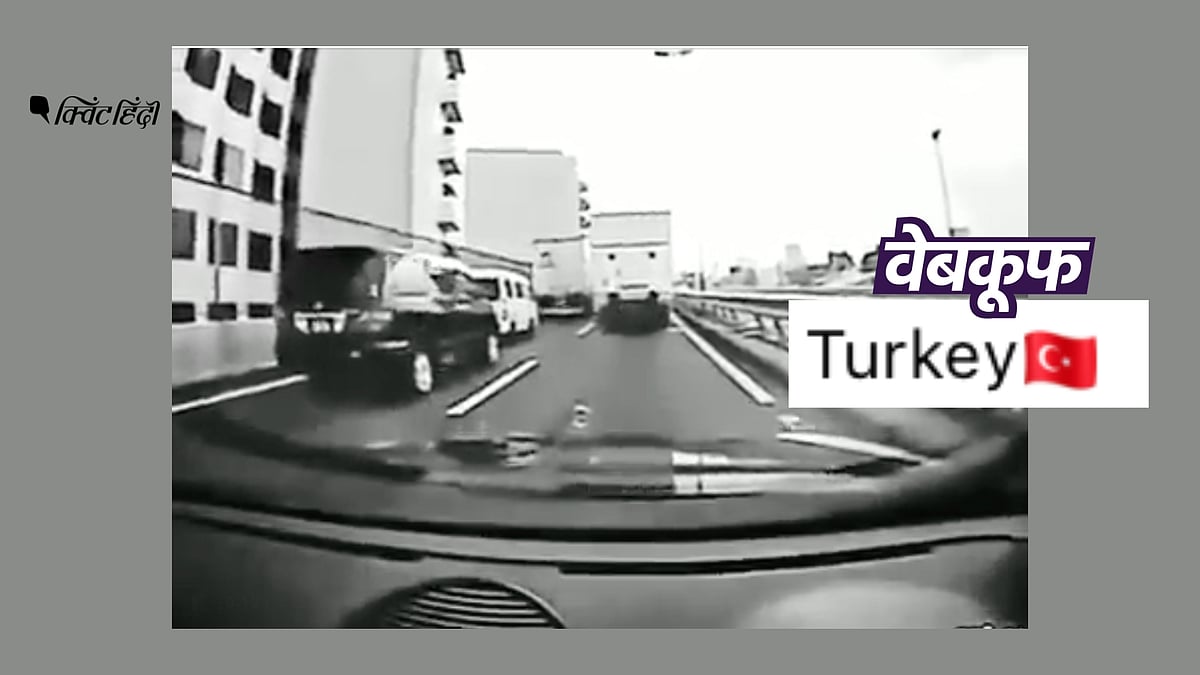
तुर्की और सीरिया में आए हालिया भूकंप के वक्त का है ये वीडियो
Publisher’s rating: FALSE
यह भूकंप के बाद तुर्की-सीरिया तट रेखा से सुनामी टकराने का दृष्य है
Publisher’s rating: False

इस घटना का सिस्मिक वेपन प्राकृतिक नहीं लग रहा था, पक्षी और जानवरों का काफ़ी अजीब व्यवहार देखा गया तुर्की में भूकंप से पहले
Publisher’s rating: False

Scenes of the Vehicles on a Highway Swaying at Recent Earthquake In Turkey! (Video)
Publisher’s rating: Misleading
तुर्की-सीरिया भूकंप की वजह से टूटी इमारत के सामने रोते बुजुर्ग की फोटो
Publisher’s rating: FALSE

De video toont flitsen, die niet normaal zijn bij aardbevingen, maar altijd voorkomen bij harp-operaties. Aardbevingen in Turkije waren opzettelijk om Turkije te straffen.
Publisher’s rating: De aardbevingen in Turkije en Syrië waren het natuurlijke gevolg van tektonische platen die langs elkaar schuiven. Het is niet mogelijk voor het Amerikaanse onderzoeksproject HAARP om aardbevingen of andere natuurrampen te veroorzaken. De bewakingsbeelden met lichtflitsen zijn van een andere aardbeving, in november 2022.
The claim is that flashes in surveillance footage show the February 2023 earthquakes in Turkey were deliberately caused as a HAARP “punishment operation.” The review identifies the footage as recording a different event: the earthquake in Düzce, western Turkey, on November 23, 2022. It says the year 2022 is visible in the upper-left corner of the video. Thus, the footage does not show the February 2023 earthquakes it is being used to explain. The review also examines whether the flashes establish a HAARP connection. It reports that earthquake-related lights had been observed decades before the program began in 1990, and describes HAARP as an ionosphere research facility in Alaska that uses radio waves. University of Alaska Geophysical Institute director Robert McCoy said its research area is a 100-by-100-kilometer zone above the facility, not a region reaching Turkey or Syria. Geophysicist Oliver Heidbach explained that radio waves cannot cause rock movement in the Earth’s crust or the pressure changes needed to trigger an earthquake. The review gives a natural explanation for the earthquakes: Turkey lies on multiple tectonic plates that can build pressure and suddenly slip. It reports that the February earthquake in Turkey had a magnitude of 7.8, followed hours later by another of magnitude 7.5. The review also preserves an important qualification about the video itself: it cannot establish with certainty what caused the visible lights. It notes that earthquake lights are scientifically debated, and that many lights observed during earthquakes result from damage to energy or electricity sources, such as power lines.

Image of a dog lying next to the arm of a human trapped under the rubble caused by the recent earthquake in Turkey on 06 February 2023
Publisher’s rating: FALSE
The claim concerns an image circulated after the 6 February 2023 earthquake in Turkey, presented as showing a dog beside a person trapped under rubble from that disaster. FACTLY’s review says the image was not from the recent Turkey and Syria earthquake. It reports that reverse image searches found the same image on multiple stock-image repositories, indicating that the image was already in circulation years before the disaster. The review identifies Alamy as the source with the oldest upload it found, dated 18 October 2018. That predates the earthquake by several years and contradicts the image’s attribution to the February 2023 event. The review notes a qualification: although the stock-image description suggests an earthquake connection, it does not specify where the image was taken. Accordingly, the evidence supports rejecting the image’s claimed connection to the recent Turkey earthquake, but does not establish the image’s actual location or the earthquake it may depict. FACTLY distinguishes the image’s false attribution from the broader disaster context: it reports that people were feared trapped under rubble and that rescue visuals were circulating, while stating that this particular image was unrelated. Its stated basis is the image’s prior presence in stock repositories, not a determination of the depicted person’s identity or the photograph’s precise origin.

Yunan Arama-Kurtarma Çalışanının Küçük Çocukla Fotoğrafı Gerçek mi?
Publisher’s rating: Yanlış
Video shows collapsing condos as a result of the earthquake in Turkey and Syria
Publisher’s rating: False

तुर्की में आये भूकंप के वजह से वहां स्थित एक नुक्लेअर प्लांट में विस्फोट हुआ।
Publisher’s rating: False