PeakMetrics / Fact Checks
Culture & entertainment fact checks
Explore claims publishers have checked about culture & entertainment. Read their original ratings and follow the evidence.
Search fact checks
Search by text or image3,169 published reviews in this topic
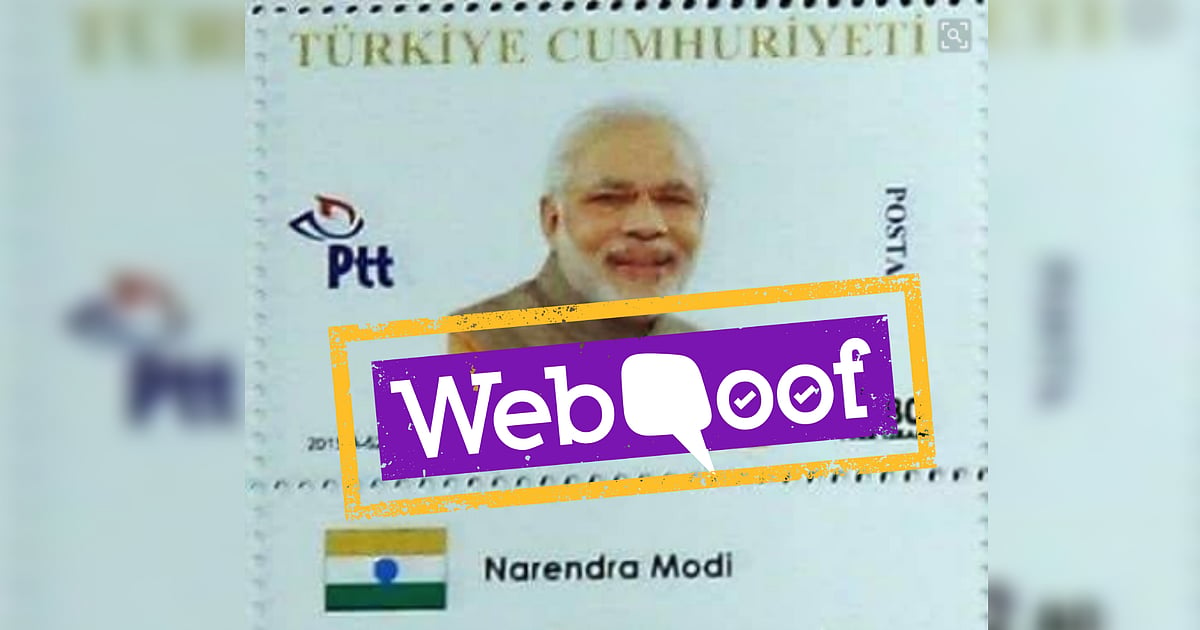
The image shows a postage stamp of PM Narendra Modi that was issued by Turkey.
Publisher’s rating: FALSE

தந்தி டிவியில் இருந்து விலகிய ரங்கராஜ் பாண்டே நியூஸ் 7 சேனலில் இணைகிறார்.
Publisher’s rating: Fake

Posts circulating online claim that 16 countries have filed a petition to ban Filipino delegates of mixed ethnicity from representing the Philippines in Miss Universe.
Publisher’s rating: The Miss Universe Organization has not issued any ban. The rules on the Miss Universe website even do not specify any requirements on race or citizenship for applicants.
தொல்லியல் துறை பராமரிப்பு என்ற பெயரில் இராசராச சோழர் கட்டிய தஞ்சைப் பெரியக் கோவிலின் சிறு குறு சிலைகள் மொத்தமாக தகர்த்து அகற்றப்படும் பேரவலம். பராமரிப்பு என்கிற பெயரில் வரலாற்று பொக்கிஷத்தை அழிக்கும் இவர்களின் செயலை மக்களுக்கு தெரிவிக்க அதிகம் பகிரவும்.
Publisher’s rating: Fake
ஆலந்து நாட்டின் பொருட்காட்சியில் சோழர்களின் செப்பேடுகள்.
Publisher’s rating: True
3000 கோடி செலவில் உருவான படேல் சிலையில் விரிசல்.
Publisher’s rating: Fake


El Gobierno de Navarra censura las canciones de Amaral
Publisher’s rating: Falso
The claim concerned reports that Navarra’s Education Department had barred classroom listening to songs deemed sexist, including Amaral’s “Sin ti no soy nada.” Newtral says the alleged restriction was presented as part of Skolae, an equality program for students. The investigation reports that sources in the department rejected the central allegation: “Es rotundamente falso que Gobierno de Navarra haya censurado una lista de canciones.” The review distinguishes a real classroom activity from a ban. Under Skolae, students aged 12 to 16 examined songs for “el machismo y la violencia que pueden reproducir.” But, according to the department sources quoted by Newtral, listening was not restricted: “Ni vetamos ni prohibimos, todo lo contrario. Queremos que se escuchen para analizarlas.” Thus, the reported educational analysis of song lyrics did not establish that the government had censored Amaral’s song. Newtral also reports that the song list came from a bibliography used in similar projects by the governments of the Canary Islands and the city council of Valencia. The review says Navarra had already run Skolae as a pilot in 16 schools the previous year. These details provide context for the activity, while the decisive evidence against the claim is the department’s explicit denial of any prohibition and its explanation that the songs were meant to be heard and analyzed.
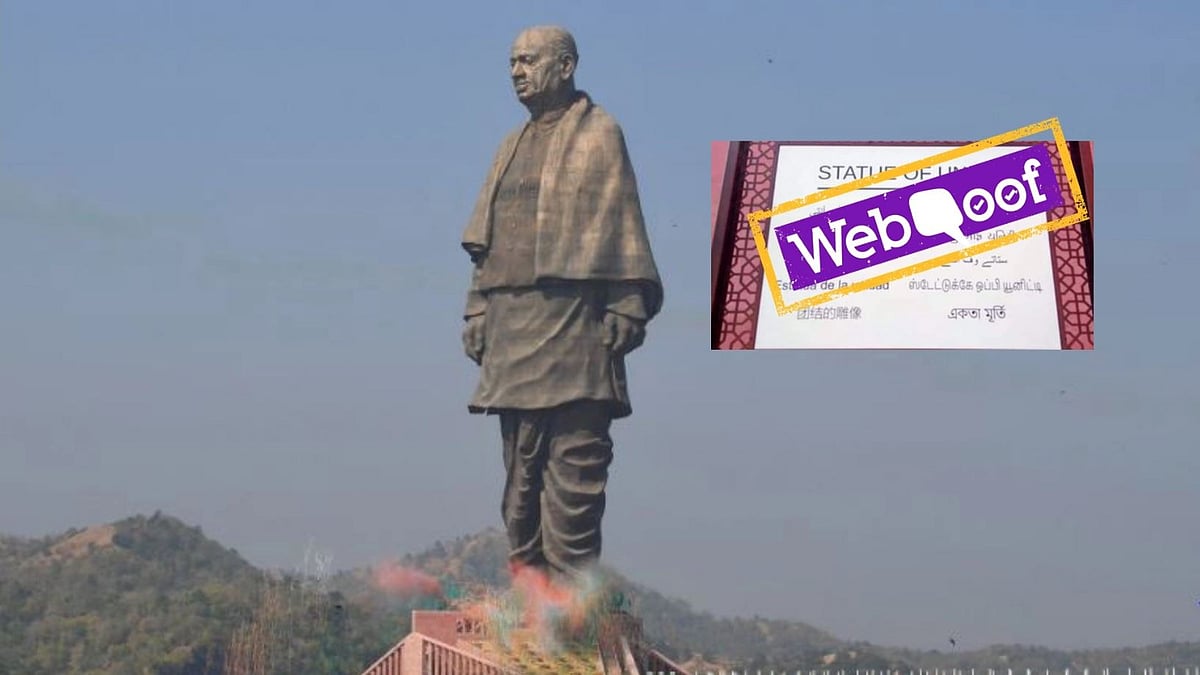
स्टैच्यू ऑफ यूनिटी' के नीचे तमिल अनुवाद गलत लिखा हुआ दिख रहा है. .
Publisher’s rating: FALSE
Picasso pintó el Guernica en recuerdo de un torero
Publisher’s rating: Falso
The claim checked is that Picasso painted Guernica in tribute to a friend who was a bullfighter. Newtral says this claim circulated in a WhatsApp chain and reports asking Rocío Robles, an art-history professor and researcher on the Museo Reina Sofía’s “Repensar Guernica” project, about its inspiration. The account gives a different sequence: Picasso received a commission from the Republican government in early 1937 for a large painting for the Spanish pavilion at the Paris International Exposition, and had not yet begun painting when news reached him of the bombing of Guernica by the Condor Legion. It says he made the first sketch that same day, inspired by the destruction.

एक्टर ऐश्वर्या राय ने भी #Metoo कैंपेन के तहत ट्विटर पर शेयर किया उनके साथ हुए यौन उत्पीड़न का अनुभव.
Publisher’s rating: FALSE
மும்பை துறைமுகத்திற்கு முதலாம் ராஜேந்திர சோழனின் பெயரை சூட்டியது மத்திய அரசு.
Publisher’s rating: Fake
Mr.bean என்ற நகைச்சுவை நிகழ்ச்சி புகழ் Rowan atkinson தனது 62 வயதில் கார் விபத்தில் இறந்துவிட்டார்.
Publisher’s rating: Fake
அப்பாவிற்கு பிள்ளை தப்பாமல் பிறந்து இருக்கு. அர்னால்ட் மற்றும் அவர் மகனின் புகைப்படம்
Publisher’s rating: Fake