PeakMetrics / Fact Checks
Culture & entertainment fact checks
Explore claims publishers have checked about culture & entertainment. Read their original ratings and follow the evidence.
Search fact checks
Search by text or image3,169 published reviews in this topic

నాడార్ సమాజాన్ని ప్రపంచంలోనే అత్యంత పురాతన జాతిగా యునెస్కో ప్రకటించింది.
Publisher’s rating: FALSE
The claim concerned a social-media poster saying UNESCO had declared the Nadar community the world’s oldest caste or race. The poster attributed the decision to a UNESCO study of more than 300,000 caste and ethnic groups, and said no other Indian caste ranked in the top ten. Vishvas News reports finding the claim first on WhatsApp and then on Facebook; the review describes the Nadar community as a Tamil caste prevalent in southern Tamil Nadu districts including Kanyakumari, Thoothukudi, Tirunelveli and Virudhunagar. To check the claim, the review says it searched online for reports of a UNESCO announcement and found no authentic report recognizing this specific community as the world’s oldest. It also examined the certificate shown in the viral post. The review noted differences in the style and size of the words “Nadar – India” and identified wording about people “not found in Central Asia.” Searching that wording led the investigators to a UNESCO Almaty article about a three-hour youth-leadership workshop held with Turan University, the Almaty youth-policy office and UNHCR. The review says it found a participant certificate matching the viral certificate and concluded that the workshop certificate had been edited and shared with the Nadar claim added. For further clarification, it contacted Roni Amelan, identified as an English editor in UNESCO’s press service; he said the viral campaign was baseless. The review’s evidence therefore links the poster’s certificate to a different, youth-focused workshop, rather than to a UNESCO finding about the Nadar community.

Sejumlah klaim soal sebuah museum di Prancis yang menyimpan tengkorak kaum muslim dari era kolonial
Publisher’s rating: Sebagian benar

ஐநாவின் பாரம்பரிய மற்றும் தொல்பொருள் துறை அமைப்பான யுனெஸ்கோ நடத்திய ஆய்வில், உலகின் தொன்மையான மற்றும் நம்பிக்கையான இனமாக நம் நாடார் இனம் தேர்வு. நாடார் குலம் முதல் இடம் பிடித்தது. உலகில் உள்ள 3 லட்சத்துக்கும் மேலான ஜாதி, இன குழுக்களை ஆய்வு செய்து இந்த முடிவுக்கு வந்துள்ளனர். முதல் 10 இடங்களில் இந்தியாவிலுள்ள வேறெந்த ஜாதியும் இடம்பெறவில்லை. நம்பிக்கை, நாணயம், உழைப்பு, பிறருக்கு உதவுதல், தொன்மை, கலாச்சாரம் , பண்பாடு, பாரம்பரியம், பாசம், வீரம் முதலியவற்றில் உலகுக்கே முன்னோடி என புகழாரம்.
Publisher’s rating: Fake
चार्ली हेब्दो ने शाहीन बाग़ की महिलाओं का मजाक उड़ाते हुये कार्टून बनाया
Publisher’s rating: False
Claim: UNESCO not announced anything on Nadar community / நாடார் சமூகத்தை உலகின் தொன்மையான இனம் என யுனெஸ்கோ அறிவித்தது
Publisher’s rating: False
The review investigated a social-media post claiming that UNESCO had identified the Nadar community as the world’s oldest and most trustworthy race. The post presented an apparent certificate as proof, but the review found no details about when or to whom UNESCO supposedly issued it. The reviewer also searched for a UNESCO study or announcement identifying a community as the oldest or most trustworthy and reports finding none. (“இந்த சான்றிதழை யுனெஸ்கோ எப்போது, யாருக்கு அளித்தது என்று எந்த ஒரு தகவலும் இல்லை. உண்மையில் யுனெஸ்கோ உலகின் தொன்மையான மற்றும் நம்பிக்கையான இனம் தொடர்பாக ஆய்வு முடிவு ஏதும் வெளியிட்டுள்ளதா என்று தேடிப் பார்த்தோம். ஆனால், நமக்கு அப்படி எந்த ஒரு செய்தியும் கிடைக்கவில்லை.”) The certificate itself provided a decisive clue: when enlarged, it showed the name UNHCR, the UN refugee agency, rather than establishing the claimed UNESCO award. The review then used a reverse-image search on the certificate image and found a matching certificate on the website of UNESCO’s Kazakhstan branch. According to the review, that certificate was for participants in a youth workshop conducted with a university in Almaty and UNHCR. (“இந்த சான்றிதழை பெரிதுபடுத்திப் பார்த்தோம். அதில், UNHCR என்று இருந்தது.” “அகதிகளுக்கான அமைப்பு எப்படி தொன்மையான இனம் தொடர்பான சான்றிதழை அளிக்கும் என்ற கேள்வியும் எழுந்தது.” “கஜகஸ்தானில் இருந்து செயல்படும் யுனெஸ்கோ கிளையின் இணையதளத்தில் இந்த சான்றிதழ் படம் நமக்குக் கிடைத்தது.”) The review reports that the circulated image had been altered: “நாடார் – இந்தியா” had been inserted where the workshop participant’s name belonged. Both the circulated image and the workshop certificate showed 17 February 2017, which the reviewer cited as further evidence that the social-media version was fabricated. The review concluded that the claimed UNESCO recognition was unsupported and that the certificate was fake. (“போட்டோஷாப் முறையில் அந்த சான்றிதழின் வடிவமைப்பையே மாற்றி, பயிற்சி பட்டறையில் பங்கேற்றவர் பெயர் இருந்த இடத்தில் “நாடார் – இந்தியா” என்று சேர்த்து சமூக ஊடகங்களில் பகிர்ந்திருப்பது தெரிந்தது.” “நாம் ஆய்வுக்கு எடுத்துக் கொண்ட சான்றிதழிலும் யுனெஸ்கோ தளத்தில் கிடைத்த சான்றிதழிலும் 17 பிப்ரவரி 2017 என்று குறிப்பிட்டிருப்பதை தெளிவாக காண முடிந்தது. இதன் மூலம் இந்த சான்றிதழ் போலியானது என்பது உறுதியானது.”)
Angel Locsin's visit at a school for Lumad youth is evidence she is a terrorist.
Publisher’s rating: False
Actress Liza Soberano joined the New People's Army (NPA)
Publisher’s rating: False
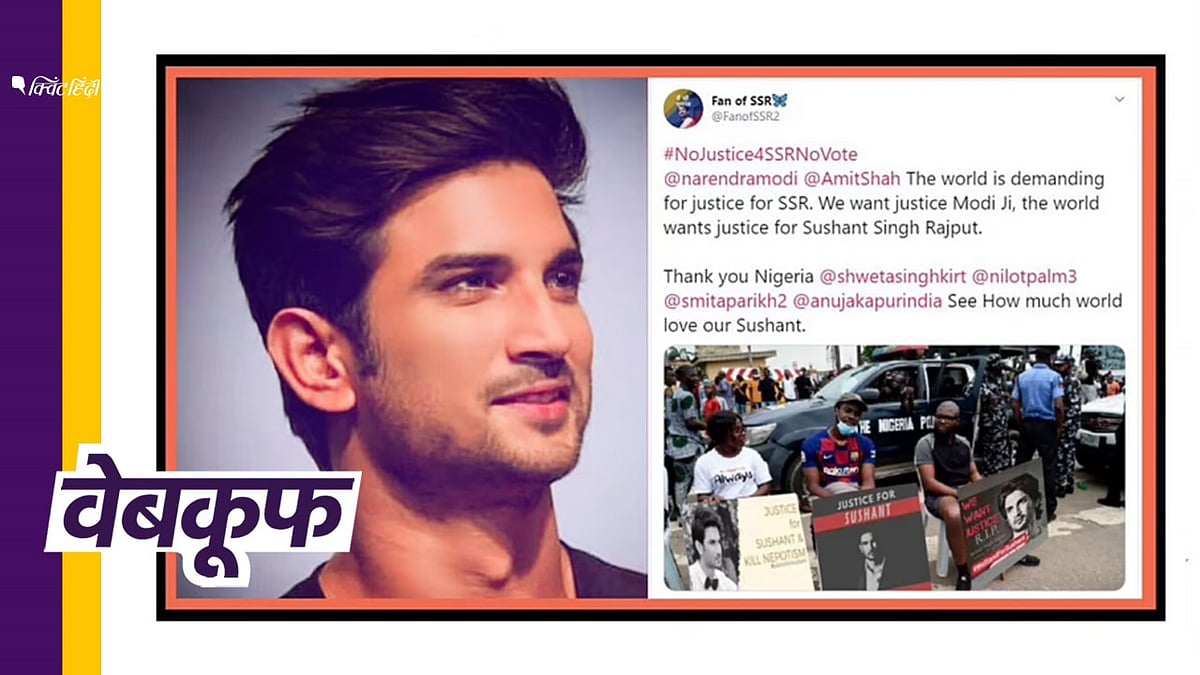
सुशांत सिंह के समर्थन में नाइजीरिया में रैली
Publisher’s rating: FALSE

మహాత్మా గాంధీ అమ్మాయిలతో చనువుగా ఉంటూ డాన్స్ చేస్తున్న ఫోటో
Publisher’s rating: FALSE

Charlie Chaplin entrou num concurso de sósia dele mesmo e ainda assim ficou em 3⁰ lugar
Publisher’s rating: Falso
Samay Raina issues apology video after India’s Got Latent controversy
Publisher’s rating: false
Related reporting says Samay Raina issued a public apology after the India’s Got Latent controversy, but does not confirm that the apology was in video form. It therefore supports the apology, not the specific claim that he issued an apology video.

50 Cent and Ice Cube wearing Trump hats
Publisher’s rating: False. The photo has been edited so the word "Trump" has been added on both caps, suggesting both rappers support the president.
குஷ்பு சாதாரண நபர் அல்ல, எத்தனை பேரையும் தாங்கும் சக்தி கொண்டவர்
Publisher’s rating: Fake
Kunst auf dem Spielplatz? Auf Facebook kursiert das Bild einer bunten Skulptur: Ein Mann, eine Frau, ein Krokodil und ein Hund stehen auf allen vieren im Kreis, durch sie hindurch verläuft eine ringförmige Stange (hier archiviert). Das Bild wurde mit dem Kommentar: «Kinderspielplatz in unserer "schönen" neuen Welt» geteilt.
Publisher’s rating: Die Skulptur steht nicht auf einem Spielplatz, sondern in einem Skulpturenpark in Südkorea.
The Facebook post presented a photograph of a colorful sculpture—figures of a man, a woman, a crocodile and a dog arranged around a circular bar—as a scene from a playground. The investigation identifies the pictured work as part of Baemikkumi Garden Beach Art, a sculpture park on Modo, a small island in South Korea. This locates the image in a named art park rather than the playground setting suggested by the caption. To support that identification, the review points to photographs on the website of a nearby guesthouse that show the same ring-shaped sculpture, and says the work is attributed there to sculptor Lee Il-Ho. It also cites a travel blog with further information and images of the park. The supplied account does not describe image-search procedures or provide a detailed comparison of visual features, so the explanation is limited to the identification and corroborating sources it explicitly reports.
Der britische Schriftsteller George Orwell soll sich angeblich über das Verhältnis einer Gesellschaft zur Wahrheit geäußert haben. In sozialen Medien verbreitet sich ein Foto von ihm, neben dem zu lesen ist: «Je weiter sich eine Gesellschaft von der Wahrheit entfernt, desto mehr wird sie jene hassen, die sie aussprechen.» Unter dem angeblichen Zitat steht: George Orwell (hier archiviert).
Publisher’s rating: Es gibt keinen Beleg dafür, dass diese Aussage tatsächlich von George Orwell stammt.

ದೀಪಿಕಾ ಪಡುಕೋಣೆ ಧರಿಸಿದ್ದ ಟೀಶರ್ಟ್ ಮೇಲೆ ‘ನಾನು ಭಾರತೀಯ ರೈತರ ಪರ ನಿಲ್ಲುತ್ತೇನೆ’ ಎಂದು ಬರೆದಿತ್ತು.
Publisher’s rating: FALSE