PeakMetrics / Fact Checks
Crime & justice fact checks
Explore claims publishers have checked about crime & justice. Read their original ratings and follow the evidence.
Search fact checks
Search by text or image6,833 published reviews in this topic


ADELIO ENTREGA MANDANTE DA FACADA! COMPARTILHEM MUITO! BOMBA 💣 💣💣 ADÉLIO BISPO ENTREGA O PT !!!!
Publisher’s rating: Falso

تحريك المحكمة الجنائية مذكرة توقيف ضد عبد الرحيم دقلو ومطالبة كينيا بتسليمه
Publisher’s rating: مفبرك
The claim concerned a social-media image framed as a report by Al Jazeera Sudan. Its text alleged that a pre-trial chamber of the International Criminal Court had issued an arrest warrant for Abdel Rahim Dagalo, described as the Rapid Support Forces’ second-in-command, and requested that Kenya surrender him. The review says it investigated this specific allegation. Beam Reports describes checking Al Jazeera Sudan’s official Facebook and X accounts and finding no report confirming the claim. It also says its team searched the International Criminal Court’s official website and the official page of the Court’s prosecutor, finding no evidence supporting the allegation. The review therefore treats the circulating image and its attributed report as unsupported by those checks.
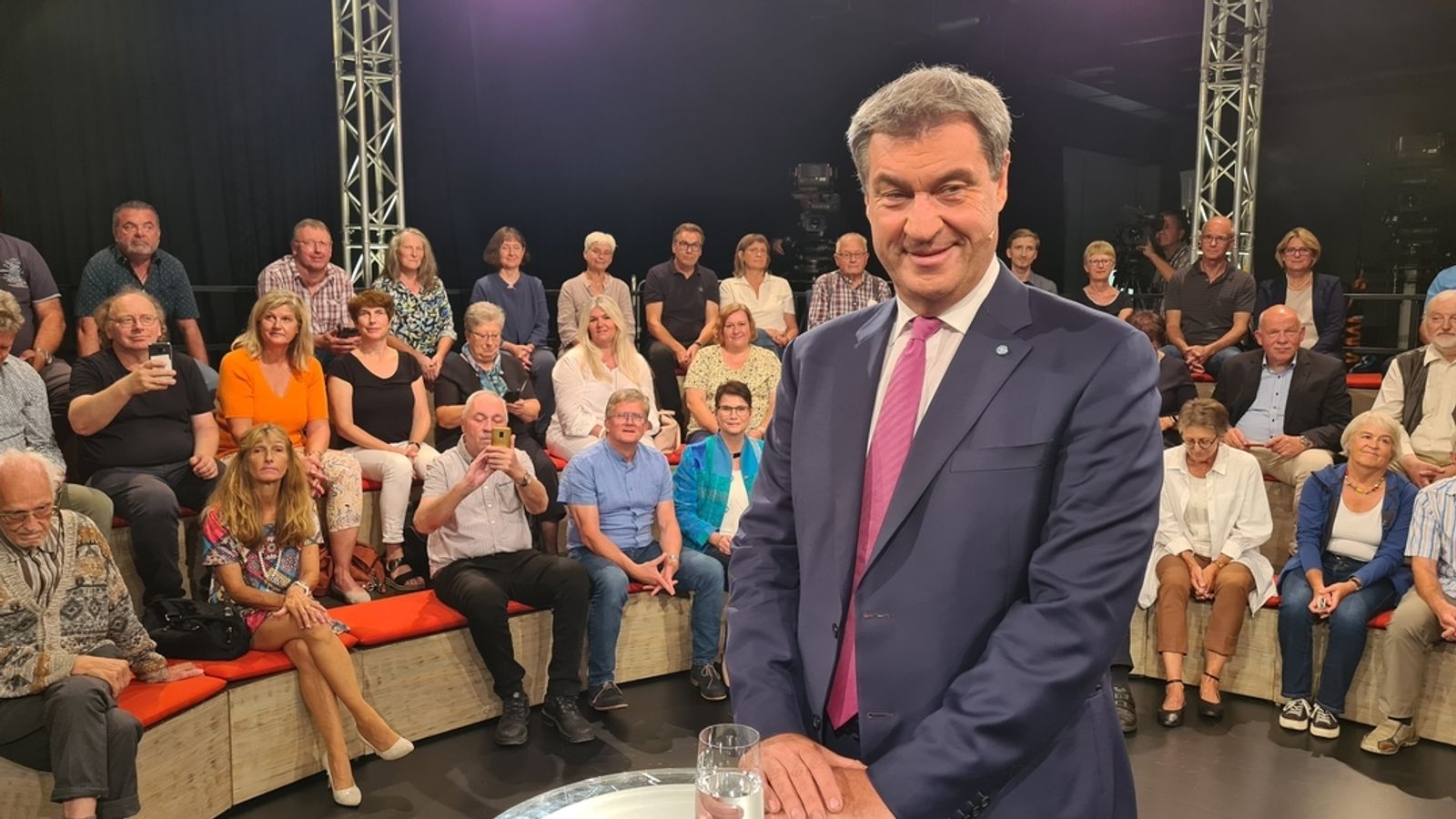
"Das Argument, es würde zu keiner Kriminalität führen, kann man in Holland sehen, wie absurd das ist. Denn in Holland war die weitgehende Freigabe bislang. Dort finden Morde auf der Straße statt von Drogenbanden. Die Tochter des Königshauses wird bedroht von solchen Drogenbanden."
Publisher’s rating: Diese Aussage ist verkürzt. In den Niederlanden gibt es Drogenbanden, die schwerste Straftaten begehen und offenbar auch die Kronprinzessin entführen wollten. Diese sind aber laut der NGO "The Global Initiative Against Transnational Organized Crime" hauptsächlich im Bereich von synthetischen Drogen und Heroin tätig. Die Organisierte Kriminalität habe sich in den Niederlanden aber aufgrund der Drogenpolitik ausbreiten können, sagte ein Experte.

தர்மபுரியில் 6 குறவர் சமூக பெண்களை ஆந்திர காவல் துறையினர் பாலியல் ரீதியாகத் துன்புறுத்தப்பட்டதற்கு எதிராக மாதர் சங்கம் போராடவில்லை. ஸ்ரீமதி என்ற பள்ளி மாணவி மரணத்திற்கு ஒட்டுமொத்த தமிழ்நாடும் குரல் கொடுத்த போது மாதர் சங்கம் எங்கே சென்றது? பொள்ளாச்சியில் பாலியல் ரீதியாகப் பெண்களைத் துன்புறுத்திய வீடியோ ஒட்டுமொத்த தமிழ்நாட்டையும் துங்க விடாமல் செய்தபோது மாதர் சங்கம் என்ன செய்து கொண்டிருந்தது? – சாட்டை துரைமுருகன், காளியம்மாள்
Publisher’s rating: False

Video of Pakistani man trying to rape his daughter
Publisher’s rating: FALSE


Justice G D Khosla, who presided over Nathuram Godse’s trial expressed regret about his decision in his book “The Murder of Mahatma.”
Publisher’s rating: FALSE
The claim concerns whether Justice G. D. Khosla expressed regret about his decision in his book, *The Murder of the Mahatma*. The review distinguishes regret over sentencing Godse from Khosla’s reported unease with capital punishment generally. It says Khosla wrote that sentencing an innocent person to death had been his greatest fear when he was inexperienced, but that he did not say Godse was innocent or describe having sentenced an innocent patriot. That distinction matters: concern about the death penalty as a principle is not, by itself, an admission of regret over Godse’s sentence. (S1: “In the book, Khosla conveyed his unease regarding the death penalty as a concept. He even mentioned that sentencing an innocent man to death was his biggest fear during his days of inexperience.”; “However, at no point did he mention that Godse is innocent, nor did he refer to Yamraj or claim that he had sentenced an innocent patriot.”) The review also addresses a related implication in the social media post: that Khosla imposed the sentence under government influence. It says the book does not make that claim. The review’s account is therefore not that Khosla denied having concerns about capital punishment, but that the cited concern does not establish regret about his decision in Godse’s case or government pressure. (S1: “He recognized the seriousness of Godse’s crime but raised doubts about whether the death penalty was a suitable punishment.”; “Justice Khosla did not mention in the book that he imposed the death sentence under any influence from the government or administration.”) As further context, the review says Khosla presided over the appeal by Godse and his co-convicts, and that Godse’s appeal challenged the conspiracy verdict rather than his murder conviction or the appropriateness of the death penalty. It also recounts Khosla’s description of Godse’s courtroom statement and his account of Godse’s later remarks in jail. These details provide context for the book’s discussion, but the review does not present them as evidence that Khosla regretted his decision. (S1: “Justice GD Khosla, who presided over the appeal filed by Godse and his co-convicts challenging the trial court’s decision in the Mahatma Gandhi assassination case, authored a book titled ‘The Murder of the Mahatma’ in 1965, documenting the events.”; “His appeal focused solely on challenging the verdict regarding the conspiracy aspect.”; “when reflecting on Godse’s final days in prison, Justice Khosla added, ‘Godse had, during his last days in jail, repented of his deed and declared that were he to be given another chance he would spend the rest of his life in the promotion of peace and the service of his country’.”)
Eve-teasers beaten by Gujarat police for harassing girls during the recent Rakshabandhan day.
Publisher’s rating: False


Hindu vigilantes tattooed ‘Jai Bholenath’ on the forehead of a Muslim boy by heating iron rods, in UP’s Bareilly district
Publisher’s rating: FALSE
The claim concerns a boy in Bareilly, Uttar Pradesh, whose forehead was marked with the words ‘Jai Bholenath’. It alleged that Hindu vigilantes used heated iron rods, making the incident an attack by members of another religious community. The review distinguishes the real incident from that account: it says the victim and the people responsible were from the same Muslim community, and were cousins. [S1: “The victim and the accused in this incident belong to minority community and are cousins.”] [S1: “It is true that a Muslim boy’s forehead has been tattooed in the Bareilly district of Uttar Pradesh. However, there is no communal angle in this incident”] To investigate, FACTLY says it searched for the incident using relevant keywords, found a post from the official Bareilly police account responding to similar allegations, and consulted a news report. It also says it contacted Premnagar police. The accounts it describes identify the accused as the victim’s cousin Shadab Khan and say he wrote the phrase with a marker pen—not with a heated rod. [S1: “Online search with appropriate keywords directed us to a tweet from the official Bareilly police Twitter account”] [S1: “According to the tweet from the Bareilly police, the individual responsible for the incident has been identified as Shadab Khan, who is a cousin of the victim. He used a marker pen to write a religious phrase.”] [S1: “in our communication with the Premnagar police, they explicitly rejected any communal connection to the incident.”] The review also reports that the victim’s mother did not seek formal action. It says the family requested a compromise and that this led to the decision not to register an FIR. These details explain the reported handling of the case; they do not support the claim of a communal attack or the use of heated iron rods. [S1: “the victim’s mother did not file a complaint because they are relatives.”] [S1: “the family initially requested a compromise in the matter, leading to the decision not to register an FIR”]

Este video muestra imágenes de una "fábrica de carne humana en América".
Publisher’s rating: Falso

Delincuentes murieron en Ecuador al explotar una granada en el vehículo en el que escapaban luego de un tiroteo.
Publisher’s rating: Falso
The claim is about a viral security-camera video said to show criminals fleeing a shooting in La Concordia, Ecuador, before a grenade accidentally explodes inside their vehicle, killing several of them. The review describes the footage as showing people firing in front of a home, escaping in a vehicle, and an explosion after the car moves away. It says social-media posts added claims of deaths and injuries, including one post alleging six deaths. The review’s conclusion is that the video does not show the explosion happening inside the vehicle or causing deaths. To check the location and what happened, the review says it contacted Ecuador’s National Police. Colonel Gustavo Játiva, acting chief of the subzone that includes La Concordia, confirmed the incident occurred there. He told the review that the explosive device was thrown into the street and detonated there, rather than exploding inside the car. Játiva also said there were no collateral damages and no injuries among local residents or the fleeing individuals. This directly addresses the central details of the claim: where the explosion occurred and whether it caused victims. The review also notes that Ecuadorian media had cited the same police official to explain that the viral account of deaths from a grenade exploding inside the getaway car was incorrect. The evidence described in the review therefore distinguishes the real event—a street explosion in La Concordia—from the circulating account of an in-vehicle blast with fatalities.