PeakMetrics / Fact Checks
Crime & justice fact checks
Explore claims publishers have checked about crime & justice. Read their original ratings and follow the evidence.
Search fact checks
Search by text or image6,833 published reviews in this topic
ബലാല്സംഗത്തിന് ഇരയായ അഞ്ചുവയസ്സുകാരിയുമായി പിതാവിന്റെ പ്രതിഷേധം
Publisher’s rating: FALSE

கேரளா: கொல்லம் மாவட்டத்தில் பணிபுரியும் இந்திய ராணுவ வீரர் எஸ் குமார் தடை செய்யப்பட்ட அமைப்பான பிஎஃப்ஐ உறுப்பினர்களால் தாக்கப்பட்டார். அவரை கட்டி வைத்து அடித்து, முதுகில் PFI என எழுதப்பட்டிருந்தது. குற்றம் சாட்டப்பட்ட 6 பேர் மீது எப்ஐஆர் பதிவு செய்யப்பட்டுள்ளது.
Publisher’s rating: False
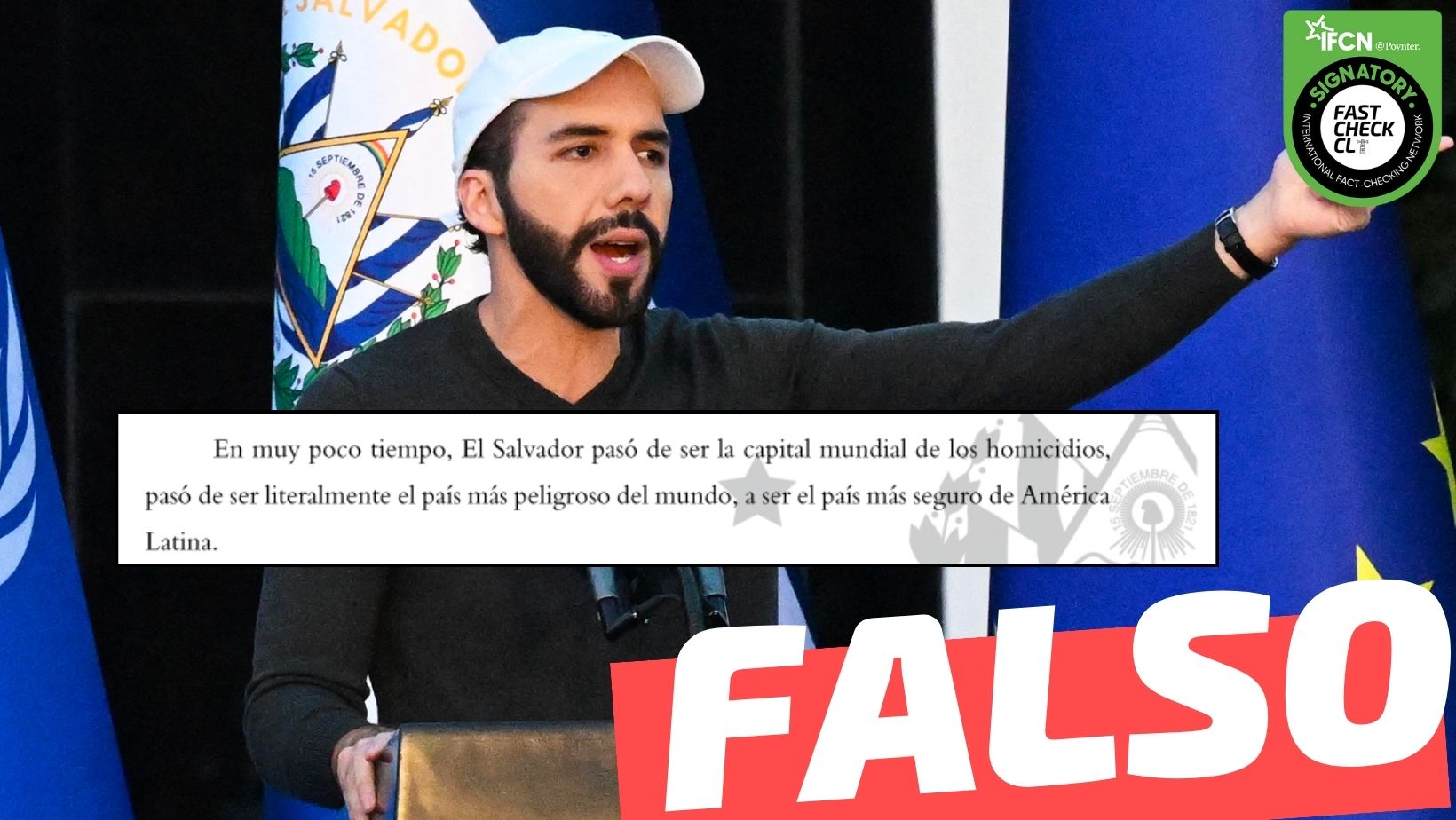
El Salvador es “el país más seguro de América Latina”
Publisher’s rating: Falso

Este video muestra a una multitud que está celebrando en un bar al ver la foto policial de Donald Trump, tras ser fichado en Georgia.
Publisher’s rating: Manipulado

ఈ వీడియో తిరుమలలోని వెంకటేశ్వర స్వామి దేవాలయంలో జరిగిన హుండీ చోరీని చూపిస్తుంది
Publisher’s rating: MISLEADING

A bomba foi o PT Q mandou matar Bolsonaro. 19-09-2023 O advogado já tem provas que condenam Lula. Mas quem o condenará?
Publisher’s rating: Falso

मध्य प्रदेश में एक मुस्लिम युवक के साथ अपमानजनक हरकत करने के हालिया मामले के बाद अब उत्तर प्रदेश के आगरा में भी ऐसी ही घटना घटी है।
Publisher’s rating: Misleading

నారా లోకేష్ అరెస్ట్ భయంతో వారం రోజుల నుండి పరారీలో ఉన్నాడు.
Publisher’s rating: FALSE

Das Video zeigt Ausschreitungen in einem Wohnviertel in Würzburg-Zellerau.
Publisher’s rating: Falsch. Das Video wurde am 16. September aufgenommen und ist aus Stuttgart, wie die Polizei bestätigt. Es zeigt Ausschreitungen zwischen verfeindeten Gruppen aus Eritrea, und zwar Regierungsanhängern und Oppositionellen.
Ted Gunderson was assassinated for exposing chemtrails.
Publisher’s rating: False


టీడీపీ అధికార ప్రతినిధి అనూష వుండవల్లి వ్యభిచారం చేస్తూ పోలీసులకు దొరికిపోయింది
Publisher’s rating: FALSE

(2022) זו פעם ראשונה שהייתה ירידה (ברצח בחברה הערבית) מאז 2014
Publisher’s rating: נכון ברובו
The claim concerns Yoav Segalovitz, who served as a government coordinator on crime and violence in Arab society. In an interview, he said that a decline in murders in 2022 was the first since 2014. The investigation checked whether that was the only decline in the period, rather than disputing that the number fell between 2021 and 2022. It reports that the police would not provide figures covering the full decade, so the fact-checkers turned to the INSS database, which tracks victims using information collected by Abraham Initiatives and the Aman Center, cross-checked against Hebrew- and Arabic-language press. That database records 128 victims in 2021 and 116 in 2022, but also a decline from 58 in 2015 to 54 in 2016. Thus, the 2022 decrease was not the only one since 2014. The investigation also notes that the 2022 drop was larger than the earlier one. Segalovitz supplied a Ministry of Public Security review based on police data, but it covered only through 2016; because no 2015 police figure was available, those figures could not establish whether murders rose or fell between those years. The review therefore could not use that alternative series to resolve the earlier decline. The evidence supports the statement that murders declined from 2021 to 2022, but contradicts its assertion that this was the first decline since 2014. The investigation’s qualification matters: the decade-long comparison relies on a non-police database, and the two counting systems differ in scope. It says the INSS-linked count uses a broader definition of victims and that police figures sometimes omit victims in East Jerusalem. The review concludes that the claim is substantially right, while its assertion of a first decline is inaccurate.

এই ফটোসমূহত মণিপুৰত দুগৰাকী কুকি মহিলাক কৰা ধৰ্ষণৰ বিৰুদ্ধে উলিওৱা প্ৰতিবাদ দেখা গৈছে।
Publisher’s rating: মিছা
رسانههای آمریکایی در برابر کشته شدن سالانه بیش از هزار نفر در این کشور به دست پلیس سکوت میکنند.
Publisher’s rating: نادرست