PeakMetrics / Fact Checks
Has this been
fact-checked?
Paste a claim or upload an image to find existing fact checks. See what fact-checkers found and read the evidence before you share.
Search fact checks ↓API & integrations ↗Browse by topic
Explore fact checks by subject.
Search fact checks
Search by text or imageLatest fact checks
98,159 published reviews
The images shows the crowd gathering to witness the speech of Mahrang Baloch at Baloch Raaji Muchi in Gwadar Port, Pakistan.
Publisher’s rating: False

Das Bild ist echt und zeigt eine Sportlerin mit männlichen Geschlechtsorganen während der Olympischen Spiele 2024.
Publisher’s rating: Das Bild ist manipuliert. Issinbajewa ist bereits 2016 als Sportlerin zurückgetreten. Zudem dürfen auch 2024 keine Athleten unter russischer Flagge an den Olympischen Spielen teilnehmen.
The review says the image was manipulated, not an authentic photograph showing Isinbayeva at the 2024 Olympics. It identifies the original photograph as dating from the 2013 World Championships in Moscow and says she ended her sporting career in 2016; the women’s pole-vault events in Paris were scheduled to begin on August 5, 2024.
: ఆంధ్ర ప్రదేశ్ ప్రభుత్వం విడుదల చేసిన కొత్త పట్టాదార్ పాస్ పుస్తకాల మీద ముఖ్యమంత్రి, రెవెన్యూ మంత్రుల బొమ్మలు ఉన్నాయి.
Publisher’s rating: False

The most valuable coins are always gold or silver.
Publisher’s rating: Not entirely true. The claim that "the most valuable coins are always gold or silver" is not entirely accurate. While many valuable coins are indeed made of gold or silver, there are exceptions. The value of a coin can be influenced by several factors, including rarity, historical significance, condition, and demand among collectors. For example, the 1794 Flowing Hair Silver Dollar, made of silver, is one of the most valuable coins due to its historical significance as one of the first silver dollars minted by the United States. However, non-precious metal coins, such as the 1943 Bronze Lincoln Cent, are also extremely valuable because of their rarity and unique production errors. Thus, while gold and silver coins often hold high value, they are not exclusively the most valuable, as coins made from other metals can surpass them in value due to rarity and other collectible factors.
പശ്ചിമ ബംഗാളില് ഒരു ഹിന്ദു സഹോദരിയെ ശരിയ നിയമമനുസരിച്ചു കൊല്ലുന്ന കാഴ്ച’
Publisher’s rating: FALSE

Video showing a Muslim man named Javed brutally killing a Hindu man named Rohit in Delhi.
Publisher’s rating: FALSE
The review reports that the video shows a murder in Vinukonda, Andhra Pradesh, not Delhi. It identifies the deceased as Sheikh Rashid and the accused as Sheikh Jilani, and says both were Muslim.
دولت سیزدهم طی سه سال حدود ۱۲ میلیارد دلار سرمایه خارجی وارد کشور کرده است.
Publisher’s rating: نادرست

Cleaning rare coins increases their value.
Publisher’s rating: False. The claim that "cleaning rare coins increases their value" is generally false. In fact, cleaning rare coins can significantly decrease their value and is usually discouraged by numismatists (coin collectors and experts). Here's why: Damage to the Coin's Surface: Cleaning can scratch or otherwise damage the surface of a coin, especially if abrasive materials or methods are used. Even gentle cleaning can leave marks or alter the coin's natural patina. Loss of Original Patina: Many coins develop a natural patina or toning over time, which can be aesthetically pleasing and add to their historical value. Cleaning removes this patina, often resulting in a less desirable appearance. Impact on Authenticity: Collectors value coins that have not been altered from their original state. Cleaning can make a coin look unnaturally bright or polished, raising suspicions about its authenticity and originality. Market Perception: The numismatic market prefers coins in their original, unaltered condition. A cleaned coin is typically worth less than an untouched coin of the same type and grade. Therefore, cleaning rare coins generally decreases their value rather than increasing it. For collectors, preserving the original state of a coin is crucial to maintaining its value and desirability.
The Commission on Elections cannot ban premature campaigning for the 2025 midterm elections.
Publisher’s rating: Flip-flop

Viral video shows a Shiva temple in Himachal Pradesh getting hit by lightning strike.
Publisher’s rating: FALSE
The video does not show lightning striking the Bijli Mahadev temple in Himachal Pradesh. The review identifies it as footage of lightning striking Guatemala’s Volcán del Fuego on 28 April 2024.

هل فعلا تقدّمت وزارة الخارجية اللبنانية بشكوى إلى مجلس الأمن الدولي بشأن قضية الصحافي عصام عبدالله؟
Publisher’s rating: صحيح
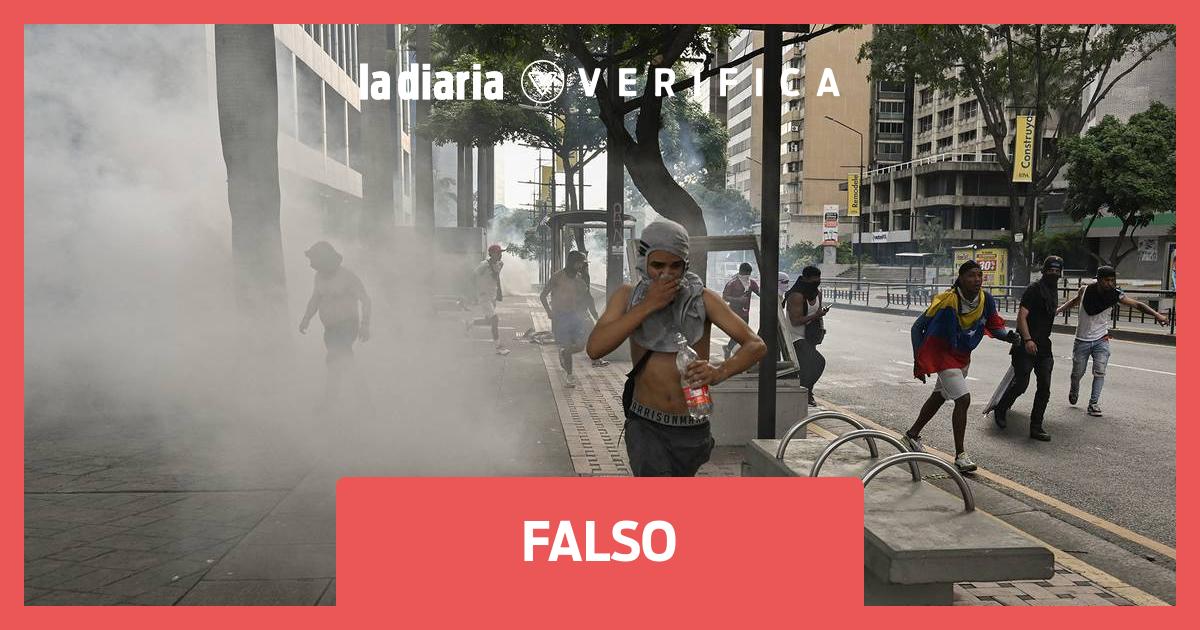
Javier Milei pidió activar el TIAR con la firma de 20 presidentes
Publisher’s rating: Falso


Les mammographies sont interdites en Suisse.
Publisher’s rating: La mammographie n'est pas interdite en Suisse. Dans certains cantons, un programme invite les femmes de 50 ans et plus à passer un examen tous les deux ans, sur une base volontaire. Les experts estiment que l'exposition aux rayonnements est faible et que les avantages surpassent les risques.
The review says mammography is not banned in Switzerland. It reports that some cantons offer voluntary screening every two years to women aged 50 and older, and that experts consider the radiation exposure low relative to the benefits.
eating onions cause piles (haemorrhoids)
Publisher’s rating: False
സ്രയേൽ പ്രധാനമന്ത്രി നെതന്യഹുവിനെതിരെ പ്രതിഷേധിക്കാൻ ശ്രമിച്ച ഹമാസ് അനുകൂliകലാണ് ഈ യുവാക്കള്
Publisher’s rating: FALSE
Seleção brasileira feminina de futebol mostra sua alegria ao tirar foto com a primeira dama. É nítido a alegria estampada no rosto das meninas
Publisher’s rating: Rating unavailable

ජිමී ඇන්ඩර්සන් එක ඕවරයක දී පන්දු හයකින් කඩුලු 6ක් දවා ගත්තා ද?
Publisher’s rating: Altered
The review says the circulating video misleadingly edits footage from England’s 2008 match against New Zealand; Anderson did not take six wickets in a single over. His wickets came across several overs, not within six balls.
Where the data comes from
Fact checks come from Data Commons and link to the organizations that published them.
What you’ll find
Each result links to the original fact check. Open it to read the publisher’s findings, with summaries and supporting sources where available.
Report an error
To report an error, send the page URL and supporting evidence.