PeakMetrics / Fact Checks
Has this been
fact-checked?
Paste a claim or upload an image to find existing fact checks. See what fact-checkers found and read the evidence before you share.
Search fact checks ↓API & integrations ↗Browse by topic
Explore fact checks by subject.
Search fact checks
Search by text or imageLatest fact checks
98,159 published reviews
Swimmers Formed the “BRING THEM HOME NOW” slogan With Their Bodies in 2024 Olympic !
Publisher’s rating: Misleading

انفجارات تدوّي في منطقة السيدة زينب، بمحافظة ريف دمشق
Publisher’s rating: كاذب
Photo shows farmers protesting against migrant boats in Dover, UK
Publisher’s rating: False
Yvette Cooper wrote an article on multiculturalism in The Guardian.
Publisher’s rating: Fake

Gel manicures leads of skin cancer
Publisher’s rating: While research suggests that radiation emitted by UV-nail polish dryers can damage DNA, there are no conclusive findings yet about it causing skin cancer in humans.
Related reporting describes a possible increased risk, not proof that gel manicures cause skin cancer. It says UV rays from curing lamps have been linked to increased risk, and a dermatologist cited in another report warns of higher risk in exposed areas.

A ESPOSA BRIGITTE DE EMMANUEL MACRON ERA UM HOMEM Ela é na verdade Jean-Michel Trogneux (que é o nome do suposto irmão de Brigitte Macron)
Publisher’s rating: Falso

Der Tatverdächtige bei einem Messerangriff im englischen Southport kam 2023 als Aslybewerber per Boot nach England und heißt Ali Al-Shakati.
Publisher’s rating: Das ist falsch oder unbelegt. Nach Angaben der Polizei wurde der Tatverdächtige in Wales geboren. Die Familie hat Medienberichten zufolge seit 2013 in der Gegend von Southport gelebt. Der angebliche Name «Ali Al-Shakati» ist laut Polizei falsch.

Un funcionario electoral venezolano fuera asesinado tras publicar gráficas con resultados favorables a la oposición
Publisher’s rating: Falso
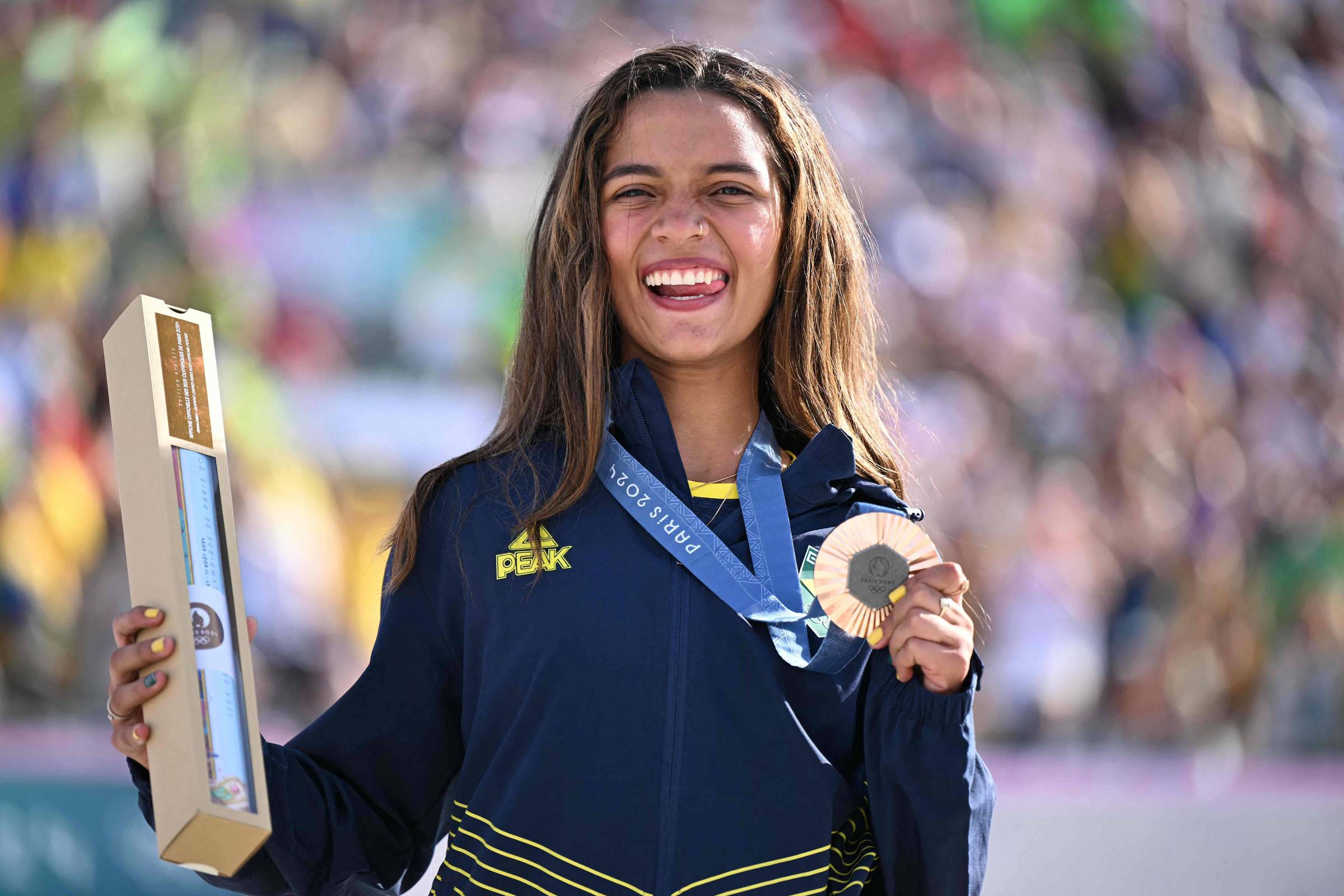
Uma postagem traz uma foto da atleta Rayssa Leal durante a final de skate street nas Olimpíadas de Paris 2024 ao lado de uma foto do ex-presidente Jair Bolsonaro (PL). O autor da postagem adicionou a seguinte legenda: “Rayssa Leal em entrevista para a CazéTV: ‘Essa medalha eu dedico ao nosso Capitão Jair Bolsonaro. Eu desejo muito que em 2028 eu ganhe o ouro e que ele volte a ser presidente’”.
Publisher’s rating: Falso
The review says the claim is false: in the original CazéTV interview, Rayssa Leal did not mention Bolsonaro or dedicate her medal to him. It also reports that she did not wish for him to return as president in 2028.

Deze video toont de samenkomst van duizenden christenen in Frankrijk als reactie op de openingsceremonie van de Olympische Spelen.
Publisher’s rating: De beelden komen uit 2022 tijdens de viering van Maria Hemelvaart op 15 augustus. De beelden werden genomen in Lourdes. Er is dus geen enkele link met de huidige Olympische Spelen.
The video does not show a gathering staged in response to the Paris Olympics opening ceremony. The review says the footage shows the celebration of the Assumption in Lourdes on August 15, 2022, and has no connection to the current Olympics.
The person arrested on suspicion of killing three children in Southport was an asylum seeker who arrived in the UK by boat in 2023.
Publisher’s rating: The police have said that a name shared on social media is “incorrect” and confirmed the person they arrested was born in the UK.
यह वीडियो केरल के वायनाड में सीसीटीवी कैमरों द्वारा रिकॉर्ड की गई हालिया बाढ़ का है
Publisher’s rating: False
ಈ ಚಿತ್ರಗಳು ಕೇರಳದ ವಯನಾಡಿನಲ್ಲಿ ಇತ್ತೀಚೆಗೆ ಸಂಭವಿಸಿದ ಭೂಕುಸಿತವನ್ನು ಚಿತ್ರಿಸುತ್ತವೆ.
Publisher’s rating: ಸಂದರ್ಭದಿಂದ ಹೊರಗಿಡಲಾಗಿದೆ

Drinking water in copper glass along with curry leaves take care of anemia?
Publisher’s rating: Drinking water in copper glass along with curry leaves cannot take care of anemia. This claim is false.
ഉത്തർപ്രദേശിലെ അലിഗഡില് മുസ്ലിം സമുദായത്തില് നിന്നുള്ള കോടതി ജീവനക്കാരൻ ജഡ്ജിയുടെ കുടിവെള്ളത്തില് തുപ്പുന്ന ദൃശ്യങ്ങള്
Publisher’s rating: FALSE
ভিডিঅ’টোত দেখা এই হিন্দু মহিলাগৰাকীক এজন মুছলমানে হত্যা কৰিছে।
Publisher’s rating: মিছা

De dader van de steekpartij op 6 kinderen in Liverpool is Ali-Al-Shakati, een 17-jarige asielzoeker die vorig jaar naar Engeland kwam.
Publisher’s rating: Nee, de ter plaatse bevoegde Merseyside Police schreef aan Deutsche Presse-Agentur dat Ali Al-Shakati niet de naam is van de verdachte. De verdachte is een 17-jarige jongen die werd geboren in Cardiff, Wales. Over zijn naam, afkomst en eventuele religieuze overtuigingen is niets officieel bekendgemaakt. De politie behandelt de zaak momenteel niet als "terrorisme-gerelateerd" en roept op niet te speculeren.
Where the data comes from
Fact checks come from Data Commons and link to the organizations that published them.
What you’ll find
Each result links to the original fact check. Open it to read the publisher’s findings, with summaries and supporting sources where available.
Report an error
To report an error, send the page URL and supporting evidence.