PeakMetrics / Fact Checks
Has this been
fact-checked?
Paste a claim or upload an image to find existing fact checks. See what fact-checkers found and read the evidence before you share.
Search fact checks ↓API & integrations ↗Browse by topic
Explore fact checks by subject.
Search fact checks
Search by text or imageLatest fact checks
98,307 published reviews

1947க்கு பிறகு காஷ்மீர் திரையரங்குகளில் வெளியான முதல் படம் ஆர்ஆர்ஆர்.
Publisher’s rating: Mix

Ukrainer fahren mit Flixbus nach Österreich, um Sozialbetrug zu begehen
Publisher’s rating: Es gibt keine Belege für einen solchen Sozialbetrug ukrainischer Geflüchteter. Das geht aus Stellungnahmen des Innenministeriums sowie von Flixbus gegenüber der APA hervor. Ukrainerinnen und Ukrainer riskieren bei Reisen in ihr Heimatland den Verlust ihres Aufenthaltsrechts sowie einen permanenten oder temporären Entzug der Grundversorgung. Die beschriebene Form des Sozialbetrugs wäre in der Praxis sehr mühsam und vermutlich kaum lukrativ.
The claim described Ukrainian refugees receiving Austria’s basic support and travelling by Flixbus to Ukraine as a way to exploit the welfare system. The APA investigation checked the specific allegation of regular trips between Vienna and Kyiv, which had been linked to reports of heavily booked buses. It confirmed that Flixbus services ran several times daily and that most seats were booked days in advance, but noted that this did not establish who was travelling or why. The review sought information from both the bus company and the Austrian Interior Ministry. Flixbus said it knew of no unusual travel patterns among Ukrainians, while the ministry said it knew of no cases of structural fraud involving basic support. Those statements do not prove that no individual ever travelled improperly; they do not substantiate the claim of a systematic scheme based on the bus bookings. The review also describes rules and practical obstacles relevant to the allegation. Ukrainian refugees had to inform the responsible authority of foreign travel; support could be suspended during an absence, and a longer absence could lead to removal from the support system. The review says travel to Ukraine could also put residence status at risk. Finally, it compares the cited bus fares and long journey with the support available, concluding that repeated trips would be difficult and unlikely to be lucrative. Thus, the booked seats alone were not evidence of benefit fraud.
TN Verifica: Qual será a ordem da votação no dia 2 de outubro?
Publisher’s rating: Verdadeiro
പോപ്പുലര് ഫ്രണ്ട് ഹര്ത്താല് പിന്വലിച്ചു
Publisher’s rating: FALSE

ට්රැමඩෝල් Pencil Candy පිළිබඳ මත්ද්රව්ය නාශක අංශවලින් අනතුරු ඇඟවීමක්!
Publisher’s rating: Misleading
The review investigated social-media posts in Sri Lanka alleging that traffickers were selling schoolchildren pencil-shaped candy containing 300–500 mg of tramadol. It says the post and its accompanying images had circulated since 2018 and were circulating again at the time of the review. The investigation focused on whether the pictured product was drug-laced candy and whether authorities had evidence of its sale to children. The reviewer examined the image and conducted a reverse-image search. Although that search did not identify an official source for the exact image, the review says pencil-shaped sweets for children were available in different countries. It then sought information from police spokesperson Senior Superintendent Nihal Thalduwa and from Chamara Karunaratne, spokesperson for the National Dangerous Drugs Control Board. Thalduwa said police had received no information about this kind of drug-trafficking operation and had conducted no such raid. Karunaratne said the Board had received no evidence that the alleged candy was being sold to children, including during an earlier examination prompted by the post’s circulation. The review also consulted physician Ananda Wijewickrama, who described tramadol as a strong painkiller generally used for severe pain, rather than a drug contained in the pictured candy. He said a typical capsule contains about 50 mg and tramadol is dispensed on prescription. The review therefore found no substantiation for the post’s specific allegation: the claimed 300–500 mg candy was not supported by evidence reported from the police or the Board, and the image search did not establish that the pictured item contained tramadol. The article distinguishes that unsupported claim from the separate fact that tramadol is a potent medicine and that authorities had made seizures involving unlawful tramadol storage.

Operação Chapéu Branco vai fechar sistema bancário por 10 dias em 24 de setembro de 2022
Publisher’s rating: Falso

Videodaki Yunan rahibin vatandaşları Türklere karşı uyardığı iddiası
Publisher’s rating: Yanlış

Pompeii Masturbator !!
Publisher’s rating: Satire
The review examines social media posts claiming that a preserved body found at the site of the Vesuvius eruption shows a man masturbating at the moment he died. It places the claim in the context of the eruption in 79 AD, which destroyed Pompeii and Herculaneum, and says the viral image was first published by the Pompeii Archaeological Park on Instagram in 2017. The park’s post did not identify the figure as masturbating; the interpretation arose from the body’s appearance and became the subject of memes and jokes. [S1]
Política de financiamento. Saímos de R$ 5 bilhões para R$ 30 bilhões na agricultura familiar
Publisher’s rating: Verdadeiro

Photo shows Muzammil Bota, an Afghanistan cricketer who passed away recently
Publisher’s rating: MISLEADING
The claim concerns a circulated photo said to show Muzammil Bota, who had recently died, as an Afghanistan cricketer. FACTLY’s review accepts that the person pictured was named Muzammil Bota and that he had died, but disputes the description of his sport and country: it identifies him as a Pakistani kabaddi player, not an Afghanistan cricketer. The review therefore finds that the claim gives a misleading account of who he was. To check the photo’s identity, the review notes a “Thru Media” logo on the image and says an uncropped version appeared on Thru Media’s social-media page. It reports that comments on that post identified the person as Muzammil Bota and a Pakistani kabaddi player. The review also points to posts about his death from the International Kabaddi Club Facebook page; it describes those posts as identifying him with kabaddi rather than cricket. As further corroboration, the review cites a tweet from Geo TV sports correspondent Sohail Imran, who attributed the death report to the Pakistan Kabaddi Federation and described Muzamil Botha as an international kabaddi player. Taken together, the image’s social-media trail and the cited death reports support the review’s distinction: the person and death in the claim are not denied, but the claimed Afghanistan-cricketer identity is contradicted.
இன்று Google தேடலில் கிடைத்த செய்தி. ஒரு நிமிடம் நெஞ்சே பதறிவிட்டது. Bharath Bio Tech என்ற இந்திய நிறுவனம் தான் உலகிலேயே முதன் முதலாக Corona Virus இற்கு தடுப்பூசி (Covaxin) கண்டு பிடித்தது. இது எல்லோரும் அறிந்ததே. Covaxin என்ற தடுப்பூசியின் முதல் சோதனை எலி யார்? அவர்தான் பாரதப் பிரதமர் மேன்மைமிகு சத்ரபதி நரேந்திர தமோதரதாஸ் மோடி ஜி.
Publisher’s rating: Fake
News found in Google search today. Bharath Bio-Tech, an Indian company, was the first in the world to discover the vaccine (Covaxin) for Corona Virus. Everyone knows this. Who was the first rat to test the vaccine Covaxin? He is the Prime Minister of India His Excellency Chhatrapati Narendra Damodar Das Modi G.
Publisher’s rating: Fake

Rs. 350 would be deducted from the bank accounts of people who will not cast their votes – Election Commission of India
Publisher’s rating: FALSE
The claim concerned a newspaper clipping stating that Rs. 350 would be taken from the bank accounts of people who did not cast their votes, supposedly under an Election Commission of India decision. FACTLY traced the clipping to a Navbharat Times item and reported that it was fictional, rather than an announcement of an official penalty. FACTLY says it searched for news about the purported Election Commission decision and found no relevant official information. It also cites a PIB fact-check tweet stating that the Commission had taken no such decision, and an earlier Election Commission tweet identifying the same clipping as fake news being recirculated. These findings directly challenge the claim that the deduction was an actual government measure. The review further reports that Navbharat Times clarified the item was a Holi joke. It says the original page described its news as fictional and included a notice telling readers not to take the article seriously. Taken together, the review’s account identifies the clipping’s origin and the subsequent clarifications, rather than evidence of any real deduction from voters’ bank accounts.

ಬೆಂಗಳೂರಿನಲ್ಲಿ ಇತ್ತೀಚೆಗೆ ಸಂಭವಿಸಿದ ಪ್ರವಾಹದ ಸಂದರ್ಭದಲ್ಲಿ ಬಸ್ಗೆ ನೀರು ನುಗ್ಗಿದ ದೃಶ್ಯಗಳು.
Publisher’s rating: MISLEADING

පාසල් සිසුවියක් දිවා ආහාරය සඳහා කලටි පොල් මද ගෙන එයි !!
Publisher’s rating: Explainer
The review examined widely shared reports that a schoolgirl in the Minuwangoda education zone had brought young coconut kernel to eat at school because of poverty and economic hardship. It traced the claim to coverage by several media outlets. The reports described a ninth-grade student eating coconut with friends during lunch, and said a teacher subsequently arranged food for some children. They also reported that third-grade pupils had been served rice without curry after the lentils ran out. The review notes, however, that the reports did not name the school. [S1: “ගම්පහ දිස්ත්රික්කයේ මිනුවන්ගොඩ අධ්යාපන කලාපයේ පාසලක පාසල් දැරියක්, දිළිදුකම නිසා සහ ආර්ථික ගැටළු නිසා , පාසල් විවේක කාලයේදී අනුභවයට , පොල් මද ගෙන ආ බවට වන පුවතක් සමාජ ජාලා හරහා වේගයෙන් පැතිරී ගොස් තිබුණා.”; “මෙම පුවත් වාර්තා සියල්ලම පරික්ෂා කිරීමේ දී පැහැදිලිවම පෙනෙන කාරණය නම් මිනුවන්ගොඩ කනිෂ්ඨ පාසලක් යනුවෙන් සඳහන් කර තිබුණ ද එකඳු හෝ මාධ්ය වර්තාවක මෙම සිදුවීම සිදුවූ පාසල කුමක්ද යන්න නම් කර නොතිබීමයි.”] To check the account, the review says it contacted Minuwangoda’s zonal education director, Vajira Ranraja, and later examined reports that identified Kongodamulla St. Anthony’s Junior School as the location. The director said no such incident had occurred in a school in the zone on or around September 21. The head teacher of the named school also denied the reported events, including both the ninth-grade student eating coconut and third-grade children receiving rice without curry. [S1: “මිනුවන්ගොඩ කලාප අධ්යාපන අධ්යක්ෂ වජිර රණරාජා මහතාව මුලින්ම සම්බන්ධ කරගත්තා. ඔහු අප සමග පැවසුවේ මෙවැනි සිදුවීමක් සැප්තැම්බර් 21 හෝ ඊට ආසන්න දිනක දී මිනුවන්ගොඩ කලාපය තුළ පාසල් කිසිවක හෝ සිදුව නොමැති බවයි.”; “කෝංගොඩමුල්ල ශාන්ත අන්තෝනි කණිෂ්ඨ විද්යාලයේ නම දක්වා තිබෙන බව දැකගන්නට ලැබුණා.”; “එම පාසලේ විදුහල්පතිවරිය පැවසුවේ මෙවන් සිදුවීමක් කිසිසේත්ම සිදු නොවූ බවයි.”] The review additionally reports that the President’s Media Division issued a statement calling the story false. It distinguishes that denial of this particular school incident from broader concerns: it notes the country’s economic hardship and reports of child malnutrition, while describing assistance channels said to be available through local and district offices. Those broader circumstances do not, in the review’s account, establish that the specific reported incident occurred. [S1: “ජනාධිපති මාධ්ය ඒකකය විසින් ද පාසල් දරුවෙකු දිවා ආහාරය සඳහා පොල් මද රැගෙන ඒමේ පුවත අසත්යයක් ලෙස නිවේදනයක් නිකුත් කරමින් සඳහන් කර සිටින්නේ”; “කෙසේනමුත් ලංකාවේ පවතින ආර්ථික අර්බුදය හමුවේ මුහුණදෙමින් පවතින අධික උද්ධමන ඔස්සේ පසුගිය කාලය පුරාවට ම ළමා මන්දපෝෂණ තත්වය ඉහළ ගොස් තිබෙන අතර”]
A Facebook page called “White House News” recently published a video on September 09, 2022 depicting a seaport being flooded by waves. According to the Facebook page, the film depicted a scene of storms and flooding in South Korea. A video post with such claims has recently received a lot of active social media circulation.
Publisher’s rating: Misleading
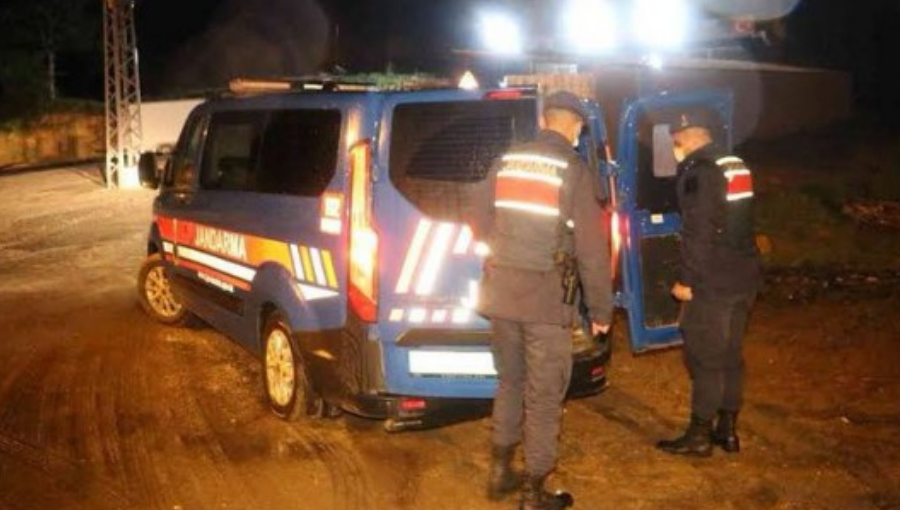
Edirne’de sığınmacıları Bulgaristan’a geçirme vaadiyle dolandıran kişinin daha sonra jandarma çağırdığı iddiası
Publisher’s rating: Yanlış
Marília Arraes votou a favor do aborto e Teresa Leitão participou de votação envolvendo respiradores testados em porcos
Publisher’s rating: FALSO
Where the data comes from
Fact checks come from Data Commons and link to the organizations that published them.
What you’ll find
Each result links to the original fact check. Open it to read the publisher’s findings, with summaries and supporting sources where available.
Report an error
To report an error, send the page URL and supporting evidence.