PeakMetrics / Fact Checks
Has this been
fact-checked?
Paste a claim or upload an image to find existing fact checks. See what fact-checkers found and read the evidence before you share.
Search fact checks ↓API & integrations ↗Browse by topic
Explore fact checks by subject.
Search fact checks
Search by text or imageLatest fact checks
98,252 published reviews
Les séismes en Turquie ont détruit le gazoduc TANAP en provenance de l'Azerbaïdjan, fournisseur principal de l'UE.
Publisher’s rating: Le gazoduc TANAP n'a pas été détruit suite aux séismes survenus en Turquie ce lundi 6 février 2023. Il n'est pas non plus le fournisseur principal de gaz pour l'UE.
امسال بانک جهانی اعلام کرده است که قدرت خرید مردم ایران از بین ۲۴۰ کشور رتبه ۲۱ است.
Publisher’s rating: نادرست
संसद में नितिन गडकरी ने नहीं किया पीएम मोदी का समर्थन
Publisher’s rating: FALSE
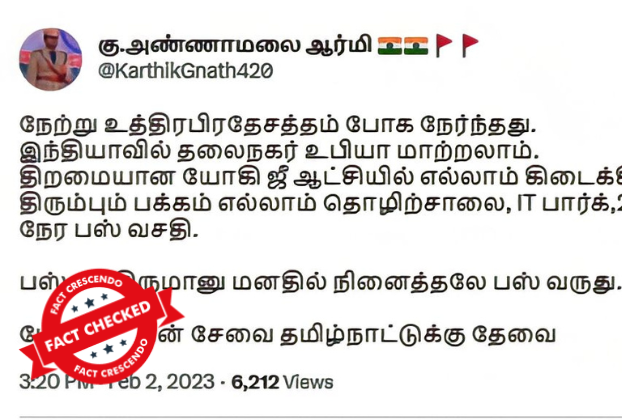
Claim: parody tweet misunderstood as true post of Annamalai it team
Publisher’s rating: Fact Crescendo Rating: FALSE
Drinking water right after eating could lead to some intestinal issues
Publisher’s rating: Needs context

ಜನರು ಸಾಕ್ಷ್ಯಚಿತ್ರದ ವಿರುದ್ಧ ಲಂಡನ್ನ BBC ಕಚೇರಿಯ ಮುಂದೆ ಪ್ರತಿಭಟನೆ ನಡೆಸುತ್ತಿರುವ ದೃಶ್ಯಗಳು.
Publisher’s rating: MISLEADING

Gabriel Boric: “La culpa la tienen los vecinos por no hacer cortafuegos”
Publisher’s rating: Falso
Dr. Manila Crocodile Scar Removal Serum is an FDA-approved product that can remove all types of scars in under a month
Publisher’s rating: Fake

सुनामी तुर्की-सीरिया तट रेखा से टकराती हुई। तुर्की और सीरिया में भूकंप
Publisher’s rating: False
Drinking water right after eating could lead to poor digestion and interrupt the digestive system’s absorption process
Publisher’s rating: Needs context

పార్లమెంట్లో మోదీ ప్రసంగానికి నితిన్ గడ్కరి చప్పట్లు కొట్టకుండా కూర్చున్న దృశ్యాలు
Publisher’s rating: FALSE

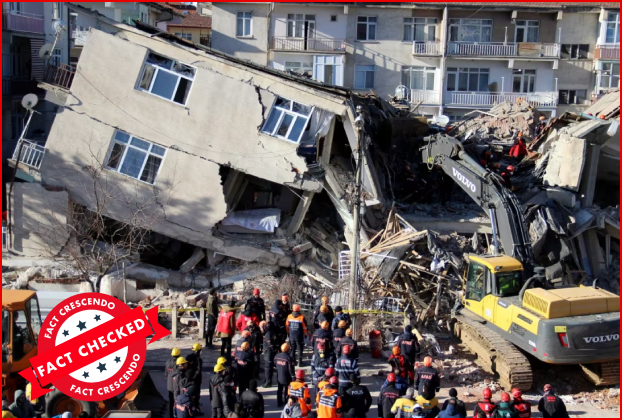
Photos depicting the collapsed buildings and houses with a claim stating they are the result of the recent earthquake that happened in Turkey. This post has received mixed comments and shared by Facebook users who are speaking Khmer. However, after running a Google Reverse Image search, it was found that the above post is misleading.
Publisher’s rating: Misleading
The review examined a Facebook post shared on February 6, 2023, containing three images of a collapsed building. Its Khmer caption described a magnitude 7.4 earthquake in Turkey, and the images were also shared by other pages in connection with the recent quake. The review’s investigation focused on whether the pictured collapse was actually from that event. [S1]

වසර 3000 වරක් පිපෙන උදුම්බරා මලක දර්ශන පෙළක්
Publisher’s rating: False
The claim concerns a video circulated in Sri Lanka that purportedly shows Udumbara flowers blooming on a wire beside a small roadside shop. The review describes claims that the flowers bloom once every 3,000 years and that their appearance signals the arrival of a good king. It distinguishes those beliefs from the narrower question it investigates: whether the structures in this particular video are rare flowers. The account also reports differing versions of the number of structures said to have appeared or remained when the video was filmed; those figures are part of the circulating story, not evidence that they are flowers. (S1: “සමාජ ජාලා සටහන් වසර 3000 කට වරක් පිපෙන උදුම්බරා මලක් පිපුණු බවක් , මෙය යහපත් රජෙක් පහළවීමේ පෙරනිමිති බවත් පවසමින්, පාරක් අයිනේ පිහිටි කුඩා පෙට්ටි කඩයක තිබෙන යකඩ කම්බියක් මත මෙම අරුම පුදුම මල් පිපී ඇති බවක් දැක්වෙන වීඩියෝවක් සමාජ මාධ්ය ඔස්සේ සංසරණය වෙනවා.”) For its examination, the review says it consulted Professor Subhani Ranasinghe, an assistant director at the National Botanical Gardens Department. She described a prior departmental investigation of similar structures reported in Kandy: samples were examined microscopically, and the structures were identified not as plants but as eggs of lacewing insects in the Chrysopidae family. This is evidence about the nature of the structures, rather than an assessment of the religious beliefs associated with the name Udumbara. (S1: “මෙම සාම්පල අණ්වීක්ෂීය පර්යේෂනවලට ලක් කළ බවත්, සත්ය වශයෙන්ම එහි දැකගන්නට ලැබූ ව්යුහයන් කිසියම් හෝ ශාකයක් නොව, Chrysopidae විශේෂයට අයත් ලේස්වින්ග්ස් (lacewing) කෘමියාගේ බිත්තර ලෙස තහවුරු වූ බවත් ඇය පැවසුවා.”) The review applies that finding to the video, concluding that its structures are most likely lacewing egg-laying structures, not flowers that bloom once every 3,000 years. It also notes that accounts of a 3,000-year flowering interval are not supported by a recorded example in the article, and cites the Guinness record entry it discusses as describing a Bolivian plant that flowers after 80–150 years. The conclusion is limited to identifying what the video most likely shows; the review explicitly says it did not assess the truth of religious beliefs about Udumbara. (S1: “අප විසින් සිදුකරන ලද කරුණු විමසීම අනුව තහවුරු වන්නේ වසර 3000 කට වරක් පිපෙන උදුම්බරා මල් ලෙස සදහන් වෙමින් සමාජ ජාලා වල පළවන වීඩියෝවේ කරුණු අසත්ය සහ නොමගයවන සුලු බවයි. විද්යාත්මක සාක්ෂි අනුව බොහෝ දුරට සිදුකල හැකි නිගමනය වන්නේ මෙහි දැක්වෙන්නේ lacewing නම් කෘමි සත්වයා මගින් බිත්තර දැමීමේදී සැකසී ඇති ව්යුහයන් බවයි.”)

Katar’ın 2022 Dünya Kupası’nın gelirlerini depremden etkilenenlere göndereceği iddiası
Publisher’s rating: Yanlış
Drinking water right after eating could reduce one’s skin glow
Publisher’s rating: Needs context

మహారాష్ట్ర ముఖ్యమంత్రి ఎకనాథ్ షిండే ఒక దర్గాలో కాషాయ రంగు శాలువాను కప్పి, హారతి ఇచ్చారు
Publisher’s rating: MISLEADING

’வேறுபாடு இல்லாமல் கற்பழிப்பு’ முதல்வர் ஸ்டாலின் உளறல் பேச்சு!
Publisher’s rating: Fake
A court has ruled against drugs giant Pfizer, saying the company’s chief executive had misled people about the safety of vaccines.
Publisher’s rating: Missing context: Pfizer did not get found guilty in court. In fact there was no court case. No court said that the Pfizer vaccine was not safe. Instead the body run by the pharmaceutical industry’s trade body found that Pfizer’s chief executive had erred when speaking to the BBC and might have led people to believe there was no need to be worried about side effects and that benefits outweighed the risks when vaccinating young children.
Where the data comes from
Fact checks come from Data Commons and link to the organizations that published them.
What you’ll find
Each result links to the original fact check. Open it to read the publisher’s findings, with summaries and supporting sources where available.
Report an error
To report an error, send the page URL and supporting evidence.