PeakMetrics / Fact Checks
Has this been
fact-checked?
Paste a claim or upload an image to find existing fact checks. See what fact-checkers found and read the evidence before you share.
Search fact checks ↓API & integrations ↗Browse by topic
Explore fact checks by subject.
Search fact checks
Search by text or imageLatest fact checks
98,252 published reviews
අහසේ පාවෙන බැලූනයක් උපයෝගී කර ගනිමින් මාලිමාවේ මැතිවරණ ප්රචාරණයක්
Publisher’s rating: Altered
مدل ما به هیچ وجه مدل کره شمالی نیست که مردم را از مواهب فضای مجازی محروم کنیم.
Publisher’s rating: گمراهکننده
Há uma grande probabilidade de que os efeitos colaterais dessa vacina sejam mais graves do que o da vacina monovalente
Publisher’s rating: Insustentável
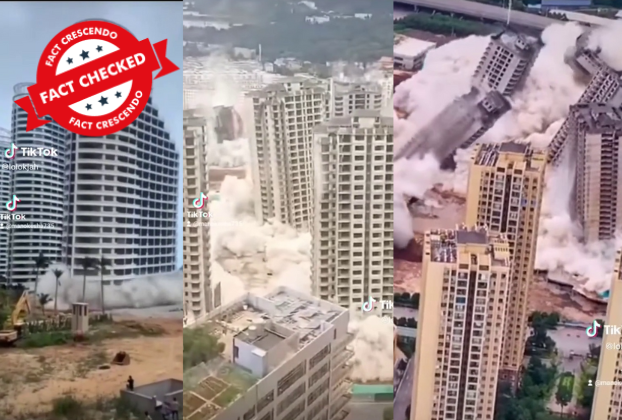
Claim: china building demolition videos shared as turkey earthquake damages
Publisher’s rating: Fact Crescendo Rating: FALSE
Fact Crescendo investigated social-media posts that presented two videos of buildings being demolished as scenes of residential buildings collapsing in the Turkey earthquake. The review says the videos were joined together and shared with a caption identifying the event as the “Turkey earthquake”; it notes that the post was uploaded on February 7, 2023. Its investigation focused on whether the footage actually showed earthquake damage. (“அடுக்குமாடி கட்டிடங்கள் இடிக்கப்படும் வீடியோக்களை ஒன்று சேர்த்து பகிர்ந்துள்ளனர். நிலைத் தகவலில், “துருக்கி நிலநடுக்கம்” என்று குறிப்பிடப்பட்டுள்ளது.”) The fact-checkers converted frames from the videos into images and performed reverse-image searches. They found that both clips had circulated online for years as footage from China. For one clip, the review could not establish where in China it was filmed, but says a full version was available and that Chinese characters were visible on people’s shirts. It also says the clip had circulated since 2021—before the earthquake to which the post attributed it. (“வீடியோ காட்சிகளைப் புகைப்படங்களாக மாற்றி கூகுள் ரிவர்ஸ் இமேஜ் தேடல் செய்தோம்.”; “இந்த வீடியோக்கள் 2021ம் ஆண்டு முதல் சமூக ஊடகங்களில் பகிரப்பட்டு வந்திருப்பதும் தெரிந்தது.”) The second clip was traced more specifically to Yunnan province, China. The review reports that it showed 15 high-rise buildings demolished together; reports it consulted said the buildings had stood unused for eight years after construction. This clip, too, had circulated since 2021. The review therefore concluded that neither video documented the 2023 Turkey earthquake and that the social-media post misrepresented demolition footage as earthquake damage. (“இந்த வீடியோ சீனாவின் Yunnan மாகாணத்தில் எடுக்கப்பட்டது என்று தெரிந்தது. 15 உயர் அடுக்கு மாடிக் கட்டிடங்கள் ஒரே நேரத்தில் இடிக்கப்பட்டதாகச் செய்திகள் கூறுகின்றன.”; “இந்த வீடியோவும் 2021ம் ஆண்டில் இருந்து சமூக ஊடகங்களில் பகிரப்பட்டு வந்திருப்பது தெரிந்தது.”)


Hindenburg: three obscure facts There are three criminal inquiries into it in the US. Due to their fraud methods, their bank accounts were frozen for an extended period of time. Any reports regarding firms listed on the New York Stock Exchange are illegal to be published.
Publisher’s rating: Misleading

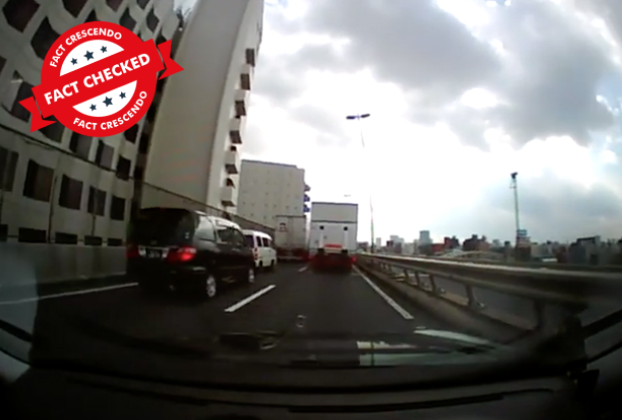
Claim: this car camera footage not related with the turkey earthquake
Publisher’s rating: Fact Crescendo Rating: FALSE
The claim concerns a specific social-media video presented as a car camera recording of the Turkey earthquake. Fact Crescendo says the post identified it as a “live recording of the earthquake from inside a car” and that it was shared by a Facebook account named Mohamatu Hasan on February 8, 2023. The review notes that the earthquake occurred at night, while the footage showed daylight, prompting the investigation. The investigators converted frames from the video into images and searched them with Google reverse image search. Although they found the video being shared by news outlets and others as footage from Turkey, further searches located it on a Japanese-language website in 2017. The review then traced a YouTube link associated with that page, which identified the scene as “Metropolitan Expressway 6” and displayed a recording date of March 11, 2011. The review reports that continued searching identified the location as Tokyo, Japan. It also says Fact Crescendo’s English-language fact-check compared a photograph of the relevant road from Google Maps with the scene in the video, supporting the Tokyo identification. On that evidence, the review concludes that the footage was recorded in Japan during the 2011 earthquake, not in Turkey in 2023, and that it was misleadingly recirculated as footage of the Turkey earthquake.
China said it will attack any U.S. aircraft that will dare to fly over the South China Sea
Publisher’s rating: False

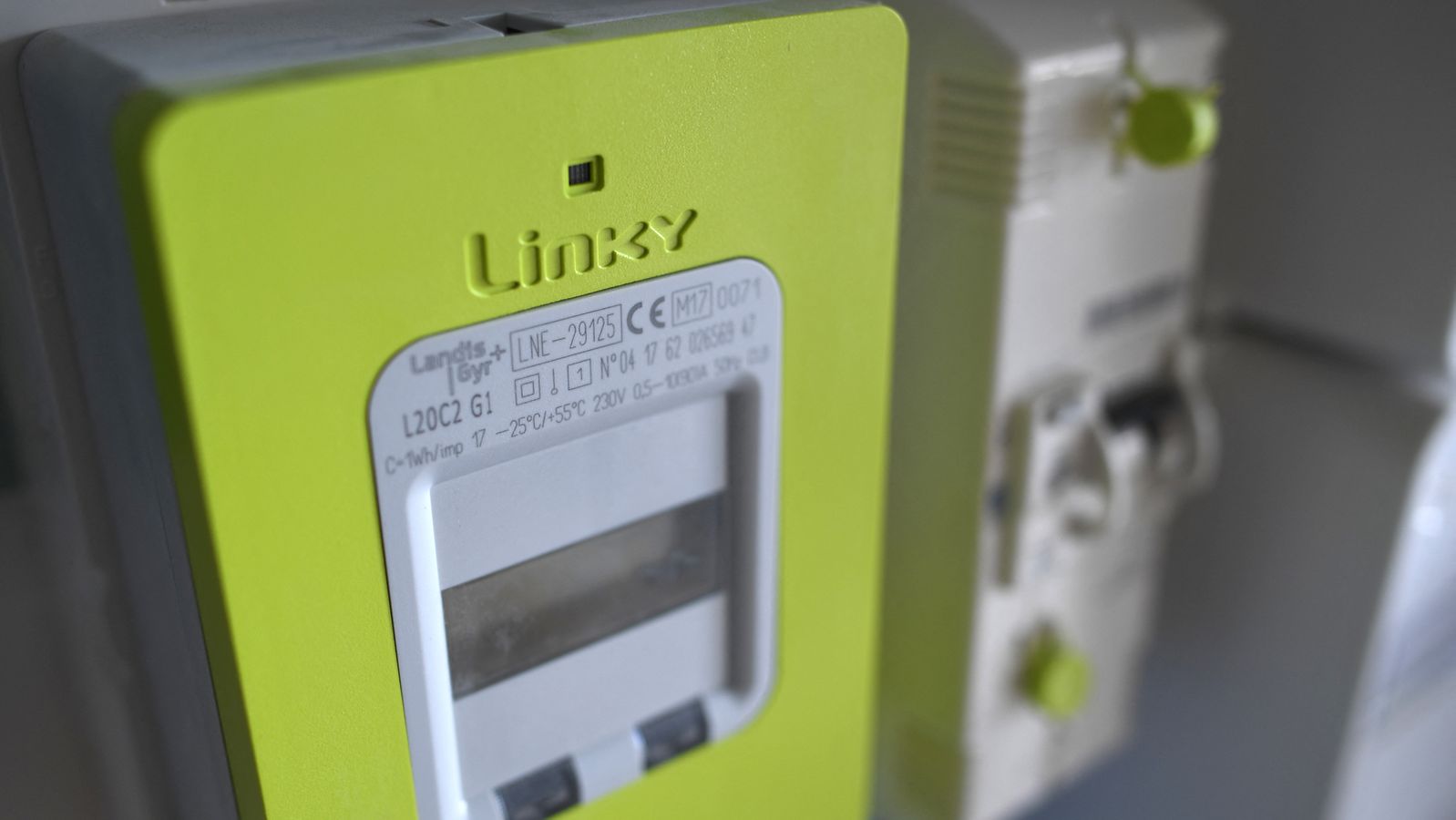
Smart Meter sind Überwachungsinstrumente, um Bürgern den Strom abzudrehen, sobald sie zu viel verbraucht haben.
Publisher’s rating: Falschinterpretation. Smart Meter sind laut Experten notwendig für das Stromnetz der Zukunft, in dem mehr erneuerbare Energien eingespeist werden und mehr Stromverbrauch anfällt. Dazu werden Daten erhoben und digital ausgetauscht, außerdem besteht die Möglichkeit für die Netzbetreiber, Geräte wie PV-Anlagen, Wallboxen oder Wärmepumpen im Notfall zu steuern.
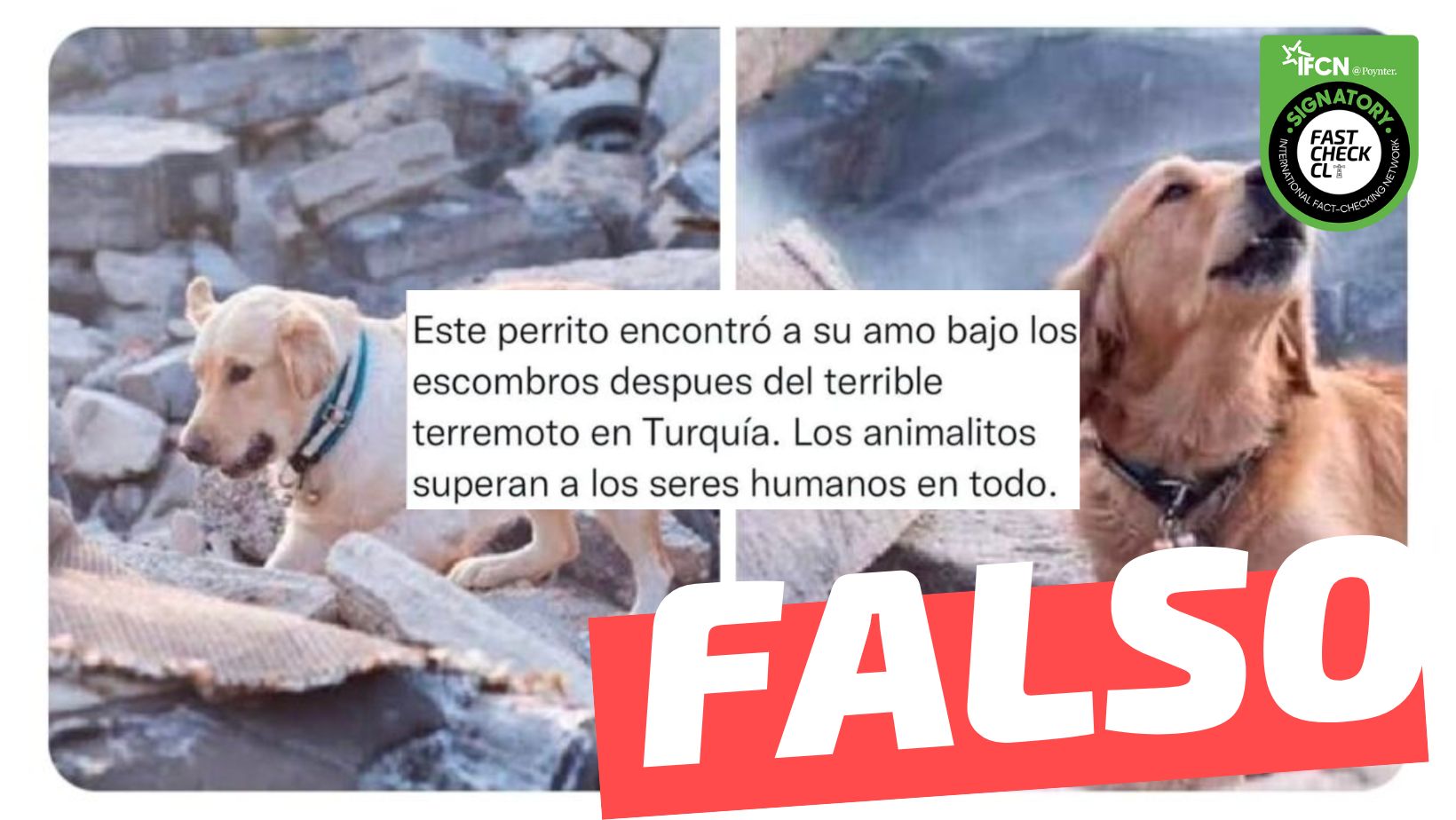
“Este perrito encontró a su amo bajo los escombros después del terrible terremoto en Turquía”
Publisher’s rating: Falso

L'étude de Cochrane prouve que les masques sont inefficaces.
Publisher’s rating: La méta-analyse dont il est question résume des recherches sur plusieurs virus respiratoires. L’infection par le SARS-CoV-2 (le virus qui cause la maladie Covid-19) n’en est qu’une petite partie. L’étude de l’organisation Cochrane ne permet, que de manière très limitée, de tirer des conclusions sur l’efficacité des masques contre les infections au Covid-19. Dire que l’étude prouve l’inutilité des masques est faux.
The claim that the Cochrane study proves masks are ineffective overstates what the review can establish. The dpa article describes the Cochrane work as a meta-analysis of research on several respiratory viruses, with SARS-CoV-2 accounting for only a small part of the evidence. It reports that the 78 studies included work on influenza, SARS-CoV-2 and SARS, and that most concerned respiratory-virus seasons through 2016 rather than the Covid-19 pandemic. The article says the review’s authors found that community mask use was likely to have little or no effect on the occurrence of illnesses such as influenza and Covid-19, but also stressed limitations in the evidence. They cited risk of bias, differences in outcome measurement and relatively low adherence to the measures studied as obstacles to drawing clear conclusions. The article therefore says the review permits only limited conclusions about mask effectiveness against Covid-19; it does not establish that masks are useless. The account also reports that Cochrane’s German branch cautioned against broad interpretations of the study on social media, and that the review authors described research gaps. The article separately cites other scientific work suggesting masks can reduce infection risk, including a 2020 synthesis and a 2021 PNAS study. Those examples provide additional context, but the central point is the limited and mixed scope of the Cochrane evidence—not proof of ineffectiveness.
मेरठ के वैली बाजार में हिंदू महिलाओं को छेड़ने पर मुस्लिम युवक को निर्वस्त्र कर पीटा गया।
Publisher’s rating: False
भूकंप के कुछ मिनट बाद सुनामी तुर्की के तट से टकराई
Publisher’s rating: False

এই ভিডিঅ' ক্লিপকেইটা তুৰস্কৰ শেহতীয়া ভূমিকম্পৰ হয়।
Publisher’s rating: আংশিকভাৱে মিছা
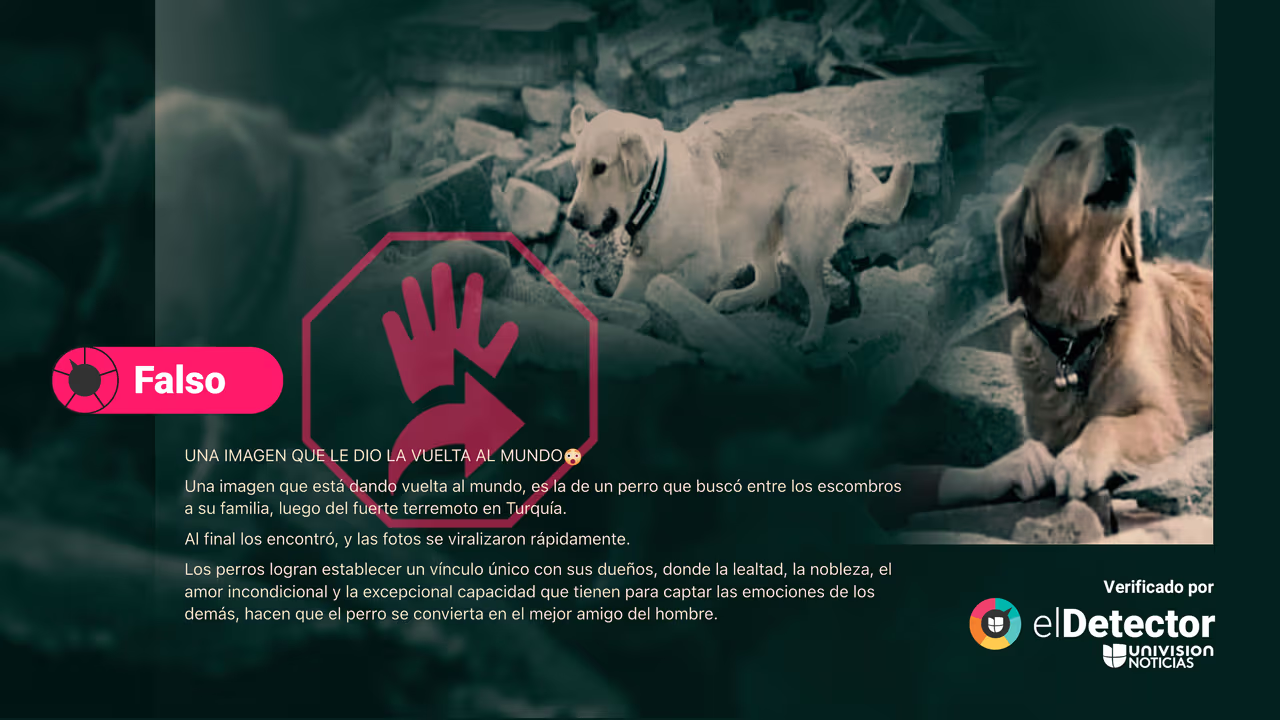
Dos fotos muestran a perro que buscó y halló a su familia entre los escombros tras los terremotos de Turquía.
Publisher’s rating: Falso
Where the data comes from
Fact checks come from Data Commons and link to the organizations that published them.
What you’ll find
Each result links to the original fact check. Open it to read the publisher’s findings, with summaries and supporting sources where available.
Report an error
To report an error, send the page URL and supporting evidence.