PeakMetrics / Fact Checks
Has this been
fact-checked?
Paste a claim or upload an image to find existing fact checks. See what fact-checkers found and read the evidence before you share.
Search fact checks ↓API & integrations ↗Browse by topic
Explore fact checks by subject.
Search fact checks
Search by text or imageLatest fact checks
98,252 published reviewsBinali Yıldırım "Hoçça Ğalın Ğidiyom Ben" Yazdı mı?
Publisher’s rating: Yanlış

இந்தியா வந்த இத்தாலி பிரதமரை ஜியோர்ஜியோ மெலோனியை இந்தியப் பிரதமர் மோடி வரவேற்ற போது, வணக்கம். நமஸ்தே. no hands!
Publisher’s rating: Misleading

මාලිමාවේ බිමල් ජයසුන්දර සහ චීන පොහොර නැව පිළිබඳ හුවමාරු වන සටහන් පිළිබඳ කරුණු පැහැදිලි කිරීමක්!
Publisher’s rating: Explainer

Ümit Özdağ'ın cumhurbaşkanlığı seçiminde Kılıçdaroğlu’nu destekleyeceğini açıkladığı iddiası
Publisher’s rating: Yanlış
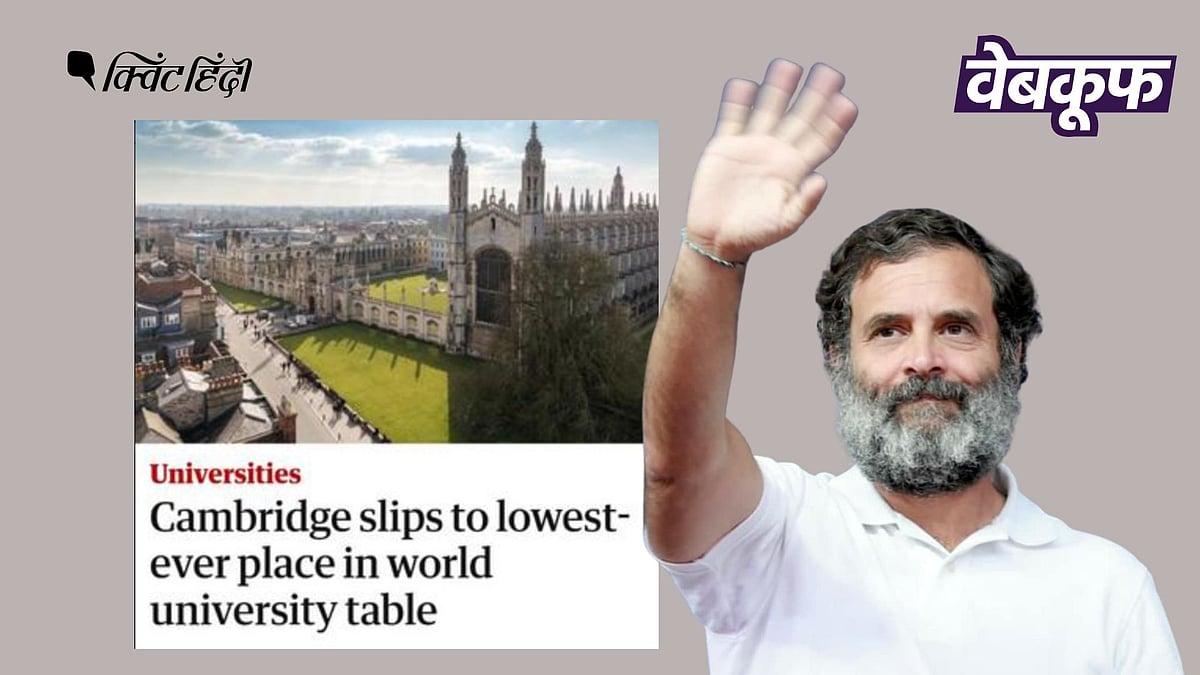
राहुल गांधी के कैंब्रिज यूनिवर्सिटी दौरे के बाद गिरी यूनिवर्सिटी की रैंक
Publisher’s rating: FALSE

La leche pasteurizada no tiene nutrientes.
Publisher’s rating: Falso
The review examines a viral post claiming that pasteurized milk has no nutrients. It says it checked information from the CDC, FDA, US Dairy, the National Institute of Food and Agriculture, the British Columbia Dairy Association and the American Academy of Pediatrics. The review’s central finding is that pasteurization heats milk to kill bacteria but does not eliminate its nutritional value: “el proceso de pasteurización (en el que se eliminan a través del calor las bacterias y se hace más segura para el consumo) no cambia su valor nutricional.” The evidence described includes the CDC’s statement that most nutritional benefits of milk remain available in pasteurized milk, and FDA-reported studies finding minimal nutritional impact. The review says the FDA’s findings show that calcium concentrations are the same in raw and pasteurized milk and that their protein quality does not differ. It also notes a qualification: pasteurization has little effect on vitamin levels generally, except vitamin C, which the review says milk supplies only insignificantly. The review distinguishes nutritional content from food-safety risk. It reports that pasteurization is used to eliminate bacteria, and cites health authorities’ warnings that raw milk can carry dangerous microorganisms. Thus, the claim is contradicted by the cited nutritional evidence; the review’s comparison also gives important safety context rather than suggesting raw milk is a safer or nutritionally superior alternative.
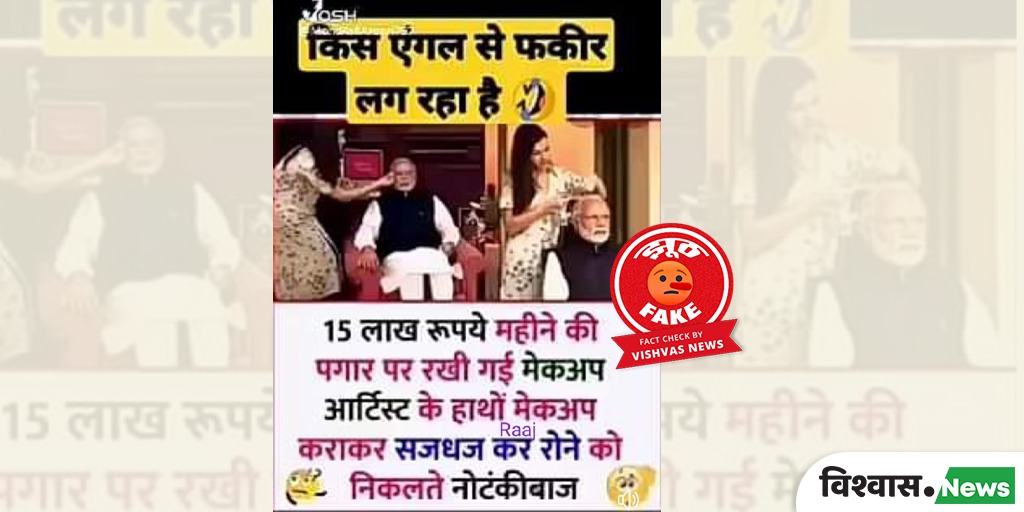
15 लाख रुपये के महीने पर प्रधानमंत्री नरेंद्र मोदी के लिए रखे गए हैं मेकअप आर्टिस्ट।
Publisher’s rating: FALSE

EctoLife is producing 30,000 lab-grown artificial babies every year
Publisher’s rating: FALSE
FACTLY examined a viral video said to show EctoLife producing 30,000 lab-grown babies every year. Its investigation found that the video depicts a proposed artificial-womb concept, not an operating facility. The review identifies Hashem Al Ghaili, a Berlin-based science communicator and biotechnologist, as the person who introduced the concept and says he confirmed that the depicted technology does not yet exist. The article reports that the concept was introduced in December 2022 and that Al Ghaili described EctoLife as a facility that could grow around 30,000 babies. That figure was therefore presented as a hypothetical capacity, not evidence that babies were already being produced at that rate. FACTLY also reports that Al Ghaili shared the same video on his YouTube channel and that he told USA Today the technology depicted does not exist and EctoLife is not a real company. The review distinguishes the concept video from research into artificial wombs. It mentions a 2017 experiment in which researchers at the Children’s Hospital of Philadelphia kept a pre-viable lamb fetus alive for four weeks in an amniotic sac designed to imitate the womb. The article says that such research does not establish the existence of a facility growing human babies outside the womb as shown in the viral video. Its conclusion is that the video is a depiction of a concept, not evidence that EctoLife is producing 30,000 babies annually.

Beim Brand des Rathauses der ukrainischen Stadt Odessa starben im Jahr 2014 rund 250 Menschen. Der ukrainische Abgeordnete Oleksii Goncharenko hat die Anordnung zur Brandstiftung gegeben.
Publisher’s rating: Bei dem Brand starben 42 Menschen. Es gibt keine Hinweise darauf, dass das Feuer geplant war.
The post described in the original review makes two allegations about the same 2014 Odessa fire: that about 250 people died and that Ukrainian MP Oleksii Goncharenko ordered the blaze. The review says the event was not a fire at Odessa’s city hall. On 2 May 2014, amid clashes between pro-Russian and pro-Kyiv demonstrators, a fire broke out in the Trade Union building at Kulikowo Pole Square. The review reports 42 deaths in the building fire, and distinguishes these from six people killed earlier in the clashes. To assess what happened, the review compares accounts and findings attributed to the UN, the Council of Europe and a scholarly article in the journal Geopolitics. It describes the UN account as documenting violence by both sides, inadequate police performance and an ineffective, one-sided investigation. UN mission members observed demonstrators throwing stones and Molotov cocktails, while the fire service arrived 45 minutes after the first emergency call. The review says the investigations into the fire produced no results and neither side was charged. The review also reports that the Council of Europe described how the fire started. Forensic examinations found five points of origin; except for the lobby fire, the other fires could only have been started by people inside the building. The account attributes the rapid spread to closed doors and a chimney effect in the stairwell. It says investigators found no indication that the fire had been planned. This evidence addresses the post’s arson allegation, but does not identify Goncharenko as having ordered the fire.


Un responsable du WEF admet que les villes de 15 minutes emprisonneront l'humanité dans des confinements permanents.
Publisher’s rating: C’est faux. Le Forum économique mondial a démenti auprès de la dpa avoir jamais tenu de tels propos. Le concept de ville des 15 minutes, ou ville du quart d’heure, est en effet poussé à certains endroits, dont Cleveland. Mais il ne prévoit pas de restreindre la liberté de mouvement des habitants. Il s’agit d’un plan d’urbanisme qui vise à leur permettre d’accéder à toutes les commodités en restant proche de chez eux, afin de limiter les trajets en voiture.

WEF-medewerker geeft toe dat de 15-minutenstad een permanente lockdown betekent.
Publisher’s rating: De beweringen zijn fout. Het WEF heeft niet gezegd dat de 15-minutenstad voor een permanente lockdown moet zorgen. In Oxford heeft het nieuwe verkeerscirculatieplan er evenmin een verband mee. De burgemeester van Cleveland wil van zijn stad een 15-minutenstad maken, maar dat is geen beperking van persoonlijke vrijheden.

Kemal Kılıçdaroğlu’nun Meral Akşener’e çiçek verdiği fotoğrafın güncel olduğu iddiası
Publisher’s rating: Yanlış
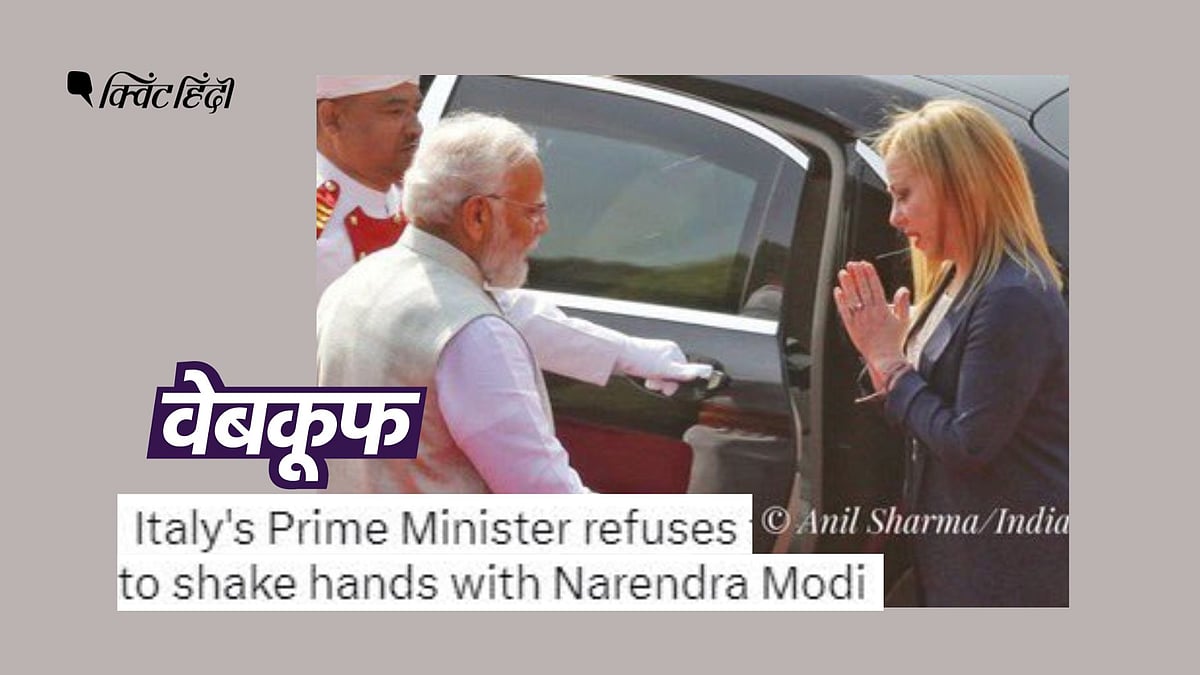
इटली की पीएम ने पीएम नरेंद्र मोदी से हाथ मिलाने से किया इनकार
Publisher’s rating: FALSE

Kılıçdaroğlu’nun adaylık konuşmasından önce Berat Kandili için saygı duruşu yapıldığı iddiası
Publisher’s rating: Yanlış
نواب صفوی در سال ۱۳۳۰ به دلیل حمله به یک مدرسه دخترانه در ساری با دستور مصدق بازداشت شد.
Publisher’s rating: نیمهدرست
Where the data comes from
Fact checks come from Data Commons and link to the organizations that published them.
What you’ll find
Each result links to the original fact check. Open it to read the publisher’s findings, with summaries and supporting sources where available.
Report an error
To report an error, send the page URL and supporting evidence.