PeakMetrics / Fact Checks
Has this been
fact-checked?
Paste a claim or upload an image to find existing fact checks. See what fact-checkers found and read the evidence before you share.
Search fact checks ↓API & integrations ↗Browse by topic
Explore fact checks by subject.
Search fact checks
Search by text or imageLatest fact checks
98,252 published reviews
GroenLinks wil geen geld meer in de zorg van zeventigplussers steken en geriaters inschakelen om ze te overtuigen geen zorg meer aan te nemen.
Publisher’s rating: De gedeelde foto schetst een verkeerd beeld van een al ouder voorstel van GroenLinks-Kamerlid Corinne Ellemeet. Zij wil standaard een geriater betrekken bij de keuze van behandeling voor oudere patiënten. Het voorstel is er niet op gericht om ouderen van nodige zorg te doen afzien.
The review examines a Facebook claim that GroenLinks MP Corinne Ellemeet wanted to deny people over 70 expensive medical treatment and involve a geriatrician to persuade them to refuse care. It identifies the allegation as a distorted account of a proposal Ellemeet had made in February 2019, rather than a policy to stop older people receiving treatment. The proposal was to routinely involve geriatricians in deciding what care is appropriate for older patients. [S1: “Verlies je het recht op een dure medische behandeling na je zeventigste? Daarvoor zou GroenLinks-Kamerlid Corinne Ellemeet pleiten”] [S1: “Ellemeet wil standaard geriaters betrekken bij het kiezen van de juiste zorg voor oudere patiënten.”] The review explains that Ellemeet’s stated rationale was potential health benefit: operations can be burdensome for older people and may not always benefit a patient. A geriatrician, as a specialist, could help assess treatment options. The review says the proposal was intended to secure the best care, not to persuade patients to refuse necessary treatment. [S1: “Operaties kunnen voor ouderen erg belastend zijn. Een operatie is dus niet altijd in het voordeel van de patiënt.”] [S1: “Daarin stelt ze dat haar voorstel bedoeld is om de beste zorg voor oudere patiënten te verzekeren.”] The account also notes that the final decision would remain with the patient and that it was not clear whether the measure would save money or cost money. Those qualifications matter because the claim frames the proposal as a plan to cut spending and withhold care, whereas the review describes a proposal about involving a specialist in treatment decisions. [S1: “Ook benadrukt ze dat de eindbeslissing altijd bij de patiënt zelf ligt”] [S1: “aangezien het nog niet duidelijk is of deze maatregel geld zou kosten dan wel opleveren.”]

Deze Friese melkveeboer moest verplicht sluiten.
Publisher’s rating: De tweet die online rondgaat is niet van een Friese melkveeboer. De eigenlijke boer van wie het bericht komt, heeft ingetekend op een vrijwillige opkoopregeling, en heeft een allusie op gedwongen sluiting uit zijn bericht verwijderd.
The review examined a viral tweet presenting a Frisian dairy farmer as having to stop operating because his farm was a nitrogen-emissions “peak polluter.” It distinguishes the person who posted the tweet from the farmer whose Facebook post was being circulated: the Twitter account belonged to Peterdutch63, who said he had taken the story from Telegram rather than describing his own experience. The review also found that the Facebook post had been edited, so its wording did not match the version spreading on Twitter. The edit mattered because the word “mochten” (“were allowed to”) was removed from the farmer’s sentence about not continuing. The review says that change made the suggestion of a forced closure stronger in the circulating version. But, according to a spokesperson for the Province of Fryslân contacted by dpa, the farmer had chosen a voluntary buyout scheme; he had not been compelled to sell. The spokesperson also said no forced sale based on nitrogen emissions was taking place in Fryslân or elsewhere in the Netherlands. The review further reports that the province had no list of peak polluters and that the definition of a peak polluter was not yet clear. It therefore concludes that the farmer was not required to stop operating because he was classified as a peak polluter. The review allows that the farmer may have been unable to continue for financial or regulatory reasons, but says the evidence did not establish that he was forced to close for the reason asserted in the viral tweet.

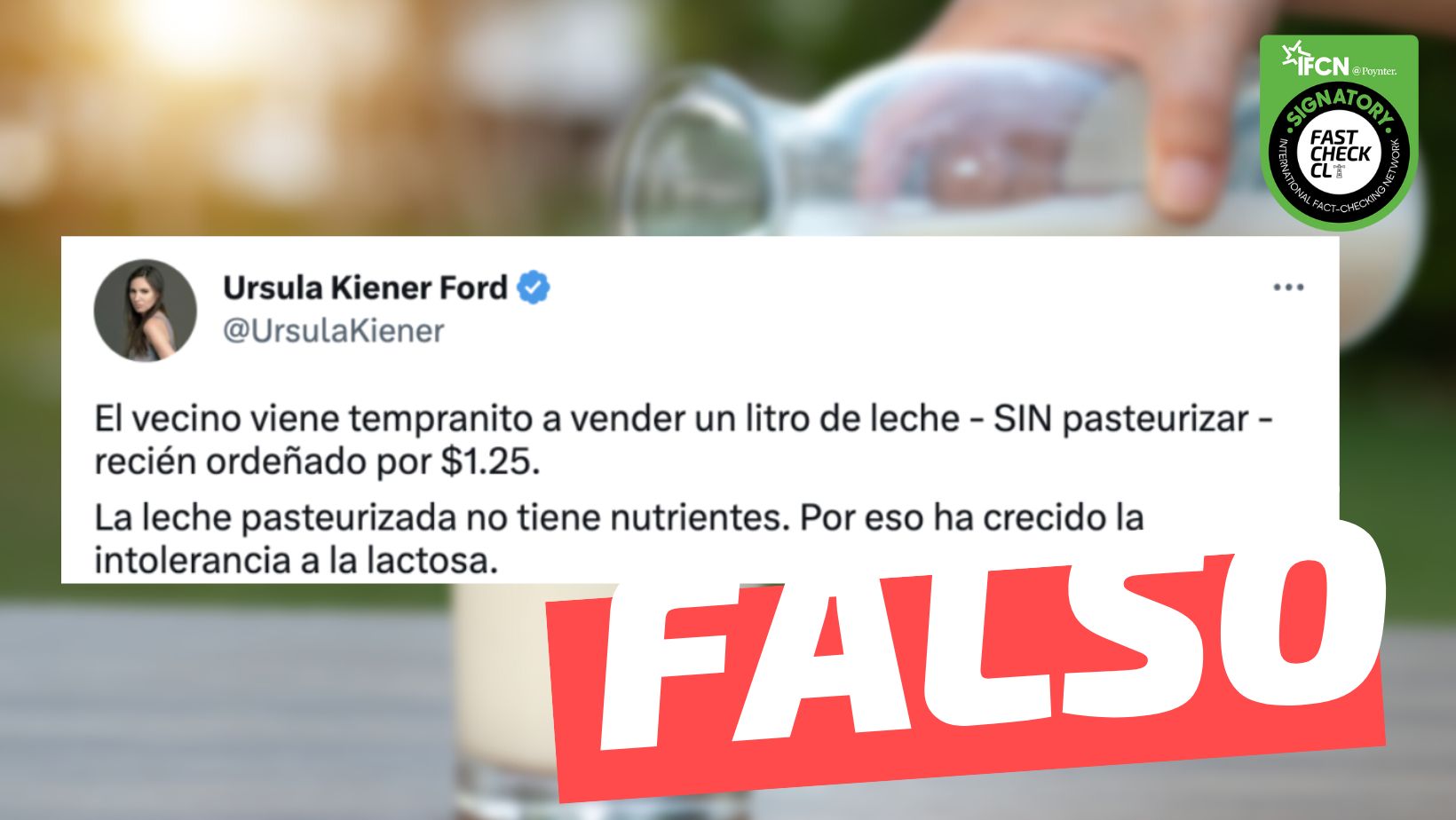
“La leche pasteurizada no tiene nutrientes. Por eso ha crecido la intolerancia a la lactosa”
Publisher’s rating: Falso
ইসরাইলের কারাগারে ফিলিস্তিনের বন্দীদের উপর ভয়াবহ নির্যাতনের চিত্র
Publisher’s rating: False
В Украине оскорбляют ветеранов тем, что переписывают историю и сносят памятники
Publisher’s rating: Фейк. Журналистка использовала в сюжете фрагмент из видео восьмилетней давности.

तमिलनाडु के त्रिपुरा में बिहारी मजदूरों को भगा भगाकर उनपर हमला किया जा रहा है।
Publisher’s rating: False
तमिलनाडु में बिहारी मजदूरों को भगा भगाकर हत्या की जा रही है।
Publisher’s rating: False
தெலுங்கானா துலபள்ளியில் ஹரீஸ் என்ற இளைஞர் இஸ்லாமிய பெண்ணை திருமணம் செய்து விட்டு மதம் மாற மறுத்ததால் பெண் வீட்டாரால் கொல்லப்பட்டார்.
Publisher’s rating: Misleading

Bij een vliegtuigcrash zijn milieuexperts omgekomen die de milieuschade na het treinongeluk in Ohio zouden onderzoeken.
Publisher’s rating: Nee, de inzittenden van het verongelukte vliegtuig waren onderweg naar Bedford - ook in Ohio - om een explosie in een metaalfabriek te onderzoeken. Het team werkte voor milieuadviesbureau CTEH, maar had niets te maken met de treinramp in East Palestine.

Video de cura criticando a Dina Boluarte y otros políticos peruanos
Publisher’s rating: Falso
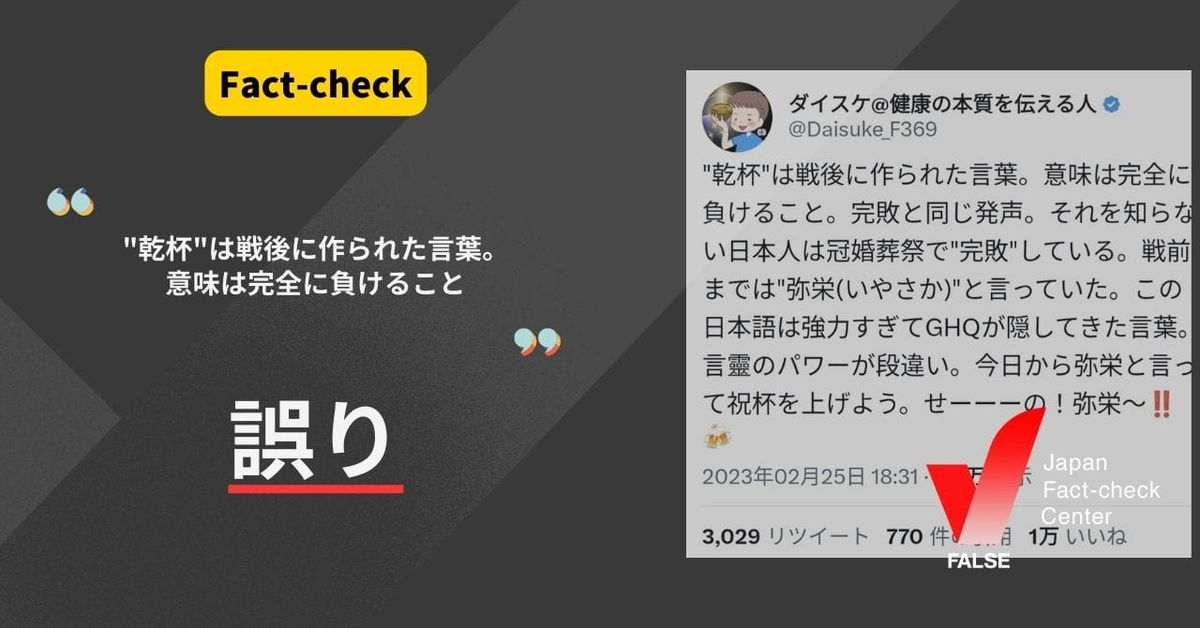
"乾杯"は戦後に作られた言葉?完全に負けるという意味?
Publisher’s rating: 誤り
The review found prewar examples of 「乾杯」, including a 1909 publication and a work by Kenji Miyazawa. It found no record of 「弥栄」 being used in place of 「乾杯」, and concluded that the claim was false.

வடநாட்டவர் கடும் உழைப்பாளிகள் தமிழர்கள் உழைக்காமல் இலவசங்களை எதிர்பார்த்து கையேந்தி நிற்கின்ற அவலமான காலகட்டத்தில் தமிழகத்திற்கான உழைப்புத் தேவையை நிறைவேற்றுபவர்கள் வடநாட்டவர்தான். அவர்களுக்கு வாக்குரிமை அளித்து அவர்களை இங்கேயே நிரந்தரமாக குடியேற்ற வழி செய்யவேண்டும். ஐ- வானதி சீனிவாசன், பாஜக எம்.எல்.ஏனியர்.
Publisher’s rating: Fake
Премьер-министр Эстонии потребовала установить контроль над Москвой и изменить менталитет русских
Publisher’s rating: Искажение информации. Цитата премьер-министра Эстонии Каи Каллас была искажена

SIM-SWAP වංචාව පිළිබඳව පැතිරෙන නොමගයවන සුලු සමාජ ජාලා සටහන් !
Publisher’s rating: Misleading
Where the data comes from
Fact checks come from Data Commons and link to the organizations that published them.
What you’ll find
Each result links to the original fact check. Open it to read the publisher’s findings, with summaries and supporting sources where available.
Report an error
To report an error, send the page URL and supporting evidence.