PeakMetrics / Fact Checks
Has this been
fact-checked?
Paste a claim or upload an image to find existing fact checks. See what fact-checkers found and read the evidence before you share.
Search fact checks ↓API & integrations ↗Browse by topic
Explore fact checks by subject.
Search fact checks
Search by text or imageLatest fact checks
98,223 published reviews2 കോടി രൂപ നോട്ട് മാലയിൽ തീർത്ത കല്യാണ മണ്ഡപം
Publisher’s rating: MISLEADING

News report claiming that an Indian doctor has developed a remedy for joint pain
Publisher’s rating: FALSE

Fotoğrafın Malezya’da aynı anda oluşan 32 şimşeği gösterdiği iddiası
Publisher’s rating: Yanlış
Video shows Tamil lorry driver being attacked in Karnataka during the protest held over Cauvery water dispute
Publisher’s rating: Misleading
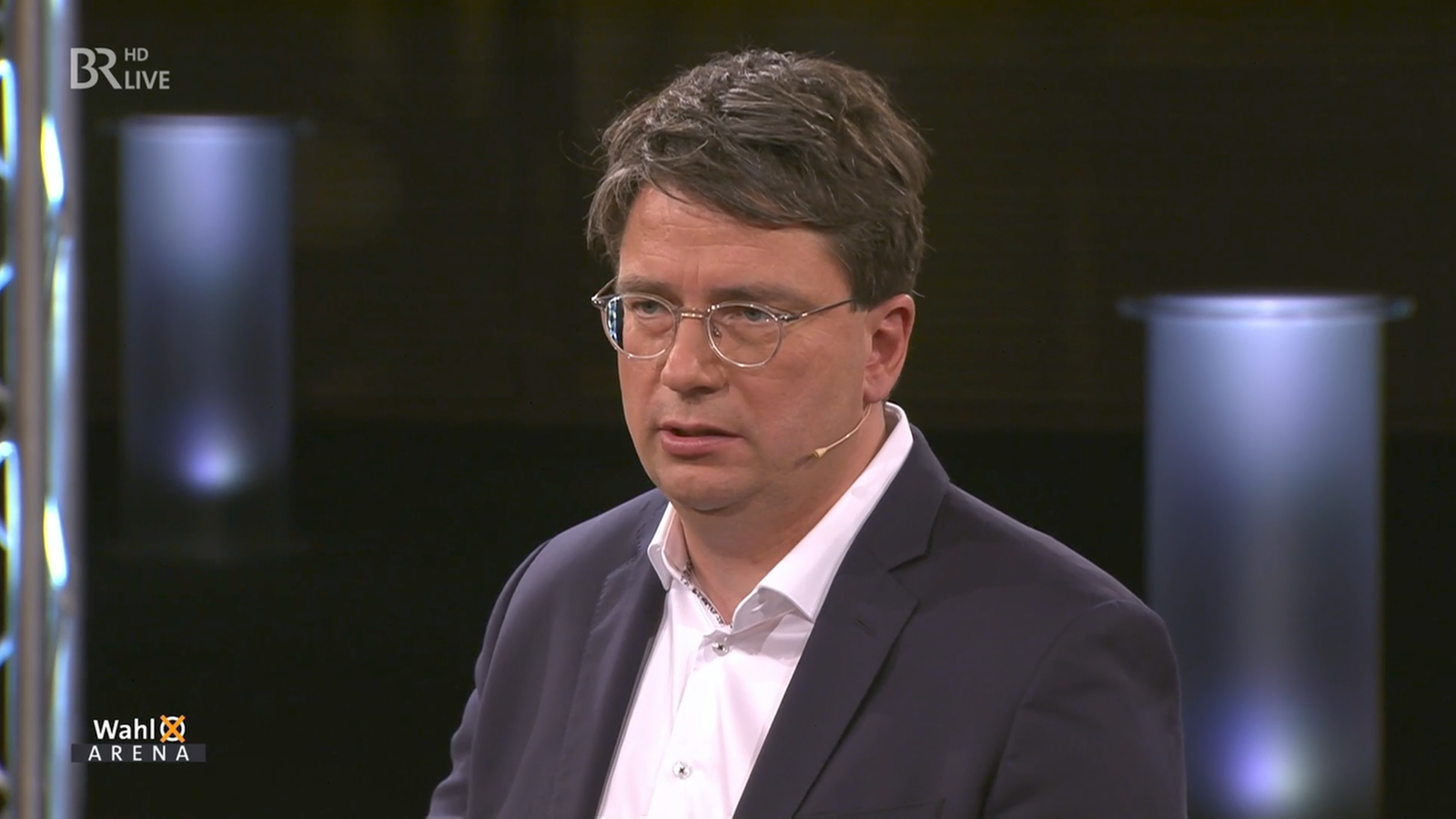
"Ich weiß, die Inflation ist da, aber die zwei letzten Rentenerhöhungen waren die allerhöchsten Rentenerhöhungen der letzten 20 Jahre."
Publisher’s rating: Teilweise richtig. Florian von Brunns Aussage stimmt für Westdeutschland, dort sind die zwei zurückliegenden Rentenanpassungen tatsächlich die höchsten seit 20 Jahren. In Ostdeutschland wurden die Renten allerdings am stärksten 2022 und 2016 erhöht. Die diesjährige Anpassung liegt dort an dritter Stelle.
The claim was made by Florian von Brunn of the SPD during the BR24 Wahlarena on 27 September 2023. The review checks whether the two most recent German pension adjustments were the largest in the preceding 20 years. Its comparison is split between western and eastern Germany, following the German Pension Insurance’s separate regional statistics; the review says a spokesperson identified wage and salary developments as the main factor in pension adjustments. For western Germany, the review finds that both recent increases were the largest in the period it examined: pensions rose 5.35% in 2022 and 4.39% in 2023. The 2016 increase was close, at 4.25%, but did not exceed either recent adjustment. Thus, the claim’s description fits the western figures. The eastern figures do not support the full claim. The review reports increases of 6.12% in 2022 and 5.86% in 2023, but the 2016 increase was 5.95%—higher than the 2023 adjustment. The 2023 increase therefore was not the second-highest of the period in eastern Germany; it ranked third. The regional distinction is decisive: the statement fits the two latest adjustments in the west, but not in the east.
В Западной Беларуси детям запрещали учиться
Publisher’s rating: Это фейк. Согласно данным малого статистического сборника 1939 года, в Белостокском, Новогрудском и Полесском воеводствах, на землях которые впоследствии отошли БССР, уровень охвата школьным образованием составлял около 80%.
আইটিএলএফ-এ মণিপুৰত আফিং ফুলৰ এখন বিক্ৰী মেলা আয়োজনৰ প্ৰেছ বিজ্ঞপ্তি জাৰি কৰিছে।
Publisher’s rating: মিছা

ప్రధాని మోదీ, AIMIM అధ్యక్షుడు అసదుద్దీన్ ఒవైసీ కలిసి చర్చిస్తున్న ఫోటో
Publisher’s rating: FALSE

כבר עשר שנים כולנו עושים את התפילה הזאת (בכיכר דיזנגוף)
Publisher’s rating: לא נכון ברובו
The claim concerns the gender-separated Yom Kippur prayer at Dizengoff Square in Tel Aviv. Amichai Eliyahu said it had been taking place there for ten years and was not happening for the first time that year. The review examined whether that specific prayer at that location had such a long history. It reports that the administrative court’s ruling said the city first approved Yom Kippur prayers at the square in 2020, following the COVID-19 outbreak, and allowed them in later years as well. The review also describes checking the history through the organizers’ social-media posts and contacting the Jewish Head organization, which it says confirmed that the prayers began during the pandemic. A December 2020 post described the event as beginning in socially distanced “capsules.” The review cites later posts about the square’s prayers in 2021 and 2022. That evidence supports a history of several years, not the ten years asserted. The review distinguishes the prayer’s history from the reason the 2023 event became contentious. It reports that the city had amended its public-space procedure in 2018 to prohibit physical gender separation, but that earlier event permits had not explicitly included that restriction. For the 2023 permit, the city added a clarification barring physical separation after it said the lack of clarification had led to problems and partitions at prayer events. Thus, the fact that prayers had occurred in prior years does not establish that the same arrangement had been in place for a decade or that the city’s permit conditions were unchanged.
Video is being shared with the claim that this is from the raid conducted at the house of BJP leader Shekhar Aggarwal in Indore, Madhya Pradesh.
Publisher’s rating: False

A newspaper clipping reporting Ramesh Bidhuri’s statements against residents of Delhi from UP & Bihar
Publisher’s rating: FALSE

Uncle’s policeman congratulating dear sister on passing of ‘Women’s Reservation Bill’ in Madhya Pradesh
Publisher’s rating: False
திருவண்ணாமலை மத்திய மாவட்ட கழகச் செயலாளராக முன்னாள் போளூர் சட்டமன்ற உறுப்பினர் திருமதி.எல். ஜெயசுதா அவர்கள் நியமனம் ! இதன்மூலம் தமிழக அரசியல் வரலாற்றில் முதல் பெண் மாவட்டச் செயலாளரை நியமித்த பெருமை புரட்சித்தலைவர் எம்.ஜி.ஆர் நிறுவிய கழகமாம் அஇஅதிமுக வசம் வந்துள்ளது.
Publisher’s rating: False
Армения никогда не участвовала в учениях ОДКБ
Publisher’s rating: Это фейк. В действительности Армения участвовала в учениях ОДКБ почти ежегодно.

"[Indigenous people] had been counted in every federal census since 1901"
Publisher’s rating: Yes, but more to it
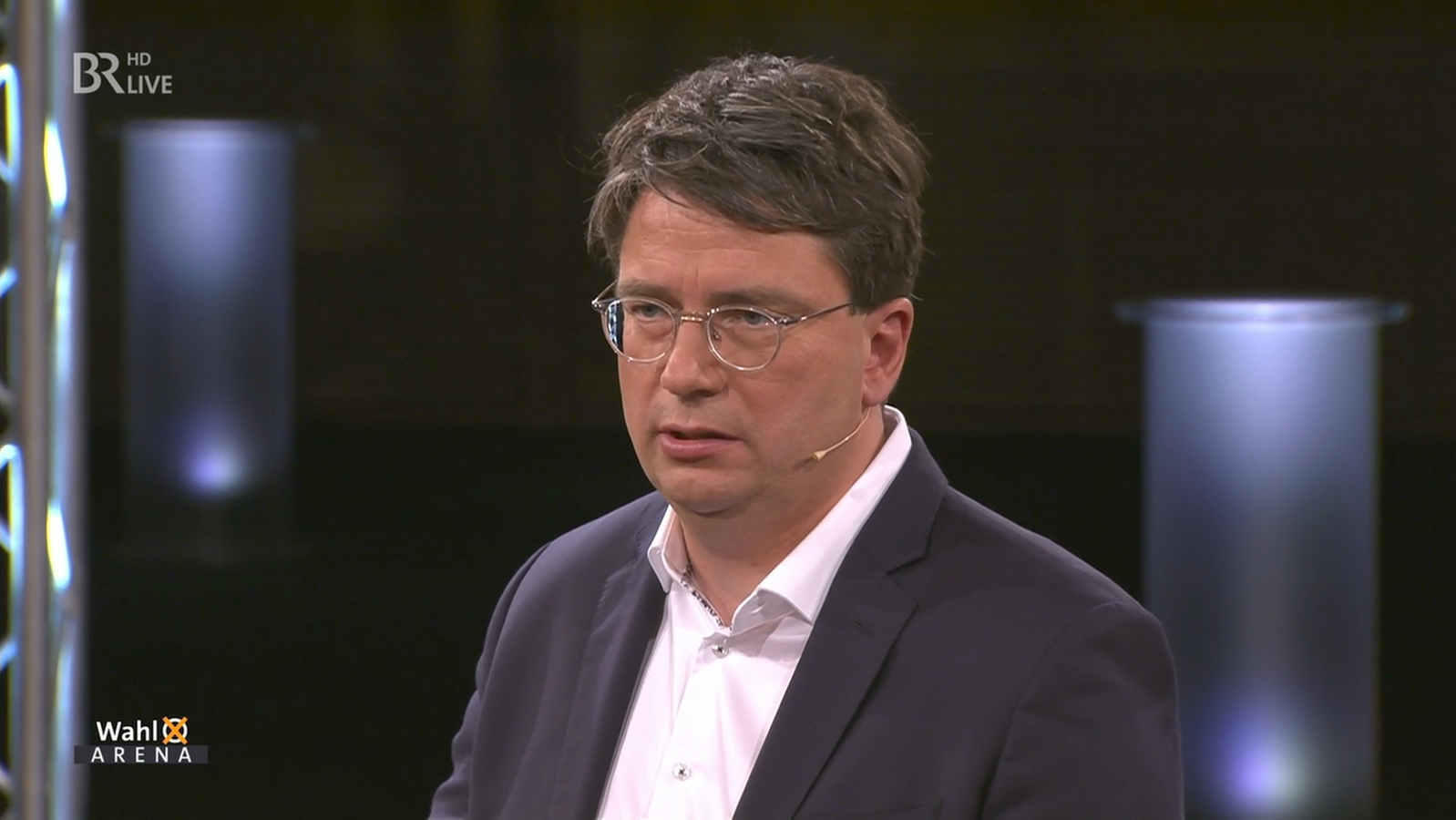
"Weil wir im Moment einfach eine ungerechte Situation haben, dass Kinder aus Akademikerfamilien, wo die Eltern auch Geld haben, bessere Chancen haben. Das ist durch viele Statistiken bewiesen."
Publisher’s rating: Richtig. Die Aussage von Florian von Brunn, dass der Bildungserfolg von Kindern in Deutschland auch vom Elternhaus abhängt, stimmt.
The fact-check concerns a statement by Florian von Brunn of the SPD during the BR24 Wahlarena on 27 September 2023. He argued that children from academic families with money have better chances, and said this was demonstrated by statistics. In context, a viewer had asked about school performance and discussion of reducing performance requirements. Von Brunn said he supported some competition and performance demands, then raised unequal educational opportunities. The review examines evidence about both school pathways and later study. It describes the transition from primary to secondary school as important for young people’s futures and reports that research finds school placement is related not only to academic performance but also to social background. It also cites analyses indicating that, even with the same reading ability and cognitive skills, children from less-educated families have a lower chance of being recommended for a Gymnasium than children from more-educated families. The review adds evidence about higher education: a study by the German Centre for Higher Education Research and Science Studies found that children from academic households study at university three times as often as children whose parents had not attended a university or college. Together, these findings address the claim’s central point that educational outcomes are associated with family background. The excerpt does not separately quantify the effect of family income, so its evidence most directly supports the broader link between parental education or social origin and children’s educational opportunities.
Where the data comes from
Fact checks come from Data Commons and link to the organizations that published them.
What you’ll find
Each result links to the original fact check. Open it to read the publisher’s findings, with summaries and supporting sources where available.
Report an error
To report an error, send the page URL and supporting evidence.