PeakMetrics / Fact Checks
Has this been
fact-checked?
Paste a claim or upload an image to find existing fact checks. See what fact-checkers found and read the evidence before you share.
Search fact checks ↓API & integrations ↗Browse by topic
Explore fact checks by subject.
Search fact checks
Search by text or imageLatest fact checks
98,223 published reviews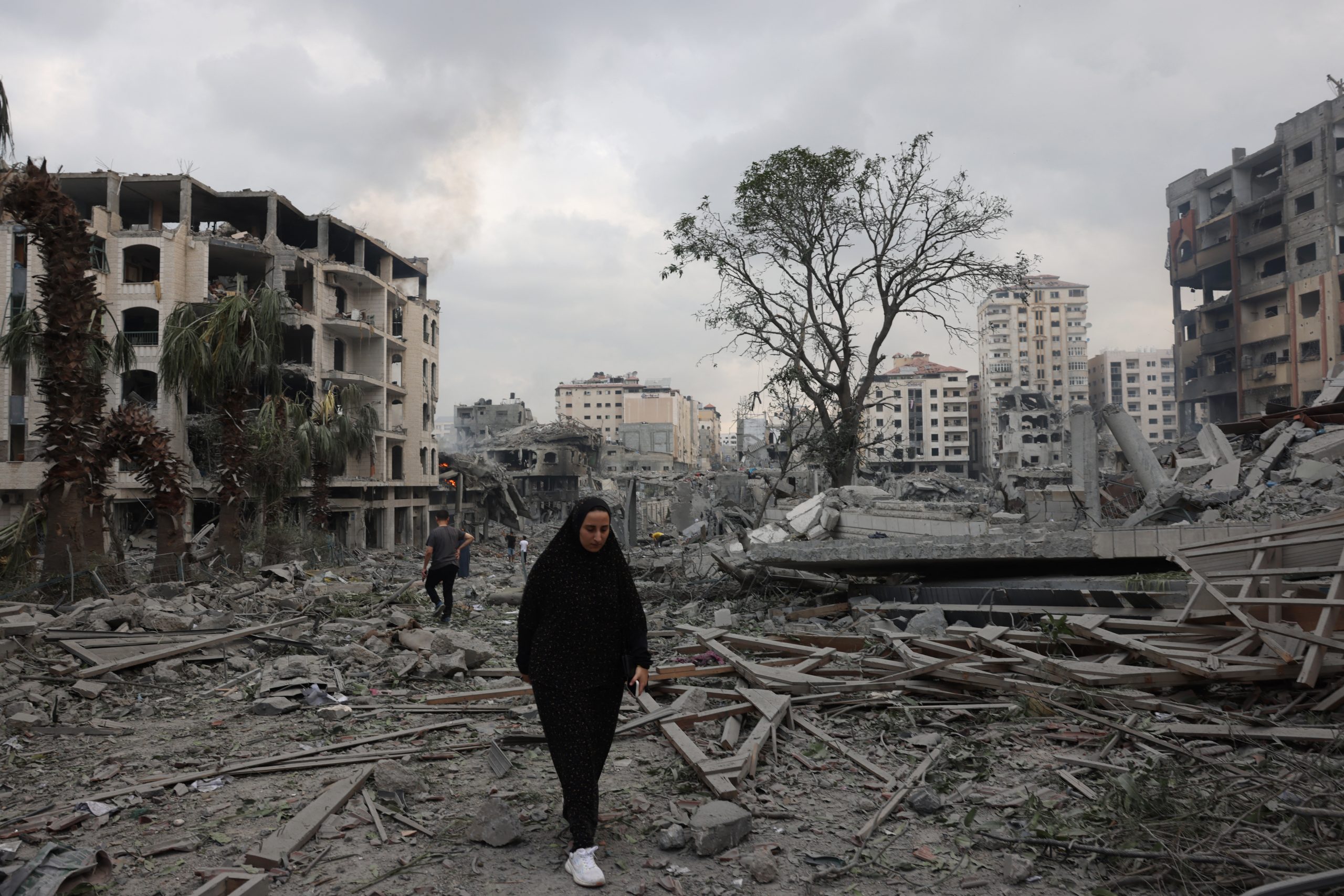
Auf Aufnahmen aus dem iranischen Parlament skandieren Politiker „Tod für Israel“ sowie „Tod den USA“. Dies ist eine Reaktion während des eskalierenden Konflikt zwischen Israel und der radikalen Palästinenserorganisation Hamas.
Publisher’s rating: Die Videos haben nichts mit der aktuellen Situation in Nahost zu tun. Es handelt sich um zwei alte Aufnahmen. Eine wurde im Jahr 2020 nach dem Tod des iranischen Offiziers Qassem Soleimani aufgenommen, eine andere im Mai 2023.
ویدئوی کشتهشدن دختر دانشآموز فلسطینی به دست سرباز اسرائیلی
Publisher’s rating: نادرست
Putin and Lavrov have declared that they would openly support Palestine if the U.S. supports Israel in the ongoing conflict.
Publisher’s rating: False
धनिया पत्ता खाने से शरीर में युरिक एसिड कम हो जाता है
Publisher’s rating: Missing Context
URGENTE LIDER DO GRUPO HAMAS DIZ QUE VAI EXTERMINAR TODOS DO MUNDO INTEIRO, QUE AGORA SERA A LEI DELES
Publisher’s rating: Falso
Clip proves isreal and hamas are staging fake events with crisis actors
Publisher’s rating: False
Bruce Willis’ wife shared a final update about his dementia
Publisher’s rating: False

අධිවේගී මාර්ගවල අංක තහඩු හොරු සම්බන්ධ සිදුවීමේ ඇත්ත නැත්ත!
Publisher’s rating: False
A picture on Rishi Sunak’s X account had been edited to insert him into a group of teenagers to promote his proposed ban on smoking
Publisher’s rating: Evaluation: False The photo is unedited and was taken when the Prime Minister visited a college in Cornwall in February 2023.

نشرت الصفحة الرسمية لدار الإفتاء المصرية وقناة العربية مصر، صورة من قافلة المساعدات التي أرسلتها الحكومة المصرية لقطاع غزة.
Publisher’s rating: خبر كاذب - لا يزال التحالف الوطني يجهز قافلة لإغاثة أهل غزة


Este video de una multitud ondeando banderas israelíes frente al Muro de los Lamentos, mientras al fondo se ve un incendio, muestra cómo “Israel se pone a adorar a Dios en medio de bombardeos” de Hamas.
Publisher’s rating: Falso / Fuera de contexto
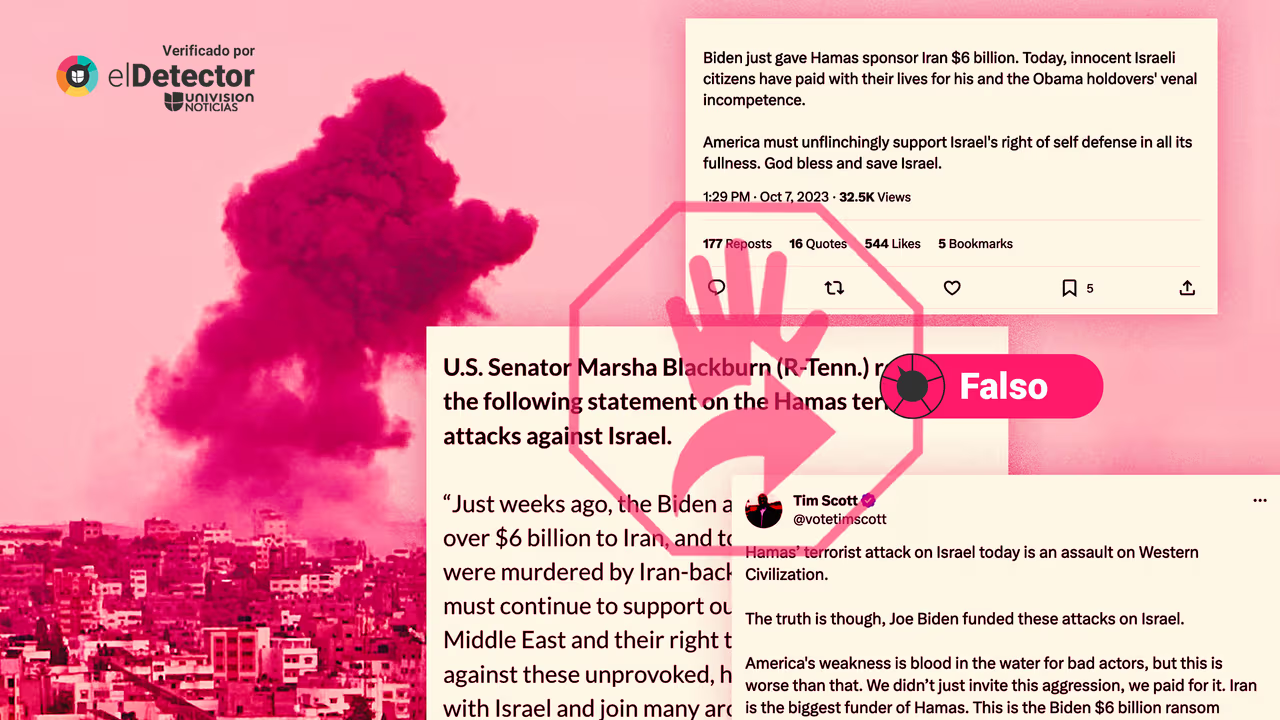
Los 6,000 millones de dólares iraníes liberados por Estados Unidos, tras el acuerdo de intercambio de prisioneros con ese país efectuado el pasado septiembre, salieron de los impuestos de los estadounidenses y sirvieron para financiar el reciente ataque de Hamas contra Israel.
Publisher’s rating: Falso
The claim joined two allegations about the $6 billion in Iranian funds made available following a September 2023 prisoner exchange: that the money came from U.S. taxpayers and that it financed Hamas’s October 7 attack on Israel. The review examines both allegations, which were publicly advanced by prominent Republicans, and concludes that neither is supported by the evidence it presents. On the source of the funds, Secretary of State Antony Blinken said they were Iranian assets accumulated through oil sales and frozen in a South Korean bank—not U.S. taxpayer money. The review also reports that the funds were transferred from Switzerland to Qatar, which acted as an intermediary in the negotiations. U.S. officials said the money could be used only for humanitarian purchases, including food and medicine. On whether the money financed the attack, Blinken, National Security Council spokesperson Adrienne Watson, and State Department spokesperson Matthew Miller said none of it had been spent by the time of their statements. The review also cites former Israeli national security adviser Eyal Hulata and a source close to Hamas, both of whom described preparations for the operation as having taken place over an extended period. It reports that the U.S. released the funds in mid-September, while the attack occurred on October 7. The review’s evidence therefore disputes both the claim that U.S. taxpayers supplied the money and the assertion that it funded the attack; it does not present evidence that the restricted funds were spent on Hamas.
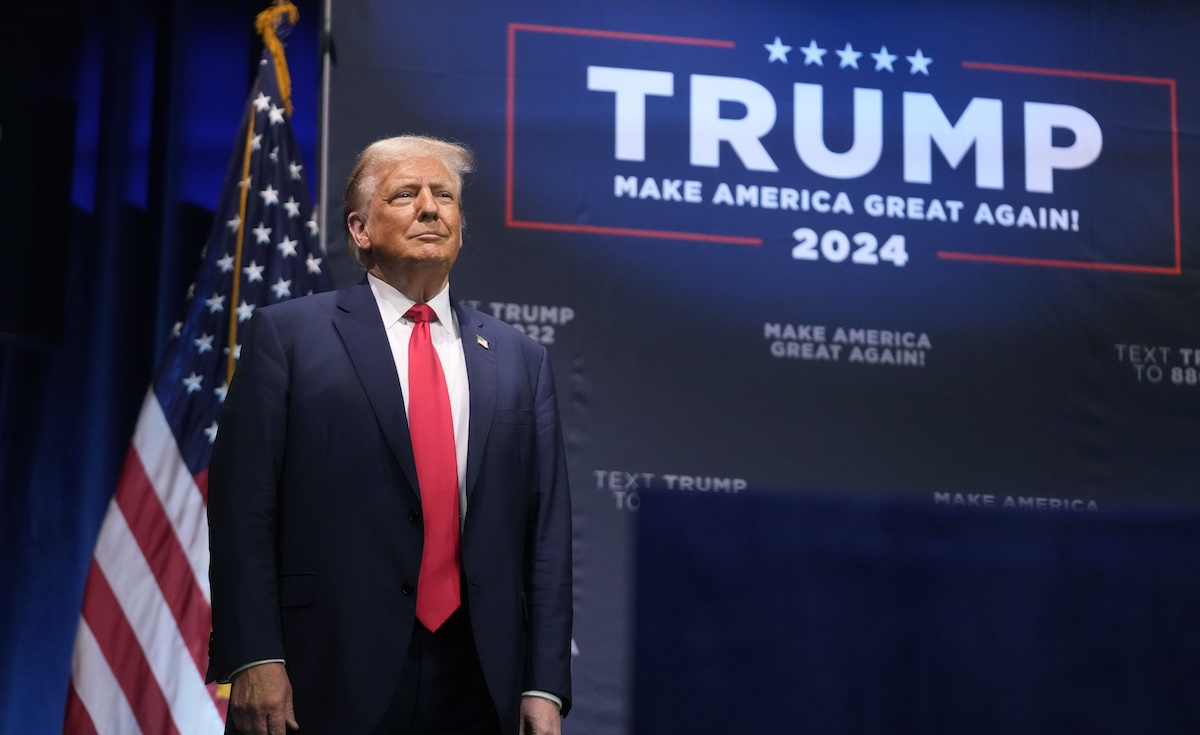
"Under my leadership, we had no inflation."
Publisher’s rating: This needs context.
"We did 561 miles of wall and we had another 200 that we ordered."
Publisher’s rating: Over counted
"Under my administration, we reduced drug overdose deaths in New Hampshire by 19% … under Biden they are up over 15%"
Publisher’s rating: Lacks context
Where the data comes from
Fact checks come from Data Commons and link to the organizations that published them.
What you’ll find
Each result links to the original fact check. Open it to read the publisher’s findings, with summaries and supporting sources where available.
Report an error
To report an error, send the page URL and supporting evidence.