PeakMetrics / Fact Checks
Has this been
fact-checked?
Paste a claim or upload an image to find existing fact checks. See what fact-checkers found and read the evidence before you share.
Search fact checks ↓API & integrations ↗Browse by topic
Explore fact checks by subject.
Search fact checks
Search by text or imageLatest fact checks
98,223 published reviews
Die Familie Rothschild besitzt fast jede Zentralbank der Welt.
Publisher’s rating: Wie die Österreichische Nationalbank befinden sich die meisten Zentralbanken der Welt vollumfänglich in Staatsbesitz.

Todo este video en el que se observa el lanzamiento de cohetes muestra la magnitud de la situación del conflicto entre Israel y Hamas.
Publisher’s rating: Engañoso
بالفيديو.. وصول الرئيس التونسي للحدود الفلسطينية مرورا من مصر
Publisher’s rating: الادعاء "مضلل"، إذ إن الفيديو "قديم"، ولم يزُّر الرئيس التونسي مصر منذ بداية عملية طوفان الأقصى

Arma antimissel a LASER!!! Uma coisa que Israel esta muito a frente no Oriente Medio se chama TECNOLOGIA.
Publisher’s rating: Falso


La coordinadora de la marcha pro-Boric asumió como Subsecretaria del Deporte
Publisher’s rating: Falso

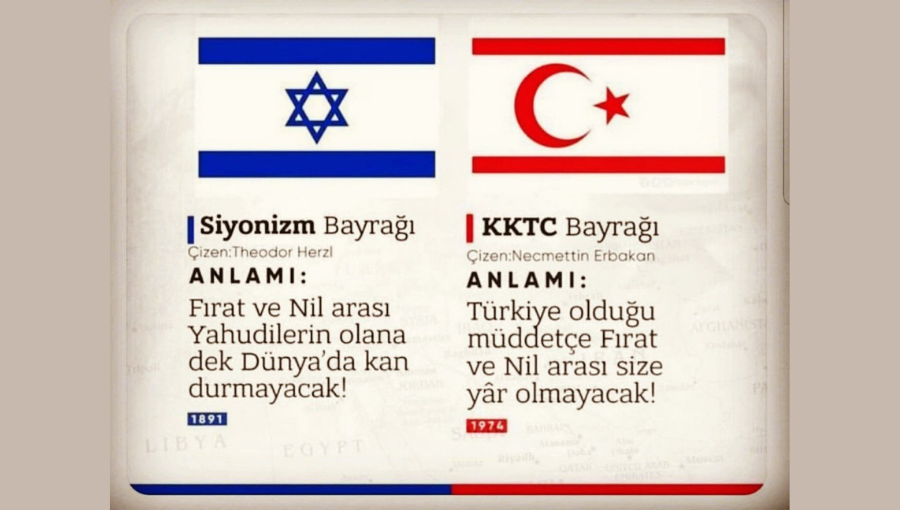
KKTC ve İsrail bayraklarına ilişkin iddiaların gerçeği yansıttığı iddiası
Publisher’s rating: Yanlış

هل ستتوقّف شركات التأمين عن تغطية البواخر التجارية القادمة الى لبنان بسبب مخاطر الحرب؟
Publisher’s rating: صحيح جزئياً
The review examined a claim that insurers would soon stop covering commercial vessels bound for Lebanon because of war risks, a claim circulated by financial adviser Michel Kozah. Its central distinction is between insurers ending coverage and insurance becoming more expensive: economist Jassem Ajaka told the outlet that insurance companies do not stop operating, but raise prices, which may lead customers to forgo insurance. The review says coverage for shipments to Lebanon was already expensive amid the prevailing conditions. To assess whether added war-related charges had been imposed, the review also cited Elie Zakhour, a senior figure in the Arab Union of Marine Chambers and former head of the International Chamber, who said port insurance had not yet increased and companies had not imposed additional war surcharges on ships arriving in Lebanon. That evidence addresses extra port charges at that point, rather than establishing that all insurance costs were unchanged. The review further reports that insurers offered a “war risk” option covering cargo damage from bombardment or military action, and that customers were increasingly requesting it. Insurers were handling coverage on a case-by-case basis while awaiting developments. Taken together, the article rejects the categorical prediction that insurers would stop covering the ships, while reporting higher insurance costs and possible knock-on pressure on fuel and goods prices.

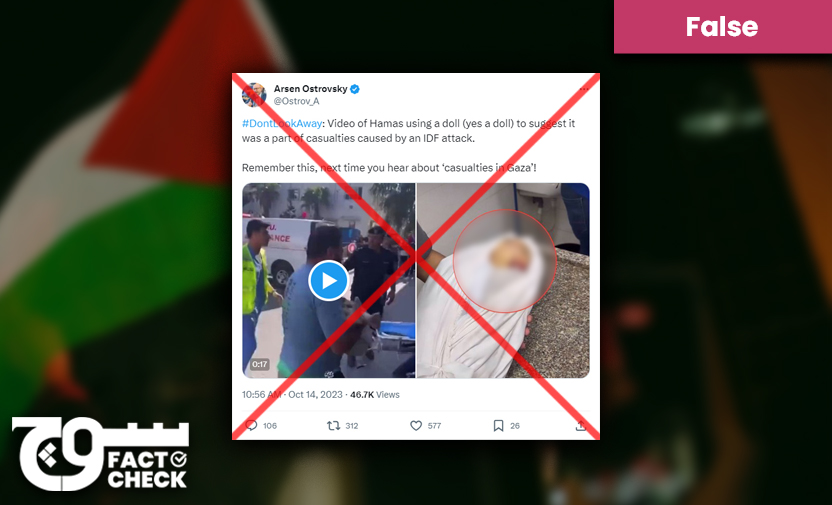
ఇజ్రాయెల్ ఉగ్రవాదులు హమాస్ దాడి చేసినట్టు ఫేక్ వీడియోను చిత్రీకరిస్తున్నారు.
Publisher’s rating: MISLEADING

جماعة الحوثي تستهدف إسرائيل بصورايخ وطائرات مسيرة من البحر الأحمر
Publisher’s rating: مضلل
The claim concerns the October 19, 2023 report that a U.S. warship intercepted missiles and drones launched by the Houthis in the Red Sea, with Israel suggested as their intended target. The review says the Pentagon spokesperson, Patrick Ryder, stated that the target could not be determined with certainty, while noting that Israel was a possibility. The investigation’s conclusion was that the weapons were not aimed at Israel or the U.S. warship: it identified the target as Yemeni government forces in the Fifth Military Region, on Midi Island in northwestern Yemen. (S1) To support that account, the review cites two military sources who spoke to Al-Masdar Online. It also reports that Houthi forces issued no statement about the incident, and notes that the attack coincided with a visit by Yemeni army chief of staff Saghir bin Aziz to the region. The review cites photographs and posts by bin Aziz showing him with senior army officers on the day of the incident and during subsequent meetings and inspection visits there. (S1) The review also cites military expert Ali al-Dhahab, who described the attack as directed internally and timed with bin Aziz’s visit, and analyst Mohammed Abdullah al-Kumaim, who said the target was the army chief and military leaders on Yemeni islands in the northern Red Sea. These sources support the review’s account of a local military target, rather than an attack directed at Israel. The excerpt does not provide independent documentation of the interception itself or identify the specific source material used by the two military sources. (S1)
Because this video is from Palestine, no information was published
Publisher’s rating: False

Can chewing garlic, ginger, and turmeric cure brain stroke?
Publisher’s rating: False

Mike Tyson, Amer Abdallah ve Badou Jack’in kapısına ‘köpekler ve Müslümanlar giremez’ yazılan kafede namaz kıldığı iddiası
Publisher’s rating: Yanlış
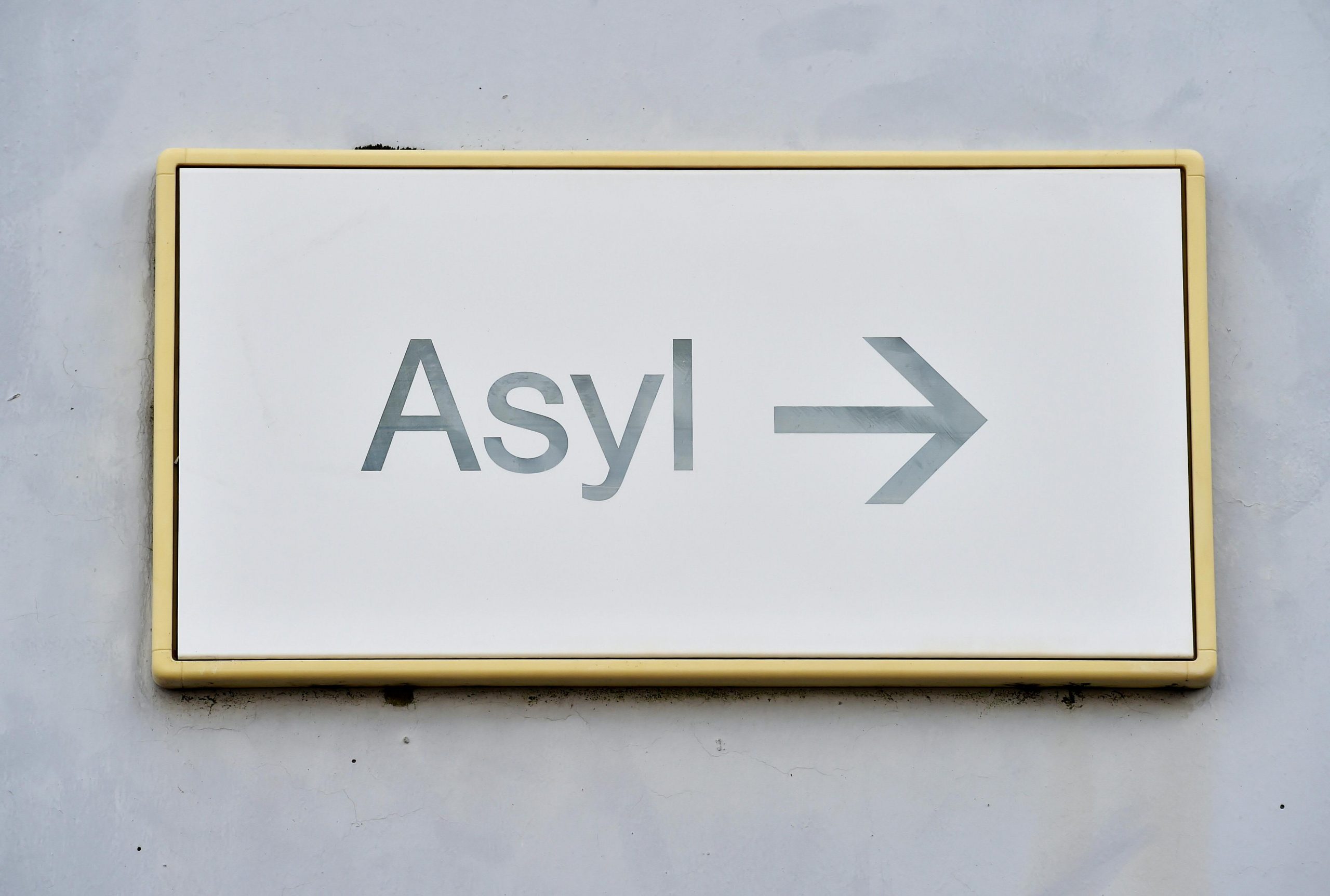
Der Auszug aus der „Verordnung über die Fürsorgepflicht“ der Weimarer Republik zeigt, dass nicht arbeitende Flüchtlinge damals nicht verpflegt oder beherbergt werden durften.
Publisher’s rating: Eine derartige Verordnung ist nicht auffindbar. Einige Unstimmigkeiten deuten darauf hin, dass es sich um eine Fälschung handelt.
The claim attributes a rule denying food or shelter to non-working refugees to an excerpt said to come from a Weimar Republic welfare ordinance. The review distinguishes that alleged wording from the historical document: it reports that an actual “Verordnung über die Fürsorgepflicht” was issued on 13 February 1924, but says the quoted prohibition does not appear in it. The reviewer therefore finds that the real ordinance does not verify the claim. The alleged excerpt refers to paragraph 19, and the review confirms that the genuine ordinance did have a paragraph numbered 19. But its subject is different: it permits assistance to people capable of working to be provided through suitable public-benefit work, or made conditional on doing such work, with exceptions for obvious hardship or contrary law. That provision does not say that refugees who do not work must be denied food or accommodation. The review also checks a possible reference to the Weimar Constitution. It says that the constitution has no paragraphs, that article 19 concerns court jurisdiction, and that the word “refugees” does not occur in its text. It reports that the “RFV” reference in the claim may mean that constitution, but finds no matching passage there either. The evidence presented thus supports the conclusion that the circulating excerpt’s asserted rule is not substantiated by either document; the review characterizes the alleged ordinance as not locatable and likely fabricated.
Инвесторы обвиняют Украину в выделении слишком большого количества земли под кладбища
Publisher’s rating: Это фейк. Михалков цитировал сатирический телеграм-канал «Империя очень зла», который публикует придуманные новости.

Netanyahu’nun oğlunun otelde çekilen fotoğrafının güncel olduğu iddiası
Publisher’s rating: Yanlış
The claim concerned a photo presented as showing Yair Netanyahu relaxing at a luxury hotel in Miami while Israel was at war. Doğrula reports that it investigated the image’s location and date, rather than finding evidence that the photo documented a current trip. The review says its examination of Yair Netanyahu’s Instagram account found no image indicating a Miami visit, and that it found no relevant news report about such a visit. Those checks do not by themselves establish where the photo was taken; the review then describes tracing the image’s earlier provenance.
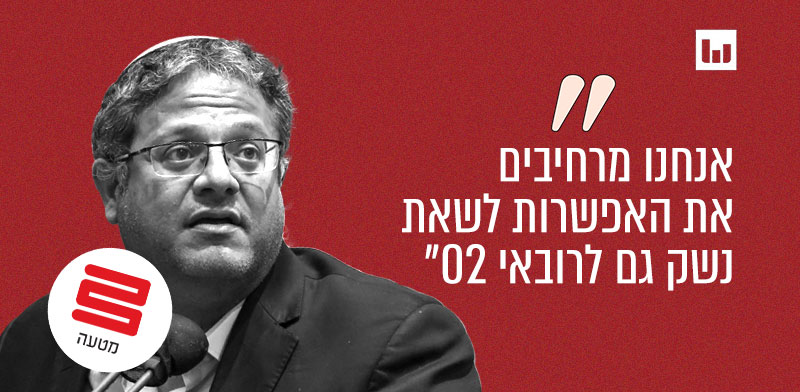
В здания госорганов пускают только в Беларуси
Publisher’s rating: Это фейк. Например, в здание Капитолия может посетить любой желающий.
Where the data comes from
Fact checks come from Data Commons and link to the organizations that published them.
What you’ll find
Each result links to the original fact check. Open it to read the publisher’s findings, with summaries and supporting sources where available.
Report an error
To report an error, send the page URL and supporting evidence.