PeakMetrics / Fact Checks
Has this been
fact-checked?
Paste a claim or upload an image to find existing fact checks. See what fact-checkers found and read the evidence before you share.
Search fact checks ↓API & integrations ↗Browse by topic
Explore fact checks by subject.
Search fact checks
Search by text or imageLatest fact checks
98,211 published reviews
Biden negeerde tijdens een staatsbezoek aan Ierland en Noord-Ierland de Britse premier Rishi Sunak.
Publisher’s rating: Onwaar
België is het op twee na meest onveilige land in Europa om ’s nachts alleen op straat rond te lopen.
Publisher’s rating: Onwaar
Deze Franse tv-reportage liegt over de temperaturen op Corsica.
Publisher’s rating: Onwaar
De kleuren van de intersekse progress pridevlag hebben een link met pedofilie.
Publisher’s rating: Onwaar
Het archief van het Spaanse ministerie van Volksgezondheid is afgebrand.
Publisher’s rating: Onwaar
Deze video toont een recente pro-Palestijnse massamanifestatie in Chicago.
Publisher’s rating: Onwaar
Deze kaart toont alle schepen die offshore op laden en lossen van goederen wachten voor de haven van Shanghai
Publisher’s rating: Eerder onwaar
Dit is een brand in een van de grootste Europese chemiefabrieken.
Publisher’s rating: Onwaar

Leukemie is een zinvol biologisch speciaalprogramma is om jou te helpen. Circulerende leukoblasten zijn een teken van herstel van het beenmerg.
Publisher’s rating: Onwaar

Het Wereld Economisch Forum wil bestialiteit legaliseren, en Spanje heeft daartoe al wetgeving aangenomen.
Publisher’s rating: Onwaar
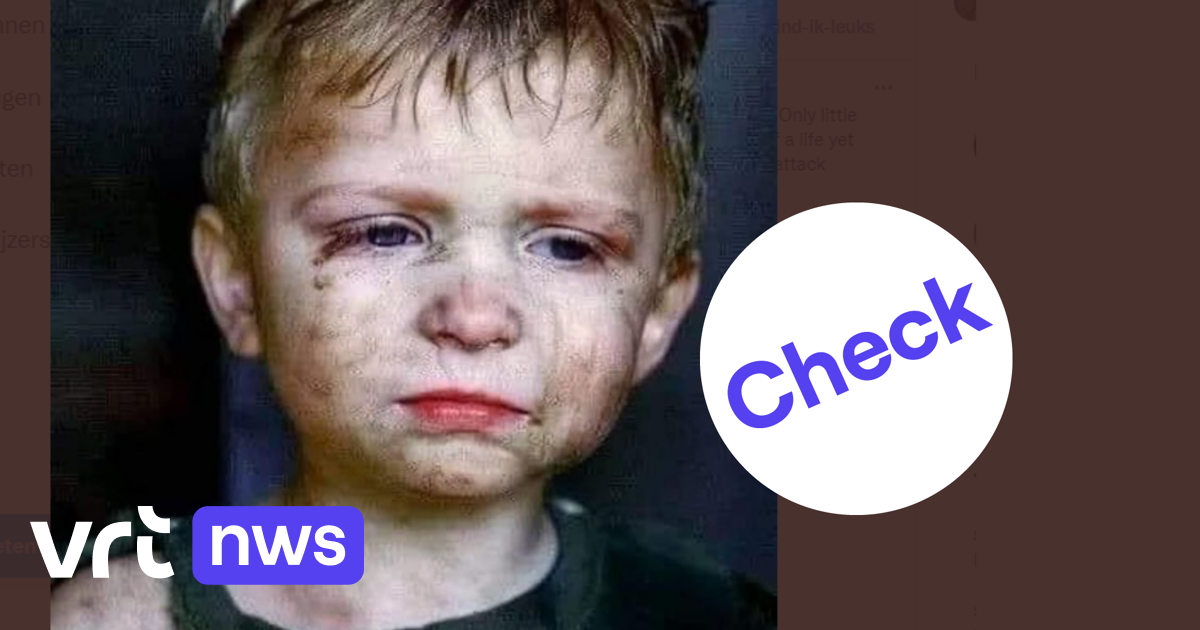
Het jongetje op deze foto werd slachtoffer van een Russisch bombardement.
Publisher’s rating: Onwaar
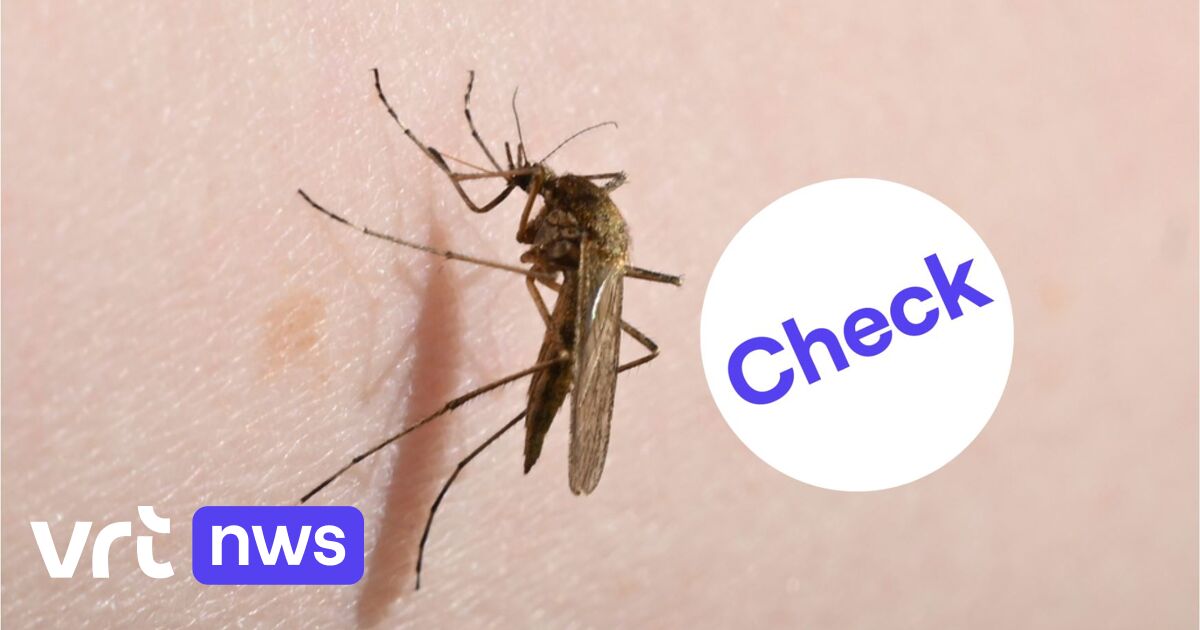
Warm water helpt tegen de jeuk van een muggenbeet.
Publisher’s rating: Eerder waar
The review assesses several popular TikTok remedies for mosquito-bite itch, including applying heat. It reports that infectious-disease specialist Steven Van Den Broucke of the Institute of Tropical Medicine considers heat capable of easing the itch, but says this is not for the reason given in the video. The review describes the effect as temporary: intense heat or cold can overstimulate skin nerve cells so that itch signals are not properly transmitted to the brain. Once the heat or cold stops, the itch may return. The article also explains the biological context. Entomologist Wim Van Bortel says mosquito saliva prevents blood from clotting, while Van Den Broucke explains that the body’s response to the saliva releases histamine and triggers inflammation. Heat might reduce itch signals or affect histamine and other inflammatory proteins, but the review says the possibility of longer-lasting relief has not been established by good studies. It therefore distinguishes temporary relief from evidence that heat prevents itch over the longer term. The claim is about warm water, while the review’s specific example is a warm spoon held against a bite. It concludes that heat can help temporarily, but says there is no evidence yet that this approach works in the long term. Its conclusion supports the claim as a limited, short-term possibility rather than a guarantee or a proven lasting remedy.
Where the data comes from
Fact checks come from Data Commons and link to the organizations that published them.
What you’ll find
Each result links to the original fact check. Open it to read the publisher’s findings, with summaries and supporting sources where available.
Report an error
To report an error, send the page URL and supporting evidence.