PeakMetrics / Fact Checks
Religion & belief fact checks
Explore claims publishers have checked about religion & belief. Read their original ratings and follow the evidence.
Search fact checks
Search by text or image3,371 published reviews in this topic
1,00,008 ವಜ್ರಗಳಿಂದ ಅಲಂಕರಿಸಲ್ಪಟ್ಟ ಏಕಾಂಬರನಾಥ ದೇವಾಲಯದಲ್ಲಿರುವ ಶಿವಲಿಂಗದ ದೃಶ್ಯಗಳು.
Publisher’s rating: FALSE



৩২ বছর পর কাশ্মীরে জন্মাষ্টমীর শোভাযাত্রা রাস্তায় বেরলো।
Publisher’s rating: FALSE

A TODOS OS CRISTÃOS recadinho (ameaça) do Lula. Aos padres e pastores.
Publisher’s rating: Falso

মধ্যপ্রদেশের উজ্জয়িনীতে হিন্দুরা একটি মসজিদের সামনে পাকিস্তানের বিরুদ্ধে স্লোগান দিচ্ছে।
Publisher’s rating: ALTERED

Essas mulheres são missionárias no Afeganistão. Elas foram jogadas em praça pública dentro de sacos plásticos para morrerem sufocadas por causa da palavra de Deus Elas escolheram não negar o Nome de Jesus.
Publisher’s rating: Falso
The claim says that Christian women in Afghanistan were put in plastic bags in a public square and left to suffocate because of their faith. The review examines that specific allegation and the video shared with it. It reports that it found no account of women being put in bags in Afghanistan and that the video did not depict the situation described. The review also notes that the Taliban’s return to power posed risks to several groups, including women, ethnic minorities, political opponents and religious groups; it distinguishes that broader concern from evidence for this particular story. To investigate the allegation, the publisher says it looked for reliable reporting about Taliban persecution of Christians and performed a reverse-image search on the video. It reports finding no specific, reliable accounts matching the persecution allegation, and says the search traced the footage to a protest in Colombia in May of that year—not to Afghanistan. The review identifies the performance as “Empaquetados” and describes it as a tribute to people found dead and to people who had left home to protest for their rights and did not return. The review adds that the same footage had previously been misrepresented as showing Covid-19 victims being placed in bags in Indonesia. It says fact-checking services News Mobile and AFP Thailand had debunked that version in July of that year. This history supports the review’s conclusion that the video was miscaptioned, while the review’s account does not establish that the broader risks faced by people in Afghanistan were imaginary.
Muslims in Ujjain shouted ‘Pakistan Zindabad’ slogans recently during the Muharram rally. The very next day, Hindus in the area gathered in front of the mosque with saffron flags and showed their resentment by shouting ‘Those who chanted Pakistan Zindabad need not stay here but can leave to Pakistan’. See the Hindu crowd gathered. Will they speak supporting Pakistan now?
Publisher’s rating: Fake

এজন বুদ্ধিজীৱীয়ে আপোনাক ক’ব নে যে এয়াই ইছলামৰ প্ৰকৃত ৰূপ? যদি এগৰাকী মহিলাই নিজ ইচ্ছানুসৰি পোছাক পৰিধান নকৰে, আপুনি কি তেওঁক হত্যা কৰিব? তালিবানৰ চিন্তাধাৰাত মহিলা আৰু শিশু কেতিয়াও সুৰক্ষিত নহয়। ভাৰততো, বহুতো তালিবানী মনৰ লোক আছে, তেওঁলোকক দেশৰ পৰা তৎক্ষণাৎ স্থানান্তৰ কৰা উচিত।
Publisher’s rating: FALSE

తమిళనాడులో ఇటీవల అర్చకుడు దేవుడి విగ్రహాంపై కాలు పెట్టిన ఫోటో
Publisher’s rating: MISLEADING
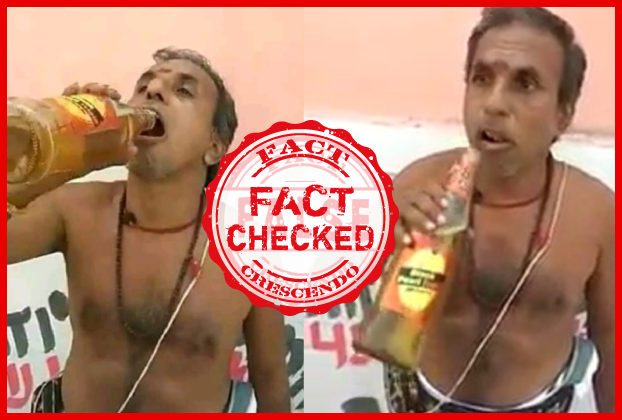
Claim: Misinformation shared that non brahmin temple priest drunk beer
Publisher’s rating: FALSE
229 christelijke missionarissen werden ter dood veroordeeld in Afghanistan.
Publisher’s rating: Dit bericht is een versie van een oude hoax die al ruim tien jaar op het internet rondgaat. Er zijn geen aanwijzingen dat er momenteel, bij de meest recente machtsovername van de Taliban in Afghanistan, christelijke missionarissen in het land ter dood zijn veroordeeld.

Claim: Different picture shared as a priest appointed by dmk govt insulted god statue
Publisher’s rating: FALSE
The devotion of Dravidian priests. Long live the temples
Publisher’s rating: Fake


বৈষ্ণো দেৱীৰ নামত ধাৰাসাৰ বৰষুণৰ এটা ভিডিঅ’ ছচিয়েল মিডিয়াত শেহতীয়াকৈ ভাইৰেল হৈ আছে।
Publisher’s rating: FALSE