PeakMetrics / Fact Checks
Politics & government fact checks
Explore claims publishers have checked about politics & government. Read their original ratings and follow the evidence.
Search fact checks
Search by text or image12,754 published reviews in this topic
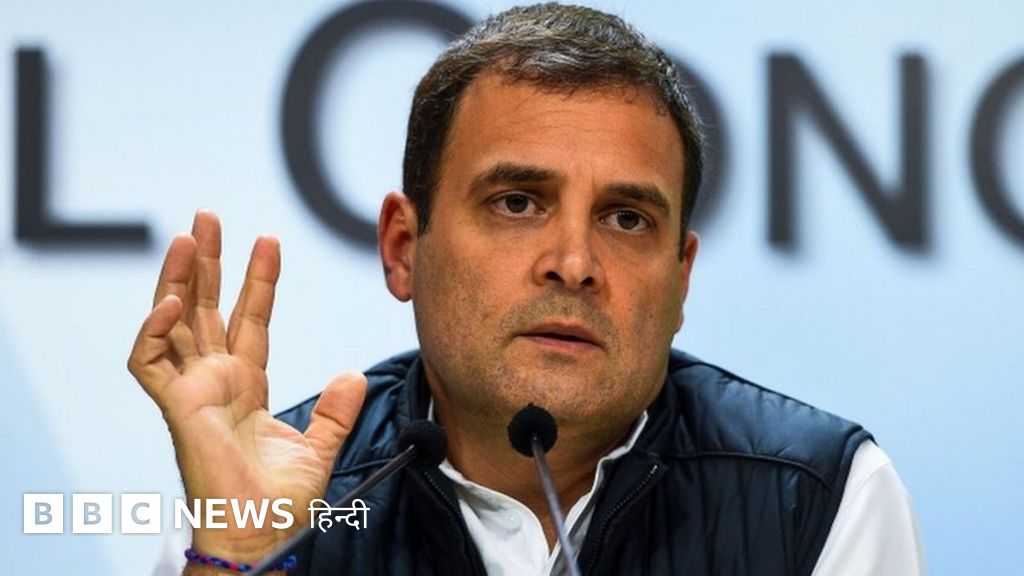

رهبری در انتصابهایش از همه گروههای سیاسی بهره میبرد.
Publisher’s rating: شاخدار
"It has been nearly a decade since Kevin Rudd's apology, yet child removal rates have increased by 400 per cent."
Publisher’s rating: Yes, but more to it

la Comisión Europea ha acusado al Gobierno de mentir al enviar en su plan presupuestario
Publisher’s rating: Falso
The claim concerned Albert Rivera’s statement during a parliamentary control session that Europe had said the government’s budget figures were wrong, that officials had lied, and that there was a €4 billion shortfall. The review examined what the European Commission had said after analyzing Spain’s 2019 draft budget. It reports that the Commission projected a public deficit of 2.1% of GDP, compared with the government’s forecast of 1.8%—a gap of three-tenths of a percentage point, or more than €3 billion. The review says the Commission also identified the possibility of another €1 billion in deficit linked to the Spanish Supreme Court’s annulment of the privatization of Aigües Ter Llobregat. These figures support a distinction central to the claim: the Commission’s analysis pointed to a potential budget shortfall, but the review says it did not accuse Spain of lying. Instead, it identified discrepancies in spending forecasts and, especially, revenue forecasts. The review therefore treats the shortfall claim as supported but the accusation of lying as false.

Fue Aznar el que descentralizó la sanidad pública a las comunidades autónomas
Publisher’s rating: Verdad a medias
The claim arose during a debate in Congress about autonomous-community powers and was made by Prime Minister Pedro Sánchez in a reply to opposition leader Pablo Casado. Sánchez attributed the decentralization of public healthcare to José María Aznar. Newtral’s review distinguishes between starting the decentralization process and completing a major later transfer of responsibilities: it says the process began under the system of autonomous communities and that general criteria for the health system and the distribution of responsibilities were established by the 1986 General Health Law, when Felipe González was prime minister. [S1] The chronology in the review shows that healthcare management had already been transferred to several communities before Aznar’s government: Catalonia received management of INSALUD in 1981, Andalusia in 1984, and other communities followed in subsequent years. The review then identifies what Aznar’s government did: in 2001, the ten communities still awaiting transfers joined the autonomous management of INSALUD. Thus, Aznar’s government was responsible for transferring healthcare powers to those ten communities, but the broader process had begun earlier. [S1] Newtral supports this distinction by referring to the Ministry of Health’s account of transfers in the public sector and to the National Health System Observatory’s account of healthcare decentralization. The review’s conclusion is therefore qualified: attributing the entire decentralization to Aznar omits the earlier start and transfers, even though his government completed transfers for the ten communities that still lacked them. [S1]

Calvo dice a Montserrat que nunca conoció sus bienes como ministra
Publisher’s rating: Verdad a medias
Carmen Calvo said during a parliamentary question session that Montserrat’s assets had never been made public while Montserrat was a minister. The review distinguishes the required disclosure of assets by senior officeholders from the separate disclosure Montserrat made as a member of Congress. It reports that the government formed under Mariano Rajoy after the 2016 elections did not publish senior officials’ asset declarations when they took office or left office, as the law required. The declarations for both the Sánchez government’s senior officials and Rajoy-era officials who had left government were published in September. But the review also notes that Montserrat had published an asset declaration as a member of Congress in 2016. So although the review supports Calvo’s point about the absence of the relevant ministerial disclosures, it says Montserrat’s assets were not wholly unknown until the later publication. That distinction is why the claim needs qualification.

Foto de Santiago Abascal besando la tumba de Franco
Publisher’s rating: Falso
The claim concerned a circulating image said to show Santiago Abascal kissing Franco’s tomb at the Valley of the Fallen. Newtral reports that the image began circulating on social media after VOX’s results in Andalusia’s regional elections, and identifies the depicted scene as false. The review points to a different image on Abascal’s Instagram, dated May 26, which it says shows him drinking water from the Nervión River. Newtral’s account therefore distinguishes the circulated claim from the image it identifies as the real photograph; the excerpt does not provide further technical details about how the comparison was performed.
உத்தரப்பிரதேசத்தின் அலகாபாத் நகரில் திருமணங்களுக்கு, சடங்குகளுக்கு தடை விதித்த யோகி ஆதித்யநாத் அரசு.
Publisher’s rating: True
मोदी भारत के पहले PM हैं, जिन्हें ब्रिटिश आर्मी ने सलामी दी.
Publisher’s rating: FALSE

La derecha europea se vanagloria de no pactar con la ultraderecha
Publisher’s rating: Engañoso

Cada jueves, todos los decretos leyes los podemos convalidar, cosa que no le ocurría al PP
Publisher’s rating: Engañoso
The claim was made by José Luis Ábalos at a PSOE event in Badalona while the government was defending its ability to win support for its initiatives. He said that the PSOE could get all its decree-laws confirmed, unlike the PP. The review’s comparison concerns the records of the two governments in taking decree-laws to Congress, not simply their ability to secure votes on a particular Thursday. The review reports that the PSOE government had brought 15 decree-laws before Congress, and all 15 had been confirmed. It also says that the PP government had brought 30: 24 were confirmed without later being processed as bills, five were confirmed and subsequently processed as bills, and only one was rejected. Thus, the PP did not have the same perfect record, but it succeeded with 29 of the 30 measures; the claim’s contrast implied a broader inability that these figures do not support. The lone rejection was the decree-law on port stevedoring workers. According to the review, it received votes in favor only from the PP and PNV, while PSOE, Podemos, Catalan parties and part of the Mixed Group voted against it, and Ciudadanos abstained. The review cites Congress of Deputies information for its figures and identifies the rejected measure as Royal Decree-Law 4/2017. The evidence therefore supports the distinction that every PSOE decree-law in the period examined passed, while the PP had one failure—not that the PP was generally unable to get its decree-laws confirmed.

"Constituents now face reality that all their personal issues will be made public" under Clean Missouri.
Publisher’s rating: Mostly False

Queremos devolver al Estado las competencias en sanidad, educación y justicia
Publisher’s rating: Engañoso
The claim refers to Santiago Abascal’s statement on Telecinco’s Ana Rosa programme, after Vox won 12 seats in Andalusia. He argued that regional statutes could be reformed to return health, education and justice powers to the state. The review’s central distinction is that those areas do not have the same constitutional status: it says health and education powers can largely be transferred, whereas the administration of justice is an exclusive state competence.

Los sondeos dicen que Ciudadanos ha sido un partido útil, así lo cree más del 70% de los andaluces
Publisher’s rating: Falso
राजस्थान में लगाए गए पाकिस्तान जिंदाबाद के नारों का है ये वीडियो.
Publisher’s rating: FALSE


राहुल गांधी ने कहा कि वो ऐसी मशीन लगवाएंगे जिसमें एक तरफ से आलू डालकर दूसरी तरफ से सोना निकाला जा सकता है.
Publisher’s rating: FALSE
இந்தியா ஒரு அடி வைத்தால், பாகிஸ்தான் இரண்டு அடி முன் வைக்கும். பாகிஸ்தான் பிரதமர் இம்ரான் கான் சர்ச்சை கருத்து.
Publisher’s rating: Misleading