PeakMetrics / Fact Checks
Politics & government fact checks
Explore claims publishers have checked about politics & government. Read their original ratings and follow the evidence.
Search fact checks
Search by text or image12,754 published reviews in this topic
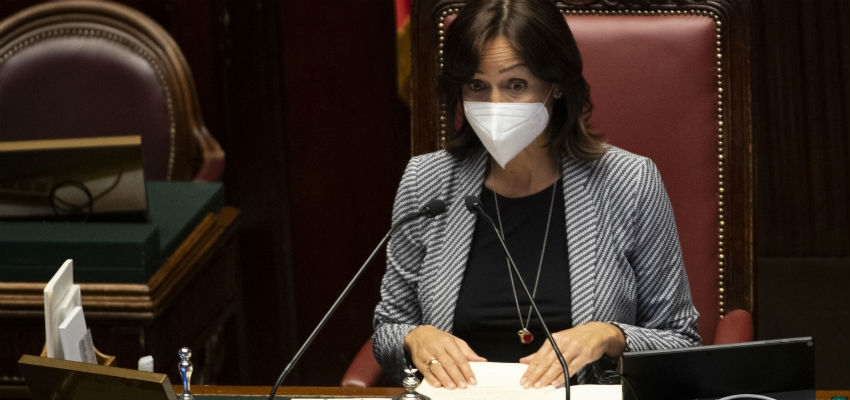
«Hanno cancellato i sindaci dal dpcm e ora non si capisce chi dovrà chiudere le strade e con quali mezzi controllare»
Publisher’s rating: Nì
The claim concerned Mara Carfagna’s 19 October statement that removing an explicit reference to mayors from the Dpcm left it unclear who could close streets or how closures would be enforced. The review confirms the reference had disappeared: the decree allowed closure after 9 p.m. of streets or squares where crowds might gather, but did not specify who would order it. It says the omission did not, by itself, leave the roles legally undefined. The review explains that the ordinary local-government law gives mayors powers to issue urgent orders in certain local public-health emergencies, and that the mayor’s role in public safety includes taking urgent measures to prevent serious dangers. It identifies the mayor as the official to decide whether to order a local closure, while distinguishing that decision from enforcement: responsibility for public order and safety rests with the prefect, who is responsible for ensuring compliance with closure orders. The provincial Committee for Public Order and Safety advises and supports the process. The account also marks an important timing qualification. On 19 October, Undersecretary Achille Variati said the decree had introduced no particular changes and described the mayor as the local health authority, supported by the committee. Anci president Antonio Decaro said mayors would identify areas through the committee and that the state would ensure enforcement through police forces coordinated by the prefect and questor. A ministry circular issued on 20 October later clarified that the relevant instrument was a mayoral order and called for collaboration between mayor and prefect. The review notes that this clarification postdated Carfagna’s statement; its conclusion rests on the legal framework and the division of responsibilities, not on treating that later circular as already available.



Kamala Harris's husband referred to her as the "next President of the United States"
Publisher’s rating: Missing context

"Joe [Biden] got $3.5 million from Russia and it came through Putin."
Publisher’s rating: No Evidence

"Joe got 3.5 million dollars from Russia."
Publisher’s rating: Lacks hard evidence
"Not since Abraham Lincoln has anybody done what I've done for the Black community."
Publisher’s rating: Historians dispute this
President Donald Trump "has a secret bank account in China."
Publisher’s rating: This is accurate
"(Biden) tried to hurt Social Security years ago."
Publisher’s rating: Distorts the record
Biden "doesn’t come from Scranton … He lived there for a short period of time before he even knew it, and he left."
Publisher’s rating: Pants on Fire

ಪ್ರಧಾನಿ ಮೋದಿಗಾಗಿ 8,600 ಕೋಟಿ ರೂಪಾಯಿ ವೆಚ್ಚದಲ್ಲಿ ನಿರ್ಮಿಸಲಾದ ವಿಮಾನದ ಒಳಗಿನ ಫೋಟೋ.
Publisher’s rating: MISLEADING

Nos enteramos de que este presidente hace negocios en China y tiene una cuenta bancaria secreta en China
Publisher’s rating: Verdad

“*Nikita Khrushchev* *disse 60 anos atrás “…* *Os filhos de seus filhos viverão sob o comunismo.* *
Publisher’s rating: Falso

ಕಾಂಗ್ರೆಸ್ ಮುಖಂಡ ದಿಗ್ವಿಜಯ್ ಸಿಂಗ್ ಅವರ ಪುತ್ರಿ ಬಿಜೆಪಿಗೆ ಸೇರಿದರು.
Publisher’s rating: FALSE

BOLSONARO DESCOBRE PLANO BILIONÁRIO DE JOÃO DÓRIA E CHINA – BRASIL FICA CH0CAD0…
Publisher’s rating: Falso

ರಾಹುಲ್ ಗಾಂಧಿ ಅವರು ಮನಮೋಹನ್ ಸಿಂಗ್ ಅವರ ಹುಟ್ಟುಹಬ್ಬದ ಕೇಕ್ ಕತ್ತರಿಸುವ ವಿಡಿಯೋ.
Publisher’s rating: FALSE