PeakMetrics / Fact Checks
Politics & government fact checks
Explore claims publishers have checked about politics & government. Read their original ratings and follow the evidence.
Search fact checks
Search by text or image12,746 published reviews in this topic

திராவிட மாடல் ஆட்சி ஈராண்டின் சாதனை இதுதான்.பிராமணர் சமுதாய சங்கங்களின் பார்வைக்கு.
Publisher’s rating: Fake

Mansur Yavaş’ın canlı yayında Öcalan için “Apo Bey” dediği iddiası
Publisher’s rating: Yanlış

Paris hat im Frühjahr 2023 Tempo 30 eingeführt.
Publisher’s rating: Auf dem Großteil der Straßen von Paris ist tatsächlich die Höchstgeschwindigkeit auf 30 km/h begrenzt. Allerdings ist diese Regel nicht neu: Die Stadtverwaltung hat das Tempo-30-Limit bereits 2021 eingeführt.
The claim concerned a new speed-limit change in Paris in spring 2023. The review says social-media users alleged that the city had introduced a 30 km/h limit around the end of April or beginning of May, sharing an Eiffel Tower image that appeared to announce the change. The investigation’s finding is that the claim gets the timing wrong: the limit already applied on most Paris streets from 30 August 2021, and the review reports no recent change. Some streets are exempt, so the measure was not universal. To establish the chronology, the review traces the circulating image to a Tagesschau post published on 30 August 2021 and cites the broadcaster’s report from that day, which said the limit applied “from today” on most streets. It also points to a Paris municipal announcement explaining the aims of the measure and to the city website’s list of exceptions. Thus, the evidence supports an existing, broadly applicable rule—not a new introduction in spring 2023.

Visuals of protest in front of Nawaz Sharif’s house in London, against the arrest of Imran khan
Publisher’s rating: FALSE
The claim concerns footage of a crowd protesting near former Pakistani prime minister Nawaz Sharif’s residence in London, said to show demonstrations against Imran Khan’s arrest. FACTLY reports that the location was correctly identified, but the footage was old: it showed a protest in April 2022, after Khan lost a parliamentary no-confidence vote and was ousted—not a protest following his arrest. The review states that the footage was “not recent” and relates to “demonstrations carried out in April 2022, when Imran Khan lost the trust vote in the Pakistan Parliament.” To check the video’s provenance, FACTLY says it searched using relevant keywords and found a Pakistani news report dated 17 April 2022 with an image resembling a frame from the viral video. That report described a protest by the UK’s Pakistani community outside Sharif’s London residence, held in support of Khan after his ouster. FACTLY also compared the viral visuals with images shared in a social-media post about that protest, saying the comparison confirmed they showed the same event. The review distinguishes that earlier footage from reports of gatherings after Khan’s arrest: it notes that police had banned gatherings outside Sharif’s London home following those later gatherings. That subsequent context does not make the older video evidence of a protest after the arrest; the key issue is that footage of the same location and a related protest was recirculated with the wrong timing and trigger.
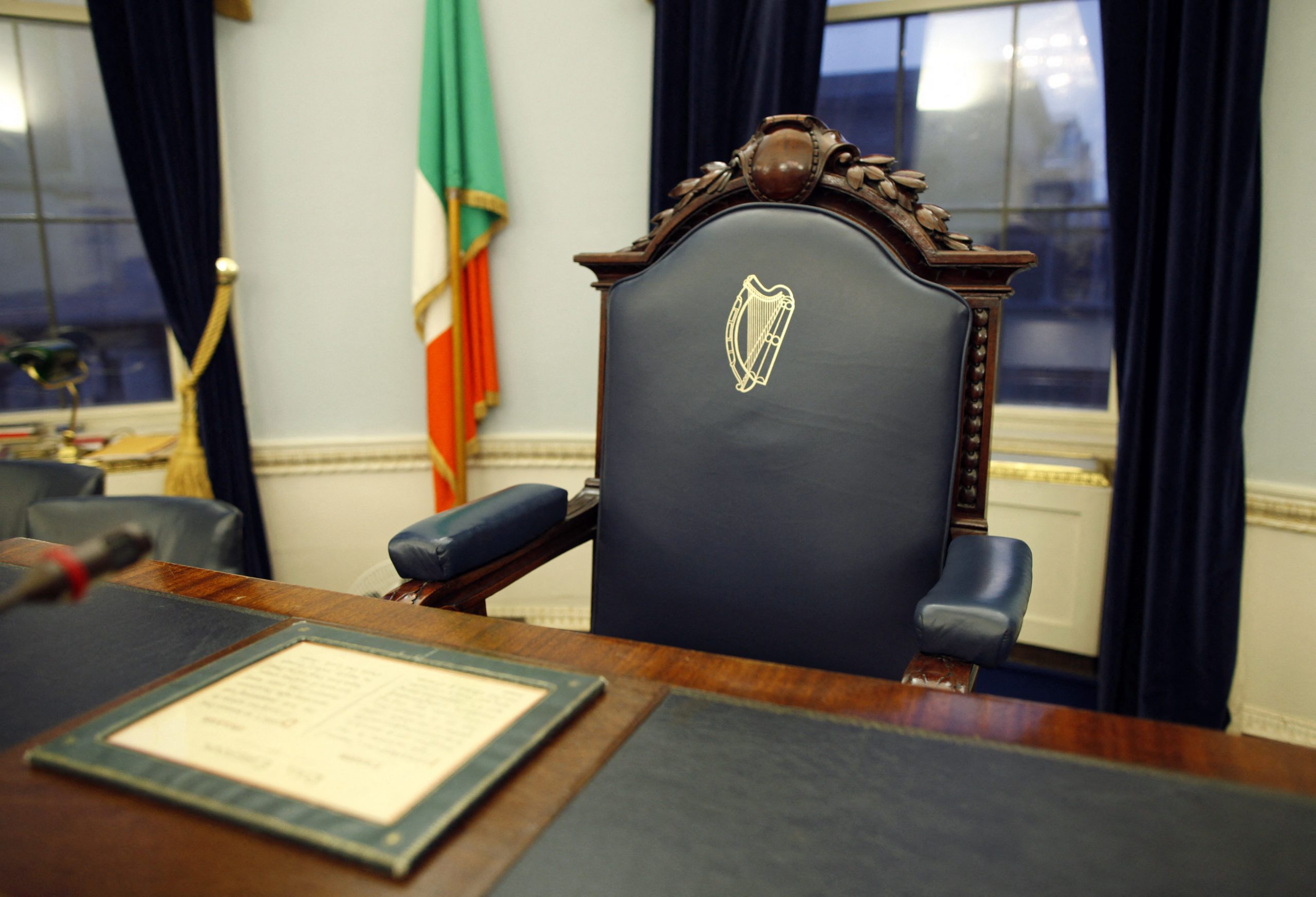
Neue Gesetzesnovelle in Irland soll Angriff auf Redefreiheit sein und Verbot am Teilen von nicht am "Mainstream" orientierten Medieninhalten umfassen
Publisher’s rating: Die Gesetzesnovelle ist in Irland tatsächlich umstritten. Während es mehrere Änderungen zwischen dem alten Gesetz und dem aktuellen Gesetzesentwurf gibt, bleibt das Teilen von „alternativen Medien“ aber weiterhin erlaubt.
The claim concerns Ireland’s proposed update to its 1989 law on incitement to hatred. The review says the proposal prompted online claims that it would attack free expression and prohibit people from sharing media outside the mainstream. Its central finding is that neither the existing law nor the draft contains a ban on reading or sharing “alternative media.” The proposal could apply to material on any platform if it incites hatred or violence, but the review says it is not designed to prohibit non-mainstream media.

Esenboğa Havalimanı’nın Melih Gökçek’in belediye başkanlığı döneminde yapıldığı iddiası
Publisher’s rating: Yanlış

Die rechtsextreme NPD wurde vom britischen Geheimdienst MI6 gegründet.
Publisher’s rating: Es gibt keine Belege für die Gründung der NPD durch den MI6 - nur ungenaue und unbelegte Angaben über eine mögliche Zusammenarbeit eines ehemaligen NPD-Vorsitzenden mit dem britischen Geheimdienst. Das Video stammt von einem bekannten Verschwörungstheoretiker aus den USA und enthält weitere Fehler und Ungenauigkeiten.
The claim concerns whether the British intelligence service MI6 founded Germany’s far-right NPD. The review says the party was founded on 28 November 1964 as a gathering point for former right-wing extremist splinter parties. It identifies Friedrich Thielen as one of the founders and the party’s first federal chairman; Adolf von Thadden became its third chairman in 1967 and served until 1971. These details distinguish the party’s founding from allegations about a later chairman’s possible intelligence connections. (The review describes the NPD as founded “als Sammelbecken für frühere rechtsextreme Kleinparteien” and names “Friedrich Thielen” as “Einer der Parteigründer”.) The review traces the MI6 allegation to reports published in the German and British press in 2002. Those reports alleged that von Thadden had worked for MI6 from 1969 to 1971—not that the service founded the NPD in 1964. The review says the reports relied mainly on unverifiable information from anonymous sources and on remarks by a Hamburg intelligence official who associated von Thadden with MI6 but did not call him an agent. It also notes that the reports offered no evidence of an MI6 role in the party’s founding. (The review states that the reports alleged von Thadden worked “von 1969 bis 1971” for MI6 and that “keine Hinweise” showed MI6 had a role “bei der Gründung der NPD im Jahr 1964”.) The review further reports that a 2013 parliamentary response by then State Secretary Klaus-Dieter Fritsche found no concrete evidence of cooperation between von Thadden and MI6, only vague indications of possible cooperation. The circulating video originated with US conspiracy theorist Alex Jones in 2003. The review identifies a separate error in the video: it says the NPD was founded in 1963, although the party was founded in 1964. Overall, the evidence described concerns uncertain allegations about a former chairman years after the party’s founding, not evidence that MI6 created the party. (The review quotes Fritsche’s response as “keine konkreten Hinweise” and says Jones’s video claimed 1963 although “die NPD 1964 und nicht - wie von Jones behauptet - 1963 gegründet worden” was.)

A video on social media shows a mass protest at Millennium Mall Karachi after Imran Khan’s arrest on 9 May 2023.
Publisher’s rating: False
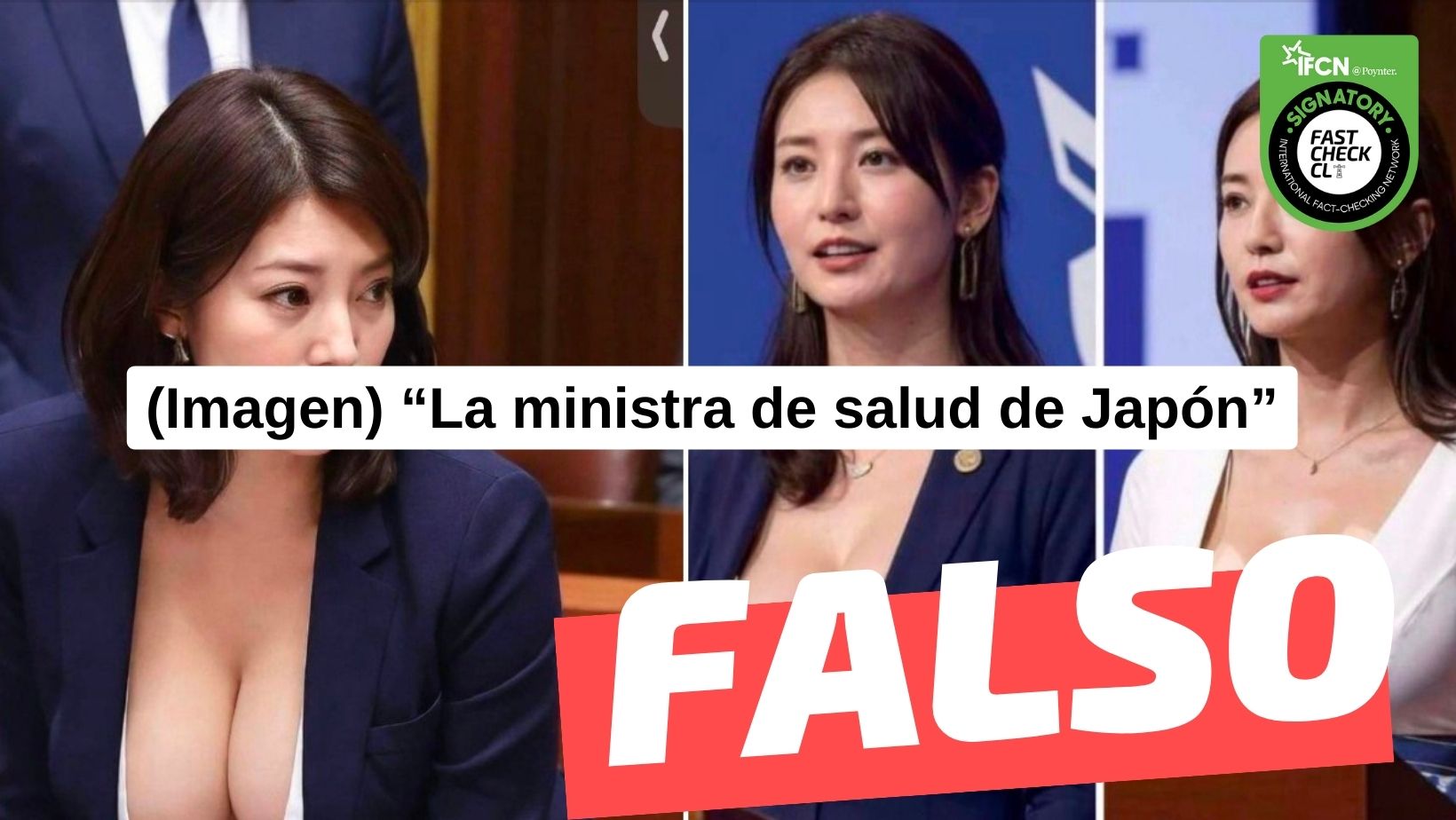
Estas imágenes muestran a la ministra de Salud de Japón.
Publisher’s rating: Falso

Classified documents "become automatically declassified when I took them" after leaving the White House.
Publisher’s rating: That's not how it works
Related reporting identifies the statement as one Donald Trump made during a CNN town hall in May 2023, while defending his decision to take documents bearing classification markings from the White House to Mar-a-Lago. The report quotes him saying, “I was there and I took what I took and it gets declassified,” followed by, “they become automatically declassified when I took them.” This matches the claim being checked. The excerpt also recounts a Justice Department official’s reported concerns about whether Trump may have declassified records, and presents arguments from Trump’s lawyer and a later court filing. But it does not supply the full records, a complete account of the legal analysis, or a definitive resolution of the specific assertion that taking documents automatically declassified them. This excerpt therefore establishes the claim’s wording and setting, but does not, by itself, provide enough evidence to determine whether the assertion is legally correct.

Former prime minister and Pakistan Tehreek-e-Insaf (PTI) chief Imran Khan has died.
Publisher’s rating: False
“Nós retomamos a construção das Casas da Mulher Brasileira, com a construção de 40 casas”
Publisher’s rating: De olho

En Alemania, a los padres que se oponen a la propaganda LGTB, les quitan a sus hijos y los entregan a ‘familias’ homosexuales
Publisher’s rating: Falso

The Washington Post’un “Erdoğan’ı devirin” ifadesini kullandığı iddiası
Publisher’s rating: Yanlış

ब्रेकिंग न्यूज़। योगीजी का मजाक उड़ाने वाले पागल गैंडे पप्पू यादव की प्रयागराज में सनातनी युवाओं द्वारा बहुत अच्छे से स्वागत किया गया।
Publisher’s rating: False
Als er mit versteckter Kamera gefilmt wurde, hat Klaus Schwab gesagt: "Wir haben sie alle in unserer Tasche, Politiker, Medien und vor allem die Experten und Wissenschaftler!"
Publisher’s rating: Der zitierte Satz fällt nicht in dem erwähnten Video. Es wurde auch nicht heimlich aufgenommen, sondern vom WEF selbst im Jahr 2007 veröffentlicht.
The claim attributes a statement about having politicians, media, experts and scientists “in our pocket” to Klaus Schwab, and presents the video as a secret recording. The review identifies the clip as a WEF video published on the organization’s YouTube account in 2007, not footage secretly recorded without Schwab’s knowledge. Schwab speaks directly to Loïc Le Meur, who is holding or standing behind the camera; the review says Le Meur interviewed Schwab for his podcast and helped set up a WEF weblog. In the video, Le Meur asks what kinds of stakeholders the WEF has. Schwab names business, politics, governments, NGOs, trade unions, media, experts, scientists and academia, describing them as audiences, partners or stakeholders. The review says the “in our pocket” wording does not appear in the roughly 16-minute video: Schwab does not say that the WEF controls those groups. The claim therefore turns a list of groups associated with the WEF into a claim of control that the cited video does not support. The review also reports that, later in the same video, Schwab says the WEF’s meetings do not set the political agenda; political institutions must do that, although the WEF can help shape it by providing insights for decision-making. That context further distinguishes his comments about the WEF’s role from the alleged boast.
Sa pagtugon sa isang tanong tungkol sa nalalapit na pagkaubos ng Malampaya gas field, sinabi ni Pangulong Ferdinand Marcos Jr. na “ang Malampaya fields, ang natural gas fields na nasa loob ng ating baselines at sa ating exclusive economic zone at iyan ulit ay kinukuwestiyon sa ilang mga kaso, ilang mga lugar, ng China."
Publisher’s rating: Hindi tumpak
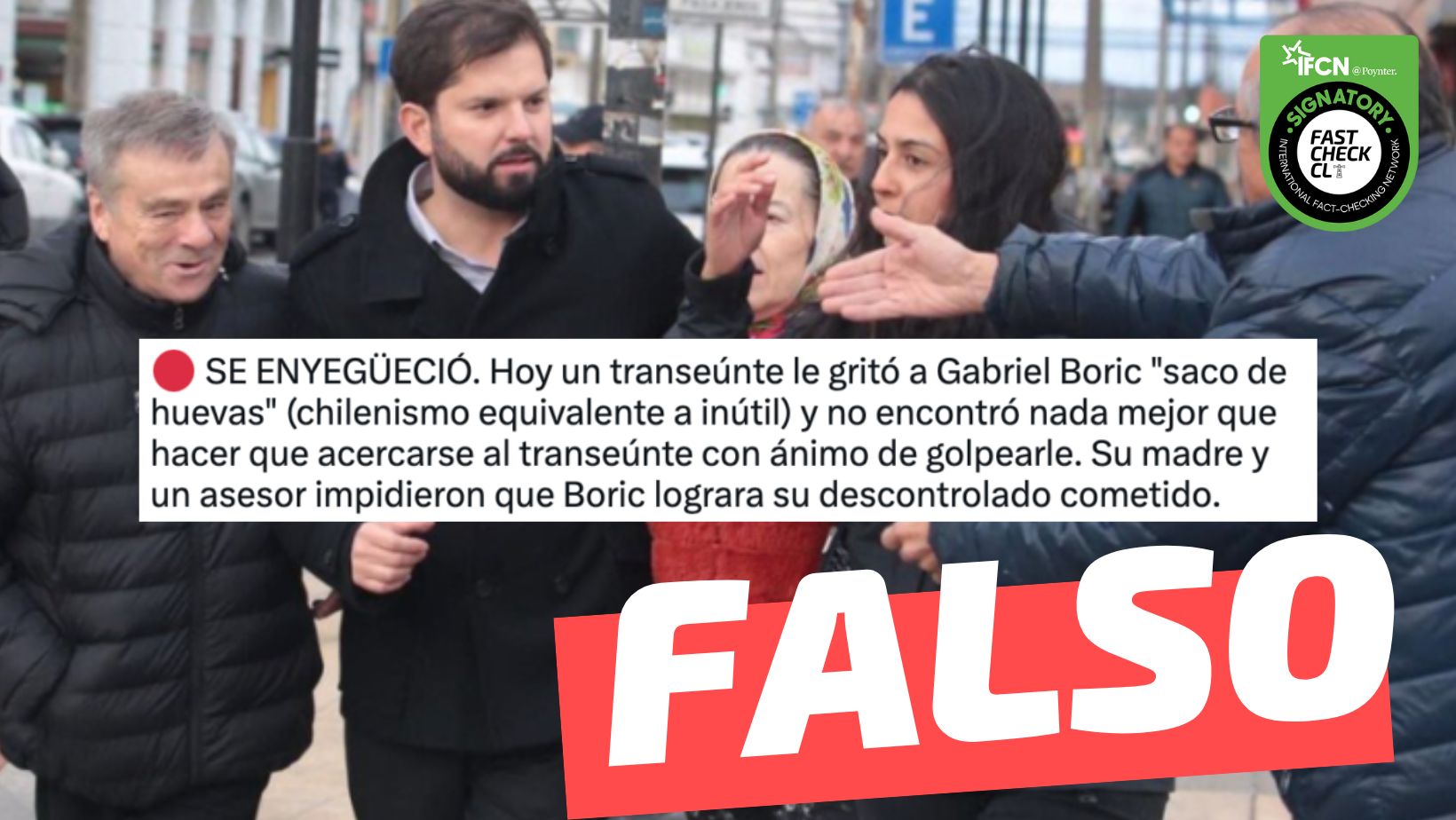
Esta imagen muestra que un transeúnte le gritó un insulto al presidente Gabriel Boric y este le golpeó.
Publisher’s rating: Falso