PeakMetrics / Fact Checks
Health & medicine fact checks
Explore claims publishers have checked about health & medicine. Read their original ratings and follow the evidence.
Search fact checks
Search by text or image13,677 published reviews in this topic
Being single will kill you faster than obesity
Publisher’s rating: FALSE HEADLINE

Ayushman Bharat, the world’s largest health insurance program: Comprehensive health coverage to 10 crore poor families up to 5 lakh rupees per family per year.
Publisher’s rating: TRUE
FACTLY examined a government infographic’s description of Ayushman Bharat as the world’s largest health insurance program, covering 10 crore poor families up to 5 lakh rupees per family per year. The review says the scheme was intended for 10 crore poor and vulnerable families—approximately 50 crore beneficiaries—and identifies the SECC deprivation criteria as the basis for selecting eligible beneficiaries. It specifies that the coverage applies to secondary and tertiary care hospitalization, a material limit on what the broad phrase “comprehensive health coverage” might suggest. To assess the claim, FACTLY set out the scheme’s stated coverage and compared its scale with earlier health-protection programs. It reports that Finance Minister Arun Jaitley described the National Health Protection Scheme, or Ayushman Bharat, in the 2018–19 budget speech as the world’s largest government-funded health-care program. The review contrasts the stated 10 crore families and 5 lakh rupees in annual coverage with Rashtriya Swasthya Bima Yojana, which it says enrolled around 3.5 crore families with 30,000 rupees of annual coverage. It also notes that Andhra Pradesh and Telangana had existing Aarogyasri schemes and had not joined Ayushman Bharat, citing the potential reduction in people already covered there. On the specific figures and the government-funded-program description, the review concludes that the claim is supported. Its evidence establishes the scheme’s stated eligibility scale, annual coverage ceiling, and intended hospital-care scope; it does not establish that every form of health care or every poor family is covered. The distinction between the stated program design and the review’s qualification about hospitalization is important when interpreting the claim’s use of “comprehensive.”
Mission Indradhanush, a mass movement in caring for children has covered 528 districts with 3.15 crore children vaccinated.
Publisher’s rating: TRUE
The claim concerns a government infographic’s account of Mission Indradhanush, stating that the vaccination scheme covered 528 districts and vaccinated 3.15 crore children. FACTLY’s review checked the child-vaccination total against a Lok Sabha answer from August 2018. It reports that the answer recorded 319.282 lakh children immunized by that point—equivalent to about 3.19 crore, close to and slightly above the 3.15 crore figure in the claim. The review places the figures in the scheme’s stated purpose: Mission Indradhanush was launched in December 2014 to pursue full immunization for children up to two years old and pregnant women. It concludes that the claim is accurate, while distinguishing the reported total from the claim’s exact number: the cited parliamentary answer gives 319.282 lakh, not 315 lakh. The excerpt does not provide a separate source or supporting detail for the claim that 528 districts were covered. Its cited evidence directly substantiates the number of children immunized, but the district figure cannot be independently assessed from the information presented in the excerpt.
3000 Jan Aushadhi Kendras for cheaper medicines resulting in savings of around 50%.
Publisher’s rating: TRUE

More than 1.16 crore antenatal check-ups have been conducted.
Publisher’s rating: TRUE
The claim concerns the number of antenatal check-ups conducted under the Pradhan Mantri Surakshit Matritva Abhiyan (PMSMA), a national programme for pregnancy care. FACTLY identifies the claim as saying that more than 1.16 crore check-ups had been conducted. Its review describes PMSMA as aiming to improve the quality and coverage of antenatal care, including diagnostics and counselling, and says the programme was introduced in 2016. The claim is therefore about check-ups under this particular programme, not antenatal care in general. For its check, FACTLY refers to an answer the government provided in the Lok Sabha in July 2018. The review reports that free antenatal services were being provided at 13,047 PMSMA sites across the country and that more than 1.35 crore check-ups had been conducted under the programme. That reported total exceeds the 1.16 crore figure in the claim. The review’s cited government answer thus supports the claim’s central point, while indicating that the recorded total was higher by July 2018. FACTLY also notes that the government introduced PMSMA in 2016 and distinguishes it from the earlier Janani Suraksha Yojana, launched in 2005. That distinction matters because the figure being checked is specifically attributed to PMSMA, rather than to all maternal-health schemes or to antenatal visits across the country. The supplied review does not reproduce the Lok Sabha answer itself, but identifies it as the basis for the programme total and the July 2018 reporting point.

內容扭曲政府開放捐血規定與檢測方式,影片帶了錯誤的訊息,醫師表示台灣目前的檢驗試劑並不會因病毒突變而檢測不出愛滋。
Publisher’s rating: 大部分不實

英國研究證實:女人越愛喝酒智商越高
Publisher’s rating: 錯誤
The claim attributes a link between women’s drinking and intelligence to British research. The review identifies a 2010 paper by Maria C. Huerta and Francesca Borgonovi, affiliated with the OECD and the London School of Economics, that examined education and alcohol use—not whether drinking increases intelligence. The paper analyzed existing British Cohort Study data, including drinking information collected in 2004 from people born in Britain during one week in 1970. The review notes that this is a specific cohort and period, not evidence about women generally. According to the review’s account of the paper, higher educational attainment was associated with more daily drinking and problem drinking, with a stronger association for women than men. Childhood academic test performance was also associated with greater risk of alcohol abuse. But educational attainment is not intelligence, and the study examined associations rather than proving that drinking causes higher intelligence. The review further reports that the study did not support news claims about women buying alcohol twice as often or spending more: it examined drinking behavior, not purchases or spending. The review describes checking the original paper against related media reports and consulting psychiatrists Chen Feng-wei and Kong Fan-jin. Both cautioned against inferring causation from this correlational research; Chen also noted that social class, generation, and gender-specific patterns could matter and that results may not generalize to other societies. Taken together, the evidence described by the review does not establish the headline’s claim: it concerns education and drinking in a particular British cohort, not women’s intelligence or a causal benefit from drinking.

健保署表示:除了我國,國外許多先進國家也提供愛滋治療。除非是受聘來台工作,否則外籍配偶需領有居留證明且在台居留滿六個月,才能享有健保。
Publisher’s rating: 不實

इन वैज्ञानिकों ने कहा कि एकादशी व्रत से कैंसर ठीक हो जाएगा.
Publisher’s rating: FALSE



These three medicines can cure Dengue completely within 48 hours.
Publisher’s rating: FALSE

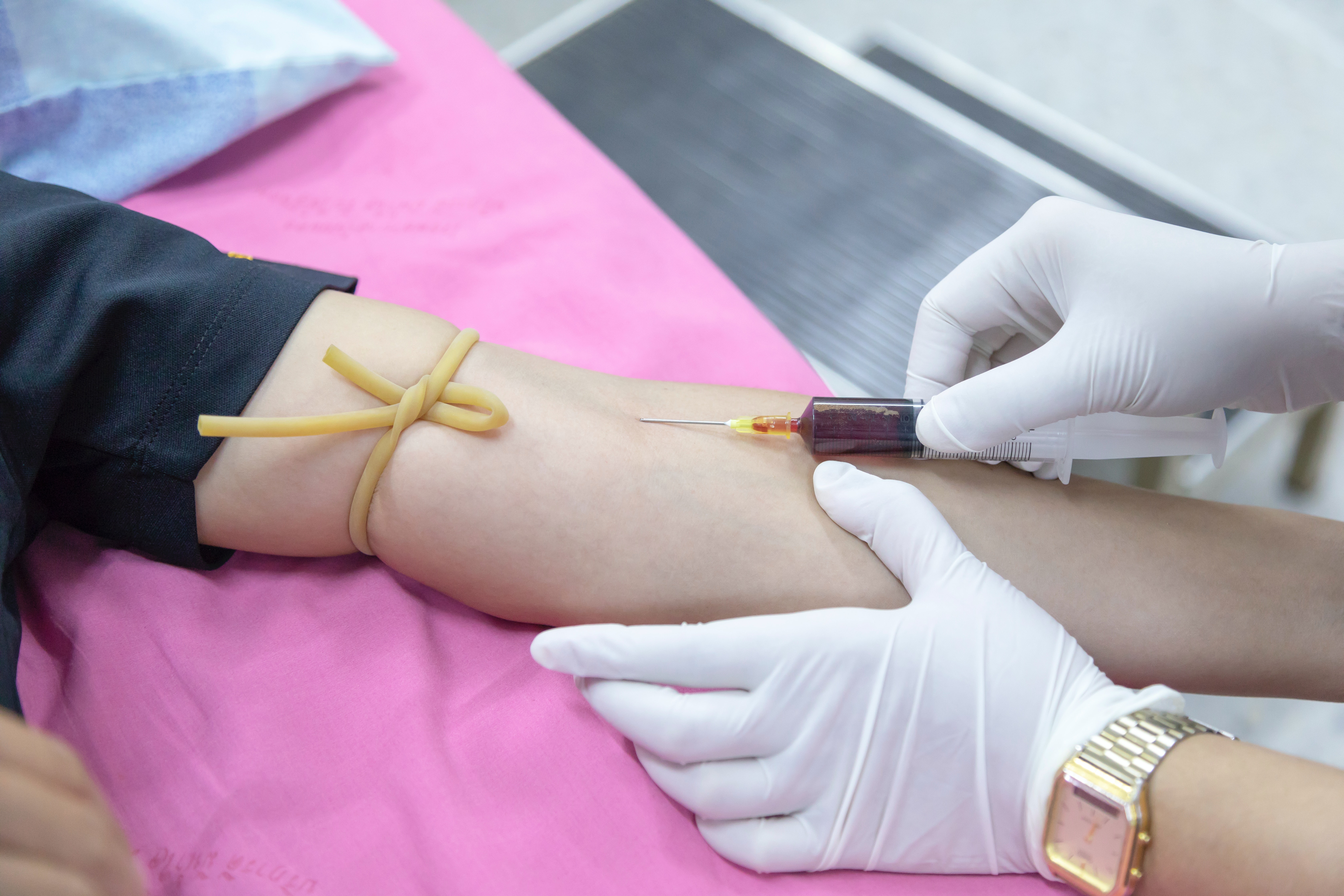
捐血一袋,害人一命?接受捐血可能暴露在愛滋病偽陰性結果而不慎感染?
Publisher’s rating: 部分錯誤
The review investigated a message circulating on messaging apps under the warning “Donate a bag of blood, harm a life,” which linked to footage of a June 13, 2018 protest. Protesters questioned a proposal to relax blood-donation restrictions for men who have sex with men and alleged that HIV screening could miss infections because of false-negative results, outdated equipment, or changes in the virus. The review addressed those specific allegations, rather than claiming that every screening test is infallible. “該訊息附上一支影片連結,內容為2018年6月13日民團抗議衛福部擬放寬吸毒者、男同志捐血之規定” To check the equipment allegation, the review sought information from the Taiwan Blood Services Foundation and checked the named Abbott analyzer and permit information against the Food and Drug Administration’s medical-device permit database. The Foundation said the Abbott Architect Analyzer was used for syphilis screening, not HIV screening, and had been used for blood-donation syphilis testing for only two years. The review also records that the permit number initially given by the Foundation was a misprint and was corrected after the fact-checker’s inquiry. “Abbott Architect Analyzer機器用於捐血『梅毒檢測』,並非使用於捐血『愛滋檢測』” For the claim that mutations could defeat HIV tests, the review interviewed National Taiwan University Hospital infectious-disease physician Hsieh Sih-min. He described several screening approaches, including antibody and combined antigen-antibody tests, with nucleic-acid or viral-load testing among further tests, and said the tests used in Taiwan would not be affected by HIV mutation. The review also distinguishes a real limitation from the rumor’s broader implication: no test is perfect, and a donation made during the testing window period can be missed. It reports one transfusion-associated infection in 2013 from blood donated in 2012 that was judged to have been in that window period. “我國自2013年2月血品檢驗全面改用核酸擴大檢驗法(NAT),檢驗空窗期已由21天縮短為11天,且自此之後未再有因輸血感染愛滋的案例發生。”
இணையத்தில் வைரலாகும் வீடியோ.. ஒருவரின் உடலில் இருந்து அகற்றப்பட்ட கேன்சர் செல்களுக்கு அருகே பூண்டை கொண்டு செல்லும் பொழுது பயந்து பின்னோக்கி நகர்கிறது. அதுவே, தங்கத்தை கொண்டு செல்லும் பொழுது தங்கத்தை நோக்கி முன்னேறுகிறது, தங்கத்தால் ஈர்க்கப்படுகிறது. கேன்சர் செல்களுக்கு பூண்டு ஒவ்வாது என்பதால் பூண்டை அதிகம் பயன்படுத்துங்கள். தங்கம் மற்றும் வெள்ளி பொருட்கள் கேன்சரை அதிகரிக்கும். இச்செய்தியை அதிகமாக பகிருங்கள்.
Publisher’s rating: Fake

Las vacunas causan autismo
Publisher’s rating: Falso
Newtral’s review evaluates the general claim that vaccines cause autism. It says there is no scientific study establishing a link between vaccination and the onset of autism, and reports that Spain’s Confederation of Autism has rejected the claim repeatedly. The review specifically refers to the measles, mumps and rubella vaccine (SPR) and to claims about vaccine preservatives. The review traces the origin of the claim to British doctor Andrew Wakefield. It reports that his research was found to lack scientific rigor and to have been falsified; *The Lancet* later withdrew the work and retracted it, and the *British Medical Journal* concluded that the study was fraudulent. Newtral says Wakefield altered patient data to fit the results he sought and subsequently lost his medical license. For the evidence against a causal link, the review cites the World Health Organization’s statement that there is no evidence of a relationship between the SPR vaccine and autism spectrum disorders. It also says the WHO found important shortcomings in studies that had suggested such a connection, and that WHO-commissioned examinations of supporting data found no correlation between autism spectrum disorders and preservatives used in vaccines. These are the review’s reported findings and cited sources; the supplied excerpt does not provide study titles, sample sizes, or further methodological details.
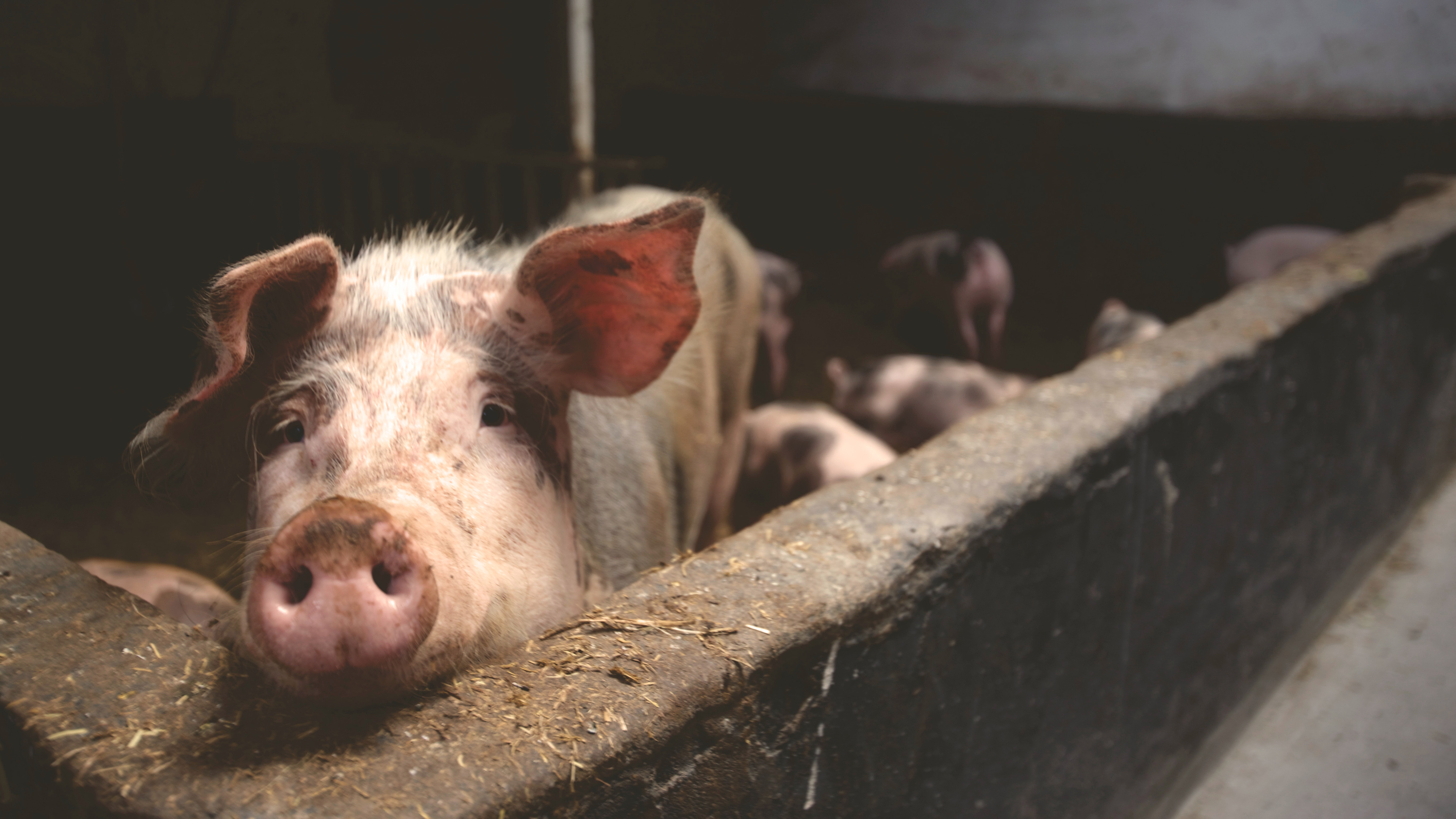
假如台灣發生非洲豬瘟,除案例場外,連同周邊半徑3公里內豬場將全數撲殺?
Publisher’s rating: 部分錯誤
The claim concerned Taiwan’s planned response to African swine fever: whether an outbreak would automatically lead to culling pigs at every farm within a three-kilometre radius of the infected farm. The Taiwan FactCheck Center investigated the apparent contradiction between news reports quoting Agriculture Council deputy chair Huang Jincheng and a clarification from the Council’s Animal and Plant Health Inspection Agency (APHIA). It says it sought responses from Huang’s office, the Council’s public-relations unit and APHIA, and also checked with a reporter who had interviewed Huang. The evidence described in the review does not support an automatic three-kilometre cull at the outset. APHIA said the infected farm would be culled in full, while nearby farms within three kilometres would initially face movement controls and monitoring. If monitoring found suspected infection, the authorities could continue controls, collect samples for testing and consider a wider cull if the disease was spreading. The review also reports an official Council announcement specifying full culling at the infected farm and movement controls and monitoring at farms within the radius. The qualification is important: Huang and the reporter said a wider cull had been discussed for a serious, spreading outbreak. The review could not verify precisely what Huang said in the original interview, and records the reporter’s account alongside Huang’s later clarification. It therefore concludes that the circulating claim omitted the distinction between the initial response to a single infected farm and possible action if the outbreak spread.