PeakMetrics / Fact Checks
Health & medicine fact checks
Explore claims publishers have checked about health & medicine. Read their original ratings and follow the evidence.
Search fact checks
Search by text or image13,677 published reviews in this topic
Темпы роста продолжительности жизни в России выше всех мировых показателей
Publisher’s rating: Ложь

Cut onions left in the fridge overnight can become toxic and lead to food poisoning.
Publisher’s rating: FALSE

"Since abortion was decriminalised in Victoria in 2008, post 20 week abortions have increased by 39 per cent."
Publisher’s rating: Wrong
Claim video of KEM hospital doctor Kothari viral
Publisher’s rating: FALSE

சி.எஃப்.எல்( CFL )பல்புகள் கைத்தவறி விழுந்து உடைந்துவிட்டால், உடனே அந்த இடத்தை விட்டு வெளியேறிவிட வேண்டும் என்று பிரிட்டிஷ் சுகாதாரத்துறை எச்சரித்துள்ளது. ஏனென்றால் இந்த பல்புகளுக்குள் உள்ள மெர்க்குரி திரவம், ஆர்சனிக், துத்தநாகத்தைவிட அதிக விஷத்தன்மையுள்ளது. இந்த விஷத்தை நுகர்ந்தாலோ அல்லது சருமத்தில் பட்டாலோ, மைக்ரேன் தலைவலி, மூளை பாதிப்பு, உடல்அசைவுகள், பாதிக்கப்பட்டு நிலை தடுமாறுதல் போன்றவை ஏற்படுமாம். அலர்ஜி பிரச்னை உள்ளவர்களுக்கு சரும பாதிப்புகளும் ஏற்படுமாம்.
Publisher’s rating: Mix

Simla Mirch, un gusano encontrado en un pimiento que es mortal
Publisher’s rating: Falso
The review investigated a message circulating with a video of a long, thin, white worm inside a pepper. The message called it “Simla Mirch” and warned that it could be deadly. Newtral consulted Alfonso Navas, identified as a parasitology expert and director of a national reference laboratory for diagnosing plant-parasitic nematodes, about the animal’s identity, origin and whether it could be found in peppers. Navas identified the animal shown as a nematomorph, probably from the genus Gordius or Paragordius, rather than a plant-parasitic worm. The review explains that nematomorph larvae parasitize arthropods such as grasshoppers; adults emerge from their hosts and live freely in freshwater or in damp, semi-terrestrial places. Navas said no nematomorph is a plant parasite, so the message’s description of it as a worm found in peppers was false. He suggested that its appearance inside the pepper was due to a joke or contamination. On the danger claim, Navas said the worm does not attack humans, is not dangerous and cannot cause death. The review therefore rejects both the warning that this worm is deadly and the message’s implication that it naturally lives in peppers. It also notes that “Simla Mirch” is a misspelling of “Shimla mirch,” which means pepper in Hindi; that wording does not identify the animal.

Levantarte rápido de la cama causa una muerte repentina
Publisher’s rating: Falso
The claim under review is that getting out of bed quickly at night can cause sudden death, including a sudden death from stroke even in an otherwise healthy person. Newtral says the claim circulated in a message on WhatsApp and Facebook, attributed to a supposed cardiologist named Alexandré Dubois. The review reports that it consulted Alfonso Valle, a cardiologist and officer of the Spanish Society of Cardiology’s vascular-risk and cardiac-rehabilitation section. Valle said the message conflated sudden death with orthostatic dizziness: standing quickly can cause dizziness or fainting, but, in normal circumstances, does not itself cause death. The review also says it found no records of the alleged author and that the viral message named no institution or source for him. [S1] The article distinguishes the immediate effects of standing quickly from the causes of sudden death. Valle describes getting up quickly while blood pressure is low as a common situation in which someone may become dizzy or lose consciousness and fall. He warns that a fall could cause an injury, but says the episode itself is not fatal. Waiting briefly at the bedside before standing is described as advisable, especially for older people; the review notes that the viral message calls this a “law” of a minute and a half, a name Valle characterized as invented. [S1] For deaths that occur suddenly at night, the review instead points to underlying illness. It reports Valle’s explanation that coronary disease, including myocardial infarction, is the principal cause of sudden death in most cases, and lists high blood pressure, high cholesterol, smoking, obesity, inactivity and older age as risk factors for coronary-artery blockage. It adds that cerebral infarctions can also cause sudden deaths, though less often, and that a cerebral infarction does not necessarily result in death. This distinction matters: the possibility of a serious event during the night does not establish that standing up quickly caused it. [S1]


Bill and Melinda Gates Foundation kicked out of India for conducting unethical medical vaccination trails
Publisher’s rating: MISLEADING
The post alleged that the Bill and Melinda Gates Foundation (BMGF) had been expelled from India because of unethical vaccination trials. FACTLY examined that claim alongside the post’s reference to a 2009 vaccination incident. It reported finding no news of BMGF being kicked out and noted that the foundation was working in Bihar and Uttar Pradesh. The review also checked the foundation’s website, which described it as working with India’s central and state governments. The review distinguished BMGF from the organization involved in the 2009 incident. It said that the vaccination project was conducted by PATH (Programme for Appropriate Technology in Health), not by BMGF, although the foundation was reportedly a funder and was one of PATH’s donors. That distinction supports the review’s conclusion that the post’s account of the incident did not establish that BMGF itself conducted the trials or was expelled from India. FACTLY also examined the claim’s suggestion of a break in government ties by referring to a 2017 episode in which similar reports went viral. It quoted a same-day Health Ministry press note calling those reports inaccurate and misleading and saying BMGF continued to collaborate with and support the Ministry of Health and Family Welfare. The review’s overall finding is that BMGF reportedly funded the 2009 studies, but was not kicked out of India.
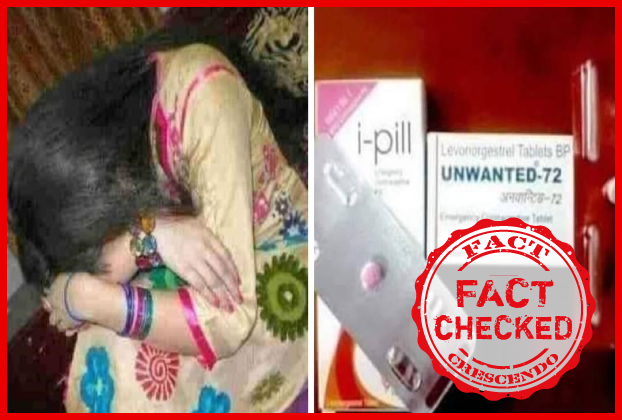
Claim the emergency contraceptive pills contain Arsenic
Publisher’s rating: FALSE

An active ingredient found in Colgate toothpaste can be linked to Cancer
Publisher’s rating: Insufficient Evidence
The review identifies triclosan as the ingredient at issue: Colgate Total previously contained 0.3 per cent triclosan, which the company said helped ward off plaque and germs harmful to gums and teeth. It examines whether research linking triclosan to cancer establishes a risk from its use in toothpaste, rather than treating the presence of the ingredient as proof of harm. The cancer-related findings described in the review came from animal research. It reports that a study fed mice low doses of triclosan for three weeks and found more and larger tumours in mice with colon cancer. The review also notes research on colon inflammation in mice and says that the blood levels in those mice were similar to levels reported in humans. Those observations warrant investigation, but the review does not present them as evidence that triclosan causes cancer in people who use toothpaste. The review’s conclusion is that the evidence described does not establish a cancer link in humans: it says that “mice still hold the dominant vote” on the substance’s safety or potential harm and that further research is needed. It also reports that Colgate relaunched its product with triclosan replaced. That product change is reported as context, not as proof that the ingredient caused cancer; the review does not establish why the company made the change.

Claim CEO of Patanjali Acharya Balkrishna admitted in AIIMS due to heart attack
Publisher’s rating: FALSE

పారాసెటమాల్ పి 500 మాత్రలు మచుపో వైరస్ ను కలిగి ఉంటాయి.
Publisher’s rating: FALSE

Los audios que lanzan alertas sobre el brote de listeriosis
Publisher’s rating: Falso
Seorang anak di Magelang mengalami gangguan saraf karena kecanduan bermain game
Publisher’s rating: Sesat

A claim that a particular soup from the western part of Nigeria ( Ewedu) can cure cancer.
Publisher’s rating: True

Charcoal here is described as a mini god used to whiten teeth, remove odour etc.
Publisher’s rating: Mixture