PeakMetrics / Fact Checks
Health & medicine fact checks
Explore claims publishers have checked about health & medicine. Read their original ratings and follow the evidence.
Search fact checks
Search by text or image13,677 published reviews in this topic

Aaj Tak telecasted a news in which the Chinese PM said, ‘Reading Quran and offering namaz is the only cure for COVID-19’
Publisher’s rating: FALSE
The claim concerns a circulating clip said to show Aaj Tak reporting that China’s Prime Minister had called reading the Quran and offering namaz the only cure for COVID-19. FACTLY says the clip was taken from an Aaj Tak fact-check, rather than being a report endorsing that claim: “It is a clipped video of Aaj Tak’s fact-check.” FACTLY describes finding the full video on Aaj Tak’s website by searching for keywords shown in the clip. It reports that the full version fact-checked the same claim and concluded that the Chinese PM had made no such statement. The social-media clip therefore omitted the segment’s debunking context, making the video appear to support a claim it was actually rejecting.

Una etiqueta del desinfectante Lysol demuestra que el coronavirus actual siempre ha existido
Publisher’s rating: Falso
The review examines a video in which a man points to a Lysol spray label and argues that because the product mentions human coronavirus, the coronavirus behind COVID-19 is not new. It also reports that he linked media attention to an attempt to distract from Donald Trump’s trial. The label, as described in the review, says the product is effective against “SARS Coronavirus”; it does not establish that the virus responsible for the COVID-19 outbreak had existed previously. «En la grabación, el hombre muestra la etiqueta del producto que asegura que es efectivo para desinfectar superficies contaminadas con coronavirus humano»; «En la etiqueta del producto que se muestra en el vídeo, se indica que el producto es eficaz contra el “SARS Coronavirus”.» The review distinguishes the broader family of coronaviruses from the specific strain responsible for COVID-19. It says coronaviruses have existed since the 1960s, but identifies the outbreak strain as SARS-CoV-2, discovered in late 2019. It also describes MERS-CoV as first detected in Saudi Arabia in 2012 and SARS-CoV as detected in Asia in 2003. Those examples show why a product label referring to a previously known coronavirus does not demonstrate that SARS-CoV-2 has always existed. «Aunque es cierto que los coronavirus existen desde los años sesenta, la cepa actual que ha causado el brote fue identificada a finales de 2019.» The review further reports that Lysol’s website said its products had demonstrated effectiveness against viruses similar to the 2019 novel coronavirus on hard, non-porous surfaces. That is not the same claim as proving that the product’s label names SARS-CoV-2 or that this virus existed before it was identified. The supplied text does not describe independent laboratory testing by the reviewer; it attributes the product-effectiveness statement to Lysol’s website and the chronology to the WHO and CDC. «En la página web de la empresa Lysol, se explica que los productos “han demostrado tener efectividad contra virus similares al 2019 Novel Coronavirus (2019-nCoV) sobre superficie duras no porosas”.»

La doctora Lupita Yamamoto Lupercio ha encontrado la vacuna contra el coronavirus
Publisher’s rating: Falso
The claim was that a doctor named Lupita Yamamoto Lupercio had found a vaccine against coronavirus. Newtral reports that the image circulating with that claim does not show a doctor by that name: it shows Sandra Oh, an American actress known for Grey’s Anatomy and Killing Eve. That identification directly undercuts the claim’s portrayal of the pictured person as the doctor who discovered a vaccine. The review also states that, at the time it examined the claim, no vaccine existed for COVID-19. Its conclusion therefore rests on two points reported in the article: the image was misidentified, and the claimed vaccine did not exist. The excerpt does not describe a specific image-search or verification procedure, so none can be attributed to the investigation here.
Flu shots project against influenza.
Publisher’s rating: True
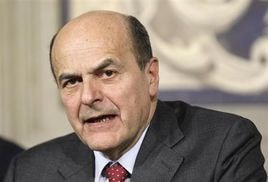
【部分錯誤】網傳義大利前民主黨黨書記貝爾薩尼受訪內容:「我懷疑這病毒是在警報發生之前,就已經存在於意大利,我們只是在用已經傳播的病毒來追究中國人」?
Publisher’s rating: 部分錯誤
Pangeran Uni Emirat Arab, Mohamed bin Zayed, positif terinfeksi virus Corona Covid-19 pada awal Maret 2020
Publisher’s rating: Keliru

【錯誤】網傳圖片搭配文字宣稱「這是中國一位醫生幫患者照X光。最後醫生因此吃素了」?
Publisher’s rating: 錯誤
The review investigated a social-media post that paired an X-ray image with the claim that it showed a Chinese doctor examining a patient and that the doctor subsequently became vegetarian. It concluded that the circulated image was a composite, so it did not establish the story asserted by the accompanying text. The excerpt does not provide evidence about whether any doctor changed their diet.
El test del coronavirus en EEUU cuesta 3.000 dólares
Publisher’s rating: Engañoso
The claim turns a $3,270 hospital bill into the supposed price of a coronavirus test. The review says that the story being shared concerned a Miami resident who went to a hospital worried about infection after a work trip to China. According to the account attributed to The Miami Herald, he chose to take a flu test first and tested positive for flu. The review says he was not given a COVID-19 test. The bill therefore does not establish that a coronavirus test cost $3,000. The review reports that the $3,270 bill covered several items, including about $157 for two blood tests, about $299 for flu tests, and an $819 emergency-room copayment. It also says that, after insurance coverage, the patient paid $1,400 in medical expenses, citing Business Insider. These figures describe treatment and other charges, not a charge for a COVID-19 test. The review adds that the CDC was not charging patients for COVID-19 tests at the time, citing PolitiFact and a statement from America’s Health Insurance Plans. It distinguishes that point from the broader issue of medical costs: because the United States did not have a public healthcare system guaranteeing complete coverage, expenses associated with testing could still arise. That qualification does not make the cited $3,270 bill the price of a test; the review’s central evidence is that no COVID-19 test was performed on this patient.
Imágenes de UNICEF que dan consejos sobre el Covid-19
Publisher’s rating: Falso
The review examined images circulating on WhatsApp that presented purported advice from UNICEF on avoiding coronavirus infection. Newtral says it contacted UNICEF, whose response was that the messages were not its information and were an improper use of its name. The review also points to a UNICEF statement addressing one of the claims in the images: that avoiding ice cream and other cold foods could prevent the disease. UNICEF described that claim as false. The images also claimed that the virus “melts in the sun” or cannot survive at temperatures of 26–27 degrees. The review says those claims had no support in the scientific evidence known at the time and were not among the WHO’s published basic protection measures. It therefore found that the purported UNICEF advice was not an authentic UNICEF communication and that its specific prevention claims were unsupported.
The HPV vaccine protects against cancer.
Publisher’s rating: True

Chinese Prime Minister has ordered to open all the mosques and read the quran to cure coronavirus
Publisher’s rating: FALSE

A "miracle mineral solution" (MMS) or drinking bleach can cure coronavirus
Publisher’s rating: False and potentially dangerous
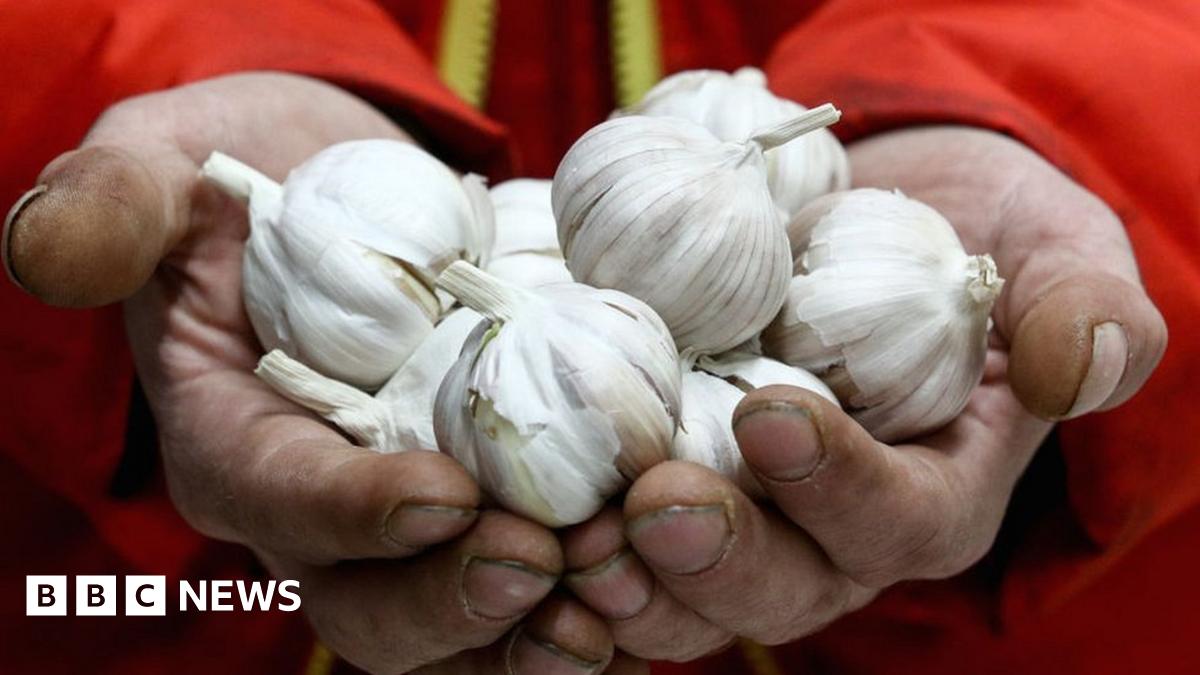
Garlic can prevent coronavirus
Publisher’s rating: False - there's no evidence for this
Drinking water or keeping your throat wet can stop you catching coronavirus
Publisher’s rating: There is no evidence for this
Colloidal silver solution can help with coronavirus
Publisher’s rating: False and potentially harmful
The application of heat or heating your body can kill coronavirus
Publisher’s rating: We don't have good enough evidence for this yet - but it's unlikely that applying heat to your body will stop you from catching coronavirus
به رغم هشدار شیوع کرونا، سفرهای مردم باعث ترافیک سنگین در جادههای شمالی ایران شده است.
Publisher’s rating: نادرست