PeakMetrics / Fact Checks
Health & medicine fact checks
Explore claims publishers have checked about health & medicine. Read their original ratings and follow the evidence.
Search fact checks
Search by text or image13,677 published reviews in this topic


New York have a stockpile of thousands of unneeded ventilators
Publisher’s rating: Partly False: They do have a stockpile
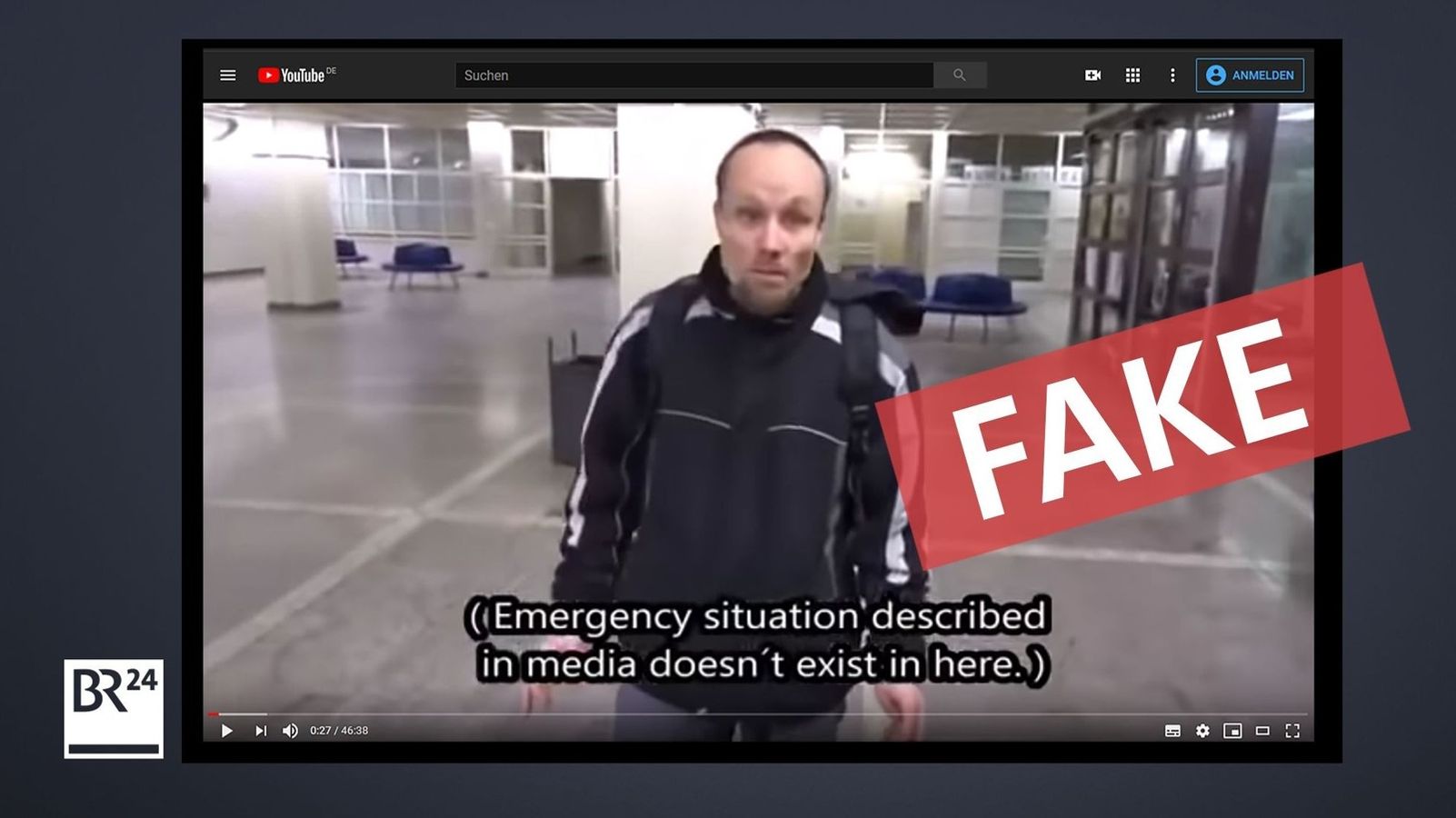
Die Corona-Krise wird von Politik und Medien übertrieben, da im Berliner Virchow-Klinikum "gar nichts los" ist.
Publisher’s rating: Falsch. "Die Aufnahmen sind tatsächlich am Campus Virchow-Klinikum entstanden, jedoch handelt es sich hierbei nicht um die Charité-Untersuchungsstelle für Covid-Verdachtsfälle", erklärte das Klinikum. Zur Zeit, in der das Video auffällig kursierte, zählte das Klinikum täglich rund 100 Fälle.
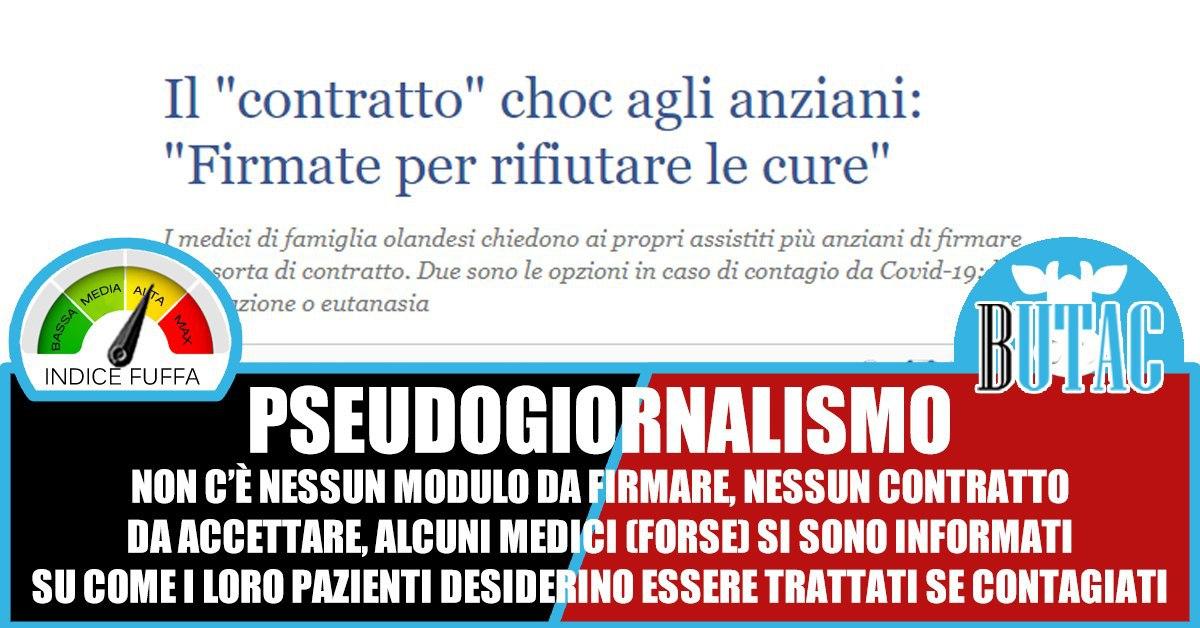
In the Netherlands, the elderly were asked to sign a form to give up coronavirus treatment to allow young people to be treated.
Publisher’s rating: Mostly false
Der gegen Malaria eingesetzte Wirkstoff Chloroquin wird derzeit in mehreren klinischen Studien auf seine Wirksamkeit gegen Covid-19 untersucht. In einem Facebook-Post heißt es nun, US-Präsident Donald Trump habe "die Freigabe zur Behandlung damit in den USA erteilt". Ganz anders verhalte sich hingegen die Europäischen Union, wie im Post behauptet wird: Die Corona-Pandemie solle hier am Laufen gehalten werden, "bis ein neuer Impfstoff für viele Milliarden Euro verkauft werden kann - der gar nicht benötigt würde, gäbe man CDL frei". CDL ist die Abkürzung für Chlordioxid-Lösung.
Publisher’s rating: US-Präsident Trump hatte keine Freigabe zur allgemeinen Behandlung mit Chloroquin erteilt. Erst viele Tage später wurde von der zuständigen Behörde eine Ausnahmegenehmigung, aber keine generelle Freigabe erteilt. Derzeit laufen in mehreren Ländern - auch in den USA - klinische Studien zur Wirksamkeit der Substanz bei Covid-19. Die Substanz Chlordioxid wiederum ist kein Medikament, sondern wird etwa zur Desinfektion verwendet. Mehrere Behörden warnen davor, sie einzunehmen, weil sie gesundheitsschädlich ist.

Corona ist nur für Risikogruppen, also für Alte und Kranke, gefährlich
Publisher’s rating: Falsch. Grundsätzlich kann jeder Mensch schwer an Covid-19 erkranken. Fälle schwerer Verläufe von Corona gibt es auch bei jüngeren Patienten ohne Vorerkrankungen. Risikogruppen unterliegen aber einer erheblich höheren Gefahr. Die meisten der bislang Verstorbenen zählten zu Risikogruppen.

Video of a person infected with coronavirus comitting suicide in New York
Publisher’s rating: FALSE

El Centro de Transfusión hace un llamamiento a los ciudadanos para donar plasma hiperinmune de pacientes recuperados del Covid-19
Publisher’s rating: Falso
The claim concerns whether the Community of Madrid’s Centro de Transfusión had asked the public to help collect and donate plasma from people who had recovered from Covid-19. The review reports that the center said on its Twitter account that it was not making such a public appeal. It traced the circulating information to a private letter between center professionals and a hospital, which the center said had appeared on social media without their knowledge of how it got there. The center’s statement distinguished that alleged appeal from a narrower activity: cooperating with hospitals on a clinical trial to extract, process and store plasma. According to the review, the center said that trial had not yet been authorized by the Ministry of the Interior. Thus, the existence of planned trial-related work did not establish that the center had solicited donations from citizens. The review also cautioned that direct transfusion of plasma from recovered patients was experimental and that its effectiveness remained undetermined. It cited hematologist Cristina Arbona’s call for properly designed trials with enough patients to answer questions about treatment dose, timing and antibody levels. The review’s account therefore distinguishes an unapproved research plan from a public donation call and from established treatment.
Nu ook Nederland in de ban is van het coronavirus, wordt nepnieuws over Covid-19 aan de lopende band verspreid. Zo wordt er op Facebook onder meer beweerd dat het virus «doodgaat bij een temperatuur van 26 tot 27 graden». Vandaar zou het raadzaam zijn om veel hete dranken, zoals thee enz. te consumeren. Bovendien zou het virus zo groot zijn dat elk normaal masker het kan filteren
Publisher’s rating: Het coronavirus doorstaat hogere temperaturen dan 27 graden, bijv. de menselijke lichaamstemperatuur. Handen wassen, twee armlengtes afstand houden en het beperken van contacten zijn betere beschermingsmiddelen dan het dragen van mondkapjes.
The Facebook post made three linked claims: that the coronavirus dies at 26–27°C, that drinking hot beverages would therefore help, and that the virus is large enough to be filtered by any ordinary mask. The DPA review addresses those claims directly. Its central comparison is with the human body: it gives an average body temperature of about 36.6°C and reasons that a virus unable to survive at 26–27°C could not remain viable in the body. It also says that drinking hot water would not change that point.

Visuals showing dead bodies and coffins of COVID-19 victims in Italy
Publisher’s rating: FALSE

Em 2015, a emissora de TV italiana RAI, demonstrou que o novo coronavírus foi criado em um laboratório pelo governo chinês
Publisher’s rating: Enganoso: A reportagem em questão, na verdade, fala sobre um grupo de cientistas que criou uma versão híbrida de um coronavírus de morcego na China cinco anos atrás e foi baseada em um estudo da revista científica Nature. Em março de 2020, o periódico esclareceu que não há evidências de que esse experimento tenha relação com a pandemia atual e, em análise posterior, pesquisadores afirmaram que o SARS-CoV-2 não foi fabricado em laboratório ou produzido propositalmente

Bill Gates aurait prédit que la pandémie de coronavirus ferait 65 millions de morts et aurait créé un vaccin pour éradiquer les Africains
Publisher’s rating: Faux

Es ist für viele ein Schrecken, dass das Coronavirus unser alltägliches Leben so verändert. Über soziale Netzwerke wird derzeit verbreitet, der französische Arzt und Apotheker Nostradamus (1503 bis 1566) habe die Pandemie schon vor Jahrhunderten vorhergesagt. Nostradamus soll demnach schon im Jahr 1551 prophezeit haben: "Es wird ein Zwillingsjahr 2020 geben, aus dem eine Königin (Korona) aus dem Osten (China) kommen wird und die in der Dunkelheit der Nacht eine Pest auf einem Land verbreiten wird mit 7 Hügeln (Italien) und wird das Zwielicht der Menschen in Staub verwandeln, um die Welt zu zerstören und zu zerstören. Es wird das Ende der Weltwirtschaft sein, wie Sie es kennen."
Publisher’s rating: Eine solche Vorhersage von Nostradamus ist weder überliefert noch bekannt.
Video pakaian bekas yang diklaim berasal dari pasien Corona di Cina yang sudah meninggal
Publisher’s rating: Sesat

Israel has recorded zero coronavirus deaths because of using lemon and baking soda as a cure
Publisher’s rating: FALSE