PeakMetrics / Fact Checks
Health & medicine fact checks
Explore claims publishers have checked about health & medicine. Read their original ratings and follow the evidence.
Search fact checks
Search by text or image13,676 published reviews in this topic


கொரோனாவின் மூன்றாவது பக்கத்தில் இத்தாலிய பெண் இறுதிக் கட்டத்தில் இருந்தாள், அதற்கு முன்னால் தனது 18 மாத குழந்தை மிகவும் அழுகிறாள். அவர் தனது குழந்தையை கட்டிப்பிடிக்க விரும்புகிறார். என்று அரசாங்கத்திடம் தனது கடைசி விருப்பத்தை வெளிப்படுத்தினார். அவர் முழு உடலையும் மெழுகுடன் அரசாங்கத்திடமிருந்து மெழுகால் மூடினார். மார்பில் படுத்துக் கொண்ட குழந்தை அமைதியாகினார்.
Publisher’s rating: FAKE


網傳影片宣稱「這部影片,是染新冠病患所進行安装呼吸器..., 看這過程感覺極度痛苦難受啊!」?
Publisher’s rating: 事實釐清
The claim attached to the video says it shows a person with COVID-19 undergoing a painful procedure to install a respirator. The review consulted two physicians about what the video depicts and whether the procedure establishes the patient’s diagnosis. They identified the operation as a percutaneous tracheostomy performed in an intensive care unit (ICU), rather than evidence that the patient had COVID-19. One explained that this technique allows the procedure to be done in the ICU instead of moving a seriously ill patient to an operating room; the other described an opening being made in the neck and expanded to create an airway. (“影片內容是一個在加護病房進行的「經皮氣切手術」”; “影片中醫生從病患脖子開個洞,慢慢擴張,從脖子進去,建立呼吸道管路。”) The review found that the video itself could not establish the patient’s illness. One consulted physician said he could not determine whether the patient was a COVID-19 case. The review’s conclusion likewise distinguishes identifying the procedure from identifying the patient’s condition: it says the video shows an ICU percutaneous tracheostomy, but that the patient’s illness cannot be determined. (“此手術是不是新冠病毒病患所進行的手術,他無法證明和判斷。”; “影片內容是在加護病房進行的「經皮氣切手術」,但無法判斷病患病症為何。”) The doctors also explained why the procedure does not, on its own, identify COVID-19. They said tracheostomy is considered for patients needing prolonged respiratory care, following medical assessment, and is not a procedure exclusive to COVID-19. The review therefore supports identifying the operation, but not the circulating claim that the patient in this particular video had COVID-19. (“氣切手術並不是專門屬於COVID-19的手術”; “通常是經醫生評估,長期需要呼吸照護的病患,才會進行氣切手術。” )
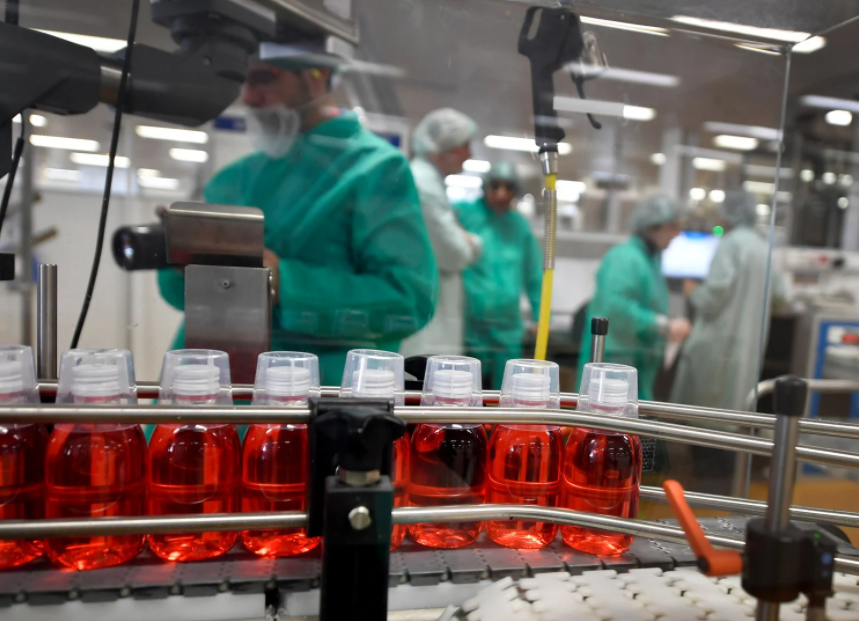
Mundspülungen wie Listerine bieten Schutz vor dem neuartigen Coronavirus und können als Desinfektionsmittel verwendet werden.
Publisher’s rating: Das ist falsch. Für den Einsatz als Desinfektionsmittel haben Listerine-Produkte zu wenig Alkoholgehalt. Es gibt auch keinen wissenschaftlichen Nachweis, dass Listerine Schutz vor dem neuartigen Coronavirus bietet.
The review addresses two related claims circulating on social media: that rinsing with Listerine protects against the novel coronavirus, and that a diluted Listerine mixture can substitute for disinfectant. It reports that the manufacturer said its products had not been tested against coronaviruses and were not intended to prevent or treat Covid-19. The review also notes that some Listerine products contain alcohol, but at about 20 percent. For the proposed disinfectant use, the review compares that concentration with guidance it attributes to public-health agencies: the US Centers for Disease Control and Prevention recommends at least 60 percent alcohol for hand disinfectant, while the European Centre for Disease Prevention and Control recommends 70–80 percent. On that comparison, even undiluted mouthwash falls short of those concentrations; dilution would not resolve the shortfall. The review distinguishes evidence about other viruses from evidence about SARS-CoV-2. It describes a 1995 laboratory study in which Listerine reduced the infectivity of influenza and herpes viruses after mixtures were held for 30 seconds to five minutes. It says, however, that it found no scientific proof of effectiveness against SARS-CoV-2. Thus, findings involving other viruses do not establish that mouthwash prevents infection with the novel coronavirus.

A viral image suggests a "Canine Coronavirus Vaccine" means a vaccine for the novel coronavirus already exists.
Publisher’s rating: False
Bill Gates membuat vaksin virus Corona Covid-19 yang dipasang microchip
Publisher’s rating: Keliru
Inhaling steam of water mixed with salt kills the virus causing COVID-19
Publisher’s rating: False

Message on coronavirus sent by a doctor friend in ganga ram hospital
Publisher’s rating: FALSE
Rauchen schützt vor Corona
Publisher’s rating: Falsch. Rauchen macht die Folgen einer Corona-Infektion Experten zufolge schlimmer. In Frankreich prüfen Wissenschaftler aber die Hypothese, ob Nikotin es dem Virus schwerer macht. Bewiesen ist noch nichts.

Ibuprofen can worsen COVID-19
Publisher’s rating: No evidence, according to WHO April 19 scientific brief

FBI RECOLHE MÁSCARA INFECTADAS VINDAS DA CHINA. CHINA ESPALHANDO O VÍRUS PRA TODO O MUNDO .
Publisher’s rating: Falso

Bill Gates Tested Unapproved Vaccines on Children in Africa?
Publisher’s rating: False
Virus Corona Covid-19 bisa menular lewat kentut
Publisher’s rating: Tidak terbukti
ਇੱਕ ਟਮਾਟਰ ਵਾਇਰਸ, ਕੋਰੋਨਾਵਾਇਰਸ ਤੋਂ ਵੀ ਖ਼ਤਰਨਾਕ ਹੈ, ਮਨੁੱਖਾਂ ਨੂੰ ਮਾਰ ਰਿਹਾ ਹੈ
Publisher’s rating: False

El COVID-19 se cura con aspirinas anticoagulantes, antiinflamatorios o antibióticos
Publisher’s rating: Falso

Gasoline can kill the coronavirus
Publisher’s rating: No basis. It's also dangerous
The novel coronavirus can live on surfaces for days.
Publisher’s rating: It depends
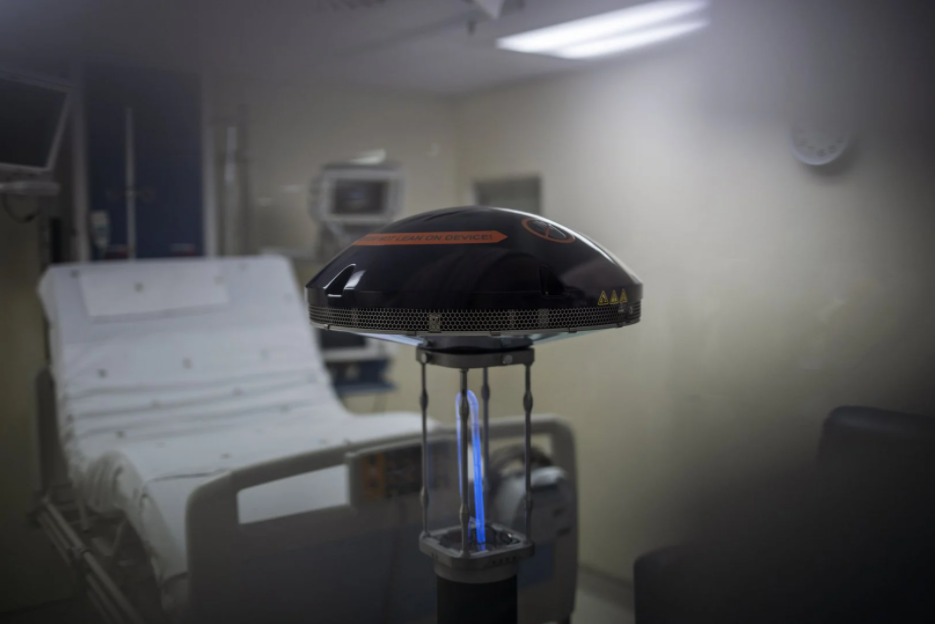
UV-Strahlung bietet eine Möglichkeit der Desinfizierung gegen Sars-CoV‑2.
Publisher’s rating: Für die UVC-Strahlung stimmt das prinzipiell für die Desinfizierung von Gegenständen, für einen Laien ist die Verwendung von UVC-Strahlen etwa zur Desinfektion von Masken aber ungeeignet. Für die Haut sollte nicht auf UV-Strahlen zurückgegriffen werden.
The review distinguishes among UVA, UVB and UVC rather than treating “UV radiation” as one interchangeable disinfectant. It says ordinary sunlight mainly involves UVA and UVB, while the ozone layer prevents UVC from reaching Earth’s surface. The article describes UVC as theoretically capable of damaging genetic material, including that of viruses, and notes its use for disinfecting objects in some areas of China. That possibility is not presented as a practical do-it-yourself method: the review says equipment and training would be needed, and warns against using UV lamps on hands or other skin. For evidence about the virus, the review reports that no studies then available established exactly how UVC affects SARS-CoV-2 or how long exposure would need to last. It cites a 2004 study of the related SARS virus, which found that more than 15 minutes of UVC treatment inactivated it; UVA had no effect regardless of exposure duration. The study’s UV sources were positioned three centimetres away. The review emphasizes that these results were not SARS-CoV-2 results, so they do not establish a reliable exposure time or procedure for that virus. The article also explains why sunlight is not a substitute: the effective duration was unclear and could depend on time of day, weather, season and location. It says UV exposure would not help once the virus was inside the body, and notes risks including skin damage from excessive sunlight and eye damage from UV-light use. Thus, the evidence supports only a qualified possibility for object disinfection with UVC—not a general recommendation to use sunlight or UV devices, especially on people or masks.