PeakMetrics / Fact Checks
Health & medicine fact checks
Explore claims publishers have checked about health & medicine. Read their original ratings and follow the evidence.
Search fact checks
Search by text or image13,675 published reviews in this topic
Ein in sozialen Medien kursierendes Video soll angeblich große Schwächen der zum Corona-Test genutzten PCR-Methode offenbaren. «Sensation! Naomi Seibt widerlegt den PCR Test von Prof Drosten! KEIN Virus EXISTENT!!!», heißt es etwa (hier archiviert, hier Video archiviert) Die genannte Youtuberin behauptet darin unter anderem, dass der Virologe Christian Drosten den Test zum Nachweis von Sars-CoV-2 entwickelt habe, bevor er die dafür nötigen Daten vorliegen hatte. Außerdem soll der PCR-Test zum Nachweis von Corona angeblich ungeeignet und zu fehleranfällig sein. Schließlich geht Seibt darauf ein, dass angeblich nur wenige Menschen am Coronavirus gestorben seien.
Publisher’s rating: Der Vortrag der Youtuberin Naomi Seibt enthält viele falsche Behauptungen. Einige davon sind Falschinformationen, die seit Monaten zur Coronavirus-Pandemie kursieren und bereits mehrfach widerlegt wurden.
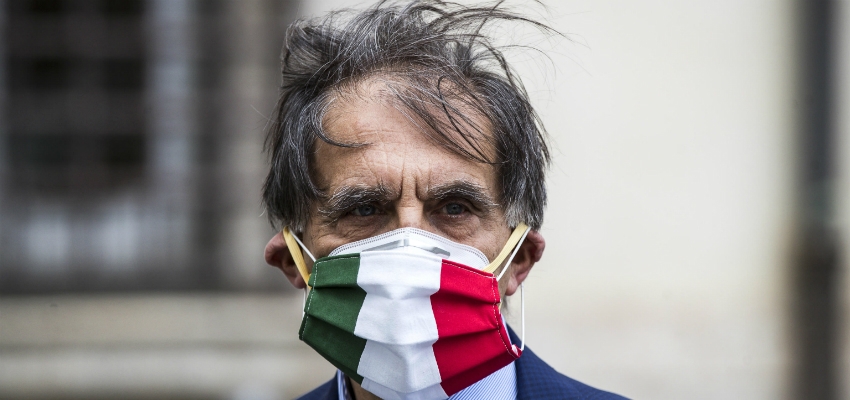

"I have a plan to help people with pre-existing conditions"
Publisher’s rating: No evidence to support the claim. The president has repeatedly said he would replace the ACA with something better and protect people with pre-existing conditions, but his plan to do this is yet to be published.

Trump dijo 'no se preocupen (por el coronavirus), quizás si se inyectan cloro...' y luego dijo que estaba bromeando
Publisher’s rating: Verdad
"We've rounded the corner [on coronavirus] - it's going away"
Publisher’s rating: False. Coronavirus is not going away - cases and hospital admissions are rising and deaths remain high.

COVID-19 is a mild disease, masks are useless, and there is a global conspiracy roadmap.
Publisher’s rating: False
Der Deutsche Bundestag empfehle angeblich «dringend», die coronabedingte Mund-Nasen-Bedeckung nur maximal 30 Minuten zu tragen, da sie sonst «gesundheitsschädlich» sei. Das wird auf Facebook behauptet (hier archiviert).
Publisher’s rating: Die Hausmitteilung 222/2020 des Bundestags von Ende August ist echt. Sie wurde allerdings bereits kurz nach ihrem Erscheinen überarbeitet. Seit Anfang Oktober gilt eine allgemeine Maskenpflicht im Deutschen Bundestag. Grundsätzlich ist das Tragen einer Maske für gesunde Menschen unbedenklich.
The Facebook post cited a genuine Bundestag notice, House Notice 222/2020, issued on 28 August 2020. The notice’s original wording did mention that, after 30 minutes, some types of face covering could be associated with a significant rise in blood CO₂ levels. It also suggested moving a mask under the chin to breathe. That wording is the basis for the post’s claim, but the review reports that the passage was amended or removed shortly after the notice appeared. The Bundestag press spokesperson told dpa by email on 21 October that the passage had been “überarbeitet bzw. gestrichen” (revised or deleted) shortly after publication. The review then compared the later material: neither the 5 October press release nor the full text of the general order referred to a significant rise in blood CO₂ or a 30-minute maximum. From 6 October, a general mask requirement applied in the Bundestag; an exception allowed a face shield for people who could credibly show that wearing a mask was unreasonable or impossible, with a medical certificate required. The review also cites health evidence to address the implication that masks generally become harmful after 30 minutes. It says the German Respiratory League considered a CO₂ increase in healthy people unlikely with surgical or homemade masks. A study in the German Medical Journal found measurable changes under short-term, high physical exertion, but described their clinical effect as not relevant for working-age people without known cardiopulmonary disease. The review cautions that the study’s exercise conditions do not establish effects in ordinary daily life.
"The coronavirus spikes are in red states"
Publisher’s rating: False. Coronavirus cases are rising in both Republican (red) and Democratic (blue) states.


EEUU está dando la vuelta a la esquina de la pandemia de coronavirus
Publisher’s rating: Falso
"2.2 million people, modelled out, were expected to die"
Publisher’s rating: This is misleading. The study describes 2.2 million deaths from Covid-19 in the US not as the "expected" number, but instead what would occur "in the (unlikely) absence of any control measures or spontaneous changes in individual behaviour".

Doria proíbe a hidroxicloroquina em São Paulo como tratamento contra a covid e defende uma vacina experimental
Publisher’s rating: FALSO: É falso que São Paulo tenha proibido a cloroquina e a hidroxicloroquina como afirmam postagens no Facebook e Twitter. As publicações fazem uma comparação forçada entre o medicamento, usado há muitos anos para tratamento de outras doenças mas que não tem eficiência comprovada contra o novo coronavírus, e as vacinas que estão em teste

Los asesores de Trump aseguraron que se salvarían 100,000 vidas si se usan mascarillas
Publisher’s rating: Falso
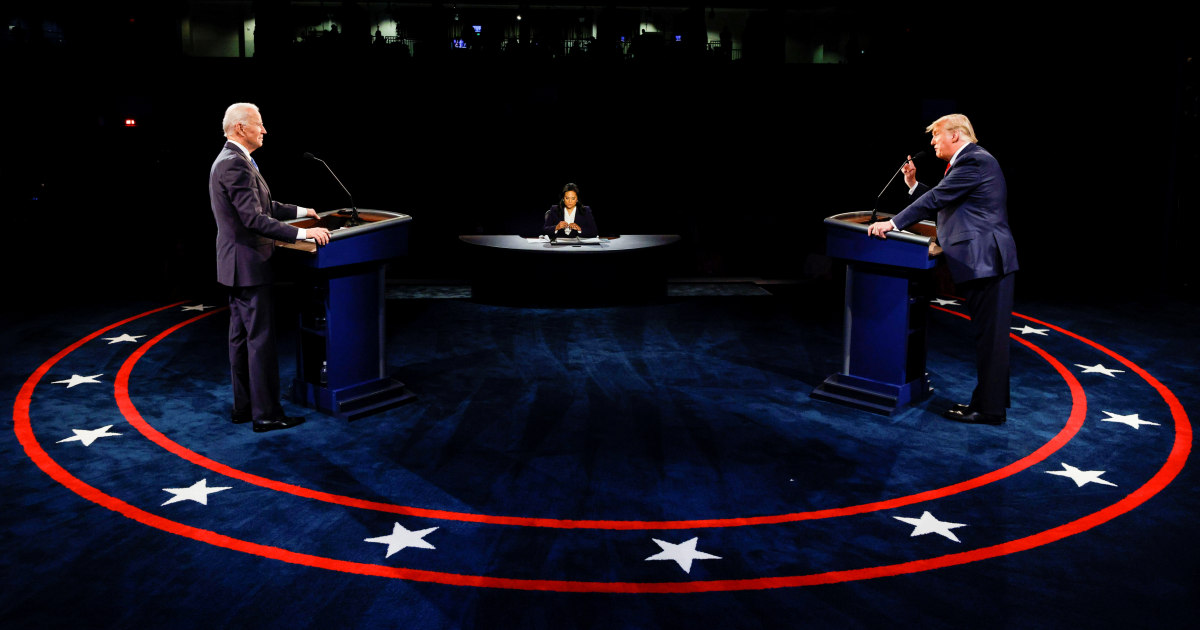
"Más de 20,000 de ellos luchan contra el coronavirus en la primera línea de batalla"
Publisher’s rating: Cierto
کرونا کار فراماسونرها است که سالها قبل در یک موسیقی رپ آن را فاش کردهاند.
Publisher’s rating: نادرست
"Estados Unidos tiene el mejor sistema de pruebas para detectar el COVID-19 en el mundo y por eso la tasa de casos positivos es tan alta"
Publisher’s rating: Falso
“LA BANCA ROTHSCHILD REGISTRÓ HACE CINCO AÑOS UN MÉTODO PARA TESTEAR EL COVID-19”
Publisher’s rating: Falso
Einem Facebook-Post zufolge hat ein ehemaliger Forscher angeblich die Gefährlichkeit des neuen Coronavirus in Frage gestellt. «85 Prozent sind immun gegen das Virus», soll der emeritierte Mikrobiologe Sucharit Bhakdi einem Zitat-Bild zufolge gesagt haben, das im Netz verbreitet wird (hier archiviert). Bhakdi soll außerdem dafür plädiert haben, die Zahl der Toten und schwer Erkranken in den Blick zu nehmen - und nicht die Infektionszahlen. «Die Sterberate beträgt so lediglich 0,1 bis 0,2 Prozent der Erkrankten», heißt es.
Publisher’s rating: Bhakdis Zitat zum Thema Immunität wird hier verkürzt und damit verfälscht wiedergegeben. Die Rede war von 85 Prozent der Infizierten, nicht von 85 Prozent aller Menschen. Zur Immunität gibt es überdies noch keine gesicherten Erkenntnisse. Die von Bhakdi angegebene Sterberate deckt sich nicht mit bisherigen internationalen Studien, die von höheren Werten ausgehen.
The Facebook image attributed two claims to emeritus microbiologist Sucharit Bhakdi: that 85% were immune to coronavirus and that the death rate was only 0.1–0.2%. The review traces the quotations to an interview with the Fuldaer Zeitung and checks what Bhakdi said there. Its key finding is that the image changes the scope of the 85% statement: in the interview, Bhakdi referred to people already infected, not to 85% of the population. The review says the interview wording was that 85% of infected people were not seriously ill, and then described those people as immune. Thus the image’s broader phrasing does not accurately represent the interview’s stated group. [S1] The review also distinguishes Bhakdi’s assertion about immunity from established evidence: it reports that whether recovered people are protected against reinfection, and for how long, had not been established. For the mortality claim, it explains that estimates depend on the measure used, available testing, and conditions in different places, and reports that the cited studies gave estimates above 0.1–0.2%. Those results do not establish one universal rate; the review notes substantial variation across countries and studies. [S1]