PeakMetrics / Fact Checks
Health & medicine fact checks
Explore claims publishers have checked about health & medicine. Read their original ratings and follow the evidence.
Search fact checks
Search by text or image13,675 published reviews in this topic
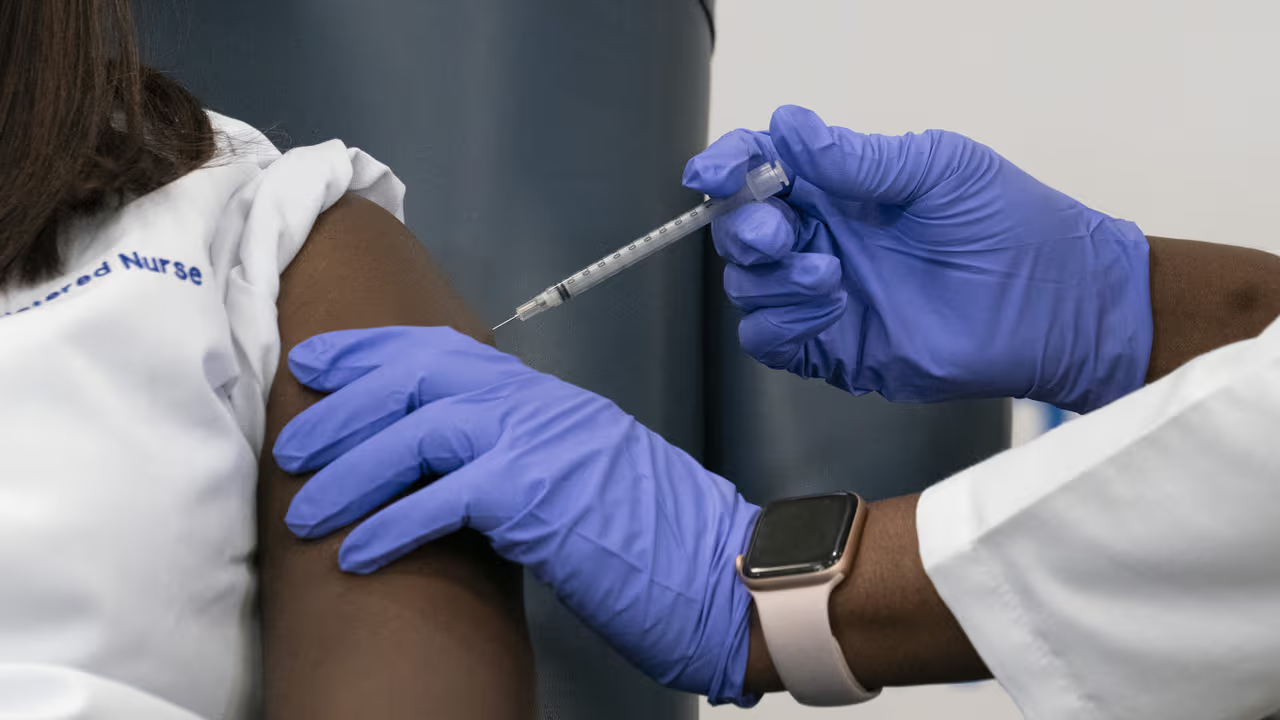
Los latinos son "conejillos de indias" para las vacunas"
Publisher’s rating: Falso

Es mejor infectarse ahora con el virus para desarrollar inmunidad
Publisher’s rating: Engañoso
A los indocumentados no les van a poner la vacuna
Publisher’s rating: No hay evidencias

மெட்பெட்ஸ் உங்கள் தசைகள், தோல் ஆகியவற்றை ஆராய்ந்து, உங்கள் இரத்தத்தில் மைக்ரான் அளவு வரை சென்று நோயைக் கண்டறியும் மற்றும் எந்தவொரு நோயையும் 2.5 நிமிடத்தில் கண்டறிந்து, அதனைக் குணப்படுத்திவிடும்,
Publisher’s rating: FALSE
The claim concerns images of a supposed MedBed said to examine muscles and skin, detect disease at a microscopic level, and diagnose and cure any illness in 2.5 minutes. Vishvas News investigated the images and the claimed capability. It reports using Google reverse-image search and finding the pictures in the 2013 science-fiction film *Elysium*; the film’s trailer also shows the images. The review describes the scanners as fictional devices portrayed in the film, not evidence of a real medical machine. (The review’s investigation says: “இந்த வைரல் புகைப்படங்களை கூகுள் தலைகீழ் படத் தேடலினை பயன்படுத்தி தேடியதில், இந்த புகைப்படங்கள் 2013ஆம் ஆண்டில் வெளியான அறிவியல் புனைகதை திரைப்படமான ‘எலிசியம்’ இலிருந்து எடுக்கப்பட்டு இருப்பதைக் கண்டறிந்தோம்.”) The review also considered whether a real device matching the claimed function was supported by the cited research. It says an IEEE paper describes a “smart digital medical bed” intended to address practical issues including time, space and medical costs, and to help patients care for themselves when nurses are delayed or absent. The review notes that the paper does not say the bed can cure any disease in 2.5 minutes. This evidence describes a different, practical purpose for a medical bed—not the extraordinary diagnostic and curative powers attributed to the viral images. (The review says: “நோயாளிகள் யாரையும் சார்ந்திருக்காது இருப்பதே இந்த கருவியின் வடிவமைக்கப்பட்ட நோக்கமாகும், மேலும் செவிலியர்கள் தாமதமாக வரும்போதோ அல்லது அவர்கள் இல்லாதபோது, நோயாளிகள் தங்களே தாங்களே கவனித்துக்கொள்ள இது உதவுகிறது என்பதும் குறிப்பிடத்தக்கது.” and “இவை தவிர, இந்த கருவி எந்த நோயையும் 2.5 நிமிடங்களில் குணப்படுத்த முடியும் என்று எங்கும் குறிப்பிடப்படவில்லை.”) As an additional check, the review reports asking Dr. Nikhil, identified as a critical-care physician at Apollo Hospitals in Delhi. He said that no machine like the one described in the viral post exists. Taken together, the image provenance, the limited purpose of the medical-bed research, and the physician’s comment do not substantiate the post’s claim that the pictured device can diagnose and cure any illness within the stated time. (The review reports: “டெல்லியின் அப்பல்லோ மருத்துவமனைகளில் பணியாற்றக்கூடிய முக்கிய பராமரிப்பு பிரிவு மருத்துவரான டாக்டர் நிகிலிடம் இது குறித்து நாங்கள் கேட்டதில், ஒரு இயந்திரத்தால் 2.5 நிமிடங்களில் ஒரு நோயைக் கண்டுபிடித்து குணப்படுத்த முடியுமானால் மருத்துவர்களின் தேவை இருக்காது. இந்த வைரல் இடுகையில் கூறப்பட்டுள்ளது போன்று எந்த இயந்திரமும் இல்லை என்று கூறினார்.”)

VACINA CORONAVAC ESTA DEIXANDO AS PESSOAS PARALITICAS VOLUNTARIOS QUE TOMARAM A VACINA TIVERAM EFEITO PARALITICO
Publisher’s rating: Falso
Terapi gurah minyak kayu putih dapat mencegah sekaligus menyembuhkan infeksi virus Corona Covid-19
Publisher’s rating: Tidak terbukti

Cola führt zu einem positiven SARS-CoV-Antigentest.
Publisher’s rating: Cola zerstört als säurehaltige Flüssigkeit die Struktur der Eiweiß-Indikatoren auf dem Reagenzträger und macht die Farbpartikel sichtbar, die sonst durch SARS-CoV-Antigene erscheinen. Von Schnedlitz wurden wichtige Schritte und Arbeitsbedingungen nicht beachtet.
Das neuartige Coronavirus ist seit einigen Monaten eine weltweite Bedrohung. Es gehört zur schon länger bekannten Familie der Coronaviren. Unter anderem der frühere Vizepräsident des Pharmaunternehmens Pfizer, Mike Yeadon, behauptet (hier archiviert): Wer schon einmal mit einem Erreger aus der Coronavirus-Familie infiziert war, sei daher immun gegen Sars-CoV-2. Eine Impfung gegen das neue Virus sei daher nicht notwendig. Im Internet wird diese Falschbehauptung ohne jegliche Einordnung weiterverbreitet.
Publisher’s rating: Zur Immunität gegen das neuartige Coronavirus gibt es bislang keine abschließend gesicherten Erkenntnisse. Forscher untersuchen noch, inwieweit sich Infektionen mit Erkältungsviren positiv auf die Immunabwehr gegen Sars-CoV-2 auswirken.
The review examines a video in which Mike Yeadon argues that infection with older, circulating coronavirus variants protects a person from SARS-CoV-2, using Jenner’s smallpox vaccination as an analogy. It reports that experts did not consider that analogy evidence for the claimed protection: epidemiologist André Karch said there was no evidence of relevant cross-immunity in the population that protects against infection. Thomas Mertens likewise said whether cross-immunity provides partial protection against Covid-19 remained unresolved. [S1] The review distinguishes that strong immunity claim from evidence that prior infections might produce some cross-reactive immune responses. It reports that the Robert Koch Institute described the evidence as very mixed. One study found SARS-CoV-2-reactive T cells in 40–60 percent of 20 people who had not had contact with people infected with coronavirus. Researchers proposed that responses to other coronaviruses might explain the finding, but said its implications required further investigation. [S1] The review also notes that T cells had been found in blood samples from people who had not been infected, including samples collected in 2018–2019. It says some internet users wrongly interpreted such findings to mean that up to half of blood donors were immune to SARS-CoV-2; the Medical University of Vienna clarified that the findings were preliminary and the significance of those T cells had not been established. These observations therefore did not demonstrate that prior coronavirus infection reliably prevents SARS-CoV-2 infection or makes vaccination unnecessary. [S1]
رابرت اف کندی جونیور؛ ستاره دنیای ضد واکسیناسیون
Publisher’s rating: به صورت خلاصه میتوان گفت رابرت اف کندی جونیور ۶۶ ساله، در کنار دههها فعالیت در زمینه حفظ محیط زیست، در سالهای گذشته حامی مالی و معنوی اصلیترین جریانهای ضد واکسن در جهان بوده است. او با حمایت از تئوریهایی که درستی آنها اثبات نشده است، در عمل باعث شکل گرفتن جریانهایی میشود که علیه واکسیناسیون تبلیغ میکنند.

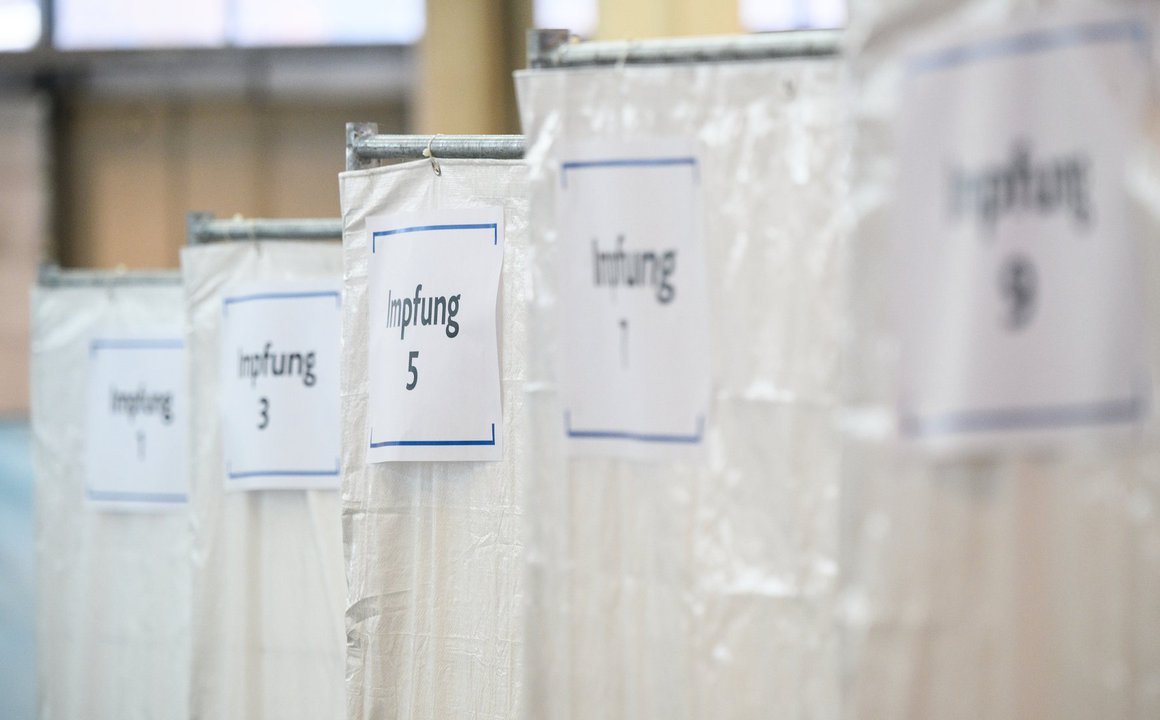
Die britische Behörde MHRA rechnet bei der Corona-Impfung mit massiven Impfschäden.
Publisher’s rating: Bei dem Schreiben der MHRA handelt es sich um eine Ausschreibung. Die Behörde sucht nach einem Software-Tool, um die erwartete große Menge an Meldungen von Nebenwirkungen der Corona-Impfung gut verarbeiten zu können. Von erwarteten massiven Impfschäden ist keine Rede. Nach Angaben des Arzneimittelexperten Christoph Baumgärtel handelt es sich dabei um kein unübliches Vorgehen. Die MHRA erwartet, dass das allgemeine Sicherheitsprofil der Corona-Impfung ähnlich ist wie bei anderen Impfstofftypen.
The claim concerned a British MHRA notice seeking a software tool to handle reports related to the COVID-19 vaccination programme. The review says the notice was published on the European Union’s Tenders Electronic Daily procurement portal on 23 October 2020. It sought an artificial-intelligence tool to process an expected large volume of reports of suspected adverse reactions; the notice said the existing system could not be upgraded to manage that volume effectively. That concern about handling reports was not evidence that the agency expected severe vaccine injuries. The review distinguishes the anticipated number of reports from the nature or seriousness of the events reported. It says the notice described the need to identify possible safety problems quickly, but did not predict massive vaccine harms. The claim also conflated adverse-effect reports with vaccine injuries, which the cited expert, Christoph Baumgärtel of Austria’s AGES medicines authority, treated as distinct categories. Baumgärtel told APA on 1 December 2020 that heightened attention to vaccination could lead people to report even mild effects, and that a surge in reports did not mean the vaccine was highly unsafe. Separately, an MHRA spokesperson told APA on 9 December that, based on available published reports from phase-one and phase-two clinical trials, the agency expected the vaccine’s general safety profile to be similar to that of other vaccine types. The review therefore attributes the procurement notice to preparation for processing reports, not an expectation of mass injury.
Auf die anvisierten Impfungen gegen das Coronavirus setzen Politiker und Wissenschaftler große Hoffnungen. Doch nicht jeder will sich impfen lassen. Wird das in der Praxis zum Nachteil werden? Im Internet kursiert ein Video, das solche Befürchtungen scheinbar bestätigt. «Reisen künftig nur noch mit Impfpass möglich», heißt es darin. Demnach soll darin künftig auch vermerkt werden, ob jemand eine Corona-Impfung hat. Das plane die Weltgesundheitsorganisation (WHO). «WHO plant Reisen ohne Impfpass zu verbieten», schreiben Nutzer, die das Video teilen (hier archiviert).
Publisher’s rating: In den Beiträgen wird die Position der WHO in der Diskussion um Impfnachweise verkürzt und missverständlich dargestellt. Die WHO kann zudem keine Verbote für Reisen ohne Impfpass erteilen. Einschränkungen kann es jedoch in Einreisebestimmungen der Länder und Beförderungsbedingungen etwa von Airlines geben.
The claim grew out of an online video saying future travel would require a vaccination passport, with users presenting this as a WHO plan to ban travel without one. The review distinguishes a WHO project to develop a digital version of the yellow vaccination card from the separate question of who can impose travel conditions. It says that the WHO cannot issue a general rule forbidding travel without a vaccination passport; entry rules belong to individual countries, while airlines may set additional conditions in their carriage terms. (The original review describes the video and the claim as: “«Reisen künftig nur noch mit Impfpass möglich», heißt es darin. Demnach soll darin künftig auch vermerkt werden, ob jemand eine Corona-Impfung hat. Das plane die Weltgesundheitsorganisation (WHO). «WHO plant Reisen ohne Impfpass zu verbieten», schreiben Nutzer, die das Video teilen”. It also states: “Die Einreisebestimmungen für Reisende sind dabei Sache der jeweiligen Länder. Zusätzliche Bestimmungen für Fluggäste können die Beförderungsbedingungen der Airlines enthalten. Die WHO kann dagegen keine entsprechende Vorschrift erlassen, wonach Reisen generell nur noch mit Impfpass erlaubt wären.”) The review notes that some destinations already required proof of vaccination against particular diseases, giving yellow fever as an example, and that many countries were asking arriving travelers for negative COVID-19 test results. Those existing requirements do not establish a WHO-wide travel ban. The review also reports that airlines were discussing their own policies: Qantas had announced that it would carry only passengers with proof of vaccination, while Lufthansa opposed such plans. (S1: “Laut dem Centrum für Reisemedizin besteht in einigen Ländern etwa eine Impfpflicht gegen das durch Mücken übertragene Gelbfieber, das in Regionen Lateinamerikas und Afrikas verbreitet ist.” “Viele Länder verlangen bei der Einreise etwa ein negatives Testergebnis.” “Die Airline Quantas etwa hatte angekündigt, künftig nur noch Passagiere mit Impfnachweis zu befördern. Auch der Airlineverband IATA entwickelt einen digitalen Gesundheitspass, der einen solchen Nachweis enthalten könnte. Die Lufthansa hatte sich gegen solche Vorhaben ausgesprochen.”) The digital-card work was not described as a general travel prohibition. The review says a WHO consortium was working on standards for a digital “Smart Yellow Card” that could support anticipated coronavirus vaccinations, with a pilot project underway in Estonia. It also reports that a WHO official had said on December 3, 2020, that the organization did not recommend immunity passports or tests to prevent cross-border transmission. (S1: “Ein WHO-Konsortium arbeitet vielmehr an einer elektronischen Variante des gelben Impfpasses. Ziel ist es den Angaben zufolge, «Standards für eine digitale Smart Yellow Card» zu erarbeiten. Diese soll auch die erwarteten Impfungen gegen das Coronavirus unterstützen. Ein Pilotprojekt dazu läuft derzeit in Estland.” “«Wir empfehlen keine Immunitätspässe noch Tests, um eine grenzüberschreitende Übertragung zu verhindern», sagte Catherine Smallwood, leitende Notlagenbeauftragte beim WHO-Regionalbüro für Europa, bei einer Pressekonferenz am 3. Dezember 2020.”)
Während das Coronavirus die Welt in Atem hält, fordern Beiträge in sozialen Netzwerken dazu auf, die Bekämpfung anderer Krankheiten nicht zu vernachlässigen. Bei Facebook (hier archiviert) wird mit Blick auf Krebs etwa gefragt, «warum unsere Regierung zur Erforschung der Krankheit (...) jährlich nur 62 Mio. Euro ausgibt?».
Publisher’s rating: Die Regierung gibt zur Erforschung von Krebs jährlich mehr als den genannten Betrag aus. Die 62 Millionen Euro sind ein Teil davon und sollen Studien zu Prävention, Diagnose und Therapie von Krebserkrankungen fördern.
The post questioned why the German government supposedly spent only €62 million a year on cancer research. The review’s account distinguishes that figure from total government spending: it says the amount referred to one funding measure within the “National Decade Against Cancer,” not all federal cancer-research funding. The review reports that a ministry spokesperson told dpa that this measure was to receive more than €500 million in additional funding from 2019 to 2028, on top of existing project and institutional funding. To examine the figure, dpa reported asking a spokesperson for the Federal Ministry of Education and Research (BMBF) about it and cited the ministry’s budget overview. The review says the government spent almost €2.9 billion annually on health research overall, including cancer research, but notes that the spokesperson did not provide a total annual figure for cancer research. It therefore does not establish a single comprehensive annual cancer-research total; it does show why the €62 million figure should not be treated as that total. The review also gives a separate scale comparison: it reports that Heidelberg’s cancer research center received more than €200 million annually. It mentions a €300 million government investment in CureVac that year, while qualifying that the company’s technologies were also used to develop cancer therapies. These examples provide additional context, but the review does not present them as a complete accounting of cancer-research spending.

In den sozialen Medien macht ein vermeintliches Familienfoto aus Kindesheitstagen von Ugur Sahin die Runde. Er ist heute Chef der Pharmafirma «Biontech», die einen aussichtsreichen Impfstoff gegen das Coronavirus entwickelt hat. Auf dem Foto posieren eine Frau und ein Mann mit vier Kindern. Sahin sei der kleine Junge im gelben Shirt, heißt es im Text zum Bild (hier archiviert).
Publisher’s rating: Das Foto zeigt nicht Ugur Sahin mit seinen Angehörigen, sondern eine unbekannte türkische Einwandererfamilie. Diese wurde von der Fotografin Candida Höfer im Jahr 1979 abgelichtet.
The claim concerns a photograph circulating on social media that was described as showing Ugur Sahin’s family, with Sahin identified as the small boy in a yellow shirt. The investigation identifies the image as part of German photographer Candida Höfer’s series “Türken in Deutschland,” which portrayed Turkish immigrant families. It reports that a reverse image search linked the picture to that series, rather than to Sahin’s family. [S1: “Bereits eine Bilderrückwärtssuche entlarvt, dass Ugur Sahin nichts mit den Personen auf dem Bild zu tun hat. Es zeigt eine von mehreren Dutzend türkischen Einwandererfamilien, die die deutsche Fotografin Candida Höfer Ende in den 1970er Jahren abgelichtet hat. Der Titel dieser Serie: «Türken in Deutschland»”] The photograph is dated to 1979. Sahin was born in 1965, so he would already have been a teenager at the time; the review notes that this does not fit the much younger boy in the image. This age comparison is a separate check on the identification, alongside the image’s connection to Höfer’s series. [S1: “Auffällig: Das aktuell kursierende Foto datiert auf das Jahr 1979. Sahin, Jahrgang 1965, war zu dem Zeitpunkt der Aufnahme bereits ein Teenager - und damit deutlich älter als der kleine Junge auf dem Bild.”] The review also sought information from people connected to the photographer. A member of Höfer’s staff rejected the claim that the pictured family was Sahin’s, but said they could not identify the family or the boy. The article reports that Höfer recalled taking the photo in Düsseldorf and that the family had recently arrived from Turkey. These details support the image’s photographic context, but do not establish the family’s names or the boy’s identity. [S1: “Ein Mitarbeiter Candida Höfers dementiert auf Anfrage der Deutschen Presse-Agentur (dpa), dass es sich bei der fotografierten Familie um die von Ugur Sahin handele. Man verfüge allerdings über keinerlei weitere Informationen über die Porträtierten”; “In der türkischen Zeitung «Hurriyet» allerdings erinnert sich die Fotografin, dass sie das Foto in Düsseldorf aufgenommen habe. Die Familie sei damals gerade erst aus der Türkei angekommen und sehr gastfreundlich gewesen.”]
The Philippines was the "earliest...in the world" to impose a lockdown to curb the spread of COVID-19.
Publisher’s rating: False
