PeakMetrics / Fact Checks
Health & medicine fact checks
Explore claims publishers have checked about health & medicine. Read their original ratings and follow the evidence.
Search fact checks
Search by text or image13,674 published reviews in this topic
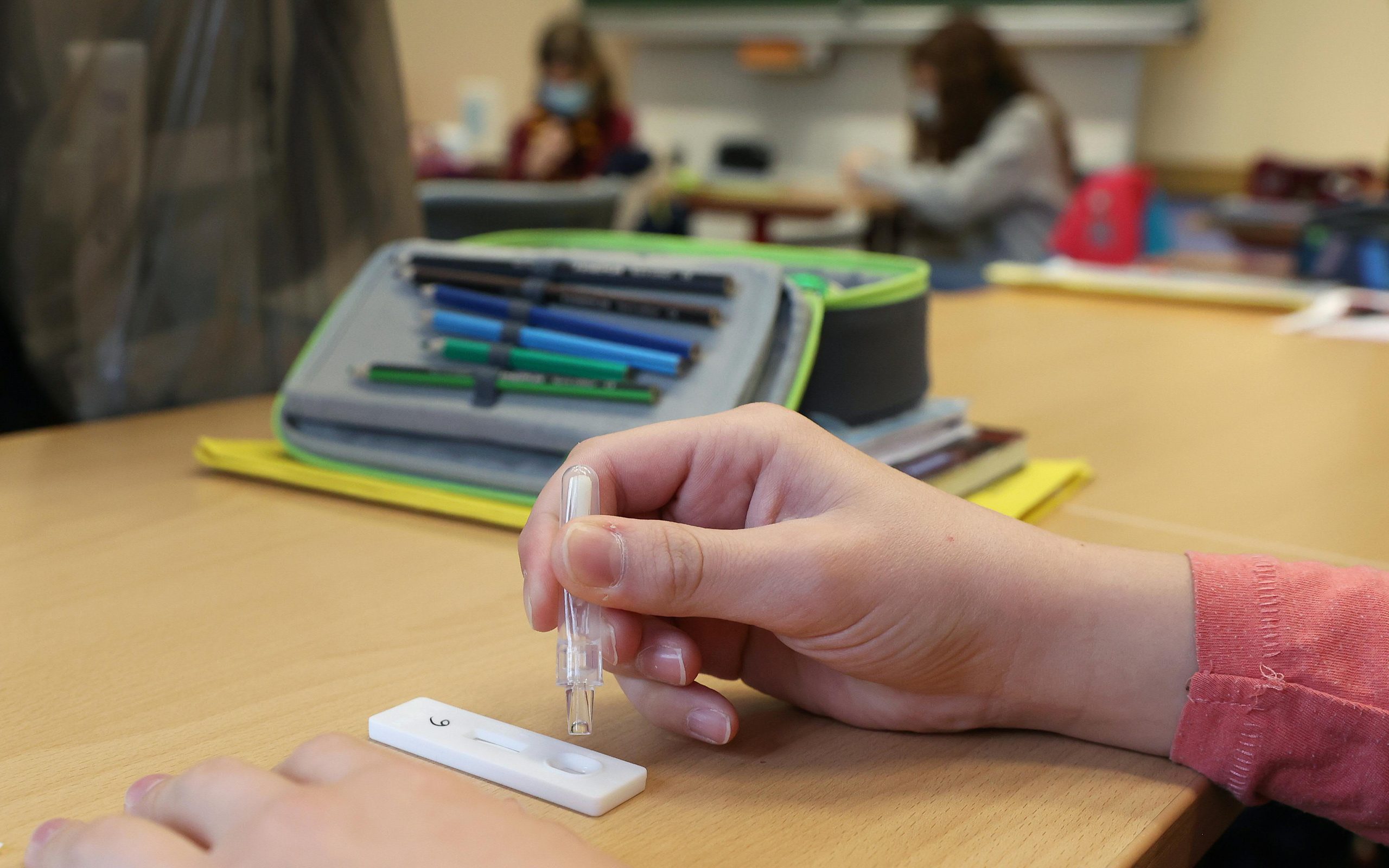
Die Anzahl der positiven Tests durch die Schnelltests ist geringer als die erwartbare falsch-positive Zahl, die die Testhersteller angeben. Die Testpflicht ist unverhältnismäßig und verstößt gegen verfassungsgesetzlich gewährleistete Rechte.
Publisher’s rating: Die Anzahl der positiven Schnelltests entspricht zwar den von den Herstellern angegebenen möglichen falsch-positiven Testungen, die begleitende Studie zu den Schultestungen sieht in Zusammenschau mit gemeldeten positiven PCR-Testungen aus der Altersgruppe von Schülern aber klare Hinweise darauf, dass durch die Testungen potenzielle Cluster frühzeitig entdeckt werden können. Aus rechtlicher Sicht ist es schwierig, eine Verhältnismäßigkeit und somit Verfassungskonformität eindeutig zu benennen. Das Bildungsministerium bezeichnet die Maßnahme als „notwendig und rechtlich abgesichert”.
On ne meurt plus du Covid-19, mais de la vaccination.
Publisher’s rating: Les deux messages sont trompeurs. D’une part, les cas de décès suspects de personnes ayant été vaccinées sont rares, tels qu’en témoignent les statistiques israéliennes, britanniques ou belges. D’autre part, la courbe du nombre de décès dus au Covid-19 en Israël et au Royaume-Uni, qui avait atteint un pic en janvier 2021 alors que la 3e vague de la pandémie touchait ces deux pays de plein fouet, ne cesse de décroître.
An einem Spital steht die Parole "Impfen macht frei".
Publisher’s rating: Das Foto des Spitals ist manipuliert. Dort ist kein solcher Schriftzug zu sehen.
(Falsch-) positive Testergebnisse unter Schülern lassen die Corona-Infektionszahlen in Deutschland steigen.
Publisher’s rating: Falsch. Tests in Schulen gehen grundsätzlich nicht in die Corona-Statistik des Robert Koch-Instituts ein. Falsch-positive Schnelltest-Ergebnisse werden zudem durch PCR-Tests mit hoher Sicherheit ausgesiebt.
The claim concerned a handwritten social-media note dated 9 April 2021. It argued that even a 1% rate of false-positive results among school pupils would produce 218,000 additional coronavirus cases per week. The review explains that the calculation’s premise was wrong: school antigen-test results were not themselves entered into the Robert Koch Institute’s (RKI) national case figures. A positive rapid or self-test had to be checked by a laboratory PCR test; only a case confirmed by PCR was included in the RKI statistics. That confirmation step addresses both kinds of positive school-test result raised by the claim: whether a result was false-positive or genuinely positive, the rapid-test result alone did not add a case to the RKI count. The review says PCR testing would filter out false positives with greater reliability. It also notes a separate flaw in the note’s arithmetic assumptions: although Germany had about 10.9 million pupils in the 2020/2021 school year, far fewer than all of them were attending in-person classes at the time. In North Rhine-Westphalia, for example, fewer than half were in school for in-person instruction under the post-Easter alternating-attendance arrangement.

पूर्व लोकसभा अध्यक्षा सुमित्रा महाजन का कोविड संक्रमण से निधन हो गया है।
Publisher’s rating: False
Im US-Bundesstaat Virginia ist ein zwei Jahre altes Mädchen nach einer Impfung mit Biontech/Pfizer während einer Studie gestorben.
Publisher’s rating: Die gezeigte Meldung ist kein von den Behörden bestätigter Todesfall - in das System können von jeder und jedem Meldungen über vermutete Nebenwirkungen oder Zwischenfälle nach Impfungen gemacht werden. Dass die Meldung authentisch ist, erscheint zweifelhaft: Für reguläre Impfungen in dieser Altersgruppe ist der Impfstoff bislang nicht zugelassen. Zum behaupteten Todeszeitpunkt hatte die klinische Studie mit Kindern in diesem Alter noch gar nicht begonnen.
The claim was based on a screenshot shared on Facebook, purporting to show that a two-year-old had received the BioNTech/Pfizer vaccine and died afterward. The review says the underlying entry in the US Vaccine Adverse Event Reporting System (VAERS) recorded an alleged vaccination on February 25, 2021, and death on March 1. It also notes that the entry did not say where or who administered the vaccine, and supplied no information establishing that vaccination caused the death. The excerpt therefore does not substantiate the claim’s specific Virginia location or a causal link. The screenshot came from an anti-vaccine website that republished reports from the CDC-associated database; the review says the same data could be retrieved from VAERS using the report’s ID. It explains that VAERS accepts reports from members of the public about suspected adverse events, so a database entry is an unverified report, not confirmation of an event or its cause. The review also reports that the vaccine was not authorized in the United States for people under 16 at the time, and that the manufacturers’ study involving children aged six months to 11 years began about a month after the alleged vaccination date. Thus, the claim that the incident occurred in that study does not fit the chronology described in the review.
Mike Yeadon hat im verlinkten Artikel unter anderem gesagt, dass die überwiegende Mehrheit der Menschen durch Covid-19-Impfstoffe getötet wird.
Publisher’s rating: In der angegebenen Quelle tauchen die Behauptungen nicht auf. Der Autor des in dem Sharepic verlinkten Artikels spricht auf Nachfrage von einem «Fake-Zitat». Auch andere Belege für die Echtheit der Aussagen lassen sich nicht finden.


mRNA vaccines like those from Pfizer and Moderna can alter your DNA
Publisher’s rating: False

గుజరాత్ తాపి జిల్లాలో టెంట్ల కింద నేలపై కరోనా పేషెంట్స్ కి వైద్యం అందిస్తున్న ఫోటో
Publisher’s rating: FALSE

WHO approved a home remedy found by an ex-student of St. Xavier’s High School in Mumbai
Publisher’s rating: FALSE
The reviewed social-media post claimed that an ex-student of St. Xavier’s High School in Mumbai had found a remedy for COVID-19 and that WHO had approved it. It specified a mixture of pepper powder, honey and ginger juice, and claimed that taking it for five consecutive days would suppress COVID-19 “to 100%.” The fact-check says it found no authentic information establishing either that the student had discovered a cure or that WHO had accepted one. To assess the student-related part, FACTLY reports searching for news articles and other credible sources about an Indian student from the Mumbai school finding a COVID-19 cure, but says it could not find reporting that confirmed the claim. For the remedy itself, the review distinguishes reports describing the mixture as a remedy for colds or coughs or as an immunity booster from evidence that it cures COVID-19: it says those reports did not claim the mixture cured the disease. The review also points to WHO’s own material. It says WHO had debunked the idea that hot pepper powder in food could cure or prevent COVID-19, and quotes the WHO Mythbusters section stating that there was no specific medicine to prevent or treat the disease. It reports that, as of 18 February 2021, WHO had approved at least seven COVID-19 vaccines, but had not approved a medicine to cure COVID-19. Together, the review’s search findings and the cited WHO information do not support either the claimed discovery or the claimed WHO approval.
Tidak ada uji coba vaksin Covid-19 pada hewan yang berhasil, karena semua hewan yang digunakan mati
Publisher’s rating: Keliru

Photo of three persons getting treated on the same bed at a government hospital in Gujarat
Publisher’s rating: FALSE
The claim concerns a photo presented as showing two men and a woman being treated on one hospital bed in Gujarat. The post used the image to criticize the state’s health-care system, and the review notes that the same image was also attributed to government hospitals in Telangana and Andhra Pradesh. The investigation identifies the photo as being from a government hospital in Nagpur, Maharashtra—not Gujarat. The review describes two checks. First, it says the number on the hospital bed was written in Marathi, which it treated as evidence linking the image to Maharashtra. Second, a reverse-image search found a similar photo in a tweet by Times Now senior editor Megha Prasad, who identified the visuals as coming from a government hospital in Nagpur. The review also found news articles with similar images and reports of patients at Nagpur Government Medical College hospital. Those reports described more than two COVID-19 patients sharing a bed and said the hospital was reportedly short of beds during a surge in cases. This supplies context for the crowded scene, while the image’s Maharashtra provenance directly contradicts its attribution to Gujarat. The excerpt does not identify the date the photo was taken or provide the linked tweet or news articles’ contents in full.
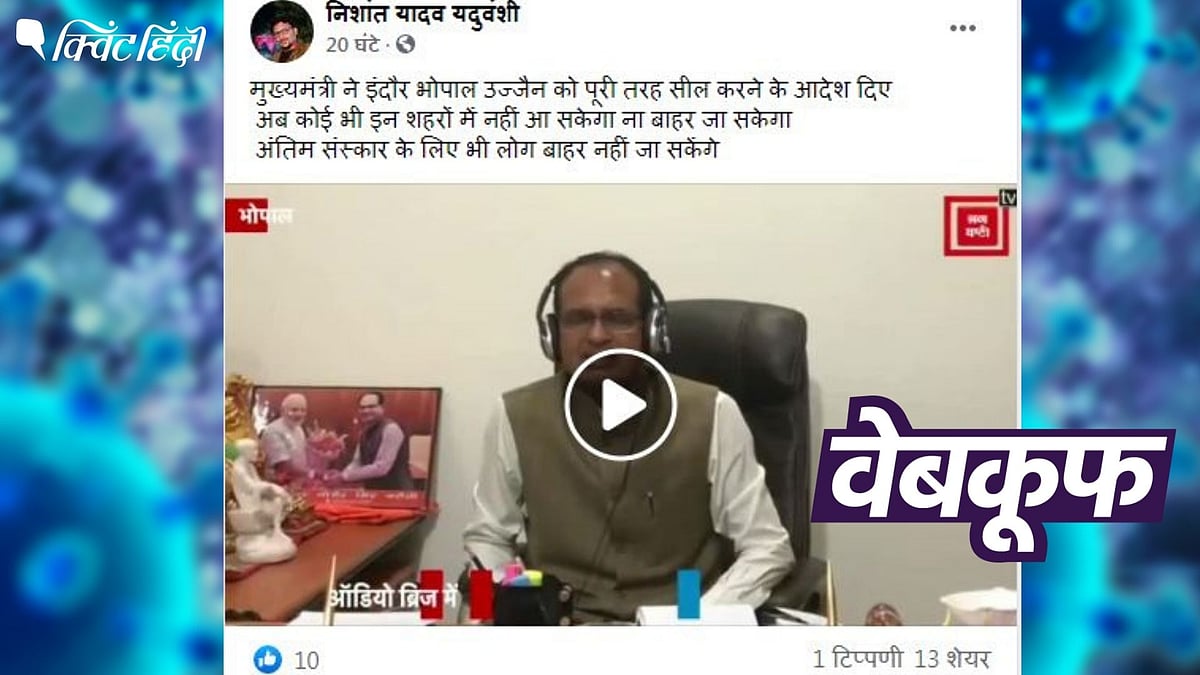
बढ़ते कोरोना मामलों को देखते हुए भोपाल और इंदौर किए गए सील
Publisher’s rating: FALSE

Médicos europeus pedem uso urgente da ivermectina
Publisher’s rating: ENGANOSO: Publicação não menciona que Tedros Adhanom aparece na reportagem em um trecho que fala justamente da não-recomendação da OMS do uso da ivermectina no tratamento de pacientes infectados pelo novo coronavírus.

Die Teststäbchen von Corona-Selbsttests sind krebserregend und gesundheitsschädlich, weil sie mit dem giftigen und krebserregenden Gas Ethylenoxis / EO beschichtet sind.
Publisher’s rating: Falsch. Es gibt keine Hinweise darauf, dass die EO-Belastung bei solchen Wattestäbchen über den international festgelegten Grenzwerten liegt.
ਡਬਲਯੂ ਐਚ ਓ (WHO) ਨੇ ਸ਼੍ਰੀਲੰਕਾ ਨੂੰ ਕੋਵਿਡ 19 ਨੂੰ ਸੰਭਾਲਣ ਦੇ ਲਈ ਇੱਕ ਉੱਤਮ ਦੇਸ਼ ਵਜੋਂ ਦਰਸਾਇਆ ਹੈ ।
Publisher’s rating: False
