PeakMetrics / Fact Checks
Health & medicine fact checks
Explore claims publishers have checked about health & medicine. Read their original ratings and follow the evidence.
Search fact checks
Search by text or image13,673 published reviews in this topic
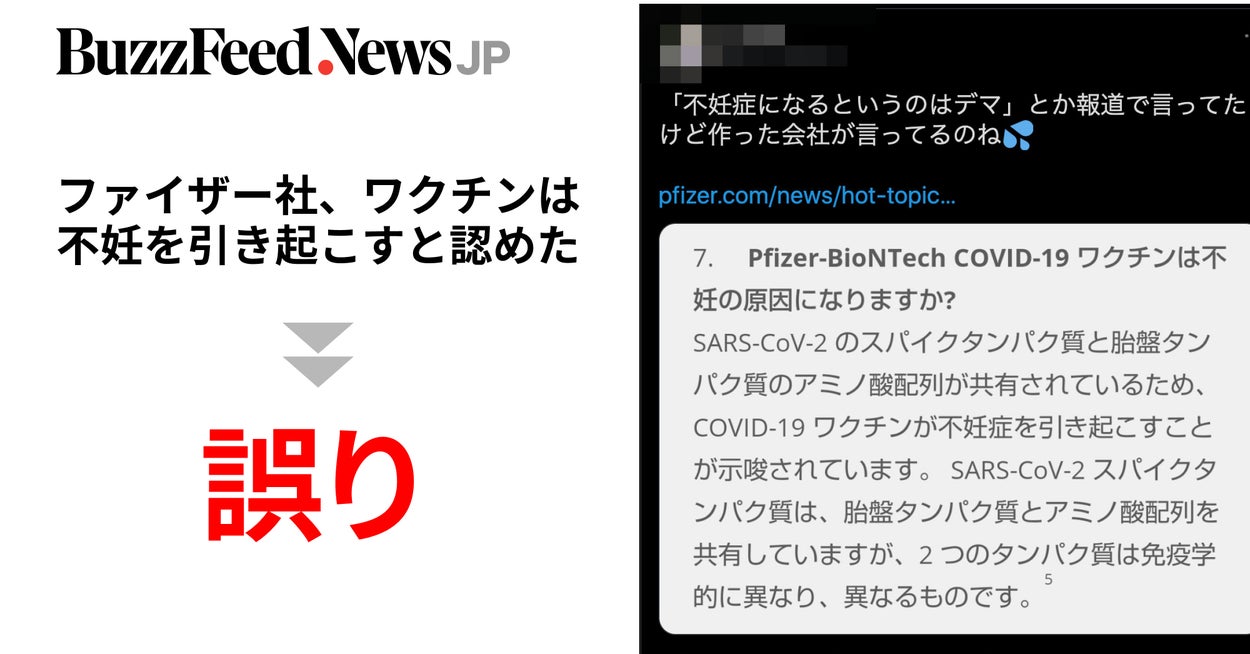
「ワクチンは不妊を引き起こすとファイザー社が公式サイトで認めた」
Publisher’s rating: 誤り
The claim concerned wording on Pfizer’s official “THE FACTS ABOUT THE PFIZER-BIONTECH COVID-19 VACCINE” page. The review says that posts treated the sentence “It has been suggested that COVID-19 vaccines will cause infertility” as Pfizer admitting that the vaccine could cause infertility. The sentence appeared in an answer discussing a proposed link between a shared amino-acid sequence in the coronavirus spike protein and a placental protein. The review examined the surrounding text, rather than relying on the circulated sentence alone. It reports that the page says the two proteins are “immunologically different and distinct,” and describes an animal study in which no vaccine-related adverse effects on female fertility, fetal development, or postnatal development were reported. The review explains that Pfizer’s page was addressing and rejecting the infertility claim; the extracted sentence was presented without that qualifying context. It also notes that the review considered the translation: it says “suggested” was better rendered as “pointed out” in this context than as “suggested” in a way that could make the allegation sound endorsed. The review further cites clinical-trial pregnancy data and follow-up of vaccinated pregnant people as evidence against the claim. It reports that pregnancies identified after trial enrollment occurred at similar rates among vaccine and placebo recipients, and that a report based on follow-up of nearly 100,000 vaccinated pregnant people found no result showing adverse effects on pregnancy. Taken together, the website’s full answer and the additional evidence described in the review do not support the claim that Pfizer officially acknowledged its vaccine causes infertility.
Ribuan email Anthony Fauci bocor dan mengungkap keterlibatannya dalam pembuatan Covid-19 di Laboratorium Wuhan, Cina
Publisher’s rating: Keliru
Vaccines cause new variants, ADE
Publisher’s rating: FALSE
Vaccinweigeraars kunnen gevaccineerd worden met behulp van PCR test.
Publisher’s rating: Het bericht is onjuist. Vaccinweigeraars zullen niet worden gevaccineerd met een PCR-test. De Johns Hopkins universiteit heeft ook niet bewezen dat dit zou kunnen. De uitvinding van de universiteit waarnaar wordt verwezen is een andere techniek. Er is geen link met PCR-tests, noch met de huidige coronavaccinaties.
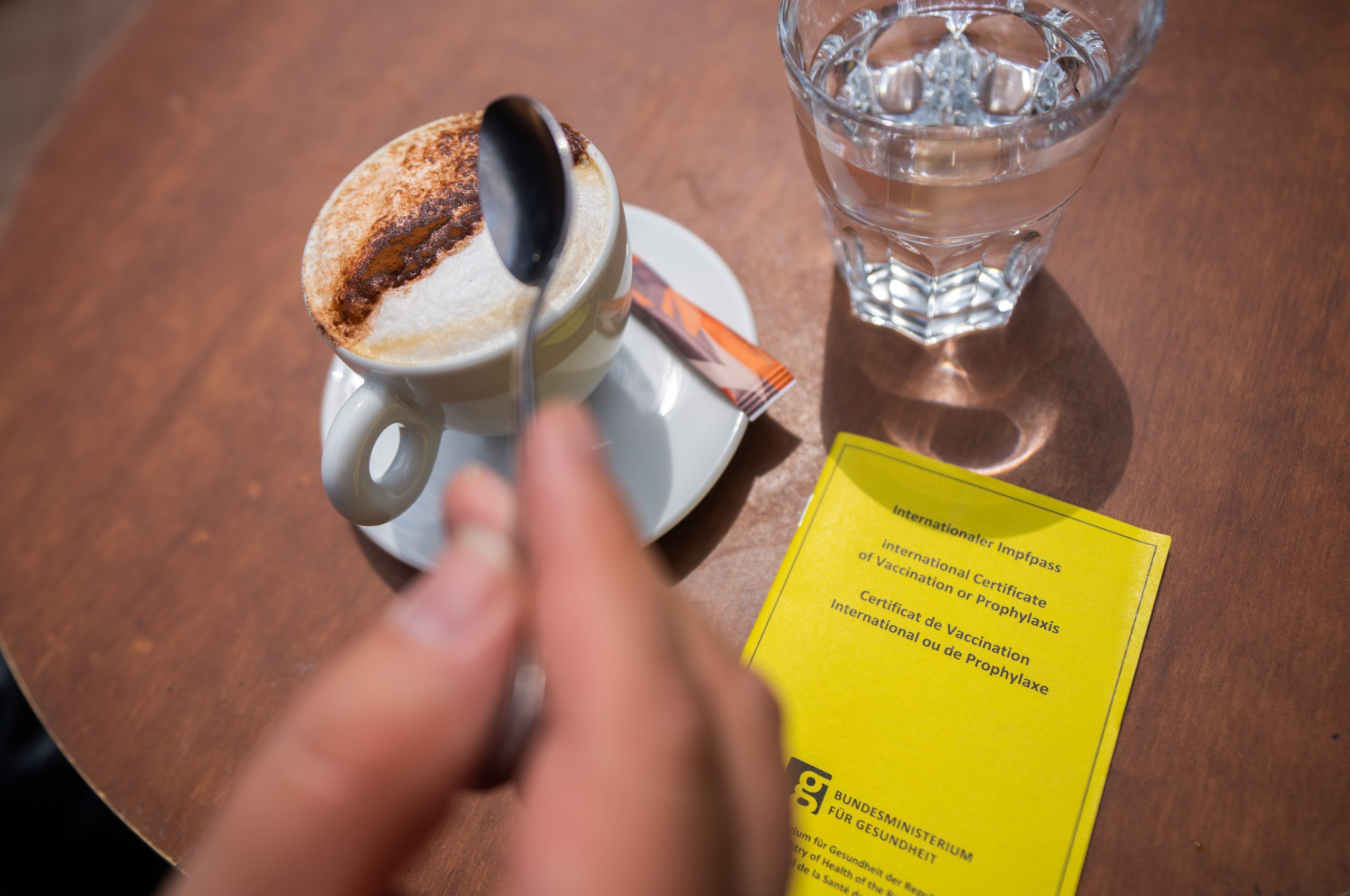
Österreich hat mit den Eintrittstests und der Maskenpflicht mit gleichzeitigem Vermummungsverbot die strengsten und ungewöhnlichsten Corona-Maßnahmen.
Publisher’s rating: Das ist falsch. Alleine in Europa finden sich einige Länder, die so wie Österreich ein bestehendes Vermummungsverbot und gleichzeitig eine Maskenpflicht haben. Für gesundheitliche Zwecke gibt es bei diesen Verboten meistens Ausnahmen. In mehreren Ländern Europas kommen Eintrittstests zur Anwendung.

Cough syrup as Covid-19 cure
Publisher’s rating: A YouTube video claiming Bromhexine syrup as a cure of Covid-19 is not backed up by any scientific evidence and is misleading people.


Der Bericht mit dem Titel "Bayern: Sieben Tote nach Corona-Impfung in Altersheim - Impfstoff von Biontech/Pfizer" wirft die Frage auf, "ob die Todesfälle nicht erst durch die Impfung hervorgerufen oder gefördert wurden". Zudem wird in Zweifel gezogen, dass der Biontech-Impfstoff Menschen über 74 Jahren überhaupt hilft.
Publisher’s rating: Falscher Kontext! Der Bericht ignoriert, dass mehrere Ärzte jeden Todesfall einzeln begutachtet hatten – mit dem Ergebnis, dass die Impfung zu spät kam, weil die Bewohner noch während der Inkubationszeit geimpft wurden, wie der zuständige Landkreis Miesbach mitteilt. Zudem gab es darüber hinaus keine Vorfälle in den anderen neun Einrichtungen im Landkreis Miesbach. Dabei lag die Impfquote unter den Heimbewohnern teilweise sogar bei 90 Prozent. Es konnte demnach eindeutig kein Zusammenhang zwischen Impfungen und Todesfällen hergestellt werden. Das Robert-Koch-Institut verweist auf die Ergebnisse von verschiedenen Studien, wonach nach vollständiger Impfserie die Effektivität der Covid-19-Impfung bezüglich Schutz vor jeglicher Infektion wie auch vor asymptomatischen Infektionen zwischen 80 und 90 Prozent lag.

සිනොවැක් එන්නත මෙරට සැබවින්ම නිපදවනවද?
Publisher’s rating: Explainer
The review investigates claims that Sinovac COVID-19 vaccine would be made in Sri Lanka, including reports that production was planned at Kundasale and social-media posts saying locally produced doses would be available later in the year. Its central question is whether this meant making the vaccine itself or carrying out filling and packaging after importing it. The review notes that officials described a planned Sri Lanka–China collaboration, but says those public statements did not clarify which process was intended. (The article also reported that Sinovac had received WHO emergency-use approval on June 1; that is separate from evidence about local production.) To clarify the planned process, the reviewers say they contacted the State Pharmaceuticals Corporation and State Pharmaceuticals Manufacturing Corporation procurement divisions, which told them they did not yet know the agreement’s details. They then contacted Kelun Lifesciences, identified in the article as a company involved in the proposed production. Its human-resources department confirmed that the work in Sri Lanka would not be complete manufacture, but only filling and packaging—described in the article as “Fill and Finish.” That direct clarification supports a narrower conclusion than the headlines and posts suggesting the vaccine would be manufactured locally: the described Sri Lankan role was fill-and-finish work, not the full production process. The review does not establish that operations had already begun; it describes a planned project and notes that the start date was variously reported. It also says the reviewers sought clarification from Sinovac and Kelun’s parent company, with the article to be updated if they responded.

FACT CHECK: වාතය හරහා පැතිරෙන නව කොවිඩ් ප්රභේදයක් මෑතකදී ලංකාවෙන් හඳුනාගත්තා ද?
Publisher’s rating: Misleading
The review investigates social-media posts claiming that Professor Neelika Malavige had said a new, air-spreading coronavirus variant had entered Sri Lanka. It identifies a June 10 Facebook post and a similar report, and says the claim arose from a misreading of her comments about transmission. The review’s central distinction is that discussion of how COVID-19 can spread through the air did not establish that a new variant with that characteristic had just been found in the country. The article describes the posts as claiming that a new variant had entered Sri Lanka and that Malavige had made that announcement: “වාතය හරහා පැතිරීම සිදු වන්නේ යැයි ලෝක සෞඛ්ය සංවිධානය විසින් හදුනාගෙන ඇති නව කොරෝනා වෛරස ප්රභේදයක් ශ්රී ලංකාවට ඇතුළු වී ඇතැයි ශ්රී ජයවර්ධනපුර විශ්ව විද්යාලයේ මහාචාර්ය නීලිකා මලවිගේ මහත්මිය කියා සිටියි.” To check the attribution, the review says it examined recordings of media briefings and television appearances, including a May 19 government information department briefing. It reports that Malavige did not announce a new air-spreading variant at that event. It also recounts her explanation that the risk of airborne spread concerned conditions such as enclosed, poorly ventilated spaces, rather than proof of a newly identified variant. The review quotes her as saying she had not made the claimed statement: “වාතය මගින් කෝවිඩ් වෛරසය බෝ විය හැකි නව ප්රභේදයක් හමුවී ඇති බවට තමන් ප්රකාශ නොකළ බවයි.” The article further reports that, according to Malavige, no new variant had been detected in Sri Lanka in the preceding days. It distinguishes the Alpha variant, which it says had been detected in many parts of the country since early April, from the Indian variant, which it says had been detected among people in quarantine but not then in the community. Its conclusion is that the posts misleadingly recast earlier remarks about transmission as an announcement of a recently discovered variant: “පසුගිය දින කිහිපයේ දී (ජුනි මස), ලංකාවෙන් කිසිඳු නව ප්රභේදයක් හඳුනාගෙන නැති බව මහාචාර්ය නීලිකා මලවිගේ පවසනවා.”

Nunca soubemos que a proteína Spike em si, é uma substância tóxica e uma proteína patogênica (causadora de doenças).
Publisher’s rating: Falso
The review examines a circulating message that attributed to vaccine specialist Byram Bridle the claim that COVID-19 vaccines cause the body to produce a toxic, disease-causing spike protein. It identifies the message’s supporting premise as a purported Japanese study and says foreign sites had misdescribed that study; the review reports that the description of lipid nanoparticles in the bloodstream was later corrected in English but continued circulating on Brazilian sites. The review says the study did not establish that vaccine-related nanoparticles remained in a person’s bloodstream for 29 days: its account is that they were detected on day 29, one day after a second vaccine injection, and were undetectable two days later. It also says the studies cited in support of Bridle’s claim did not report harmful effects from the spike protein, and that one suggested vaccination could prevent blood-vessel damage. The review further distinguishes the vaccine-produced protein from the protein produced during infection. As supporting context, the review explains that the spike protein is part of SARS-CoV-2 and that mRNA vaccines use a synthetic version to train the immune system to recognize it. It cites an AP News report and a University of Minnesota vaccine researcher, William Matchett, who described the spike protein as immunogenic—that is, prompting an immune response—rather than a toxin. The review concludes that Bridle’s assertion that vaccine spike protein is a toxic poison is unsupported.


"There was never a point at which NHS providers couldn't get access to PPE"
Publisher’s rating: A National Audit Office report cites surveys showing that a "significant proportion of participating care workers, doctors and nurses reported having insufficient PPE, even in high-risk settings".
"On borders, the position we took was based not just on World Health Organization [WHO] advice but on their international health regulations"
Publisher’s rating: This refers to a non-binding recommendation rather than forming part of the international health regulations.

"Critically, the clear advice at the time was that there's only a limited period that people would put up with it, would put up with lockdown. Actually that proved to be wrong."
Publisher’s rating: In March 2020, the chief medical officer did suggest this was a risk. However a report from the government's behavioural science advisers suggests they thought people would accept restrictions.
"There is no country in the world that uses only testing and doesn't have some form of lockdown as well"
Publisher’s rating: As pointed out by former health secretary Jeremy Hunt, South Korea relied on testing and did not implement a national lockdown. There were periods when some lockdown restrictions were imposed.
"1.6% of the transmission into care homes came through this route [from hospital discharges]"
Publisher’s rating: The estimate comes with serious caveats. It is based on positive tests of care home residents but we know that, early on in the pandemic, testing in these settings was limited.
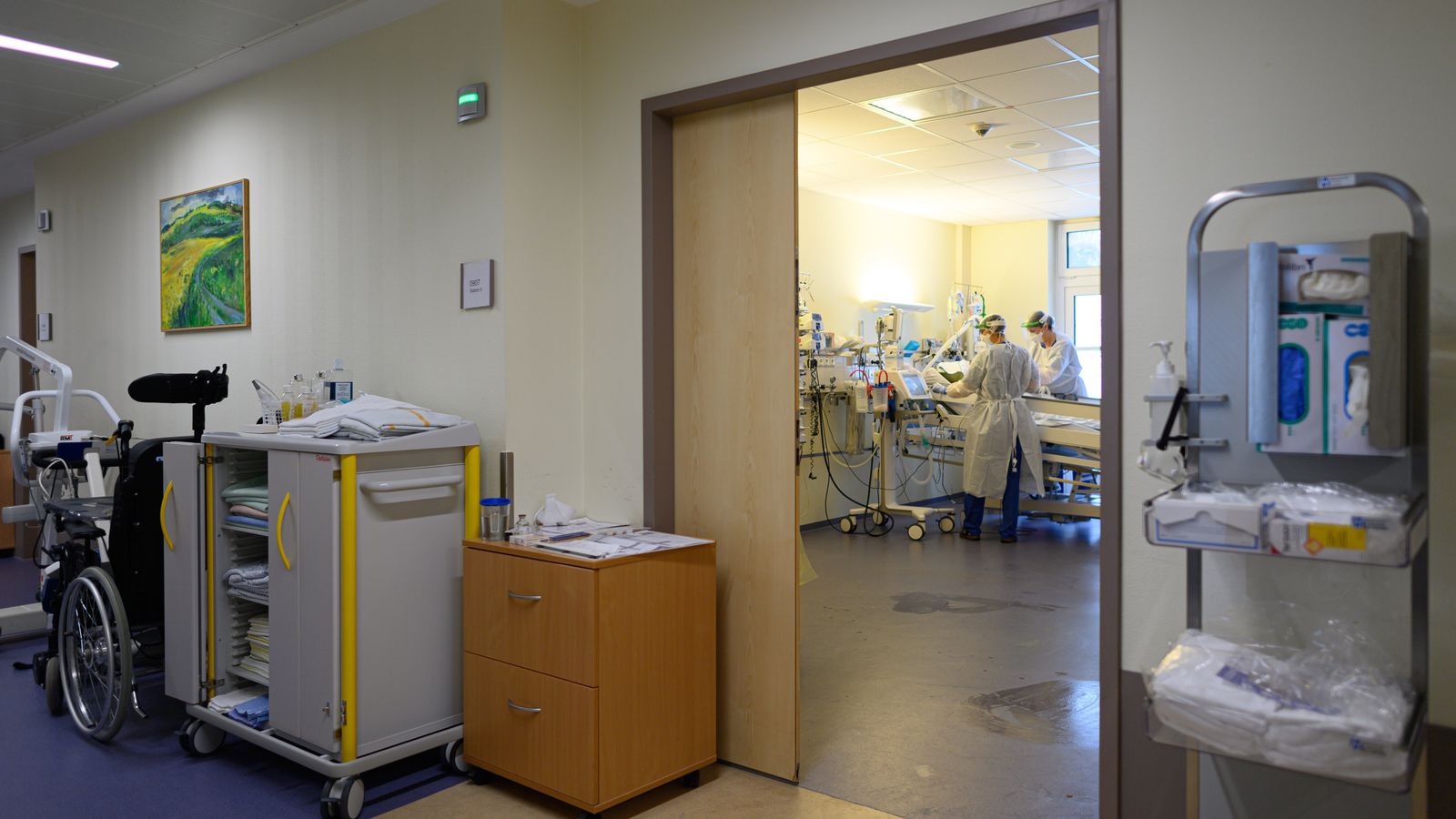
Krankenhäuser haben eine geringere Intensivbetten-Kapazität gemeldet als tatsächlich vorhanden, um Ausgleichszahlungen vom Bund zu erhalten
Publisher’s rating: Bislang unbelegt. Das Robert Koch-Institut äußert in einem Schreiben ans Bundesgesundheitsministerium den Verdacht, dass Krankenhäuser so gehandelt haben könnten, liefert dafür aber keine Belege.
Privilegierte Menschen wie Bill Gates brauchen keine Maske zu tragen.
Publisher’s rating: In New York sind Personen des öffentlichen Lebens nicht vom Tragen einer Maske befreit. Nur Menschen, die vollständig gegen Sars-CoV-2 geimpft sind, brauchen in den meisten Situationen keinen Mund-Nase-Schutz zu tragen. Bill Gates hat beide Impfdosen injiziert bekommen. Er durfte sich auf der Straße also ohne Maske bewegen.
The review examines a Facebook post that used a photograph of Bill Gates entering a restaurant to suggest that mask rules applied only to people with less wealth. It describes the post’s accompanying comment as saying masks were “for the slaves.” The investigation focuses on Gates’s mask use and the rules in effect in New York, rather than on a special exemption for public figures. (S1: “Ein neuer Aufreger kursiert im Netz: Ein Facebook-Post (hier archiviert) behauptet, die Pflicht zum Tragen einer Maske gelte nicht für Bill Gates, sondern nur für weniger Gutsituierte.”; “Im Kommentar dazu wird geäussert, Masken seien nur «für die Sklaven».“) The photograph was associated with Gates’s visit to Nobu in New York on May 22, 2021. The review says the New York Post also used the Facebook image, while the Daily Mail published a photograph showing Gates entering with a mask in his left hand. It reports that he wore the mask over his mouth and nose when leaving the restaurant. These details place the no-mask image at the restaurant entrance, rather than establishing that he went without a mask inside. (S1: “Der Gründer von Microsoft trat am 22. Mai 2021 zum ersten Mal seit der Bekanntgabe seiner Scheidung medienwirksam auf.”; “Die britische Daily Mail veröffentlichte zudem ein Foto, das Gates beim Betreten des Restaurants mit einer Maske in der linken Hand zeigt. Als er das Restaurant verliess, trug er die Maske über Mund und Nase.”) The review explains that New York’s guidance allowed fully vaccinated people to do most activities without a mask, while listing settings where masks were still advised, including public transport and indoor public spaces such as restaurants. It says Gates had announced receiving his first vaccine dose in January and his second in late February. The distinction is therefore between rules for vaccinated people in particular situations and an alleged privilege-based exemption: the article does not attribute his ability to be outdoors without a mask to his wealth or public profile. (S1: “Die New Yorker Gesundheitsbehörde weist darauf hin, dass vollständig geimpfte Bürgerinnen und Bürger die meisten Aktivitäten ohne Maske ausführen können.”; “Gates selbst gab bekannt, dass er im Januar seine erste Dosis des Impfstoffs erhalten habe, seine zweite erhielt er Ende Februar.”; “New York City listet jedoch einige Umstände auf, unter denen geimpfte Menschen weiterhin ihr Gesicht bedecken sollten.”)