PeakMetrics / Fact Checks
Health & medicine fact checks
Explore claims publishers have checked about health & medicine. Read their original ratings and follow the evidence.
Search fact checks
Search by text or image13,673 published reviews in this topic
Corona ist eine Lüge, Corona-Tote werden nur vorgetäuscht.
Publisher’s rating: Dieses Bild entstand während einer Gedenkfeier für einen iranischen General in Teheran. Dieser war ein Jahr zuvor durch einen Raketenangriff getötet worden.
The review investigates a circulated photograph showing what appeared to be a flag-covered box in front of a group gathered for a funeral. Social-media users presented the scene as evidence of a staged burial for alleged COVID-19 victims. The investigation identifies the photograph as depicting a different event: a memorial for Iranian general Ghassem Soleimani, who was killed in early 2020 in US airstrikes. It therefore challenges the image’s use as evidence of a fabricated COVID-19 funeral; it does not, in this excerpt, assess the broader claim that COVID-19 is a lie. The review says the photograph was taken in January 2021 at a memorial held by Iran’s Energy Ministry. It cites the ministry’s statement marking the first anniversary of Soleimani’s death, which said the ceremony was held at the ministry in accordance with health protocols. The ministry also released photographs of the event. Comparing those images with the circulated photograph, the review reports that the same people and a banner bearing Soleimani’s image appear in both. It also describes geolocation as placing the event on the terrace outside the ministry in Tehran. The apparent coffin-like object does not establish that the gathering was a COVID-19 funeral. The review explains that Iranian Muslims are traditionally buried in white shrouds rather than coffins, while coffin-shaped boxes may be used to display and transport a body at official mourning ceremonies. It says the images appear to show such a display being reenacted with cardboard boxes. The reported memorial context and matching event photographs thus provide an alternative explanation for the scene; the excerpt does not claim that the box contained a body.

വാക്സിനേറ് ചെയ്ത എല്ലാ ആളുകളും 2 വർഷത്തിനുള്ളിൽ മരണപ്പെടും. ഏതെങ്കിലും തരത്തിലുള്ള കോവിഡ് വാക്സിൻ എടുത്തിട്ടുള്ള ആർക്കും ജീവൻ നിലനിർത്താൻ സാധ്യതയില്ലെന്ന് നോബൽ ജേതാവായ ലുക് മൊൺടാഗ്നിയർ സ്ഥിരീകരിക്കുന്നു. അമ്പരപ്പിക്കുന്ന ആ അഭിമുഖത്തിൽ ലോകത്തിലെ സമുന്നതനായ വൈറോളജിസ്റ് പറയുന്നു:
Publisher’s rating: FALSE

Vacinação MENINGITE ACWY. Adolescentes: 11 a 14 anos (11 meses e 29 dias). De 8h às 16h.
Publisher’s rating: Falso
Donald Trump heeft prostaatkanker en is over een maandje dood.
Publisher’s rating: Er is geen enkel bewijs te vinden dat Donald Trump prostaatkanker heeft. De oud-president verscheen recent nog aan de telefoon in een talkshow en wil later deze maand een bezoek aan Texas brengen. De kans dat iemand binnen een jaar na constatering aan prostaatkanker overlijdt is bovendien extreem klein. Ook slikt Trump met de intentie om kaalheid te voorkomen al jaren een prostaatkankermedicijn.

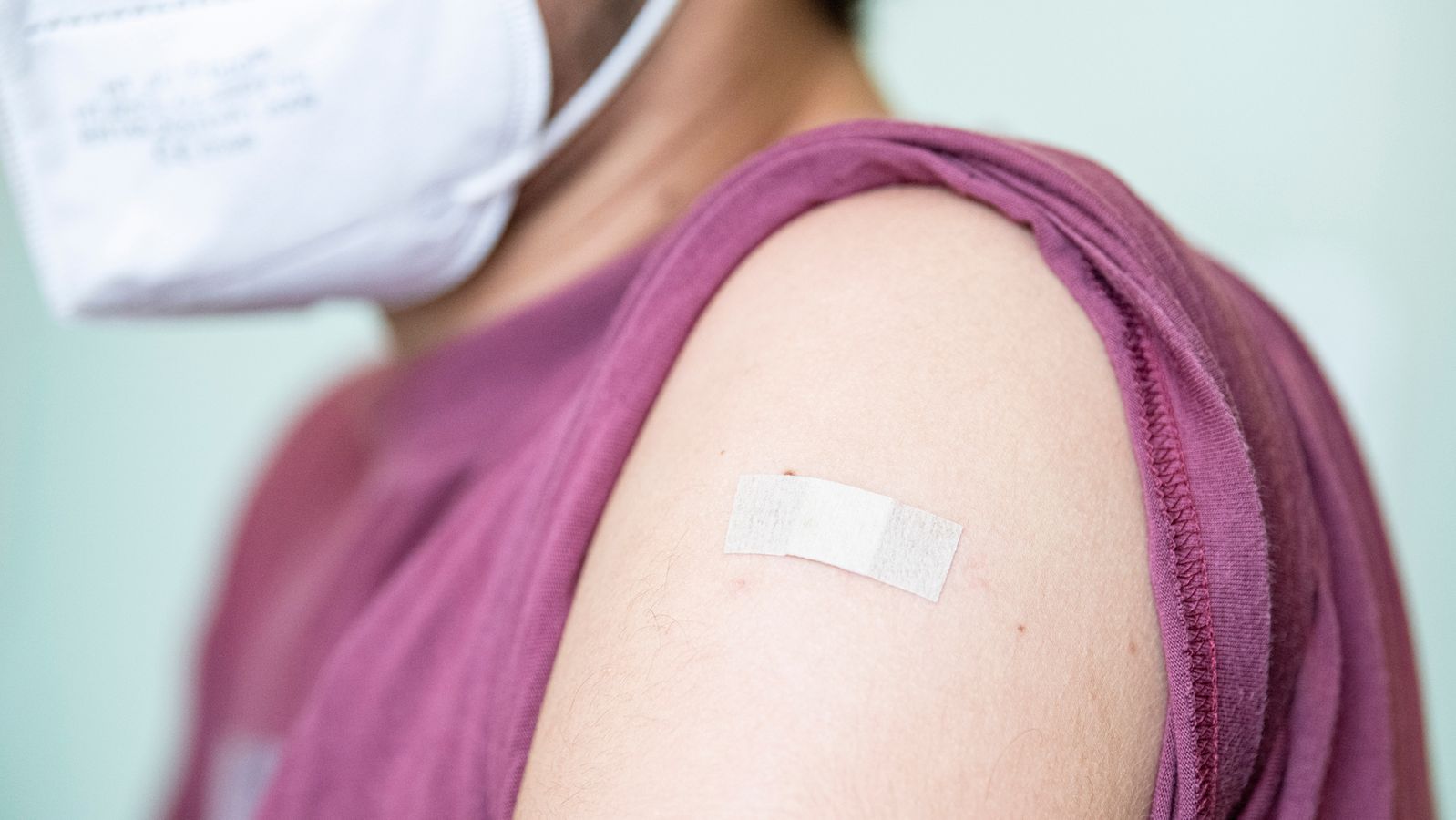
Enthalten Corona-Impfstoffe Zellen von abgetriebenen Föten? Werden die extra dafür abgetrieben?
Publisher’s rating: Irreführend. Nein, die Corona-Impfstoffe enthalten keine Zellen von abgetriebenen Föten. Richtig ist aber, dass bei einigen Impfstoffen - in Deutschland vor allem die Vektor-Impfstoffe - fetale Zelllinien eingesetzt werden, um darin die Trägerviren zu vermehren, die den Wirkstoff in die Zelle bringen. Das Gewebe wurde vor Jahrzehnten abgetriebenen Föten entnommen, die Zellen werden seither immer wieder reproduziert. Die Föten wurden nicht zu diesem Zweck abgetrieben, es werden aktuell keine Föten dafür abgetrieben und die Impfstoffe selbst enthalten keine Zellen.
Ayon sa pag-aaral, ang pinagsamang proteksyon ng mga surgical mask at mga face shield ay "katulad" sa paggamit ng surgical mask lamang.
Publisher’s rating: Kailangan ng konteksto

Daí querem que acredite na vacina que vem da china , se o cotonete de teste e as máscaras da china já vem contaminados
Publisher’s rating: Falso
According to the study, combined protection of surgical masks and face shields was "similar" to surgical mask use alone.
Publisher’s rating: Needs Context

వయాగ్రా టీకాలు వేసిన వేల కొద్ది దోమలు చైనా వుహన్ లాబొరేటరీ నుంచి పారిపోయాయి
Publisher’s rating: FALSE
L'OMS a changé la définition de l'immunité de groupe, que seule la vaccination peut assurer.
Publisher’s rating: Le message est manifestement publié hors-contexte. Depuis le 31 décembre 2020, l’OMS indique clairement sur son site que l’immunité collective peut être obtenue « lorsqu’une population est immunisée soit par la vaccination soit par une infection antérieure ».
The Facebook post at issue claimed that the WHO changed its COVID-19 herd-immunity definition in November 2020, making mass vaccination the only way to achieve it. The dpa review says the post relied on screenshots showing a real change in the WHO’s wording, but left out the later update that made the claim misleading: “Les deux captures d’écran qu’elle partage lui donnent en partie raison, mais sont trompeuses.” The review traces the wording through the WHO material described in the article. On 9 June 2020, the WHO defined herd immunity as indirect protection arising through vaccination or immunity developed after a prior infection. On 15 October, it changed the wording to describe herd immunity as a concept used for vaccination, in which a population may be protected if a vaccination threshold is reached. The review also notes that the WHO referred to remarks by Director-General Tedros Adhanom Ghebreyesus on 12 October, in which he argued against exposing people to a virus as a means of achieving herd immunity. The decisive context is the WHO’s subsequent update, dated 31 December 2020. The review says the WHO then returned to defining herd immunity as protection obtained when a population is immunized “soit par la vaccination soit par une infection antérieure.” It adds an important qualification: the WHO advocated achieving herd immunity through vaccination, not by allowing disease to spread, because that would cause unnecessary cases and deaths. Thus, the post captured an interim change and the WHO’s preference for vaccination, but omitted the later definition that recognized both vaccination and prior infection as routes to population immunity.

Bharath Biotech’s Covaxin contains Newborn Calf Serum (NBCS).
Publisher’s rating: FALSE
The review examined a viral post based on an RTI response that claimed Covaxin contains newborn calf serum. It concluded that the serum was used during vaccine development to grow Vero cells, not as an ingredient in the final vaccine. The distinction is central: use of a material at an earlier production stage does not establish that it remains in the finished product. The article describes serum use in cell culture and discusses Covaxin’s use of Vero cells. It reports that the vaccine’s development materials mention Dulbecco’s Modified Eagle Medium with 5–10 per cent newborn bovine calf serum for reviving those cells. It also says the serum was used only in Vero-cell development and that the cells were later destroyed during viral growth. The review cites an official Ministry of Health and Family Welfare statement saying the serum is used only to prepare the Vero cell and that the final vaccine does not contain it. The review also distinguishes newborn calf serum from fetal bovine serum, the material asked about in the RTI petition. It notes that the petition asked whether fetal bovine serum was used in the vaccines’ manufacture, composition, or as an ingredient, and that Covaxin’s published ingredient list did not include blood serum. The evidence presented therefore supports a narrower conclusion than “no serum was ever used”: serum was used in cell preparation, but the review’s cited official statement and ingredient-list discussion say it is not present in the final Covaxin vaccine.
Produk hand sanitizer dalam sebuah foto, yang bermerek Farah, yang diklaim mengandung virus baru
Publisher’s rating: Keliru
De huidige pandemie werd al in 2010 gepland door de Rockefeller Foundation.
Publisher’s rating: De huidige pandemie werd niet al gepland in een rapport van de Rockefeller Foundation uit 2010. Het document zet alleen vier fictieve scenario's uiteen, waarbij wordt gekeken welke rol technologie in deze toekomstscenario's zou kunnen spelen. Eén van deze scenario's is een pandemie. Er is hier geen sprake van voorspellingen of plannen. De scenario's zijn hypothetisch. De Facebookpost is daarom onjuist.
The claim concerns online posts, including one discussed by Dutch politician Thierry Baudet, asserting that the current pandemic was planned in 2010 in the Rockefeller Foundation’s “Lock Step” scenario. The review identifies the underlying document as *Scenarios for the Future of Technology and International Development*, dated May 2010 and written by Rockefeller Foundation staff with the Global Business Network. Its stated project aim was to consider possible futures and the roles technology and philanthropy might play in them. [S1: “Het document waar deze beweringen op worden gebaseerd, door Baudet en diverse sociale mediagebruikers, dateert inderdaad van mei 2010 en draagt de titel ‘Scenarios for the Future of Techology and International Development’. Het werd geschreven door medewerkers van de Rockefeller Foundation, in samenwerking met de Global Business Network.”; “Het doel van deze samenwerking was om met een groep medewerkers van de Rockefeller Foundation en externe experts een aantal mogelijke toekomstscenario’s uit te denken.”] The review points to the report’s own description of its approach: scenarios are not predictions, but hypotheses for considering strategies for possible futures. It says the report presents four scenarios, each built around a timeline, possible technological developments and philanthropy’s role, and a description of a day in the life of someone in that imagined world. [S1: “In de inleiding van het project wordt in het verslag al aangegeven dat het belangrijk is om te beseffen dat scenario's geen voorspellingen zijn (pagina 9).”; “Er worden vier scenario’s besproken in het verslag die allemaal hetzelfde zijn opgebouwd: er wordt eerst een tijdlijn beschreven van gebeurtenissen die zich in het scenario voordoen.”] “Lock Step” does describe a fictional flu pandemic beginning in 2012, including measures such as quarantine, temperature checks and face masks. The review acknowledges overlaps with features of the later pandemic but notes that resemblance does not establish that the current pandemic was planned. It also identifies differences: the imagined pandemic is shorter, and temperature checks at places such as supermarkets were not deployed worldwide on a large scale. [S1: “In scenario Lock Step wordt een grieppandemie beschreven die in 2012 zou ontstaan.”; “In dit fictieve scenario zitten inderdaad elementen die ook in de huidige pandemie voorkomen, bijvoorbeeld lockdowns en gezichtsmaskers.”; “de fictieve pandemie is veel korter, en temperatuurchecks voor plekken als supermarkten zijn wereldwijd niet grootschalig uitgerold.”]
Ärzte im Landkreis Görlitz geben ihre Praxen auf, um als Impfärzte im Impfzentrum viel mehr Geld zu verdienen.
Publisher’s rating: Zwar sind der Kassenärztlichen Vereinigung keine Praxis-Schließungen bekannt, aber ausgebildete Ärzte für die Arbeit im Impfzentrum zwischen 100 und 150 Euro Honorar pro Stunde. Sie werden täglich im Impfzentrum gebraucht, einige schließen daher zeitweise ihre Praxen.