PeakMetrics / Fact Checks
Health & medicine fact checks
Explore claims publishers have checked about health & medicine. Read their original ratings and follow the evidence.
Search fact checks
Search by text or image13,673 published reviews in this topic

FACT CHECK: මෙරට එන්නත්කරණයේ දී කොටසකට වතුර එන්නත් කරන බවක් බැසිල් කිව්වා ද?
Publisher’s rating: Misleading
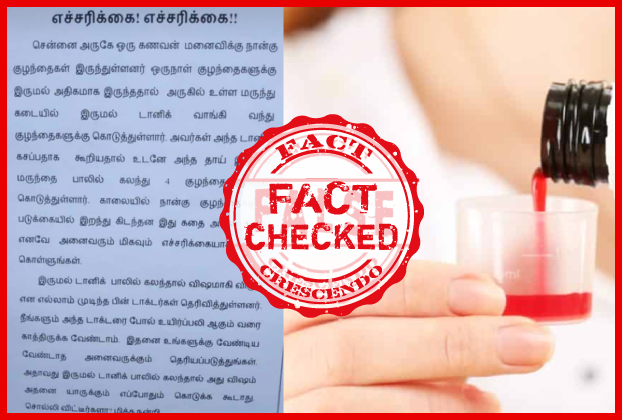
Claim: Misinformation spreading that mixing milk with cough tonic might cause death
Publisher’s rating: FALSE

Covid-19 vaccines contain graphene oxide, according to a Pfizer vial received by researchers at the University of Almeria in Spain
Publisher’s rating: False. Graphene oxide is not listed an ingredient of the Pfizer vaccine
Covid vaccinated people carry more viral load than unvaccinated people
Publisher’s rating: Mostly False
ادعاهای «دکتر شان بروکس» درباره مرگبار بودن و عقیمکنندگی واکسنهای کرونا
Publisher’s rating: شاخدار

Misleading Claims On Sinopharm Vaccine Having 73 Side Effects!
Publisher’s rating: Misleading

Does Inhaling Camphor, Clove, Ajwain And Eucalyptus Oil Help Increase The Oxygen Level?
Publisher’s rating: Misleading

Robert Malone is the inventor of mRNA vaccine
Publisher’s rating: Misleading
یک و نیم میلیون واکسن آمریکایی آلوده به مواد خارجی مشکوک، به ژاپن ارسال شده است.
Publisher’s rating: نادرست
馬龍是mRNA疫苗發明者
Publisher’s rating: 誤導內容
The review examines claims describing Robert Malone as the inventor of mRNA vaccines, including statements in social-media posts and news coverage. It traces the specific “inventor” description to Malone’s own website and examines research contributions and later developments in mRNA vaccine research, rather than treating a single early paper as proof that one person invented the vaccines used today. The review says Malone co-authored research around 1989–1990 that contributed to early RNA-therapy research. One 1990 paper reported that injected RNA could produce protein in mice, but its first author was Jon A. Wolff. The review also explains that early mRNA therapy faced problems including instability, immune reactions, and inefficient delivery, limiting its development at that time. It identifies a 2005 study by a University of Pennsylvania team as an important later breakthrough: modified nucleosides in mRNA reduced the immune response it triggered. The review names Katalin Karikó and Drew Weissman among that study’s authors and notes that accounts of mRNA vaccine development often highlighted their contributions, while seldom mentioning Malone. Its conclusion is that the field developed through work by many scientists; even if the 1990 research is treated as foundational, the team’s contribution cannot be attributed to Malone alone.
Varianta Delta este mai puțin periculoasă decât variantele anterioare, dar persoanele vaccinate cu ambele doze mor mai frecvent din cauza variantei Delta decât cele care nu au fost vaccinate.
Publisher’s rating: Afirmație scoasă din context. Datele citate sunt corecte, dar afirmația că varianta Delta este mai puțin periculoasă, dar provoacă mai multe decese la persoanele vaccinate nu poate fi concluzionată din acestea. În primul rând, cifrele din etape diferite ale pandemiei nu pot fi comparate între ele și, în al doilea rând, proporția de persoane nevaccinate dintre cele decedate din cauza coronavirusului este doar aparent în scădere.
a variante delta è più innocua delle varianti precedenti, ma le persone con doppia vaccinazione hanno più probabilità di morire a causa della variante delta rispetto alle persone non vaccinate.
Publisher’s rating: Preso fuori contesto. I dati citati sono corretti, ma non si puó da questi tratte la conclusione che la variante delta è meno pericolosa ma più mortale per i vaccinati. In primo luogo

The Pfizer Covid jab and Comirnaty are different vaccines
Publisher’s rating: False. Pfizer and BioNTech have said that their vaccine is marketed in the EU under the brand name Comrinaty
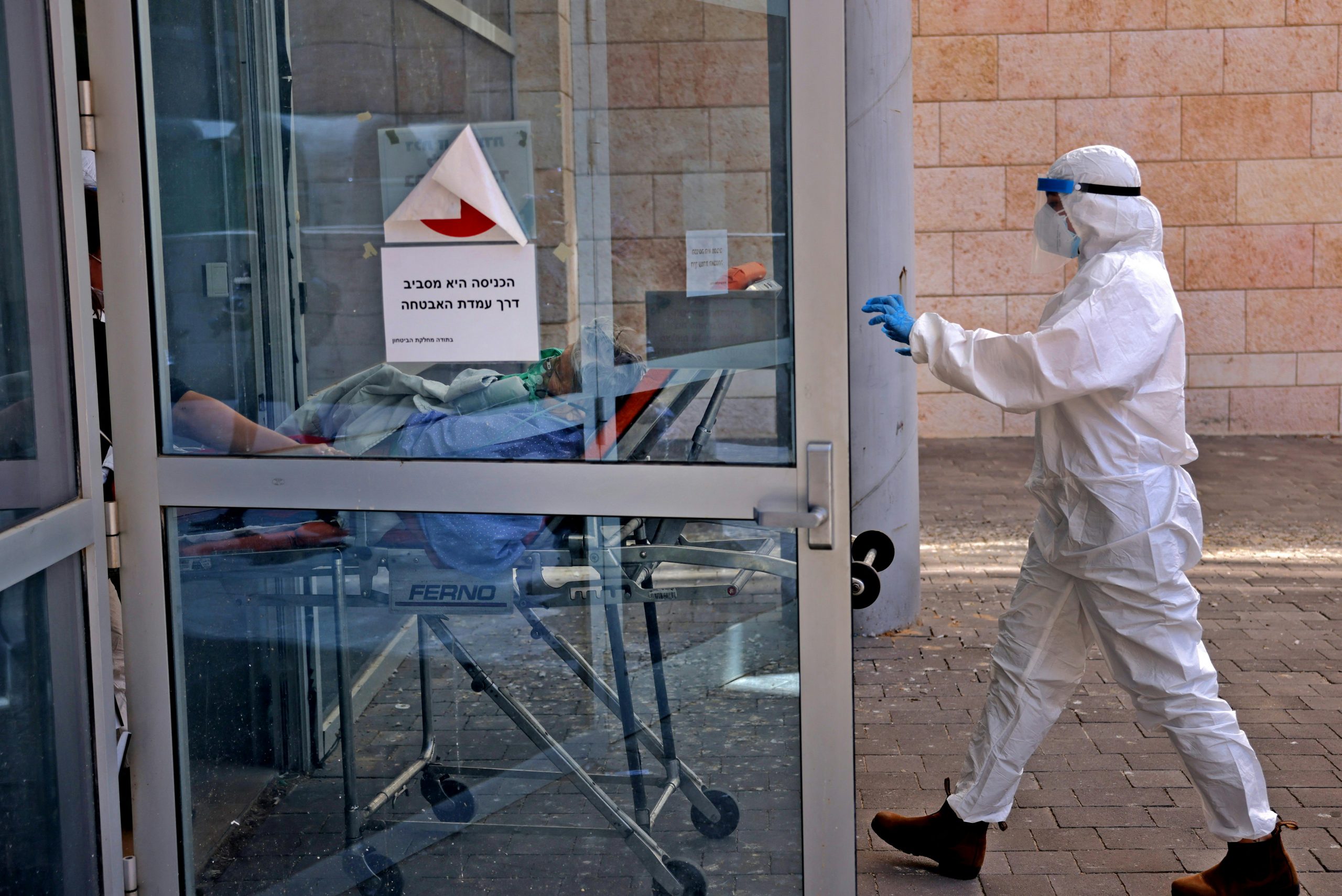
Die Zahl der geimpften Hospitalisierten ist erschreckend hoch.
Publisher’s rating: Ein hoher Anteil Geimpfter unter den Hospitalisierungen ist weder unerwartet noch erschreckend. Er spricht auch nicht gegen die nachweisbare Effektivität von Impfungen, sondern eher für die hohe Impfrate der Bevölkerung.
The claim refers to reports that about 60 percent of hospitalizations in Israel involved vaccinated people, a figure that was being used to suggest COVID-19 vaccines were ineffective. The review says the figure was discussed in media coverage, including an ORF report and a ZDF article that described the numbers as “erschreckend.” It examines the Israeli data rather than treating the share of hospitalized patients as, by itself, a measure of vaccine effectiveness. For the figures available on August 26, 2021, the review reports that Israel had 324 fully immunized and 16 partially vaccinated people with severe illness on August 25, compared with 359 unvaccinated people. It then examines how those cases were distributed by age. Among people over 60, more hospitalized people were vaccinated; among people under 60, the review says there were more than twice as many severe cases among the unvaccinated. It notes that vaccination coverage was already very high in older groups, exceeding 90 percent among those over 70 and 80 percent among people aged 40 to 69. The review also describes an analysis by biostatistician Jeffrey S. Morris that compared case counts with the sizes of vaccinated and unvaccinated populations, and then further separated the results by age. The reported estimates were 67.5 percent effectiveness overall, 85.2 percent for people over 50, and 91.8 percent for people under 50. Thus, the hospitalization share did not account for how many people in each group were vaccinated or for age-related differences. The review also identifies waning protection after Israel’s early vaccination campaign, the Delta variant, and underlying conditions among many vaccinated hospitalized patients as relevant considerations.
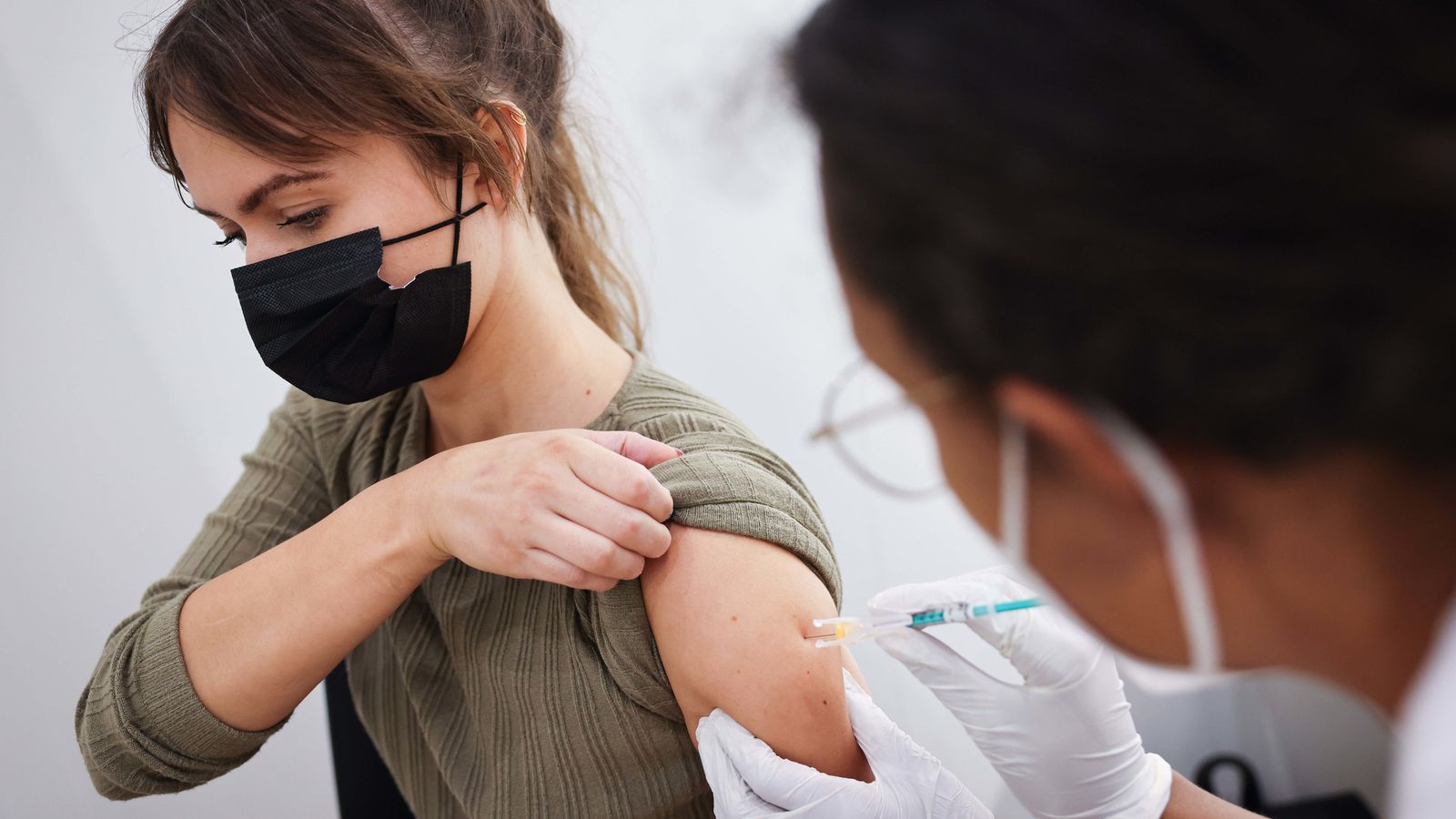
Delta varijanta je manje opasna nego predhodne varijante, ali cijepljeni (vakcinisani) umiru češće nego necijepljeni od delta soja.
Publisher’s rating: Istrgnuto iz konteksta. Navedeni podaci su korektni, no iz toga ne slijedi nužno zaključak da je delta varijanta manje opasna ali smrtonosnija za cijepljene (vakcinisane). Kao prvo brojke iz različitih faza pandemije ne smiju se mehanički uspoređivati, kao drugo postotak smrti od korone među necijepljenima pada samo prividno.
En 2015, soit des années avant le début de la pandémie actuelle, un certain R. Rothschild avait déjà publié sur le site américain PubChem un « System and Method for Testing for COVID-19 ».
Publisher’s rating: L’internaute s’emmêle les pinceaux avec les différentes dates visibles sur le brevet. La demande du brevet a en réalité été déposée le 17 mai 2020, soit après le début de la pandémie. La date du 13 octobre 2015 correspond quant à elle à la première demande de brevet faite pour la technologie sur laquelle est basée la méthode de test Covid-19.
The post treats a 2015 date associated with a COVID-19 testing patent as evidence that the test—or knowledge of COVID-19—predated the pandemic. The investigation identifies the document as the U.S. patent “System and Method for Testing for COVID-19,” listed as US-2020279585-A1 and viewable in PubChem. It reports that the patent describes analysing a person’s biometric data to determine whether they have a viral infection, such as COVID-19. The review distinguishes three dates recorded for the patent: its application was filed on May 17, 2020; it was published on September 3, 2020; and its priority date is October 13, 2015. The review explains that a priority date refers to the earliest filing for an application concerning an invention, not necessarily the filing date of the later patent that specifically names COVID-19. In this case, the 2015 date belongs to an earlier provisional application concerning the use of biometric data. The review says the later COVID-19 patent application was filed after the pandemic began in late December 2019. It also notes that earlier patents in the same family do not mention COVID-19. Thus the 2015 date relates to prior technology and does not establish that the COVID-19 test, or the disease, was known in 2015.
