PeakMetrics / Fact Checks
Health & medicine fact checks
Explore claims publishers have checked about health & medicine. Read their original ratings and follow the evidence.
Search fact checks
Search by text or image13,669 published reviews in this topic

මෙරට වයස අවුරුදු 18 – 25 දක්වා අයට නොමිලේ උපත් පාලන කොපු ලබා දීමේ තීරණයක්?
Publisher’s rating: Misleading
The claim concerned a purported Sri Lankan decision to give free condoms to people aged 18–25. The review says it investigated social-media posts presenting that as a local government decision, including a post whose headline had appeared on Hiru’s official Facebook page. Its account of the linked full report, however, identifies the decision as one taken by the French government to help control sexually transmitted infections—not a planned Sri Lankan programme. The review describes checking whether Sri Lankan mainstream media had reported a programme through which 18–25-year-olds could obtain free condoms at pharmacies. It says it found no such report. It separately notes a Polonnaruwa initiative: the regional health services director’s office arranged for 50,000 condoms per month to be dispensed free through booths installed at public places in the area, in response to rising HIV infections there. That separate, locally described initiative does not establish the claimed age-targeted pharmacy programme. The review also reports that the Family Planning Association of Sri Lanka said there was no programme to provide young people free condoms at pharmacies. It qualified this by saying condoms were provided free to some communities through programmes conducted with the National STD/AIDS Control Programme, but not on a continuous basis. The review attributes the misleading impression to social-media users sharing the headline without the link to Hiru’s full report, which specified that the decision was France’s.
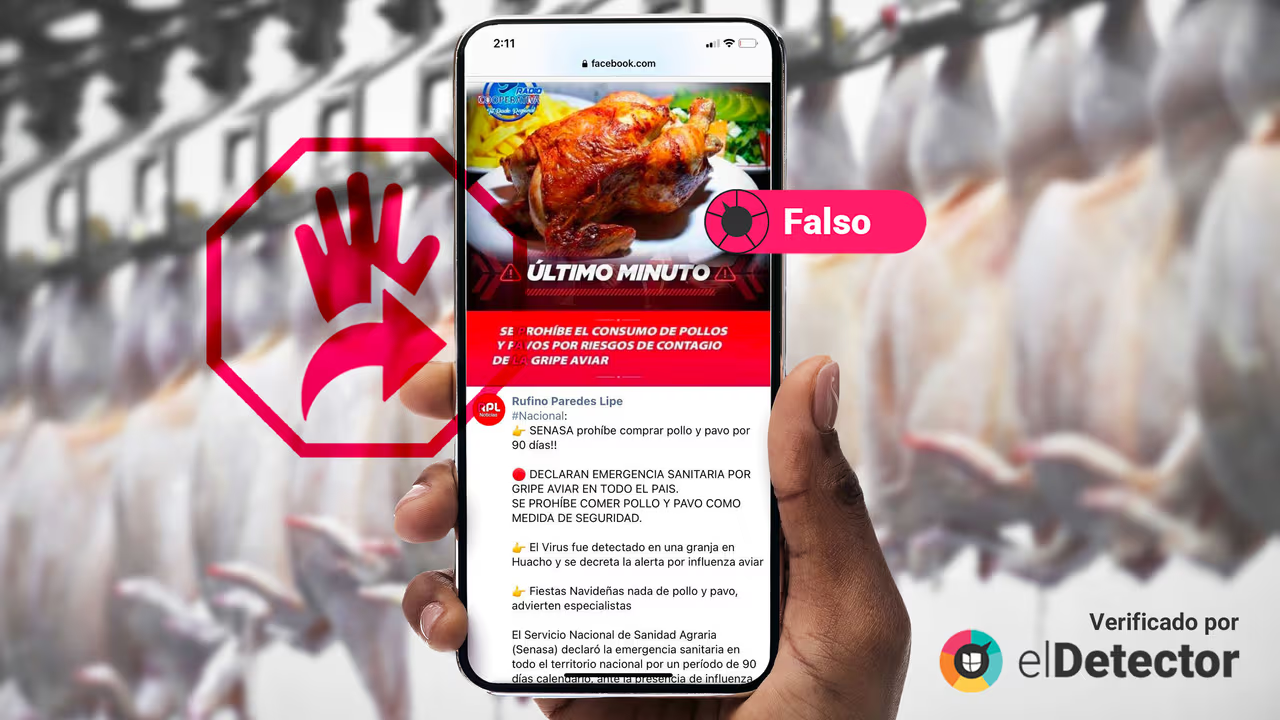
“Prohíben el consumo de pollo y pavo por la influenza aviar” en Perú.
Publisher’s rating: Falso

Sour soup or graviola can cure cancer
Publisher’s rating: FALSE
The review addresses a viral Facebook post claiming that soursop, also called graviola, can cure cancer. It describes the fruit as Annona muricata and examines whether research supports using it as a cancer treatment. The review reports that a 2021 study considered multiple studies on the subject, but says the promising findings were limited to mice, rats and isolated human cells; it also states that human trials had not been conducted. The review further cites research on herbal self-medication among breast cancer patients. That research found an association between prolonged consumption of soursop and lower survival, and its authors said further studies were needed to confirm the result. The review also reports that the US Food and Drug Administration issued warnings in 2017 to 14 companies marketing soursop products as an alternative cancer treatment. The article’s account of Cancer Research UK provides an important qualification: laboratory studies had reported possible effects, but those findings were not evidence of the same effects in people. It says human clinical trials had not established the treatment’s efficacy, and notes a warning that the fruit may cause nerve damage with symptoms similar to Parkinson’s disease. Taken together, the evidence described in the review does not establish that soursop cures cancer in humans; the article says more research is needed before it could be considered an alternative treatment.
applying acupressure on your nose will get rid of your cold instantly
Publisher’s rating: False. Acupressure may give symptomatic relief from the cold, but it cannot treat the cause of the disease
Cigla-kas is a vitamin C product laced with monosodium glutamate or vetsin
Publisher’s rating: False

මහරගම පිළිකා රෝහලට දෛනිකව නව රෝගීන් 76 ක් ලියාපදිංචි වෙනවාද? සුප් කැට වල පිළිකා කාරක අඩංගුද
Publisher’s rating: Social Media Users

Applying Coca-cola and soap on your face will reduce wrinkles
Publisher’s rating: FALSE
ലോകാരോഗ്യ സംഘടനയുടെ സന്ദേശം -തലച്ചോറിനെ നശിപ്പിക്കുന്ന ഏഴു ശീലങ്ങള്:
Publisher’s rating: FALSE

ඖෂධ හිඟ වීම නිසා අංශභාග සඳහා ප්රතිකාර කරනු ලබන්නේ, කෑගල්ල රෝහලේ පමණක් ද?
Publisher’s rating: Misleading
La vacuna contra el covid-19 deje residuos en la sangre que hacen que sea insegura para la donación.
Publisher’s rating: Falso
The review examines the claim that COVID-19 vaccines leave residues in donated blood that make it unsafe for recipients. It places that claim in the context of a New Zealand dispute: the parents of a four-month-old baby who needed a potentially lifesaving operation refused blood from vaccinated donors, saying they were concerned about vaccine traces. The review reports that the parents’ lawyer raised particular concerns about mRNA vaccines, including Pfizer-BioNTech and Moderna. To assess the concern, the review cites explanations from a spokesperson for the U.S. National Human Genome Research Institute, the U.S. Centers for Disease Control and Prevention, America’s Blood Centers, and New Zealand Blood Service. It reports that mRNA is broken down after cells produce the protein involved in the immune response, and that the body discards vaccine components. The review also reports that America’s Blood Centers said vaccine components are not present in blood collected from vaccinated donors. The review’s conclusion is that vaccine components do not remain in blood in a way that makes it unsafe for donation. It also reports that New Zealand Blood Service does not distinguish between vaccinated and unvaccinated donors and says donated blood is filtered during processing. These points address the specific safety concern in the claim; the excerpt does not provide independent laboratory measurements or describe a new test performed by the fact-checker.

Van de eerste 45.000 met Pfizer gevaccineerde mensen kregen 42.086 bijwerkingen in de eerste drie maanden na vaccinatie; 1.223 van hen stierven als direct en bewezen gevolg van het vaccin.
Publisher’s rating: De beweringen zijn onjuist en misleidend. Het rapport noemt een aantal van 42.086 vrijwillig gemelde complicaties na vaccinatie. Het aantal meldingen zegt echter niets over het aantal complicaties. Ook is niet duidelijk hoeveel van de gemelde complicaties, inclusief overlijden, daadwerkelijk het gevolg zijn van vaccinatie. In de periode die het rapport beschrijft, waren bovendien al miljoenen mensen gevaccineerd met het Pfizervaccin, niet pas 45.000.

A glass of drink mixed with Chia seeds, cayenne pepper, Ginger powder, lemon juice, warm water and organic honey when consumed everyday burns belly fat up to 17 pounds in just 2 weeks
Publisher’s rating: MISLEADING
FACTLY examined a social-media video promoting a specific drink—chia seeds, cayenne pepper, ginger powder, lemon juice, warm water and organic honey—and claiming that drinking it every day burns up to 17 pounds of belly fat in two weeks. Its review says that some of these ingredients may contribute to weight management, but that this does not establish the drink’s advertised result. The decisive limitation identified by the review is that “no research was done on the health benefits of these ingredients when consumed together.” It also explains that describing something as fat-burning can refer to effects such as slightly stimulating metabolism, reducing appetite or lowering overall food intake; that is different from showing that this particular combination burns belly fat or produces the promised amount of weight loss in the stated period. The review further states that there is “no magic drink/food that melt away excess body fat” and that losing weight quickly is not easy. It describes gradual changes in eating and exercise habits, alongside an active lifestyle and adequate sleep, as the best approach. On the evidence presented, the ingredients’ possible individual benefits do not substantiate the video’s specific, dramatic promise.
Ice can remedy a plethora of health issues, such as heel spur, swelling due to injury, migraine, back pain, cervical pain, frozen shoulders, sciatica, and indigestion.
Publisher’s rating: While compulsive ice eating or pagophagia is a health condition that calls for medical attention, chewing ice can also lead to dental problems, like enamel loss and tooth decay. Prolonged application of ice is also known to cause tissue damage.

ලෝක සෞඛ්ය සංවිධානය විසින් මොළයට හානි කරන පුරුදු 07ක් ඇතුළත් ලැයිස්තුවක් නිකුත්කර නැහැ!
Publisher’s rating: Misleading
The review examined a social-media message claiming that WHO had identified seven habits that cause serious brain damage. The listed behaviors were skipping breakfast, going to bed late, consuming too much sugar, sleeping late in the morning, eating while watching television or working at a computer, sleeping with a hat or socks on, and habitually holding urine. The review’s conclusion is that WHO did not publish this seven-habit list. It also distinguishes that attribution from whether individual behaviors can affect health or brain activity. To check the attribution, the publisher says it looked for an official WHO statement or reference to the list and found none. It reports that WHO representative offices in the Philippines and Nigeria had also rejected the claim that WHO issued such a list. The review further notes that WHO has discussed free-sugar consumption guidance and stroke risk factors, but those points are not evidence that WHO published the viral list. The review qualifies the viral message’s broader implication that all seven behaviors directly damage the brain. It says evidence does not show a direct brain-damage link for sleeping longer in the morning, eating while watching television or using a computer, wearing a hat or socks in bed, or holding urine. It describes possible concerns for some behaviors—such as inadequate sleep or high blood glucose—while noting that skipping breakfast may affect brain function but that evidence does not support the stronger claim of brain damage. Thus, the supported finding is about false WHO attribution, not a blanket claim that every listed behavior is harmless.
Canadá aprueba la eutanasia para pacientes con problemas económicos.
Publisher’s rating: Falso
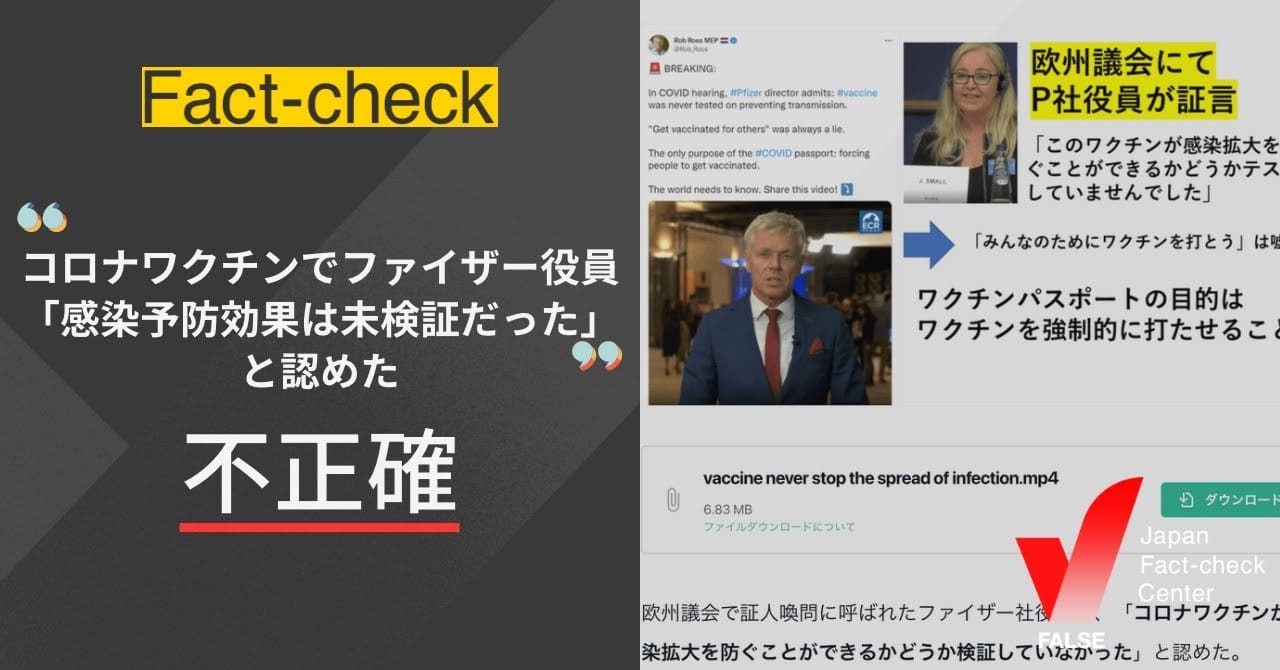
ファイザー役員が「コロナワクチンに感染予防効果があるか未検証だった」と認めた
Publisher’s rating: 不正確
The review says pre-authorization trials had not established whether the vaccine prevented infection, but that this limitation had already been publicly disclosed. Small’s answer at the hearing therefore did not reveal a new fact. [S1]