PeakMetrics / Fact Checks
Health & medicine fact checks
Explore claims publishers have checked about health & medicine. Read their original ratings and follow the evidence.
Search fact checks
Search by text or image13,667 published reviews in this topic
Hospital do câncer infantil fechado por 1.700.000,00. 500 crianças ficaram sem tratamento
Publisher’s rating: Falso


Studie belegt 17 Millionen Todesfälle als Folge der Impfkampagne.
Publisher’s rating: Für diese Behauptung gibt es keinen Beleg. Exoerten bezeichnen die Arbeit des Autors als unwissenschaftlich.
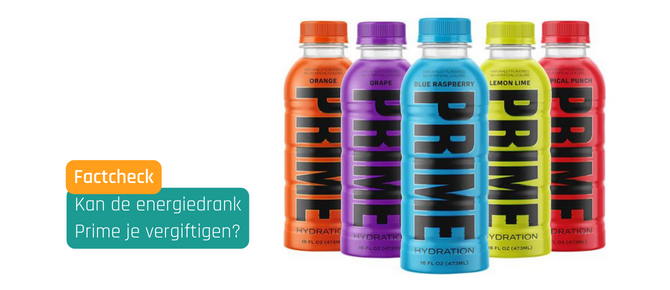
Als je hiervan te veel binnenkrijgt, kan je jezelf ermee vergiftigen.
Publisher’s rating: Eerder onwaar

Presque 4 ans après, Pfizer a publié un communiqué de presse affirmant définitivement que les vaccins covid à ARNm "présentent des risques accrus" de myocardite et de péricardite.
Publisher’s rating: Les risques de myocardite et péricardite associés aux vaccins à ARNm sont connus et mentionnés par Pfizer depuis 2021. La firme n'a pas modifié sa communication récemment à leur sujet.
The claim concerns social-media posts saying Pfizer had only just definitively acknowledged increased myocarditis and pericarditis risks from its COVID-19 vaccine, Comirnaty, in a 2023 press release. The review identifies two communications cited by those posts: one from September 2023 and another dated October 13, 2023. It says both mention increased risks, particularly for young males, but reports that the warning was not new. The vaccine was authorized in Europe in December 2020, so the “almost four years” framing was also inaccurate at the time of the review. To check whether Pfizer’s wording was new, the review describes searching Google for material on Pfizer’s website. It reports finding the increased-risk wording in several Pfizer communications dating back to July 2021. It also cites Pfizer spokesperson Caroline Crockett, who said that safety information must be included in U.S. press releases when they concern the use of COVID-19 vaccines, and who said the information had appeared in the vaccine’s Summary of Product Characteristics since 2021. The evidence therefore supports a distinction between Pfizer repeating the warning in 2023 communications and introducing it for the first time then. The review reports no recent semantic change in Pfizer’s communications; it does not suggest that the risk itself was absent.

Can chewing garlic, ginger, and turmeric cure brain stroke?
Publisher’s rating: False

chlorophyll can cleanse and detox the body
Publisher’s rating: Mostly False
one who eats holy basil never get Malaria
Publisher’s rating: False

Die Zeitung enthält einen Artikel von Bill Gates mit dem Titel „Entvölkerung durch Zwangsimpfung“. Gates glaubt, dass dies die „umweltfreundlichste Lösung“ wäre.
Publisher’s rating: Bill Gates hat den Artikel nicht geschrieben. Die Zeitung hat Aussagen von ihm über das Wachsen der Weltbevölkerung sinnentstellend wiedergegeben. Um eine «Entvölkerung» ging es nie.
The claim concerns a front page of the Irish newspaper Sovereign Independent, which circulated on social media with the headline “Depopulation by forced vaccination.” The post alleged that Bill Gates wrote the accompanying article and considered the approach an “environmentally friendly solution.” The review identifies the image as coming from the newspaper’s fourth edition, dated June 2011, and says the claim that Gates authored the article is false. To check authorship and the source of the text, the review examined archived copies of the newspaper’s website, including the archived fourth edition, and searched for a distinctive sentence about the world’s population growing from 6.8 billion to about 9 billion alongside Gates’s name. It traces that sentence to a 2010 TED Talk by Gates. The review describes the talk as concerning carbon dioxide emissions and population growth, and says Gates discussed reducing the rate of population growth—not depopulating the world. The review explains the vaccination passage as an argument about lower child mortality and, over time, lower birth rates: when more children survive, parents may have fewer children to ensure support in old age. It also reports that Gates had described this relationship in a 2009 open letter and later discussed the approach in Forbes and a 2011 CNN interview. The review notes that “depopulation” was not a term Gates used in the TED Talk. This context undermines the post’s framing of the remarks as a proposal for forced vaccination or depopulation.
worm secretions causes halitosis, headache and pimples
Publisher’s rating: False
eating onion increases sperm quantity
Publisher’s rating: Mostly False

Polski rząd funduje leki dla Ukraińców w ramach programu Health4Ukraine.
Publisher’s rating: Fałsz
पेरासिटामोल दुनिया की सबसे खतरनाक दवाई है
Publisher’s rating: Mostly False

food can influence height once growth stops
Publisher’s rating: False
a new airborne mRNA can vaccinate people without consent
Publisher’s rating: Mostly False
COVID-19 vaccine spreads through sexual contact
Publisher’s rating: False
Cancer is appearing in never-seen ways after COVID vaccination
Publisher’s rating: Mostly False
भूमि पेडनेकर का वजन डॉ विवेक बिंदल की निगरानी में कम हुआ है
Publisher’s rating: False