PeakMetrics / Fact Checks
Elections & voting fact checks
Explore claims publishers have checked about elections & voting. Read their original ratings and follow the evidence.
Search fact checks
Search by text or image5,415 published reviews in this topic

BJP polling agent in Bihar violating the polling process by voting on behalf of other women
Publisher’s rating: FALSE
The claim concerned a video circulating during the 2020 Bihar elections. It was presented as showing a BJP polling agent voting on behalf of an uneducated Muslim woman and violating the polling process. FACTLY’s review says the footage was not from Bihar: it showed an incident in Faridabad, Haryana, in 2019. To investigate, the review reports using reverse image searches on video screenshots, which led to a 2019 news article with a similar image. It then describes finding a 2019 news video and a tweet from Haryana’s Chief Electoral Officer about the incident. The review says those sources placed the incident at a polling booth in Prithla constituency, Faridabad, and reported that the man was arrested. The review also cites a tweet from the District Election Office, Faridabad, stating that an FIR had been lodged and that the man had tried to affect at least three women voters. It quotes the office as saying that an observer and assistant returning officer visited the booth and were satisfied that voting had not been vitiated. These details support the review’s conclusion that the footage was from a 2019 Haryana election incident, not the 2020 Bihar elections.

దుబ్బాక ఉపఎన్నికలో జరిగిన ఈవీఎం ట్యాంపరింగ్ కి సంబంధించిన వీడియో
Publisher’s rating: FALSE
Smartmatic helped the Venezuelan government rig its elections by switching votes, and did the same thing in the United States.
Publisher’s rating: This lacks evidence.
Related reporting in S4 describes how the allegation was presented after the 2020 U.S. election. It says Sidney Powell used screenshots she described as an affidavit from a former Venezuelan military official to argue that Smartmatic helped Venezuela rig elections by switching votes and that the U.S. election resembled events in Venezuela. The excerpt says the screenshots were incomplete and lacked the alleged affiant’s name and signature; Powell did not provide the full document when asked. S4 reports that Powell did not produce hard evidence that votes had actually been switched. It also describes the asserted comparison with Venezuela’s 2013 presidential election as a claim made by the supposed official in the excerpts, not as independently established proof that the same conduct occurred in the United States. The supplied reporting therefore addresses the claim’s stated basis while distinguishing allegations and an incomplete document from evidence of vote switching.
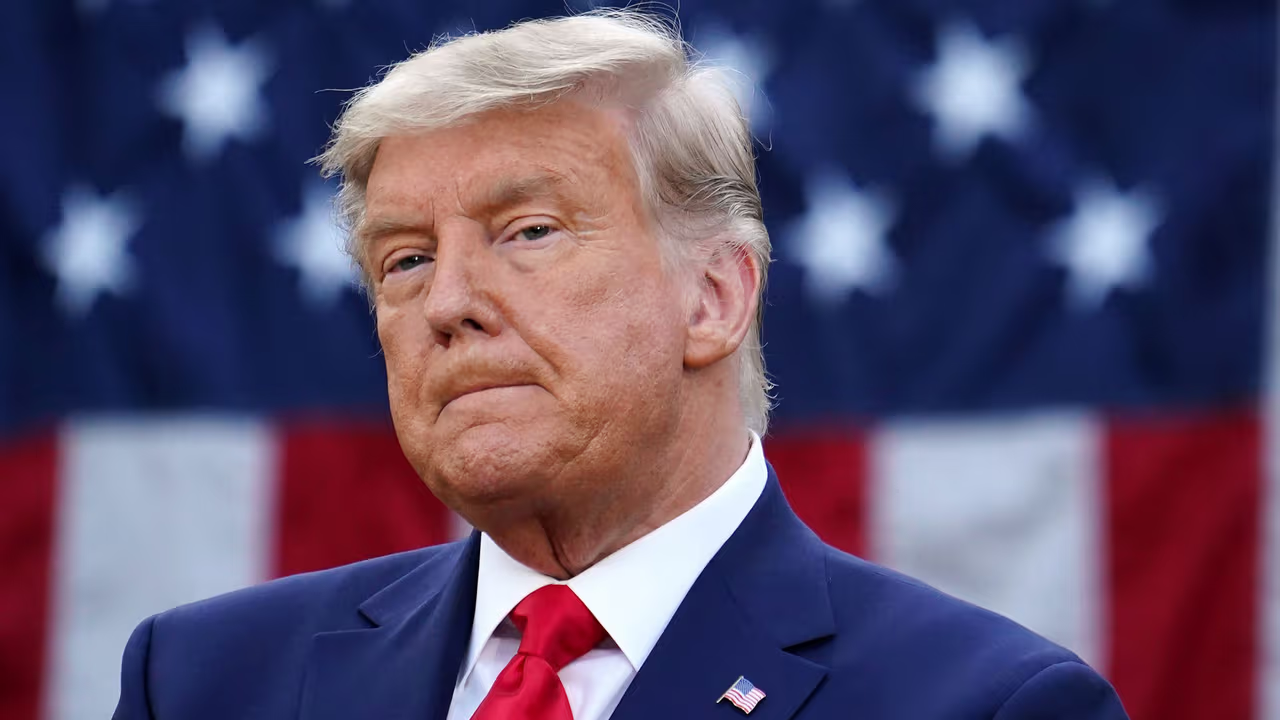
El software de Dominion es de los venezolanos de Smarmatic y los votos de EEUU se almacenan en España
Publisher’s rating: Falso

RJD workers dump sweets after their defeat in Bihar election
Publisher’s rating: FALSE
The review examined photos circulated with the claim that RJD workers dumped sweets after their defeat in the Bihar election. It reports that the images were shared on social media alongside captions alleging they showed sweets being discarded at an RJD office. The investigation found that neither image documented that event: one showed an incident in Haryana, and the other came from Madhya Pradesh. For the first image, NewsMeter says it used reverse-image search to locate an Amar Ujala report dated 10 November 2020. That report described food-safety officials and the Chief Minister’s flying squad raiding a rasgulla plant in Sirsa, Haryana, where they destroyed one quintal of sweets infested with flies and insects. The review says the same image and incident were also reported by Dainik Bhaskar. Thus, the image’s documented setting was a food-safety operation, not an action by RJD workers after an election. For the second image, the review reports that reverse-image search found the same photo in a Patrika article dated 17 August 2019. That article placed the incident in Gwalior, Madhya Pradesh, where officials raided Jodhpur Mishthan Bhandar and found spoiled sweets and adulterated food. The review also names Bhopal Samachar and News 18 Hindi as outlets that reported the incident with the same image. These earlier, differently located events establish that the photos were misrepresented as evidence of post-election conduct by RJD workers.

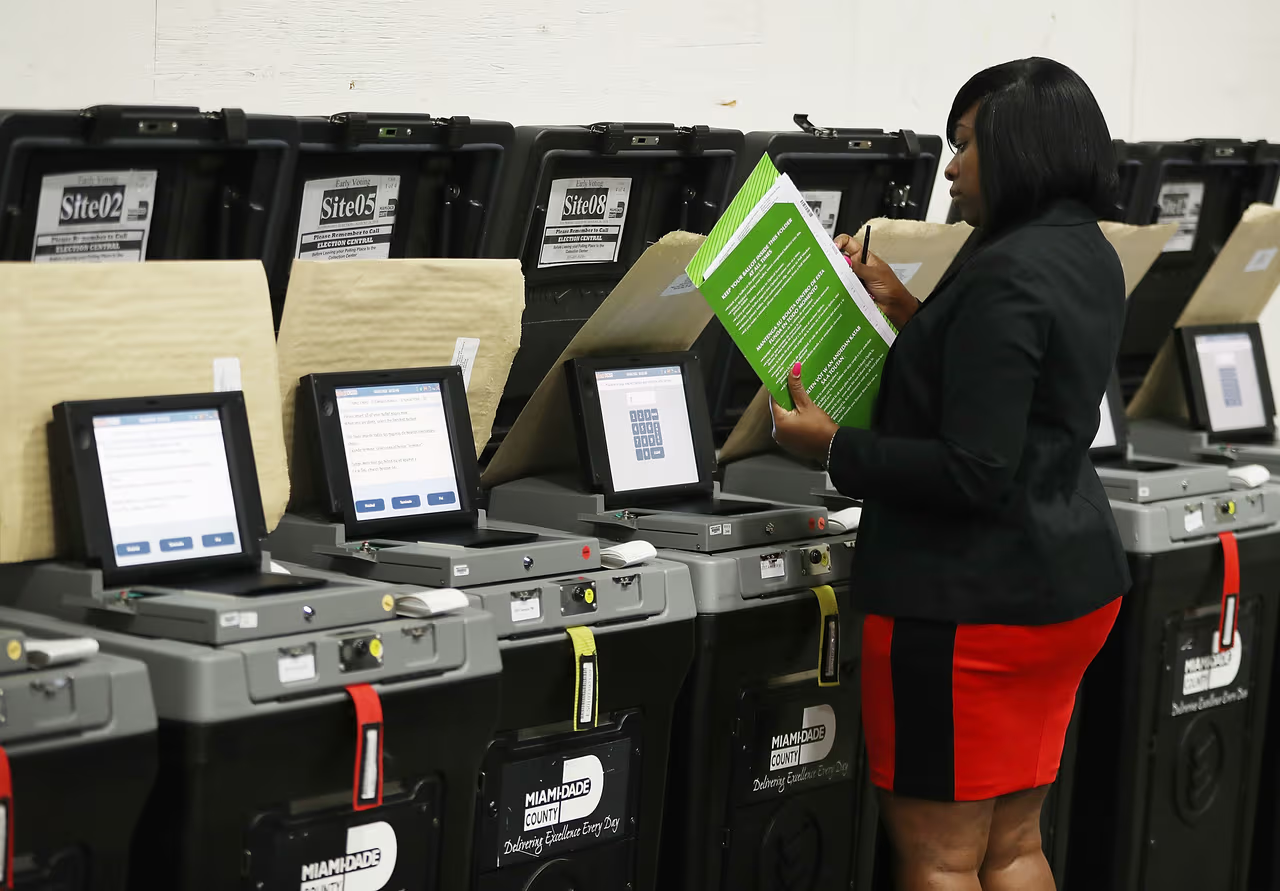
El sistema electoral Dominion eliminó 2.7 millones de votos de Trump
Publisher’s rating: Falso

Donald Trump vence nos Estados da Carolina do Norte e Alaska, com isso ele já PASSOU A FRENTE DE Biden!
Publisher’s rating: Falso

10,000 dead people returned and requested absentee ballots in Michigan
Publisher’s rating: We did not find evidence to support the claim that a list of names and addresses posted on Twitter shows that 10,000 deceased people voted in Michigan.
“Nobody wants to report that Pennsylvania and Michigan didn’t allow our Poll Watchers and/or Vote Observers to Watch or Observe. This is responsible for hundreds of thousands of votes that should not be allowed to count. Therefore, I easily win both states."
Publisher’s rating: Four Pinocchios
“REPORT: DOMINION DELETED 2.7 MILLION TRUMP VOTES NATIONWIDE."
Publisher’s rating: Four Pinocchios

RJD workers dumped Rasgullas (sweets) into the ground after losing the Bihar elections
Publisher’s rating: FALSE
The claim concerns an image presented as showing Rashtriya Janata Dal workers dumping rasgullas after the party’s side lost the Bihar elections. FACTLY examined that image and reported that it instead showed sweets being discarded during a food-safety action in Sirsa, Haryana. The review states that the sweets were found to contain flies and that the image “has nothing to do with RJD or Bihar elections.”

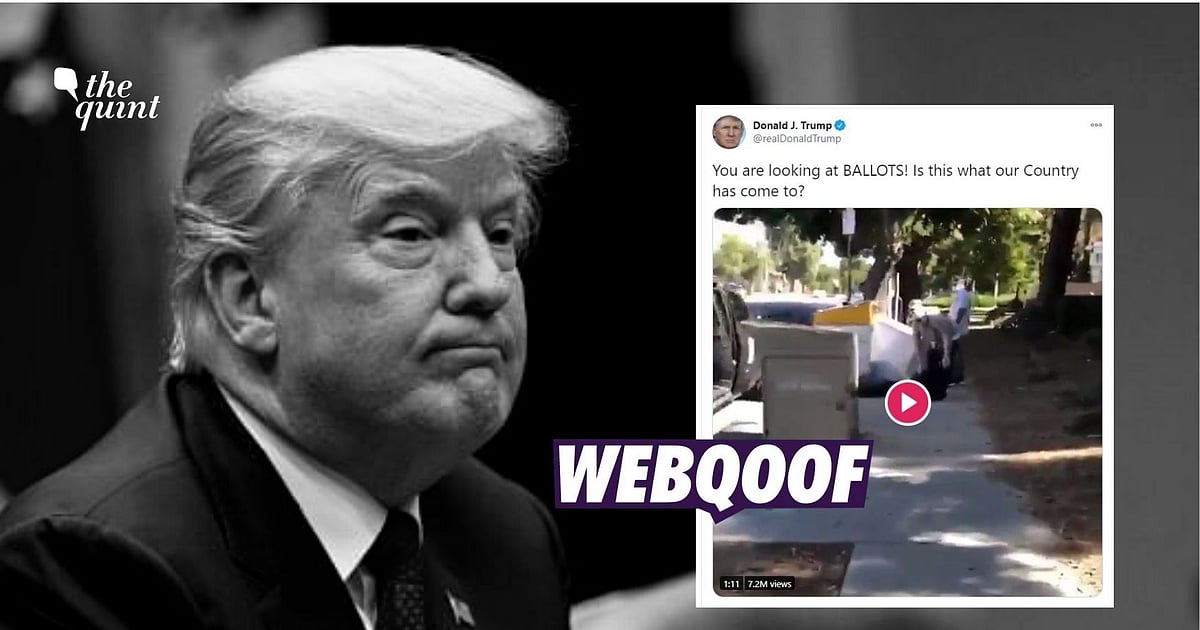
The video is recent and shows ballot fraud during the 2020 US Presidential Elections.
Publisher’s rating: FALSE

Video explaining the proof of EVM tampering by the BJP in the Bihar Assembly Elections – 2020
Publisher’s rating: MISLEADING
The video compared BJP and RJD results in Bihar’s 2015 and 2020 Assembly elections: BJP’s total vote share fell while it won more seats, and RJD’s vote share rose while it won fewer. It presented those patterns as proof of BJP tampering with EVMs. FACTLY checked both the figures and whether that reasoning supported the allegation. FACTLY says it checked the Election Commission of India website and found that the vote-share and seat figures in the video were correct. But the parties contested different numbers of seats in the two elections. BJP went from contesting 157 seats in 2015 to 110 in 2020; its total vote share fell from 24.4% to 19.4%, while its seats won rose from 53 to 74. RJD went from contesting 101 seats to 144; its vote share rose from 18.3% to 23.1%, while its seats won fell from 80 to 75. The review also compares each party’s vote share in the seats it contested. BJP’s figure rose from 37.4% in 2015 to 42.5% in 2020. FACTLY notes that results vary from constituency to constituency and that, under the first-past-the-post system, aggregate vote share alone does not determine how many seats a party wins. It concludes that the comparisons in the video do not establish EVM discrepancies: the headline figures may be accurate, but they are not proof of tampering.

Bolsonaro volta a defender voto impresso na eleição contra fraudes nas urnas eletrônicas
Publisher’s rating: FALSO: Há diversos mecanismos de auditoria e de verificação dos resultados que podem ser efetuados. Além disso, Ministério Público e Polícia Federal também têm a prerrogativa de investigar o processo eleitoral brasileiro e já realizaram auditorias independentes. Em 24 anos nenhum caso de fraude foi identificado e comprovado
Donald Trump soll Joe Biden bei der US-Präsidentschaftswahl bei einer Neuauszählung in mehreren Bundesstaaten überholt haben - durch eine angebliche «Nachzählung der Nationalgarde». Und: Millionen von Stimmzetteln für Biden seien ungültig, weil ein «Wasserzeichen» fehle. All diese Behauptungen finden sich in einem Artikel auf einer deutschsprachigen Website (hier archiviert).
Publisher’s rating: Falsch. Joe Biden liegt uneinholbar vor Amtsinhaber Donald Trump. Bislang ist lediglich eine Neuauszählung in Georgia angekündigt worden.

Segundo ex--presidente da Suprema Corte da Venezuela, a empresa Smartmatic comerciante de urnas eletrônicas, comete fraudes
Publisher’s rating: FALSO: A Smartmatic atuou nas eleições de 2012, 2014 e 2016 no Brasil, mas em nenhuma dessas ocasiões forneceu urnas – a empresa prestou serviços de conexão de dados e voz em estados isolados do Brasil
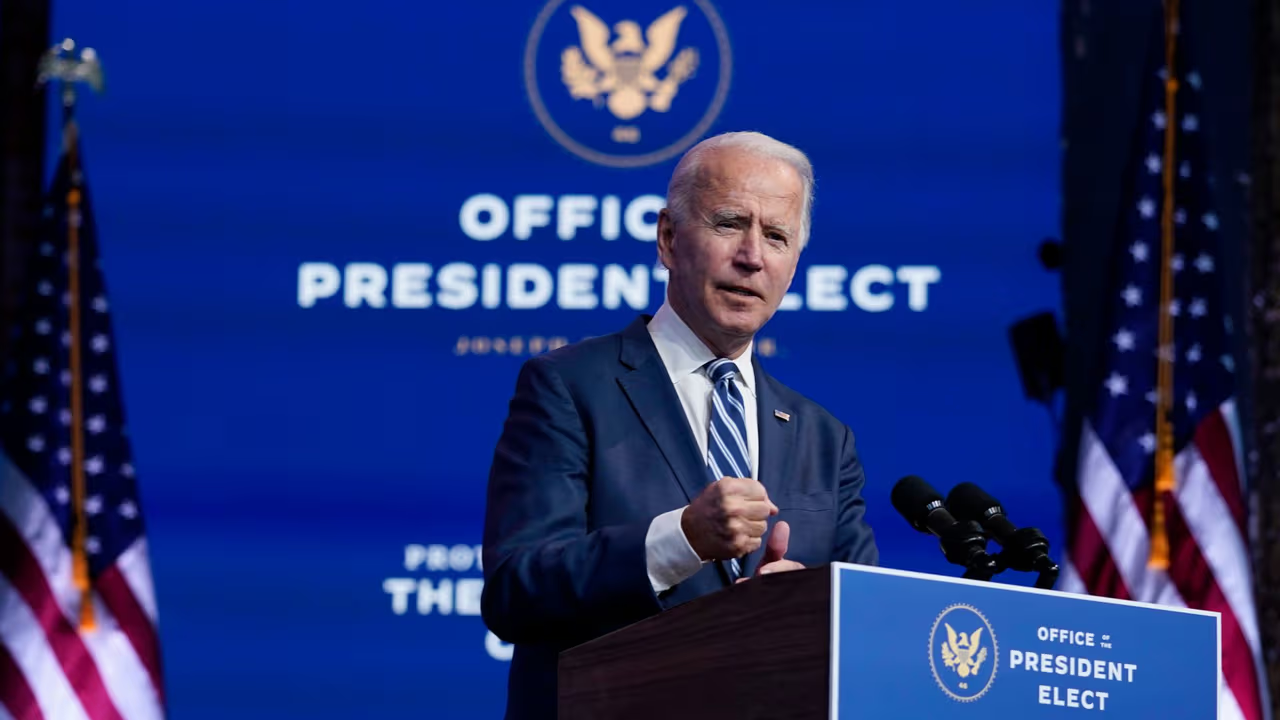
Trump marcó boletas secretamente para comprobar el fraude
Publisher’s rating: Falso