PeakMetrics / Fact Checks
Elections & voting fact checks
Explore claims publishers have checked about elections & voting. Read their original ratings and follow the evidence.
Search fact checks
Search by text or image5,415 published reviews in this topic

"A Philly mob boss stole the election"
Publisher’s rating: The story is false. It has been dismissed by the lawyer representing the supposed central character and officials in Philadelphia have described the syory as "fiction"
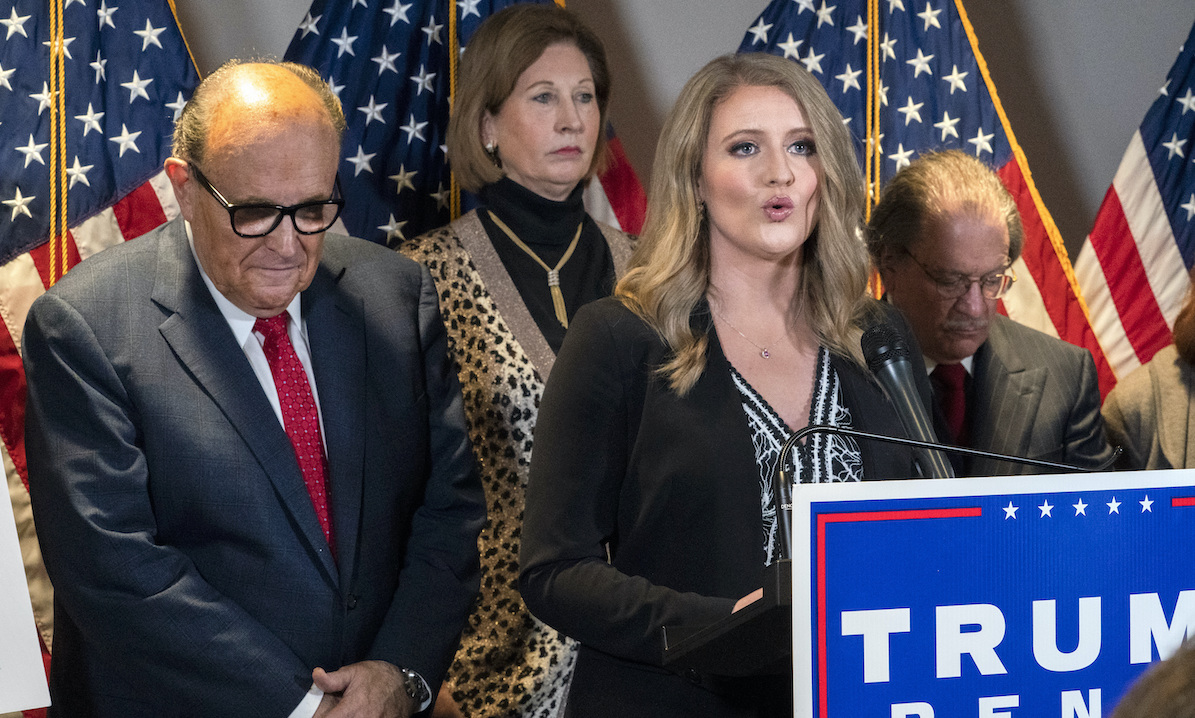
"Joe Biden told us a few days before the election, that he had the best voter fraud team in the world."
Publisher’s rating: False

Video of a polling officer revealing the BJP’s fraud in Bihar elections
Publisher’s rating: FALSE
The video was circulated after the NDA alliance’s victory in Bihar, with posts presenting the woman speaking in it as a polling officer exposing BJP fraud during that election. FACTLY’s review identifies the woman as Rashmi Borasi, daughter of Congress leader Prem Chand Guddu, and says the footage concerns allegations about election counting in Madhya Pradesh—not the Bihar election. (S1: “Following the NDA alliance’s victory in Bihar, this video is going viral on social media.”; “Woman in the video is Congress party leader Prem Chand Guddu’s daughter Rashmi Borasi, not the Bihar polling officer.”) To investigate, the review describes a reverse-image search of video screenshots. It found similar visuals in a video posted by the Madhya Pradesh Congress account, which situated the footage at the Sanwar by-poll and described an accusation of counting mismanagement and rigging. FACTLY also reports that, on close inspection, the woman introduces herself as Rashmi Borasi. (S1: “On reverse image search of screenshots in the video, similar visuals were found in a video shared by Madhya Pradesh Congress official Twitter handle.”; “On observing the video carefully, we could see the woman introducing herself as Rashmi Borasi.”) The review further cites an ANI report about counting at Sanwar, in Indore district: counting was halted for an hour after Congress supporters alleged mismanagement, and Borasi accused the BJP of unfair conduct. The footage therefore shows a Madhya Pradesh by-election dispute, not a Bihar polling officer revealing fraud in the Bihar elections. The review says Borasi alleged mismatches in tags and seals and claimed officials were acting as BJP agents; these are reported allegations, not findings that the review independently establishes as true. (S1: “the by-poll counting at Sanwar was halted for an hour after Congress party supporters alleged mismanagement in the conduct of elections.”; “Rashmi Borasi alleges that all officials including the police and district collector were working as agents of the BJP.”)


Vídeo diz que TSE atualizou apuração dos votos da eleição conforme o G1
Publisher’s rating: FALSO: É o TSE que fornece informações da apuração aos sites de notícias e não o contrário, como afirma um vídeo publicado no Facebook. Também são falsas as afirmações de que “o resultado pode ser modificado após a votação” e que “os votos nulos e abstenções podem ser distribuídos para candidatos”

బీహార్ ఎన్నికలలో జరిగిన మోసాల గురించి ఒక మహిళ మాట్లాడుతున్న దృశ్యాలు
Publisher’s rating: FALSE

Renato Barroso, apresentador de um canal no Youtube, afirma que não tem como fazer recontagem ou auditoria dos votos dessa eleição
Publisher’s rating: ENGANOSO: Ao contrário do que afirma youtuber, existem várias formas de auditar o processo eleitoral brasileiro, antes, durante e após o pleito e a recontagem de votos é prevista no Código Eleitoral

விழுப்புரம் பொதுக்கூட்டத்தில் ஹெச்.ராஜா பேச்சு ! மாமிசம் உண்பவர்கள் ஓட்டு பாஜகவிற்கு தேவையில்லை.
Publisher’s rating: Fake

Hubo votantes muertos registrados en Pennsylvania
Publisher’s rating: Engañoso
Die Verteilung der Stimmen bei der US-Wahl liefere den «mathematischen Beleg» für Betrug, wird in einem Artikel behauptet - denn sie stehe im Widerspruch zum Benfordschen Gesetz (hier archiviert). Im Text wird auf einen englischsprachigen Artikel verwiesen. Auch andere US-Websites haben dieses Argument aufgegriffen und schreiben von «Beweis».
Publisher’s rating: Falsch. Eine Abweichung vom Benfordschen Gesetz ist kein solides Indiz für eine Wahlmanipulation.
The claim concerns articles arguing that the distribution of votes in the 2020 U.S. election was mathematical proof of fraud because it contradicted Benford’s law. The review explains that this statistical pattern is not expected in every set of numbers: it is associated with growth processes, and the numbers must meet specific conditions. In particular, the review notes that election-district sizes are politically determined rather than the result of a growth process. It therefore cautions against treating a mismatch with Benford’s law as evidence of manipulated election results. [S1] [S1] The review applies that point to vote data attributed to Biden and Harris. Political scientist Walter R. Mebane is quoted explaining that the first digit of their vote totals would often be 3, 4, or 5, reflecting the sizes of electoral districts. Thus, a distribution unlike Benford’s law can arise from the way the data are structured, rather than from fabricated votes. [S1] The review also cites a 2011 University of Cambridge study, which found that agreement or disagreement with Benford’s law did not reliably distinguish fair elections from fraudulent ones. It describes the method as potentially misleading when applied to elections. The cited analysis by Mebane examined election data from Georgia, Pennsylvania, Illinois, and Wisconsin; the review’s account supports the narrower conclusion that Benford’s law alone does not establish fraud. [S1] [S1]


Candidata a vereadora de Palmas, no Tocantins, começou a apuração das urnas com 1.111 votos e terminou com 58, o que aponta fraude nas eleições
Publisher’s rating: FALSO: Imagem que circula em publicações e vídeos em redes sociais foi manipulada digitalmente para representar uma votação que a candidata a vereadora em Palmas, no Tocantins, na realidade não obteve

Apuração secreta é fraude
Publisher’s rating: FALSO: Post sugere que apuração das eleições municipais deste ano foi secreta e que isso configura fraude, mas o processo é aberto e qualquer cidadão tem acesso aos resultados das seções eleitorais
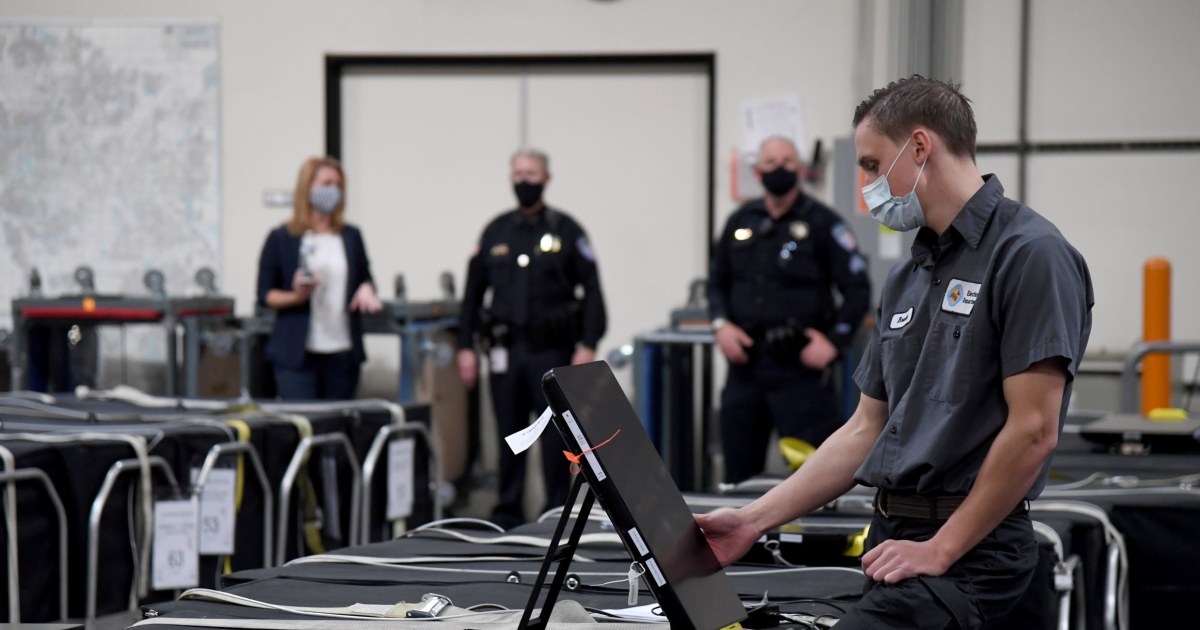
“Informe: Dominion borró 2.7 millones de votos para Trump en todo el país. Un análisis de datos halló que 221,000 votos del presidente Trump en Pennsylvania fueron cambiados para Biden. 941,000 votos para Trump fueron borrados. Los estados que usan Dominion Voting Systems cambiaron 435,000 votos de Trump a Biden”.
Publisher’s rating: Falso
The claim concerned alleged vote deletion and switching by Dominion Voting Systems in the 2020 U.S. election. The review traces the specific figures to a statement Trump shared on Twitter, which said that 2.7 million votes had been deleted nationwide, 941,000 in Pennsylvania, and 435,000 switched across states using Dominion. It also reports that OAN and Gateway Pundit had circulated similar allegations, attributing them to an analysis said to use Edison Research data. The review notes that Edison Research denied producing such a report: its president, Larry Rosin, said the firm had not created information supporting the allegations and was unaware of vote fraud. The review presents a national election-security coalition’s conclusion that there was no evidence voting systems deleted, lost, or changed votes, and says the coalition described the election as the most secure in U.S. history. It also quotes election-technology expert Edward Perez saying he had no evidence of specific Dominion software defects that could have caused votes to be recorded or counted incorrectly. These statements address the central allegation directly: the excerpts describe no substantiated evidence that Dominion systems changed or erased votes. The Pennsylvania figure was also challenged with county-level numbers. Dominion served 14 counties in the state, which together produced about 1.3 million votes; 676,000 of those favored Trump, leaving 624,000 other votes—fewer than the 941,000 Trump said had been changed. The review further says that isolated reporting problems in Michigan and Georgia did not establish that Dominion software altered vote totals.
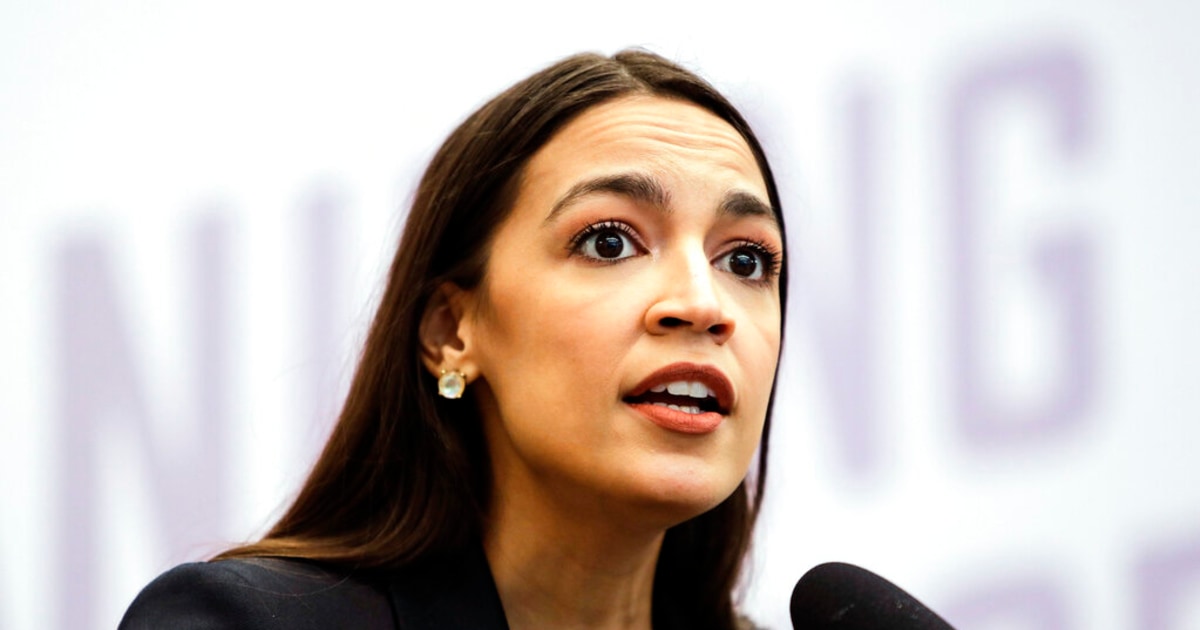
“Cada demócrata de la Cámara de Representantes que estaba en una elección disputada y apoyó #MedicareForAll fue reelegido, o está en camino a ser reelegido. Cada. Uno”
Publisher’s rating: Falta contexto


: É possivel fraudar uma urna eletrônica? link do vídeo completo VEJA COMO É FÁCIL FRAUDAR UMA URNA!
Publisher’s rating: Falso
"Big victory moments ago in the State of Nevada. The all Democrat County Commissioner race, on same ballot as President, just thrown out because of large scale voter discrepancy. Clark County officials do not have confidence in their own election security. Major impact!"
Publisher’s rating: False