PeakMetrics / Fact Checks
Elections & voting fact checks
Explore claims publishers have checked about elections & voting. Read their original ratings and follow the evidence.
Search fact checks
Search by text or image5,414 published reviews in this topic
Commission on Elections (Comelec) spokesperson James Jimenez has been removed from his post.
Publisher’s rating: False

a video from Kolkata, where the situation is set after the election results are out.
Publisher’s rating: FALSE

Media reports say Sara Duterte will run for president
Publisher’s rating: MISLEADING
Image claims to show Orange Democratic Movement (ODM) party supporters detained during the Bonchari by-election
Publisher’s rating: FALSE

ವಿಧಾನಸಭಾ ಚುನಾವಣಾ ಫಲಿತಾಂಶ ಘೋಷಣೆಯ ನಂತರ ಟಿಎಂಸಿ ಬೆಂಬಲಿಗರು ಪೊಲೀಸರ ಮೇಲೆ ಹಲ್ಲೆ ನಡೆಸಿದ ವಿಡಿಯೋ.
Publisher’s rating: FALSE

Fact Check: වරාය නගර පනත් කෙටුම්පත් ඡන්ද විමසීමේ දී සජිත් ඡන්දය දීමෙන් වැළකී සිටියා ද?
Publisher’s rating: False
The claim concerned Sajith Premadasa’s vote on Sri Lanka’s Colombo Port City bill. The investigation says the parliamentary vote took place on May 20, 2021, and that a social-media post suggested the opposition leader had abstained. It examined the NewsFirst material that had prompted the posts, including an image later removed from NewsFirst’s social-media account.
Image claiming to show chaos in Bonchari by-elections
Publisher’s rating: False.
kuryeler kaçtan kaça kadar çalışır?
Publisher’s rating: Sabit firma çalışanı kuryeler 17:30 a kadar çalışırlar
Die ARD manipuliert und lässt in Wahlumfrage das Ergebnis der Freien Wähler unter den Tisch fallen.
Publisher’s rating: Kurzzeitig waren die Freien Wähler in der Online-Grafik des ARD-Deutschlandtrends tatsächlich nicht angezeigt, da nach Senderangaben zunächst nur Parteien ausgewiesen wurden, welche die Fünf-Prozent-Hürde übersprangen. Als jedoch der Artikel auf «reitschuster.de» publiziert und in sozialen Medien verbreitet wurde, waren die Freien Wähler längst in der ARD-Grafik zu sehen - auch in den «Tagesthemen».
Solicitor General Jose Calida confirms Bongbong Marcos won as vice president
Publisher’s rating: False

यह वीडियो दिल्ली के जाफराबाद का है व इसके साथ प्रधानमंत्री मोदी पर चुनावों में भीड़ को लेकर तंज कसा जा रहा है।
Publisher’s rating: False

ALCALDESA DE PARRAL EDITÓ UNA FOTOGRAFÍA QUE UTILIZÓ PARA HACER PROPAGANDA A SU REELECCIÓN
Publisher’s rating: Real
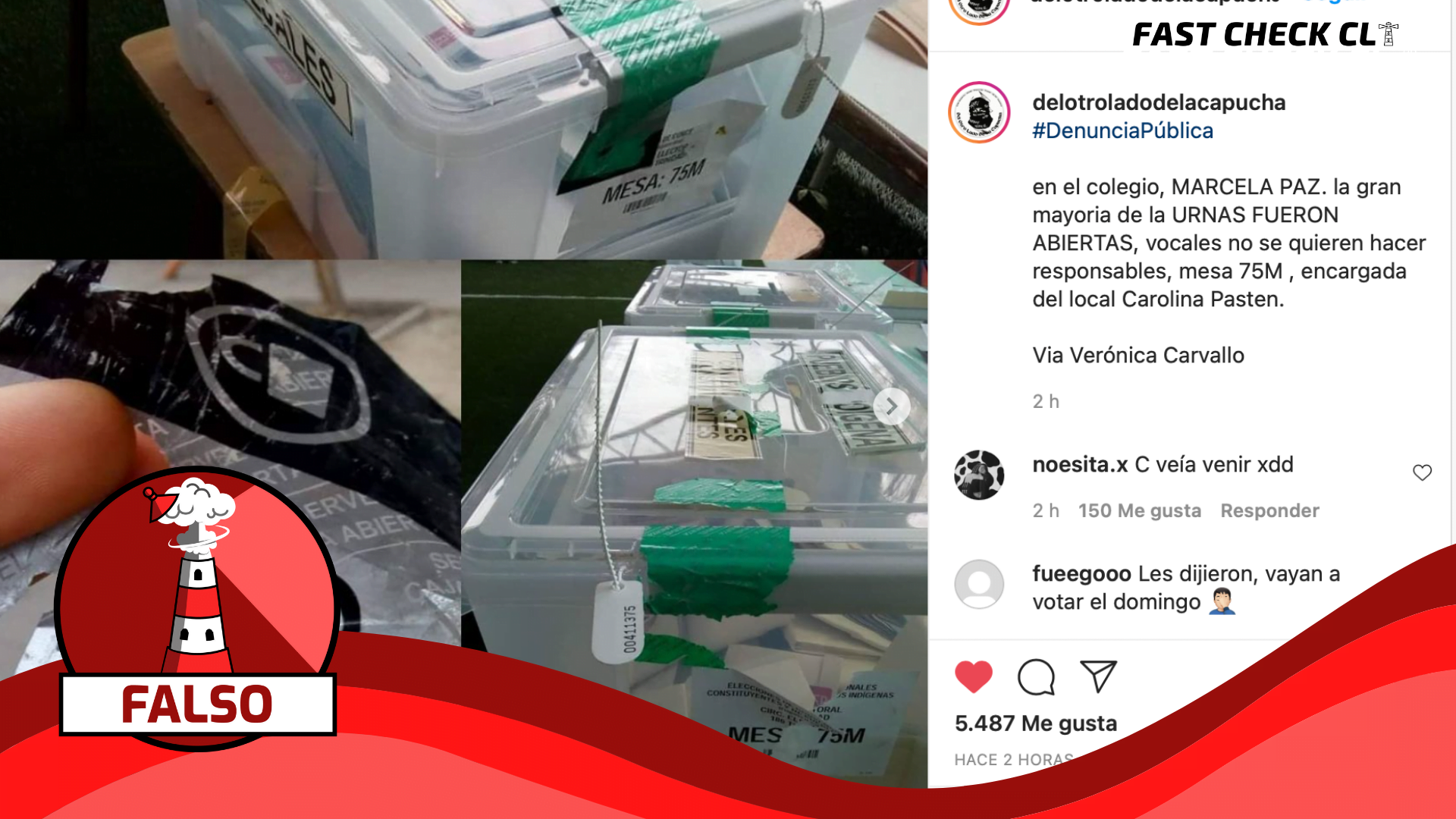
(IMAGEN) “EN COLEGIO MARCELA PAZ LA GRAN MAYORÍA DE LAS URNAS FUERON ABIERTAS”
Publisher’s rating: Falso

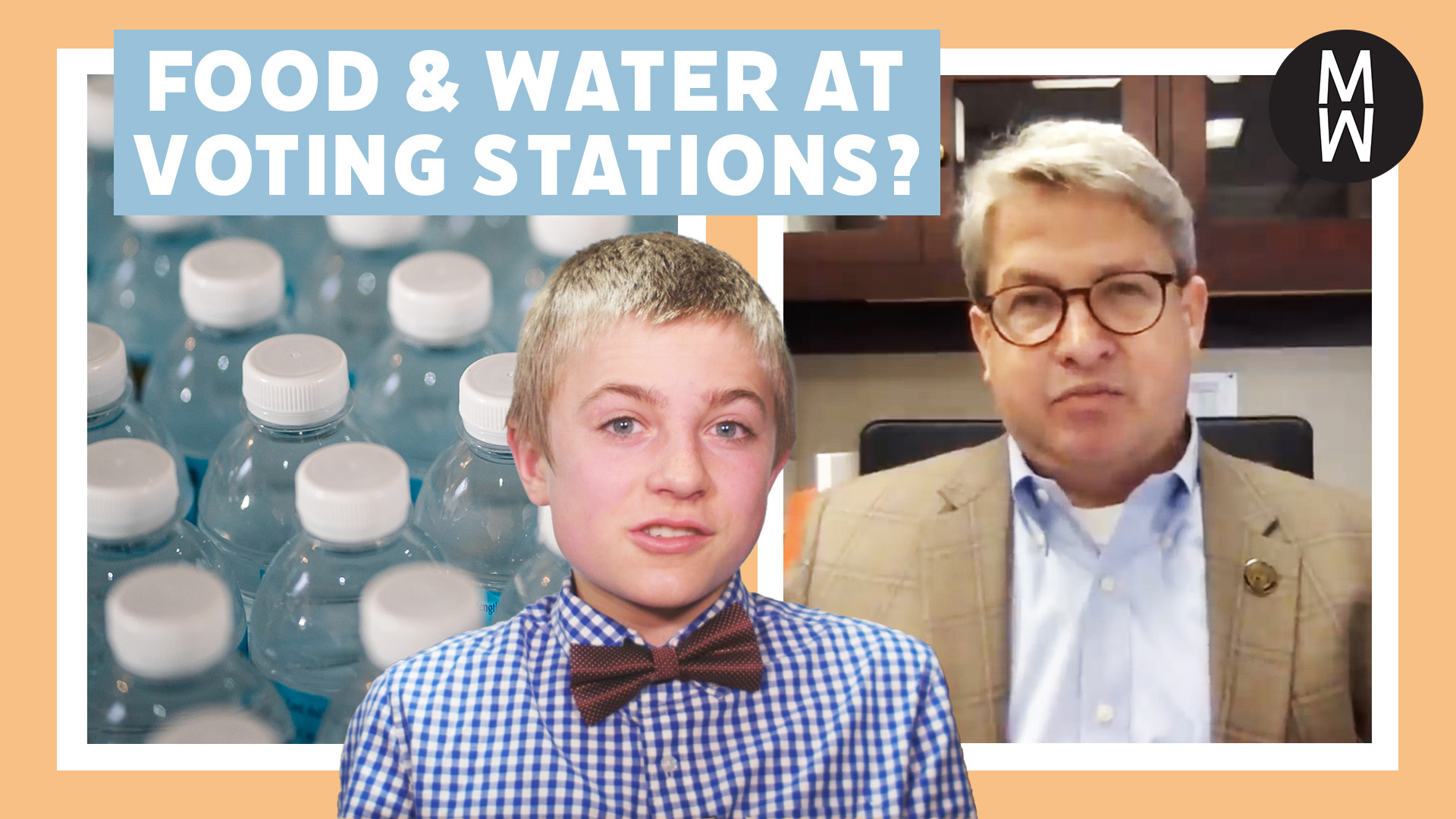
Georgia provision that bans giving away water or food to voters within a certain distance of polling sites is the same law that's in place in Joe Biden's home state of Delaware.
Publisher’s rating: Mostly Not Legit
The claim concerned a specific comparison made by Georgia election official Gabriel Sterling: that Georgia’s restriction on giving food or water to voters near polling sites was the same law in Joe Biden’s home state of Delaware. MediaWise examined whether Delaware had an equivalent food-and-water ban, rather than whether both states had any rules affecting conduct around voters. The review describes Georgia’s restriction as applying within 150 feet of a polling place or within 25 feet of a voter in line; it notes that poll workers remained allowed to provide water while other people faced the restriction. (S1: “the law makes it an offense to give away food or water within 150 feet of a polling place or within 25 feet of any voter in line.”) To check the Delaware comparison, the review reports searching for coverage and following a Washington Post link upstream to Delaware’s election code. It says that code did not mention food or drinks. The distinction is that Delaware prohibited gifts of any value to voters, but the review found no explicit food-or-water prohibition in Delaware law. A general gifts rule therefore did not establish that Delaware had the specific restriction imposed in Georgia. (S1: “Delaware does not explicitly prohibit food or water. However, Delaware does prohibit giving gifts of any value to voters.”; “Looking through the actual law, there isn’t any mention of food or drinks.”) The review also reports that Snopes found explicit food-and-water rules in Montana and New York, and characterized those bans as less restrictive than Georgia’s. Its conclusion was that Sterling’s equivalence claim was inaccurate: Delaware’s gifts rule was not the same as Georgia’s specific food-and-water ban. (S1: “only Montana and New York have similar bans when it comes to food and water, though they wrote that these bans are actually less restrictive than Georgia’s.”; “since Delaware’s laws don’t even mention food or water.”)

2010 national census data was used to manipulate the 2020 election rolls and to inject phantom votes into the election totals
Publisher’s rating: False
There were 35,000 votes for Joe Biden already pre-set in the voting machines in Arizona
Publisher’s rating: False
There were big spikes in votes only for Biden on Election Night 2020
Publisher’s rating: False

2021 వెస్ట్ బెంగాల్ అసెంబ్లీ ఎన్నికలలో జరిగిన రిగ్గింగ్ ఘటన వీడియో
Publisher’s rating: FALSE

Religion wise vote share statistics of different political parties in recent West Bengal assembly elections, as released by ECI
Publisher’s rating: FALSE
The post circulating on social media attributed religion-wise vote-share figures from the recent West Bengal assembly elections to the Election Commission of India (ECI). The review’s conclusion is that the ECI did not release the information shown in the post. It explains that election information on the electorate and turnout may be separated by gender, while released vote counts are not classified by voters’ religion or caste. [S1] The review describes the underlying constraint as the secret ballot: the ECI may publish votes received by candidates, but those records do not identify the religion or caste of the people who cast them. It also notes that, for the West Bengal election in question, the ECI had published party-wise vote share, constituency-wise candidate vote share, and constituency-wise trends; polling-station-level candidate vote data had not yet been released. None of those categories substantiates the post’s claimed religion-wise breakdown. [S1] The review therefore distinguishes genuine election statistics from the post’s attribution: the existence of official party or constituency results does not establish that the ECI released figures grouped by voters’ religion. Its stated conclusion is that the post’s statistics were wrongly attributed to the ECI. [S1]