PeakMetrics / Fact Checks
Economy & business fact checks
Explore claims publishers have checked about economy & business. Read their original ratings and follow the evidence.
Search fact checks
Search by text or image7,103 published reviews in this topic

रेलवे बोर्ड ने RRB और NTPC की नौकरियां कम कर दी हैं।
Publisher’s rating: FALSE

Claim HDFC bank is declaring that it will only compensate one lakh rupees if the bank shuts down
Publisher’s rating: FALSE

கீழே காணும் படச் செய்தியைப் பார்க்கவும், HDFC Bank தனது வாடிக்கையாளர்களுக்கு அவர்களுடைய Pass bookல் கீழ்கண்ட செய்தியை முத்திரையிட்டு அறிவிக்கின்றது:- “பொது மக்களிடமிருந்து பெறப்பட்ட எங்கள் வங்கியின் “டெபாசிட்டுகள்” அனைத்தும் Deposit Insurance Credit Guarantee Corporation of India (DICGC)ல் காப்பீடு (Insure) செய்யப்பட்டுள்து. எங்கள் வங்கி முழுகும் நிலைக்கு வந்தால் (திவால்) உங்கள் Depositஐ திரும்ப பெற நீங்கள் கோரும் Claimக்கு – (அது Rs.1.00 லட்சத்திற்கு மேல் எவ்வளவு இருந்தாலும்) அதிகபட்சம் Rs.1.00 லட்சம் மட்டுமே DICGC உங்களுக்கு இழப்புத் தொகையாகக் கொடுக்கும்”… அதாவது பொது மக்கள் Deposit ஆனது 5 லட்சம்/ 10 லட்சம் / ஏன் 1 கோடி ரூபாயாக இருந்தாலும் -அவர்கள் வங்கி முழுகும் பட்சத்தில் அவர்களுக்கு அதிக பட்சம் Rs.1.00 லட்சம் மட்டுமே இழப்புத் தொகையாகக் கொடுக்கப்படும். மீதி அனைத்தும் மொத்தமாக இழப்பே ஆகும்.
Publisher’s rating: True

Modi Government has cleared India's debt to world bank.
Publisher’s rating: FALSE
The claim arose from a Facebook post featuring a tweet by Syed Akbaruddin, India’s permanent representative to the United Nations. The post said that, for the first time in 70 years, India under Modi had cleared its outstanding World Bank loans. The review traced the confusion to what Akbaruddin’s tweet actually concerned: India paying dues related to its contribution to the UN, rather than repaying loans from the World Bank. The review states that countries contribute to the UN budget and that India had paid its share. To check the separate World Bank debt assertion, the review says it consulted the World Bank’s website. It reports that India still owed several billion dollars to the World Bank, with borrowing associated with projects and different World Bank groups: IBRD, IDA and IFC. It also notes that project-level details were available on the World Bank’s website. This evidence directly contradicts the claim that those debts had all been cleared. The key distinction is between two different kinds of payment: India’s contribution-related dues to the UN, and outstanding loans from the World Bank. The post presented the former as proof of repayment of the latter, but the review found no relation between them. Its conclusion is that the UN payment was being misrepresented as clearance of India’s World Bank debt.

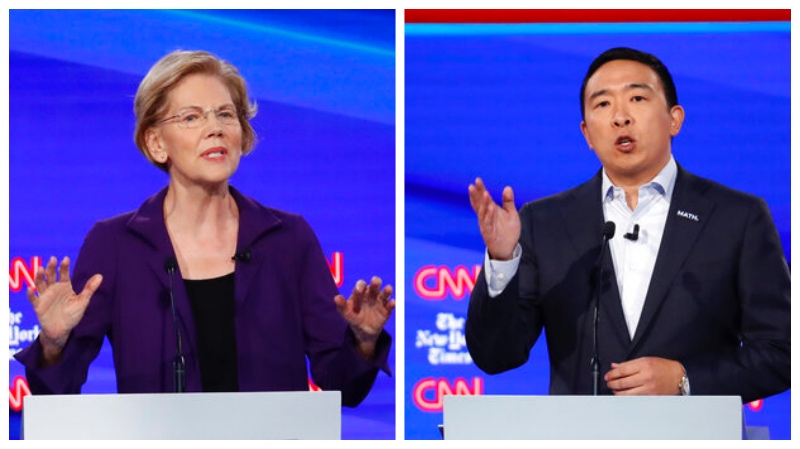
Automation puts millions of jobs at risk.
Publisher’s rating: It helps and hurts
"The principal reason (for the loss of manufacturing jobs) is bad trade policy."
Publisher’s rating: China was huge factor

ప్రపంచ బ్యాంకు భారత్ కి ఇచ్చిన అప్పులను తీర్చేసిన ప్రధాని మోడీ.
Publisher’s rating: FALSE
“SOCAR karbamidi Azərbaycanda 20% daha aşağı qiymətə reallaşdırır”
Publisher’s rating: əsasən doğru


RBI is releasing new Rs. 1000 notes and taking back Rs. 2000 notes.
Publisher’s rating: FALSE
The post examined by FACTLY claimed that the RBI would release new Rs. 1000 notes on 1 January 2020 and take back all Rs. 2000 notes, urging people to exchange them immediately. FACTLY reported that the RBI had made no such announcement. Its review also distinguished the claim from the fact that the central bank had reduced printing of Rs. 2000 notes: reduced printing did not establish that the notes were being withdrawn or that new Rs. 1000 notes were coming. (The article’s claim is about taking back all the notes; it does not establish a broader claim about every possible later policy.) To check the alleged announcement, FACTLY searched the RBI website for recent announcements and reported finding none about either taking back all Rs. 2000 notes or releasing new Rs. 1000 notes. The review also addressed a related claim that Rs. 2000 notes would stop coming from SBI ATMs: an SBI official told FACTLY that SBI had taken no such decision, and FACTLY said it obtained Rs. 2000 notes from an SBI ATM in Hyderabad. Those checks concern the specific claims in the post, rather than serving as evidence that the RBI had announced a currency change. The images offered as evidence of a new Rs. 1000 note did not support that claim, according to the review. FACTLY observed that one image bore the text “Year 2017” and “Artistic Imagination” and had a Gandhi signature, which it contrasted with the RBI Governor’s signature on other new currency notes. It concluded that the image was an older artistic design, not an official new-note design. Taken together, the review’s reported search for an RBI announcement and its examination of the note images support its conclusion that the post’s claimed announcement was not genuine.

“90 percent of Americans have not had a raise for 40 years.”
Publisher’s rating: False
"[R]aising the minimum wage to $15 an hour ... would put more money in people’s pockets than giving them $1,000 a month."
Publisher’s rating: Misleading
"Ohio, Michigan and Pennsylvania — actually in the latest jobs data — have lost jobs, not gained them.”
Publisher’s rating: False

"A wealth tax makes a lot of sense in principle. The problem is it's been tried in Germany, France, Denmark, Sweden and all those countries ended up repealing it because it had massive implementation problems and did not generate the revenue that they projected."
Publisher’s rating: Mostly right
"People haven’t had a raise — 90% of Americans have not had a raise for 40 years."
Publisher’s rating: Inaccurate
حدود یک سوم از درآمد اقتصاد ملی در تهران ایجاد میشود.
Publisher’s rating: نادرست

Mercadona va a despedir a los trabajadores en huelga por la sentencia del ‘procés’
Publisher’s rating: Falso
