PeakMetrics / Fact Checks
Economy & business fact checks
Explore claims publishers have checked about economy & business. Read their original ratings and follow the evidence.
Search fact checks
Search by text or image7,099 published reviews in this topic

కేంద్ర ప్రభుత్వం ప్రవేశపెట్టిన 2021-22 బడ్జెట్ లో పెట్రోల్ ధర రూ.2.5 మరియు డీజిల్ ధర రూ.4 పెంచారు
Publisher’s rating: MISLEADING

«Nel 2020 hanno perso il lavoro 444 mila persone: 312 mila donne e 132 mila uomini. Solo a dicembre sono stati persi 101 mila posti di lavoro, 99 mila di donne. Il 99%»
Publisher’s rating: Vero
The claim concerns figures shared by Democratic Party deputy Lia Quartapelle: 444,000 fewer people employed in 2020, including 312,000 women and 132,000 men, and a December decline of 101,000, of whom 99,000 were women. The review says Istat published the latest, still provisional employment data on February 1. Comparing December 2020 with the same month a year earlier, the data showed 444,000 fewer employed people, split into 132,000 fewer men and 312,000 fewer women. For December alone, compared with November, the decline was 101,000: 99,000 women and 2,000 men. Thus, the review finds the figures in the claim accurate. The review’s central qualification is that the claim calls the decrease a loss of “jobs,” whereas the figures measure people classified as employed. It explains that this category is broader than stable, continuing jobs, and says Istat counts as employed someone who worked at least one hour for monetary or in-kind compensation during the survey week. The numerical comparison is therefore supported, but the wording treats distinct measures as interchangeable. The review also places the figures in context: the decline in employment coincided with a rise in people classified as inactive, while unemployment fell. It reports that, during 2020, the number of inactive people aged 15–64 increased by 482,000. These distinctions help clarify what the employment figures do—and do not—show; the review describes the data as provisional.

«Per molti anni l’Italia aveva sospeso la vendita di armamenti verso il Cairo. Ha ripreso dal 2018, fino ad arrivare alla vendita delle due fregate Fremm di Fincantieri. Ma queste sono solo quelle più vistose, che fanno dell'Egitto il primo partner commerciale dell'Italia per la vendita di armamenti»
Publisher’s rating: Nì
The review assesses three linked parts of Erasmo Palazzotto’s claim: whether Italy had suspended arms sales to Egypt for years, whether exports resumed in 2018, and whether the two Fremm frigates explain Egypt becoming Italy’s leading arms-export destination. It finds that the claim is only partly accurate: Egypt ranked first by value of Italian arms exports authorized in 2019, but Italy had not stopped authorizing exports for many years, and the frigates did not account for that 2019 ranking. The review’s conclusion is based on export authorization figures and the annual government report to Parliament, rather than treating authorizations as proof that all permitted sales were delivered. The figures show authorized exports to Egypt of €17.2 million in 2013, €31.8 million in 2014 and €37.6 million in 2015, followed by lower amounts of €7.1 million in 2016 and €7.4 million in 2017. The total rose to €69.1 million in 2018 and €871.7 million in 2019. The review says the last figure made Egypt the leading destination that year, while noting that the 2019 authorizations concerned 32 helicopters—not the two frigates. It also cautions that authorization and actual delivery differ: for 2018, Italy authorized about €5.2 billion in exports overall but delivered about €2.5 billion. The review traces the distinction between a partial European restriction and a complete halt. In 2013, and again in 2014, European Council conclusions called for suspending export licences for equipment that could be used for internal repression. The review says Italy nevertheless continued authorizing arms exports to Egypt; the amounts then fell substantially in 2016–17 and increased again from 2018. The frigates were authorized in 2020, according to a statement to the Chamber of Deputies, and were expected to appear in the report covering that year. Thus, the claim gets the 2019 ranking and the later rise in exports broadly right, but overstates the duration of the suspension and misattributes the 2019 ranking to the frigates.


devido a grande repercussão de sua marca registrada leite condensado "MOÇA ", que fará a doação de 8 mil caixas do produto
Publisher’s rating: Falso

Każdego dnia w Polsce umierają dziesiątki firm.
Publisher’s rating: Fałsz
۷۰ درصد سپردههای بانکی برای یک درصد و ۹۰ درصد آن برای ۴ درصد جامعه است.
Publisher’s rating: نادرست

Good morning messages are going to be charged 18% GST
Publisher’s rating: FALSE
The claim was that good morning messages would be charged 18% GST. FACTLY says it checked a social-media post accompanied by a newspaper clipping and found the clipping was an old satirical article, not an announcement of a tax change. The article had appeared in the Delhi edition of Navbharat Times in 2018 for Holi, with a pun intended; the review says it ended with the phrase ‘बूरा न मानो होली है’.
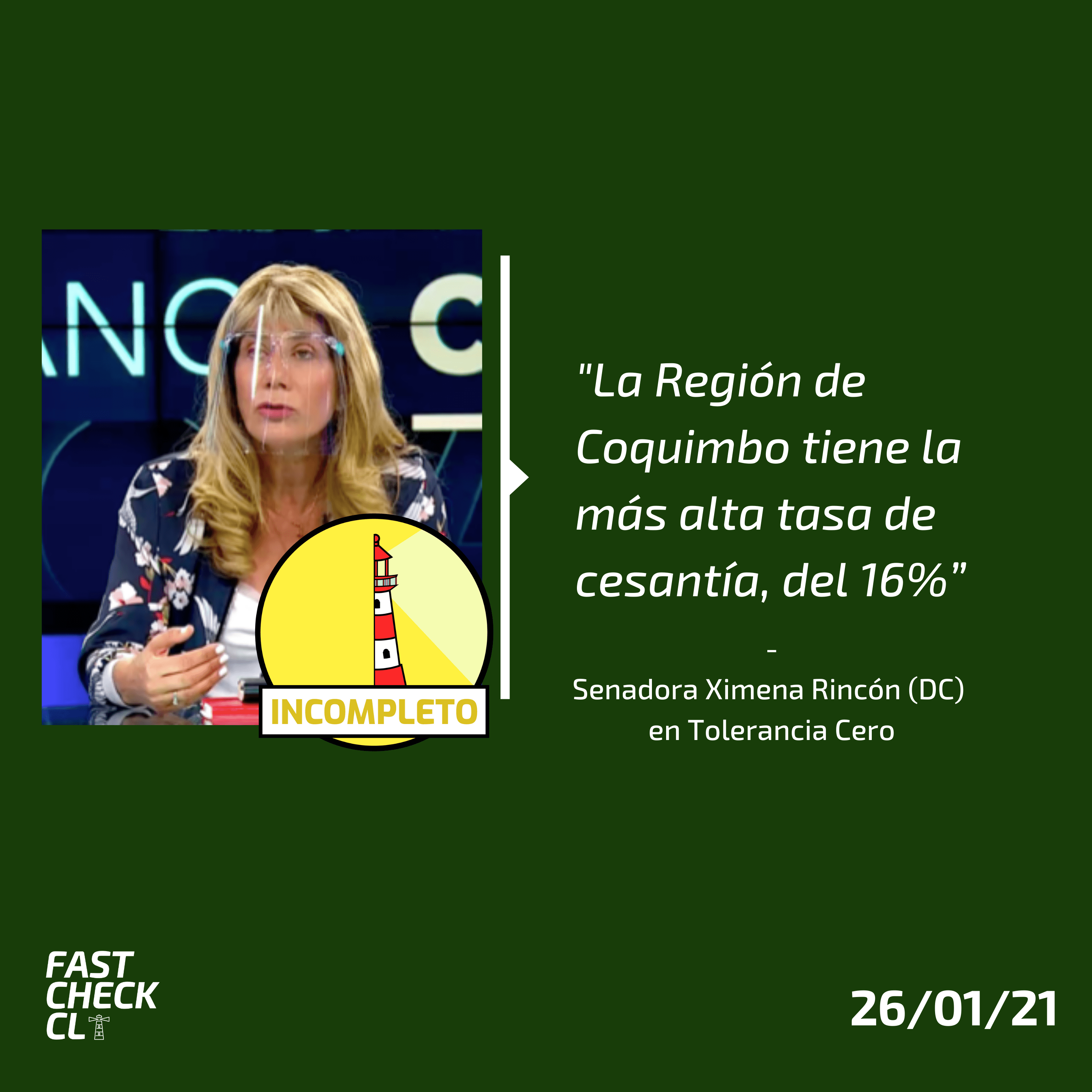
“LA REGIÓN DE COQUIMBO TIENE LA MÁS ALTA TASA DE CESANTÍA, DEL 16%”
Publisher’s rating: Incompleto
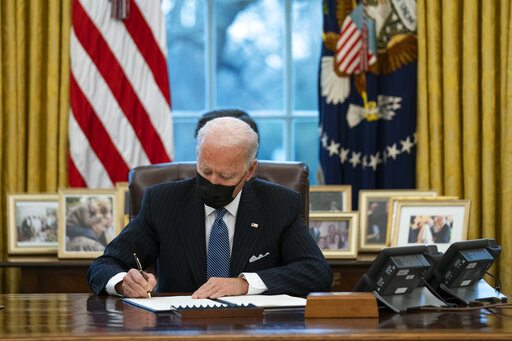
Joe Biden has ordered "a complete halt on the $2,000 stimulus program he promised."
Publisher’s rating: Inaccurate
In Joe Biden's first days in office, there was "a loss of 52,100 jobs in oil."
Publisher’s rating: Needs context

మార్చి 2021 నుంచి పాత 100 రూపాయల నోట్లను రద్దు చేస్తున్నట్టు రిజర్వు బ్యాంకు ప్రకటించింది
Publisher’s rating: FALSE

.பி யில் உள்ள பாஜக அரசு ஞாயிற்றுக்கிழமைகளில் தேவாலயங்களில் நடைபெறும் பிரார்த்தனைகளில் காணிக்கையாக வழங்கப்படும் பணத்திற்கு 6% ஜிஎஸ்டி விதித்துள்ளது
Publisher’s rating: FALSE
The review examined a viral image of an English-language newspaper page that appeared to say Uttar Pradesh’s BJP government had imposed a 6% GST on money offered during Sunday church services. It concluded that the claim was false and that the newspaper image had been altered. The review reports that it found no genuine announcement supporting the alleged law, and that Uttar Pradesh had not implemented such a measure: “உ.பி. அரசு இதுபோன்ற எந்தச் சட்டத்தையும் அமல்படுத்தவில்லை.” To trace the image, investigators used Google reverse-image search. They found the same page in the Times of India issue dated January 11, 2010, on Kiosko.net, and compared it with the viral image. The original page’s final two paragraphs discussed former Prime Minister Deve Gowda and Karnataka Chief Minister Yediyurappa; the review says this comparison showed that the viral newspaper image had been edited. It also found the item printed by Hindustan Times on the same date and reports that the Times of India’s original online version contained no article about the supposed new law. The timing is an important check on the claim: the newspaper page dates to 2010, while the review states that GST came into effect on July 1, 2017. It also says Uttar Pradesh BJP spokesperson Rakesh Tripathi denied that the government had imposed GST on Sunday church offerings. Together, the image comparison, chronology, absence of a supporting announcement, and spokesperson’s denial address the specific allegation; the review does not identify any actual law or tax measure matching it.

Register on the given link and get a monthly unemployment allowance from the government under the ‘PM Berojgaari Bhatta Yojna – 2021’ scheme
Publisher’s rating: FALSE
The claim concerned a social-media registration link promising a government unemployment allowance of up to ₹3,800 a month, with the amount said to depend on age. The review examined the link and the registration process rather than evidence of an individual receiving benefits. It reports that the link led to a private website, which requested personal details and then asked users to share the message with five other people to finish registering. The review says there was no central-government direct-benefit-transfer scheme under the claimed name. It also cites a clarification by the Press Information Bureau (PIB): in May 2020, the agency said the government was not running such a scheme and described the circulated claim and blog link as fake. The review notes that this clarification concerned similar posts circulating in 2020, while its own investigation addressed the link being shared with the 2021 scheme name. Taken together, the reported destination and sharing requirement undermine the promise that registering through this link would secure a government allowance. The review concludes that no ‘PM Berojgaari Bhatta Yojna – 2021’ scheme provided the claimed monthly allowance.

Newspaper clipping about UP BJP government introducing 6% GST on Sunday Church Mass offertory money
Publisher’s rating: FALSE
The claim concerned a newspaper clipping shared online as evidence that the Uttar Pradesh BJP government had introduced a 6% GST on Sunday Church Mass offertory money. FACTLY reports that the clipping was edited, and that the original newspaper page did not contain the headline used in the social-media version. The original headline instead read “Ex-PM Gowda spews abuse at K’taka CM,” about an incident in January 2010. The review also notes that the photograph of H. D. Deve Gowda was visible in the clipping. To check the image’s provenance, the review says it used Google Reverse Image Search and found the complete image of the same newspaper clipping. It also found the newspaper image on the Kisko website, which dated it to 11 January 2010. FACTLY reports that articles from the page appeared on The Times of India website that same day, and that the clipping included a photograph of Zaheer Khan after he was named Man of the Match in the India–Sri Lanka match in Dhaka on 10 January 2010. That date is decisive: the review states that GST came into effect in India on 1 July 2017, more than seven years after the original newspaper was published. The clipping therefore could not originally have reported the claimed GST measure. FACTLY further says it found no information that the Uttar Pradesh BJP government introduced the claimed tax on church offerings. Its investigation supports the conclusion that the circulating clipping was altered and does not substantiate the claim.

किसान का कर्ज़ा माफ नहीं करना चाहिए क्योंकि अगर कर्ज़ा माफ किया तो किसान की आदत खराब हो जाएगी।
Publisher’s rating: Missing Context

"We built the greatest economy in the history of the world."
Publisher’s rating: Not even best in U.S. history
"We also got tax cuts — the largest tax cut and reform in the history of our country, by far."
Publisher’s rating: Wrong, for the umpteenth time

"Millions of jobs have been lost. Hundreds of thousands of businesses closed."
Publisher’s rating: Right on jobs
Due to the coronavirus, "millions of jobs have been lost. Hundreds of thousands of businesses closed."
Publisher’s rating: Employment and business losses have been large