PeakMetrics / Fact Checks
Economy & business fact checks
Explore claims publishers have checked about economy & business. Read their original ratings and follow the evidence.
Search fact checks
Search by text or image7,099 published reviews in this topic
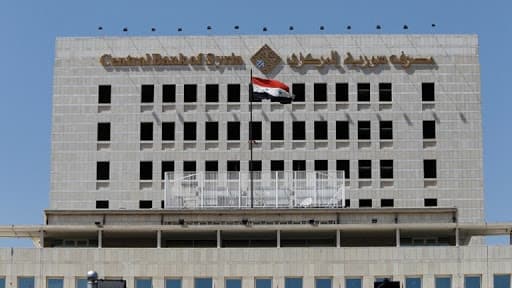

«La provincia di Brescia ha un Pil superiore ad almeno quattro Stati che siedono nel Consiglio europeo. Sarebbe la numero 25 dell’elenco dei Paesi europei se la provincia di Brescia fosse uno Stato a sé come Pil» (min.12:00)
Publisher’s rating: Vero
At Italia Viva’s national assembly on 20 March, Matteo Renzi said that Brescia province, if it were a state, would have a GDP greater than at least four states represented in the European Council and would rank 25th among European countries. The review compares Brescia with the 27 EU member states, the countries it identifies as represented in the Council, using 2018 figures. To estimate Brescia’s total, the review uses Istat data for 2018 value added per resident—€30,702—and multiplies it by the province’s population of 1,262,402 on 1 January 2018. It says this produces an estimated provincial GDP of about €38.76 billion. The review explains that value added is effectively equivalent to GDP for this comparison. Eurostat figures cited in the review show four EU countries below that estimate: Malta at €12.59 billion, Cyprus at €21.43 billion, Estonia at €25.94 billion and Latvia at €29.14 billion. Lithuania and Slovenia were slightly above Brescia, at €45.59 billion and €45.86 billion, respectively. Thus, the comparison supports the claim that Brescia’s GDP exceeded that of four EU states. The review flags a separate ranking error: among 27 EU states plus Brescia, a GDP greater than four countries’ would place Brescia 24th, not 25th. It therefore treats the GDP comparison as correct while distinguishing it from the incorrect rank arithmetic.

«Per i risparmiatori truffati delle banche è stanziato un miliardo e mezzo di euro. A settimana scorsa sa quanti soldi erano stati dati ai risparmiatori? 21 milioni»
Publisher’s rating: C'eri quasi
Matteo Salvini made the statement on 18 March 2021, during an appearance on Rai 1’s Porta a Porta. He said that savers affected by bank failures had received €21 million, despite €1.5 billion being set aside. The review identifies the fund as the Fondo indennizzo risparmiatori (Fir), established by the 2019 budget law with €525 million for each of 2019, 2020 and 2021. The review’s figures therefore concern this fund and investors affected by the failures of six banks between 2015 and 2017—not every person who might broadly be described as a bank customer who lost money. [S1: “Il 18 marzo, ospite a Porta a Porta su Rai 1, il leader della Lega Matteo Salvini ha detto (min. 47:43) che ai «risparmiatori truffati dalle banche» sono stati dati «21 milioni», a fronte di uno stanziamento di «un miliardo e mezzo di euro».”; “Con la legge di Bilancio per il 2019, il governo Conte I – di cui Salvini era ministro dell’Interno – ha creato un Fondo indennizzo risparmiatori (Fir) con risorse pari a 525 milioni di euro per ciascuno degli anni 2019, 2020 e 2021.”] The review compares Salvini’s amount with data Consap published on 15 March 2021. It reports that, by that date, Consap had liquidated €45.5 million in reimbursements—more than twice the €21 million in Salvini’s statement—and describes this as about 3 per cent of the roughly €1.5 billion allocated. On the amounts and date examined, then, the €1.5 billion allocation was broadly accurate, but the reported payments were substantially higher than his figure. [S1: “Il 15 marzo 2021 – tre giorni prima dell’intervento di Salvini a Porta a Porta – Consap ha pubblicato per la prima volta alcuni dati sulle risorse impiegate dal Fir per rimborsare i risparmiatori.”; “Fino a quella data Consap aveva provveduto liquidare 45,5 milioni di euro (poco più del doppio dei 21 milioni indicati da Salvini), circa il 3 per cento dei complessivi 1,5 miliardi di euro e oltre stanziati per il Fir.”] The comparison needs a qualification: eligibility was restricted by criteria, and the total fund allocation was not the same as the amount already paid out. The review says payment procedures began only in autumn 2020. It also reports that, among 114,000 applications received, 75,000 needed document supplementation. These details help explain why the amount paid by March 2021 was only a small share of the allocation, without changing the reported €45.5 million total. [S1: “Come abbiamo accennato prima, non tutti i risparmiatori e gli investitori possono fare domanda di rimborso, ma vanno rispettati una serie di criteri”; “Su 114 mila domande ricevute, ha spiegato Consap, 75 mila avevano necessità di integrazione perché carenti di documenti e «in tal senso sono in fase d’invio le ultime richieste di integrazione».”; “le procedure di rimborso sono state piuttosto articolate e sono state avviate soltanto ad autunno 2020.”]
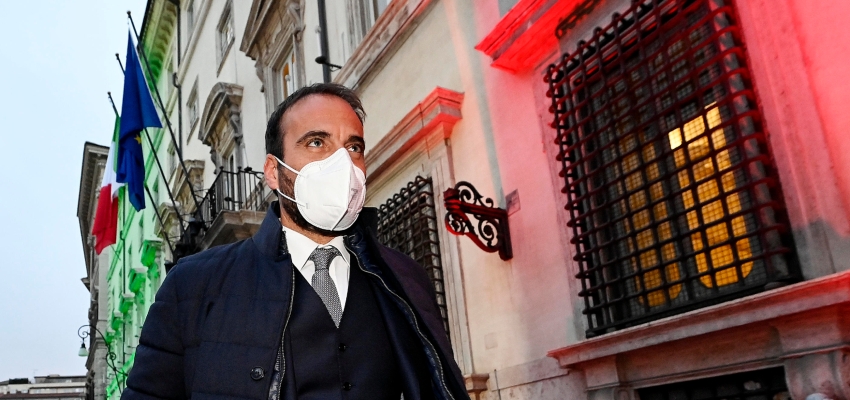
«Al momento nel “magazzino” dell’Agenzia delle Entrate-Riscossione ci sono 987 miliardi di crediti fiscali. Il 91% dei quali (895,8 miliardi) praticamente, non esiste: perché fa riferimento a contribuenti deceduti o falliti o su cui sono già state effettuate tutte le azioni di recupero possibili»
Publisher’s rating: Vero
The claim concerns Luigi Marattin’s March 2021 statement that roughly 91% of the tax claims held in the collection “warehouse” effectively did not exist as recoverable debts. The review checked the figures against the latest data it said were available: figures presented by revenue-agency director Ernesto Maria Ruffini at a Senate hearing on October 6, 2020, for the situation as of June 30, 2020. Those figures put the amount awaiting collection at €986.7 billion, close to the €987 billion cited in the claim. (S1: “Al 30 giugno 2020 – quindi circa nove mesi fa – gli enti creditori dovevano riscuotere 986,7 miliardi di euro”) The review’s breakdown accounts for the €895.8 billion, or nearly 91%, figure. It includes €405.3 billion classified as difficult to collect because of taxpayers’ circumstances, such as bankruptcy, death, business closure or lack of assets; €440.3 billion for which collection attempts had not achieved full recovery; and €50.2 billion where collection was suspended or affected by debt forgiveness measures. The review says Marattin cited both the total and percentage correctly. (S1: “Circa il 41 per cento dei quasi 987 miliardi da riscuotere (405,3 miliardi) faceva riferimento a crediti «di difficile recuperabilità per le condizioni soggettive del contribuente»”; “Atri 440,3 miliardi (circa il 45 per cento) riguardavano invece contribuenti verso i quali si è cercato di recuperare i crediti, senza però ottenere un «recupero integrale».”; “Per circa 50,2 miliardi (il 5 per cento del totale) la riscossione è stata invece sospesa”) There is an important qualification: the 91% was not all definitively lost. The review notes that further collection efforts were still being attempted on the €440.3 billion with only partial recovery, although recovery was difficult to predict. Thus, “practically does not exist” is a shorthand for claims with limited or uncertain prospects, not a claim that every euro in that category was legally extinguished or impossible to collect. (S1: “per quanto riguarda la fetta degli oltre 440,3 miliardi visti in precedenza si stanno provando «ulteriori possibili attività di riscossione». Dunque non sono del tutto perduti, sebbene sia molto difficile prevederne un recupero”)
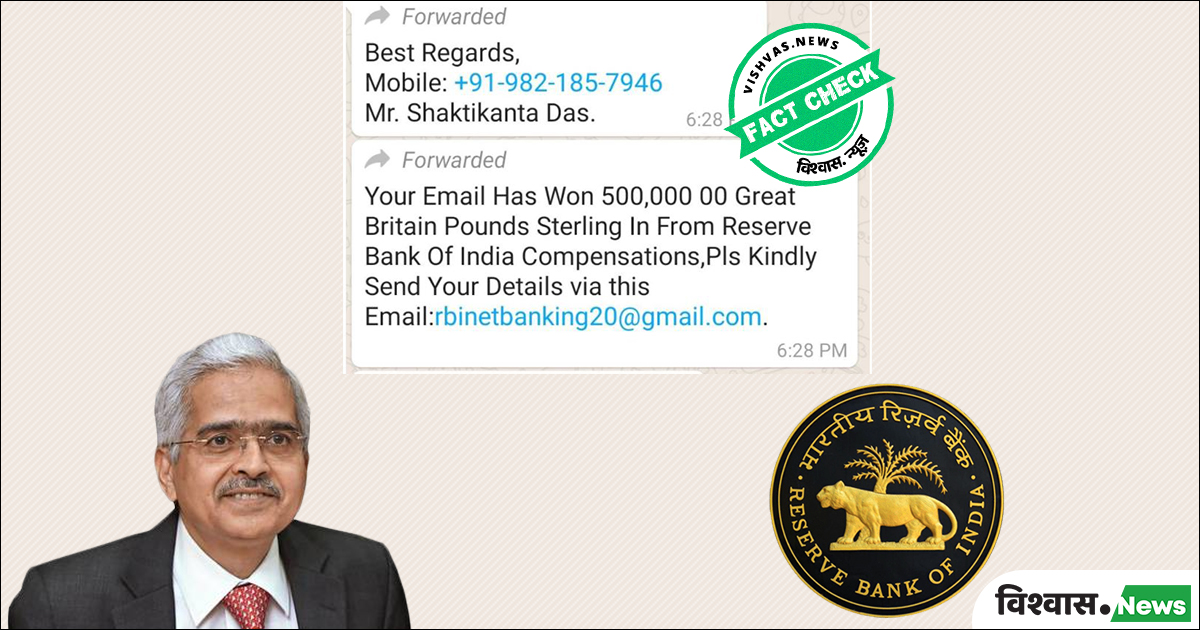

మోదీ హాయాంలో ఎటువంటి ప్రభుత్వ రంగ సంస్థలు స్థాపించకపోగా, అత్యధికంగా ప్రభుత్వ రంగ సంస్థలు అమ్మేయడం జరిగింది
Publisher’s rating: MISLEADING


Projeto Alimento Solidário Você e sua família têm direito a 01 Cesta Básica Alimentar completa e 01 Vale-Compras de R$50!
Publisher’s rating: Falso
Ang credit rating ng Pilipinas na "BBB" ay kasunod na ng "A".
Publisher’s rating: Hindi totoo
The Philippines' credit rating at "BBB" is just below "A".
Publisher’s rating: False

మోదీ హయాంతో పోలిస్తే మన్మోహన్ సింగ్ హాయాంలోనే పలు సూచిలలో మంచి గణాంకాలు నమోదయ్యాయి
Publisher’s rating: MISLEADING

ప్రభుత్వ రంగ సంస్థల్లో వాటాలు అమ్మడం మన్మోహన్ సింగ్ ప్రభుత్వ హయాంలో మొదలుపెట్టారు
Publisher’s rating: MISLEADING

: “ESTÁ AÍ ,UMA DEVOLUÇÃO DO IMPOSTO FEDERAL DO COMBUSTÍVEL !”.
Publisher’s rating: Falso

కువైట్ కుబేరుడు నాజర్ అల్-ఖరాఫి మరణించక ముందు సంపాదించిన ఆస్తుల ఫోటోలు
Publisher’s rating: FALSE

ارزش حداقل دستمزد کارگران ایرانی حدود ۱۰۰ دلار است که شاید کمترین در جهان است.
Publisher’s rating: نیمهدرست
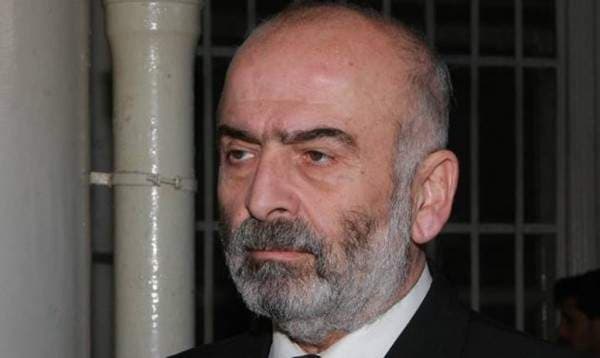

కేంద్రం పెంచిన పెట్రోల్, డిజిల్ ధరలకు వ్యతిరేకంగా కేరళ లో ఇప్పుడు ధర్నా చేస్తున్న BJP నేతలు
Publisher’s rating: FALSE