PeakMetrics / Fact Checks
Economy & business fact checks
Explore claims publishers have checked about economy & business. Read their original ratings and follow the evidence.
Search fact checks
Search by text or image7,093 published reviews in this topic
Entre 2004 e 2012, o] (...) PIB agropecuário crescia 75%
Publisher’s rating: Falso

Profit of banks in India is -11.2% during 2013-14, whereas the profit reached above 1 Lakh crore rupees during 2020-21
Publisher’s rating: MISLEADING
The claim compares a figure of −11.2% for Indian banks in 2013–14 with profits above ₹1 lakh crore in 2020–21, presenting them as comparable profit amounts. The review checked RBI data on the appropriation of profit for all scheduled commercial banks (SCBs). It reports that the 2013–14 net profit was ₹80,912.68 crore, while −11.2% was the annual net-profit growth rate—not the profit itself. The same RBI data show net profit of ₹1,21,997.57 crore in 2020–21, with a year-on-year growth rate of 1018.14%. Thus, the claim’s later figure is a total net-profit amount, whereas its earlier figure is a growth rate. The review identifies this mismatch as the central problem: the figures use different measures, so the comparison does not show that profit rose from −11.2% to more than ₹1 lakh crore. The review describes its figures as coming from the RBI’s Database on Indian Economy and reproduces a year-by-year table of net profit and net-profit growth rates. Its conclusion is limited to the comparison made in the video; the reported figures distinguish the banks’ actual net profit in 2013–14 from the percentage change in profit that year.



In Deutschland gibt es keine Steuerpflicht.
Publisher’s rating: Ein Urteil des Bundesverfassungsgerichts wird falsch interpretiert. In Deutschland hat der Staat das Recht, Steuern einzutreiben.


Inflacja w Polsce jest wynikiem nie tylko działań rządu, ale także wpływu wojny w Ukrainie na ceny energii.
Publisher’s rating: Manipulacja

Nubank faz Pix de R$ 150 da Copa em site no WhatsApp
Publisher’s rating: Falso

A MOTOROLA DISPENSOU OS FUNCIONÁRIOS PARA AS MANIFESTAÇÕES Tem algo acontecendo
Publisher’s rating: Falso

أمريكي من أصل سوري يفوز بأكبر جائزة يانصيب في التاريخ
Publisher’s rating: خطأ

Marks and Spencer (M&S) announced golden ticket giveaways on the occasion of the Christmas
Publisher’s rating: FALSE
The claim concerns a Facebook post from a page called “Marks and Spencer Fans.” The post presented the offer as a message from M&S Chief Marketing Officer “Sarah Louise” and promised golden-ticket envelopes to the first 500 people who shared it in two active groups within 24 hours. It said the envelopes would provide a £500 discount at M&S stores. The review reports that it checked M&S’s official website and social-media accounts and found no announcement of such a Christmas giveaway. It also reports that Sharry Cramond was M&S Food’s marketing director and had not announced the offer, and that M&S had no marketing officer named Sarah Louise. The images accompanying the post did not establish that the promotion was current or genuine. The review says the envelopes showed “M&S Food” branding, and that one referred to the M&S Newark Maltings store. Another displayed an expiry date of 4 October 2018. These details point to older promotional material being used in the purported Christmas message, rather than evidence of the advertised offer. The review also distinguishes genuine past promotions from the post at issue: M&S had given golden tickets to customers during launches of UK food stores, but the review found no recent Christmas giveaway. It notes that M&S had previously called a similar golden-ticket message a scam in a 2020 tweet. Together, the reported checks, the false named attribution and the older details in the images undermine the post’s presentation as a current M&S Christmas offer.
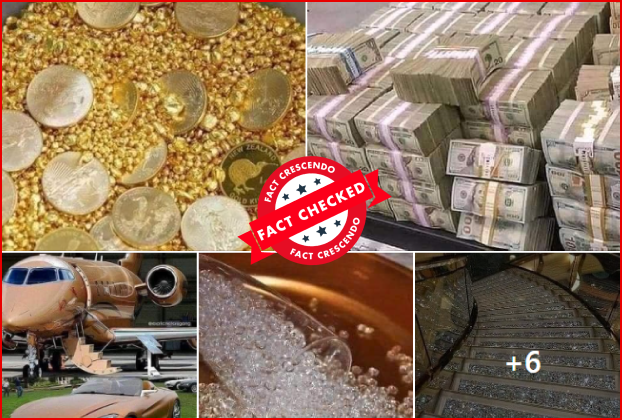

Amazon regala 5.000 productos con motivo del Black Friday
Publisher’s rating: False
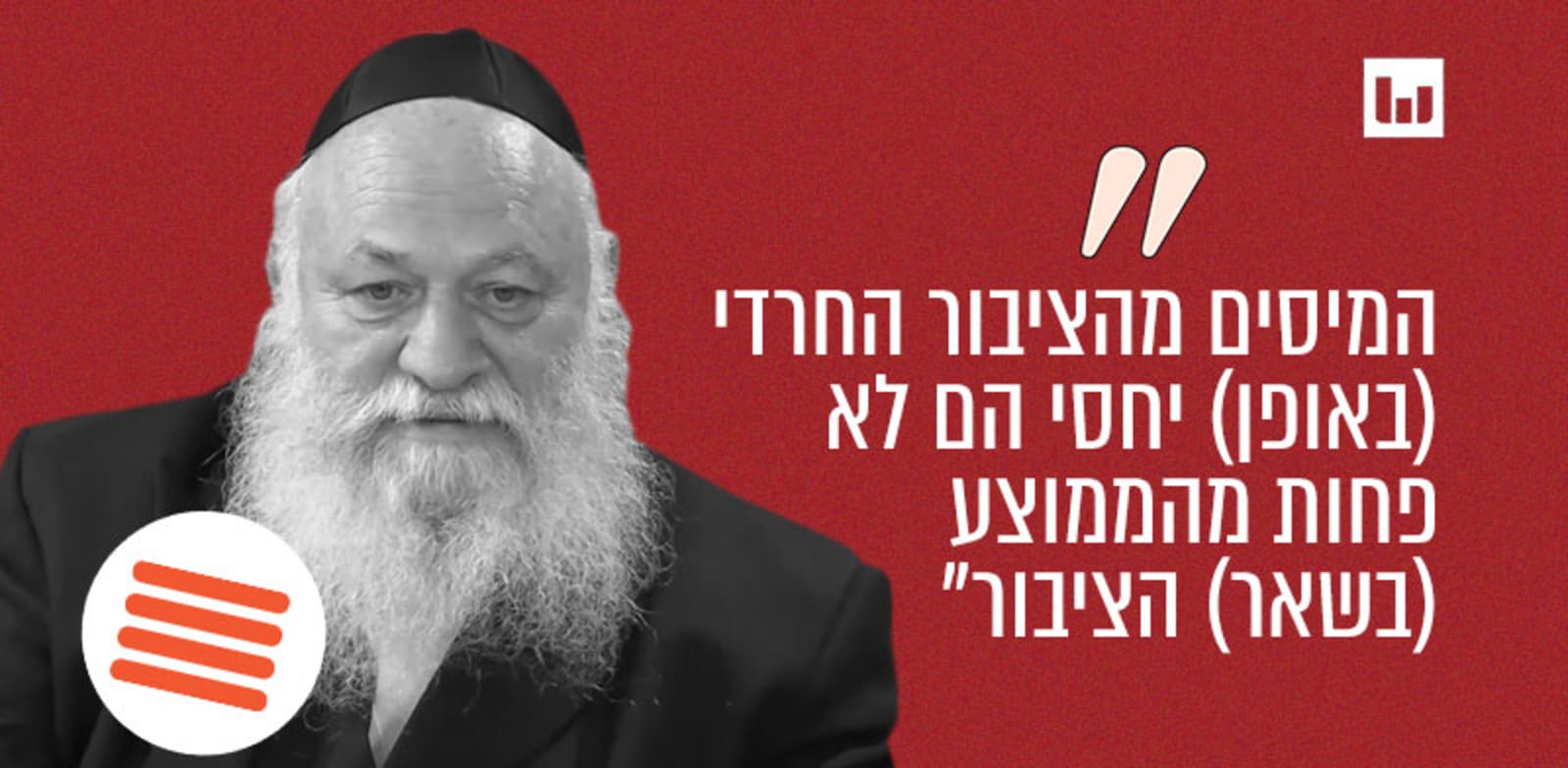
"אתה תתפלא לראות שהמסים מהציבור החרדי (באופן) יחסי הם לא פחות מהממוצע (בכלל) הציבור"
Publisher’s rating: לא נכון
The review assessed Yitzhak Goldknopf’s claim that taxes paid by the Haredi public, proportionally, are at least around the public average. He made the statement during an interview with Ben Caspit and Amit Segal on “Meet the Press,” while discussing equality between Haredi and other Israelis. The review compared household tax payments across Haredi and non-Haredi households; it did not treat the claim as established by comparing tax burdens alone, without considering the figures and measures it examined. Using the Israeli Democracy Institute’s 2021 Statistical Report on Haredi Society, which draws on Central Bureau of Statistics household expenditure data from 2018, the review reports that Haredi households’ average spending on mandatory payments—income tax, National Insurance and health insurance—was 1,524 shekels, compared with 4,461 shekels for non-Haredi households. The article says it recalculated the comparison using 2019 CBS data and the same methodology: Haredi households’ direct-tax spending was 31.2% of the non-Haredi figure. The review also considered a broader estimate by Tom Shadé of the Kohelet Policy Forum, which included indirect taxes as well as direct payments. That estimate put average monthly taxes at about 8,000 shekels for a Haredi household and 13,000 for a non-Haredi household—about 60%, still below parity. The review notes that average Haredi household income was also lower, at about 63% of the non-Haredi level. It reports that Dr. Gilad Malach, who co-authored the institute’s report, said the tax-payment gap remained substantial whether measured per household or per person. Taken together, the reviewed figures did not support Goldknopf’s assertion.
بررسی ادعاهای گمراهکننده درباره کاهش نرخ بیکاری
Publisher’s rating: در مجموع به رغم کاهش نرخ بیکاری در تابستان ۱۴۰۱، همچنان تعداد شاغلان، نسبت اشتغال و همچنین شمار جمعیت فعال اقتصادی به تابستان سالهای قبل از بحران کرونا یعنی تابستانهای ۱۳۹۸ و ۱۳۹۷ کمتر بوده است.
“Today, the most common price of gas in America is $3.39 — down from over $5 when I took office.”
Publisher’s rating: False