PeakMetrics / Fact Checks
Economy & business fact checks
Explore claims publishers have checked about economy & business. Read their original ratings and follow the evidence.
Search fact checks
Search by text or image7,093 published reviews in this topic
Papalapit na ang administrasyong Marcos sa pagpapababa ng presyo ng bigas sa P20 kada kilo dahil nagkakahalaga na ngayon ito ng P25 kada kilo.
Publisher’s rating: Kailangan ng konteksto
The Marcos administration is getting closer to bringing down the price of rice to P20 per kilo now that the staple is sold at P25 per kilo.
Publisher’s rating: Needs context

המדד החברתי-כלכלי מבוסס על נתונים ששייכים ל-2019
Publisher’s rating: כן, אבל
The claim concerns Moshe Lion’s response to questions about Jerusalem’s drop in Israel’s socioeconomic ranking. In a ynet interview, the Jerusalem mayor said the index being discussed was based on data from 2019. The review examined whether that description was accurate and placed it alongside Lion’s remarks about the city’s ranking and prospects. The review reports that the index released at the time did use findings collected in 2019. It explains that the index is calculated from 14 criteria measured by six different bodies, including demographic, education, employment, and income data. Because compiling those measures is complex, the index is published every two years and reflects data from three years earlier. This supports the specific claim about the data year, while distinguishing the year the index was released from the year its underlying data describes. The review also supplies context that Lion’s statement left out: when Jerusalem’s ranking improved in the 2020 index, which reflected 2017 data, Lion praised the result, despite taking office only in late 2018. The review notes that the municipality’s announcement at the time acknowledged the data’s reference year. It also contrasts that response with Lion’s later prediction that Jerusalem would rise further, while noting that the city’s ranking had since fallen. This context does not change which year the current index’s data represented; it bears on how consistently Lion treated the age of the data.

El IRS ofrece beneficio mensual de $500 de aprobación inmediata a quienes ganan menos de $50,000 al año
Publisher’s rating: Falso


The government is planning to ban Rs. 2,000 notes as legal tender and is willing to introduce new Rs. 1,000 notes from 01 January 2023
Publisher’s rating: FALSE
The claim concerned a video circulating as an ABP News clip that said the government planned to stop Rs. 2,000 notes being legal tender and introduce new Rs. 1,000 notes from 1 January 2023. The review also describes additional claims in the post: that people would have only 10 days to deposit the old notes and could deposit no more than Rs. 50,000 per person. The review identifies the circulating video as an edited clip, not a report of a newly announced government plan. (S1: “A video of an ‘ABP News’ channel news clip is being shared on social media claiming that from 01 January onwards, the government is introducing new Rs. 1,000 currency notes and is planning to ban Rs. 2,000 notes as legal tender.”; “Further, the post claims that the government is willing to allow people only 10 days to deposit their old Rs. 2000 notes and that too within a maximum limit of Rs. 50,000 per head.”) To check the video’s origin and meaning, the review located the full 8-minute-31-second version on ABP News’s Facebook page. It says that the episode, published on 26 December 2016, was part of “Viral Sach” and debunked a message about a ban and reintroduction of notes beginning on 1 January 2017. In other words, the circulating clip reused footage about an earlier rumor and changed the year relevant to the claim. (S1: “When we searched for this video using relevant keywords on the internet, we found the same video published on the ‘ABP News’ Facebook page on 26 December 2016.”; “The 8:31 minutes long full version of the video shows ‘ABP News’ debunking a viral message on social media claiming the ban of Rs. 2,000 notes and the re-introduction of Rs. 1,000 notes from 01 January 2017.”) The review reports that the complete episode called the message fake, said the government had taken no such decision, and cited RBI officials as confirming they had no such plans. It further states that neither the government nor the RBI had announced plans for the claimed 2023 introduction of Rs. 1,000 notes. These findings address the 2023 claim by showing that its video evidence was an edited excerpt from a 2016 debunk, rather than evidence of a current decision. (S1: “In the full video of this ABP’s ‘Viral Sach’ episode published on 26 December 2016, ‘ABP News’ rated this viral message as fake and clarified that the government had not taken any such decision to ban Rs. 2,000 notes and introduce the new Rs. 1,000 notes as legal tender from 01 January onwards.”; “Lately, neither the government nor the RBI announce any such plans to introduce the new Rs. 1,000 notes from 01 January 2023 onwards.”)
❗URGENTE ❗ Congestionamento Mundial de Navios por Causa do Brasil. Europa já está Preocupada!
Publisher’s rating: Falso

TV Italiana, noticia sobre Brasil Parar. Portos pararem, e nada ir para a frente. POVO EM FRENTE DOS QUARTEIS.
Publisher’s rating: Falso
از ابتدای امسال تا پایان آبان ۷۵۰ هزار فرصت شغلی در کشور ایجاد شده است.
Publisher’s rating: گمراهکننده
IKEA is giving away dozens of couches with minor damage to people who sign up via a website
Publisher’s rating: Fake
Bongbong Marcos is worth trillions to quadrillions of dollars
Publisher’s rating: False
The cost of rice has gone down to P25 per kilo nationwide
Publisher’s rating: Misleading
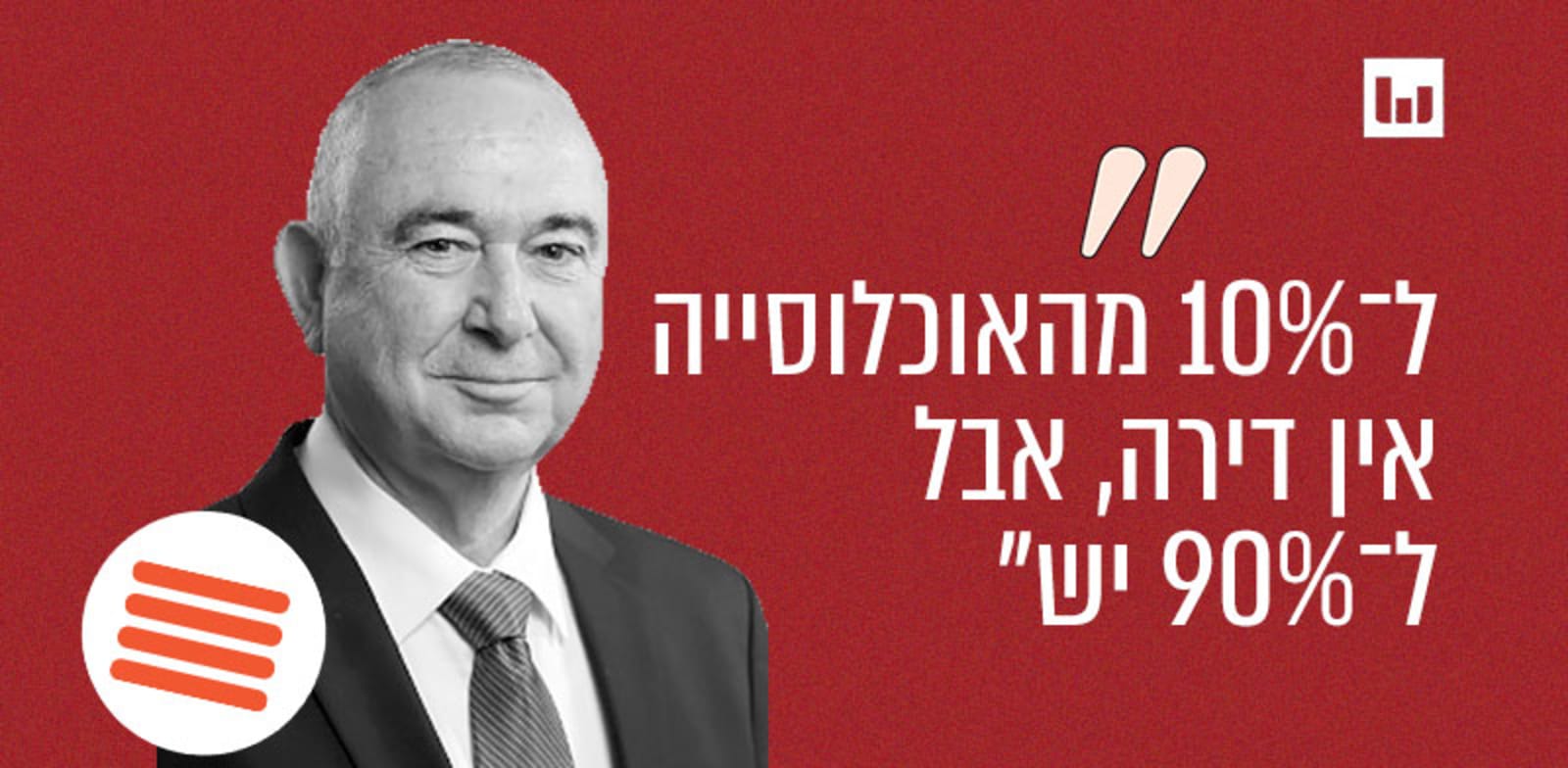
"ל־10% מהאוכלוסייה אין דירה, אבל ל־90% יש"
Publisher’s rating: לא נכון
The statement was made by Eli Dallal, a newly sworn-in Likud member of the Knesset, during a November 2022 interview on the Kan Moreshet program “Mandi Beitan.” Discussing housing policy, he argued that ordinary citizens already owned apartments and, when challenged by the interviewer, specified that 90% of the population had an apartment. The review examines that population-wide figure, rather than whether some particular income group has a high rate of ownership. The article says Dallal was interviewed the day after his swearing-in and records the exchange in which he gave the 10%/90% estimate. To check the claim, the review compared household and individual-level measures. It cites Central Bureau of Statistics findings from a 2018–2019 survey: 67% of Israeli households lived in an apartment owned by a household member or relative. The reviewers then contacted the Bureau and obtained administrative data for 2022, which the article says had not yet been published. Those data counted people who owned at least one apartment and divided them into age groups. The review reports 2.75 million owners, equal to 43.7% of residents aged 20 or older; the proportion was 52.4% among those aged 30 or older. The distinction between households and individuals matters: a household can be counted as living in an owned apartment when just one member owns it, whereas an individual count includes only owners. The review also found that a 90% ownership figure appeared in parliamentary research on household ownership by income decile, but only for the highest decile—not for the population as a whole. Thus the cited national household and individual figures are both below Dallal’s estimate, while the 90% figure applies only to a narrower, wealthier group.

කොටුව දුම්රිය ස්ථානයේදී විදේශිකයෙකුට වැඩි මුදලකට දුම්රිය ටිකට් පතක් විකුණූ අවස්ථාවක් ද?(Video)
Publisher’s rating: Misleading

Victoria's net debt is set to blow out to $165.9 billion in 2026, which is larger than NSW, Queensland and Tasmania combined.
Publisher’s rating: Gilding the lily