PeakMetrics / Fact Checks
Economy & business fact checks
Explore claims publishers have checked about economy & business. Read their original ratings and follow the evidence.
Search fact checks
Search by text or image7,093 published reviews in this topic
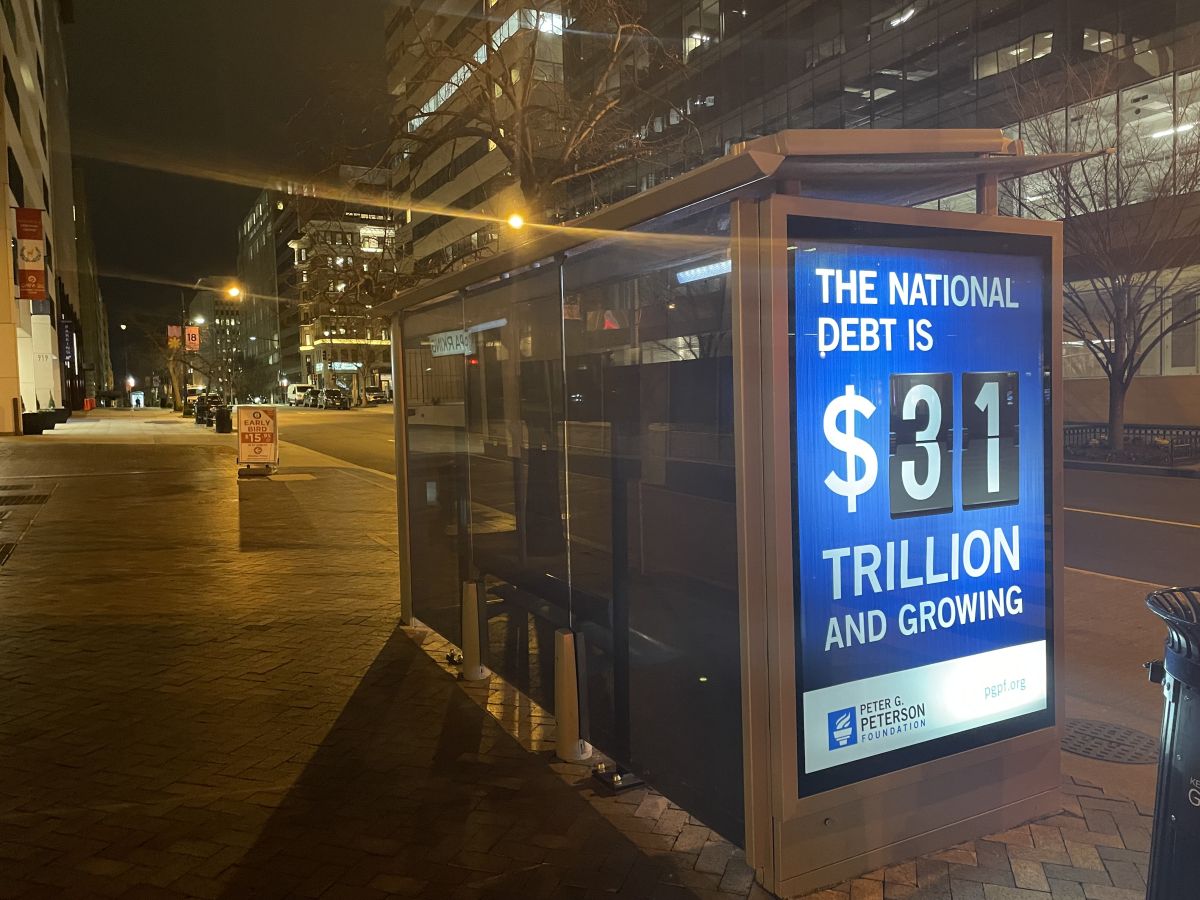
"In my first two years in office, I brought down the deficit a record $1.7 trillion, more than any president has in American history."
Publisher’s rating: Yes, with a big asterisk

People should save money. Situation is becoming like Sri Lanka. – Raghuram Rajan
Publisher’s rating: Misleading

El peso mexicano se cotizó en 5.98 por dólar el 3 de marzo de 2023.
Publisher’s rating: Falso

Hotel Maksoud cinco estrelas faliu e agora leiloa enxovais de luxo ainda na embalagem
Publisher’s rating: Falso

In België en Nederland betaal je 5 euro voor een bloemkool vanwege een slechte Spaanse oogst, terwijl je in Spanje er drie voor 1 euro kan kopen.
Publisher’s rating: Het bericht mist behoorlijk wat context en is kort door de bocht. Bloemkool is inderdaad duurder, door inflatie en een slechtere oogst. Maar dat is ook zo in Spanje zelf, waar de prijs in de supermarkt redelijk vergelijkbaar is met die in Nederland en België.
The claim combines two different price observations: that a cauliflower costs five euros in the Netherlands or Belgium, and that a Spanish market offers three for one euro. The review investigates a shared photo said to show the unusually cheap Spanish price. It reports that the image was tagged to Mazarrón, Murcia, and that it appeared to show a market stall, but says the visual clues were insufficient for a conclusive geolocation. The review also notes that the original post containing the image had been deleted. The very low price in the photo was real, according to the review, but it was not representative of ordinary supermarket prices. Its comparisons put cauliflower at €2.48 at Mercadona and €2.89 at Alcampo in Spain, versus €2.99 at Albert Heijn and Jumbo in the Netherlands and €2.59 at Delhaize and €2.23 at Colruyt in Belgium. The review says those prices were higher than about €1.80 a year earlier. It therefore does not support treating either a single Spanish market bargain or five euros as the typical price in the respective countries. The review attributes the increase to food inflation and a poorer Spanish harvest, while also identifying other factors: winter cauliflower is imported into the Benelux, and high energy prices reduced greenhouse production in Spain and the Benelux. It says a mild start to winter followed by a sharp cold snap in January contributed to the Spanish harvest shortfall. Five euros could be charged in extreme cases, it concludes, but that price was not representative; nor was the photo evidence of the normal Spanish price.

Raghuram Rajan said that Indian Economy is deteriorating in a manner similar to that of Sri Lanka’s
Publisher’s rating: FALSE
The review examines a social-media post attributing to former Reserve Bank of India governor Raghuram Rajan the claim that India’s economy was becoming like Sri Lanka’s. It reports that the post’s wording misrepresents what Rajan said: in a July 2022 interview, he was asked whether India would face economic challenges like Sri Lanka and Pakistan, and, according to the review, he said India would not face the same issues. The review says he pointed to India’s foreign-exchange reserves and lower foreign debt. [S1] FACTLY says it searched the internet using relevant keywords and found the July 2022 interview. Its account of that interview directly addresses the attribution: rather than saying India was deteriorating like Sri Lanka, Rajan reportedly distinguished India’s situation from the economic issues faced by Sri Lanka and Pakistan. [S1] The review also describes separate comments Rajan made to PTI in March 2023. He expressed concern about India’s growth, citing subdued private investment, high interest rates and slowing global growth; the review reports that he called a sequential GDP slowdown worrying and gives the figures as 4.4% in Q3, compared with 6.3% in the previous quarter. Those concerns do not establish that he made the specific comparison circulated in the post. The review adds that SBI economists disputed Rajan’s assessment, but that dispute concerns his growth commentary, not the attribution about Sri Lanka. [S1]
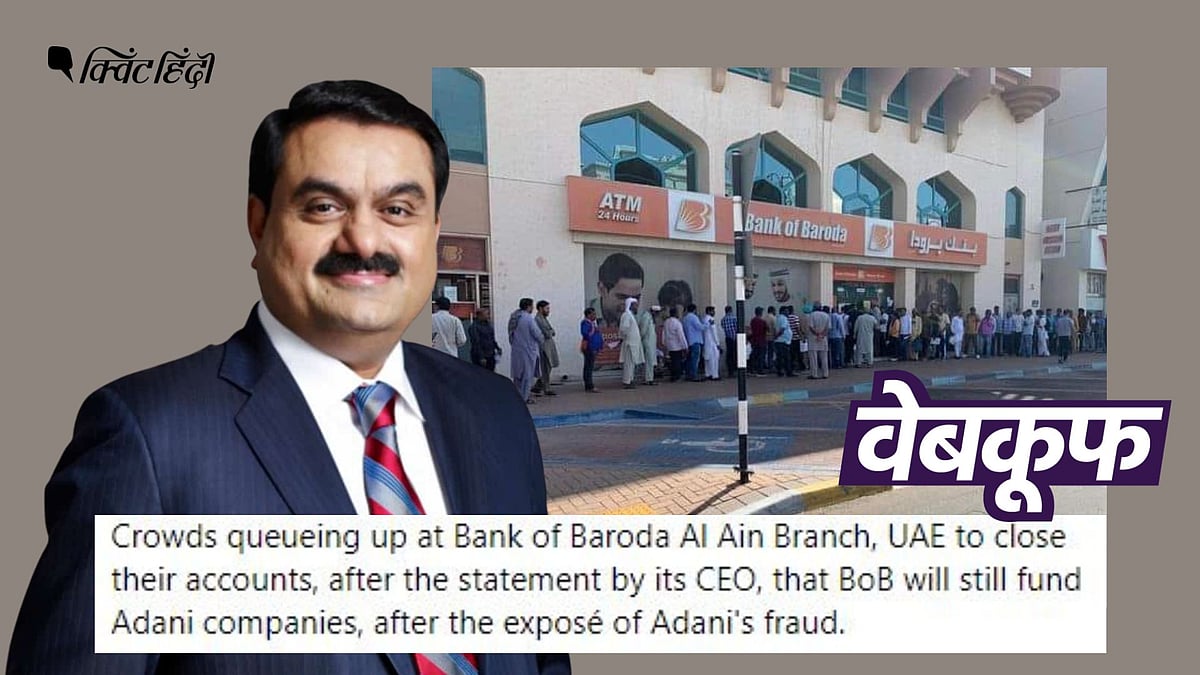
अडानी-हिंगनबर्ग विवाद के बाद बैंक ऑफ बड़ौदा के सीईओ के बयान के बाद बैंक के ग्राहक अकाउंट बंद करवा रहे हैं.
Publisher’s rating: FALSE
Die Familie Rothschild kontrolliert alle aufgeführten Banken.
Publisher’s rating: Die Rothschilds kontrollieren nicht die meisten Zentralbanken der Erde. Und auch andere Behauptungen über die reiche Familie sind völlig aus der Luft gegriffen.
The claim concerns a video that says a list of central banks in 163 countries are owned or controlled by the Rothschild family. The review identifies the video as a 2019, 13-minute kla.tv production shared in a Facebook post from Luxembourg. It reports that the video displayed the list for nearly three minutes and presented it as banks “in the possession or under the control of the Rothschilds.” The review says the list was a fabricated item that had circulated online for years, including on derwaechter.net, which also carried part of the video’s text. The review’s central check is whether the family owns or controls the named central banks. It says the family does neither, and notes that most central banks are state-owned; it also cites an enumeration by Bank of England blog Bank Underground that identified nine central banks not wholly state-owned. Those institutions have varied ownership arrangements, and the review says the Rothschilds have no role in them. It cautions that ownership alone does not establish who directs a central bank. The review gives examples that further test the video’s broader claims: it says the Bank of England was nationalized in 1946, and that the World Bank and IMF belong to their member states, not the Rothschilds. It also describes the US Federal Reserve’s structure: regional Reserve Banks are owned by member banks, while the Board of Governors is a US government agency, and the review says monetary-policy decisions are made independently. These details address the video’s claims about control rather than treating private or mixed ownership as proof of Rothschild control.
Crowds queueing up at Bank of Baroda Al Ain Branch, UAE to close their accounts, after the statement by its CEO, that BoB will still fund Adani companies, after the exposé of Adani’s fraud. There are real consequences to electing criminals to Parliament…
Publisher’s rating: Fake
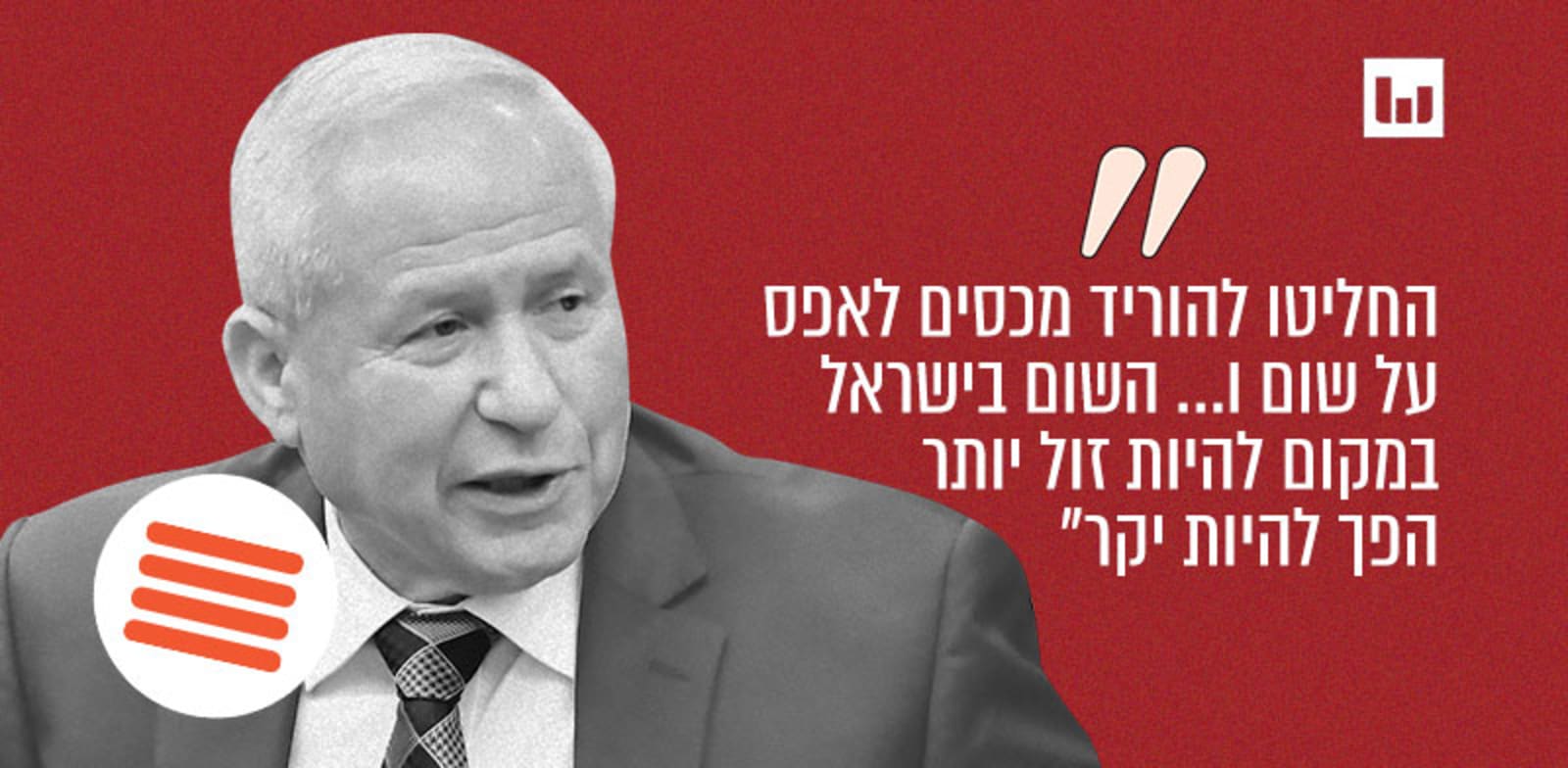
החליטו להוריד מכסים לאפס על שום ו…השום בישראל במקום להיות זול יותר הפך להיות יקר
Publisher’s rating: לא נכון
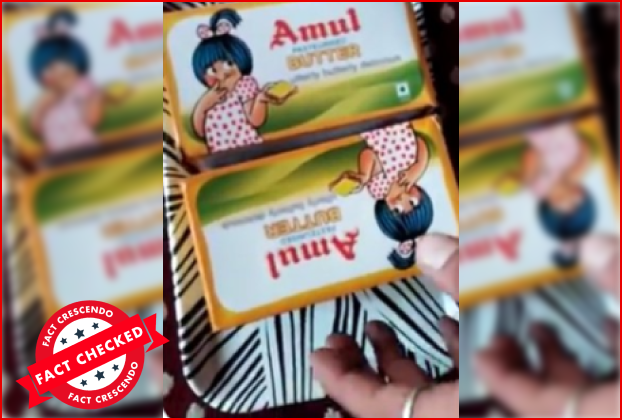
डुप्लीकेट मेड इन चाइना अमूल बटर बाजार में आ गया है। अमूल बटर खरीदने से पहले सभी इस वीडियो को जरूर देखें, अमूल बटर खरीदते समय सावधान रहें।
Publisher’s rating: False

A photo of customers queuing up at a Bank of Baroda branch in the UAE to close their accounts in response to the bank’s decision to lend to the Adani group despite the Hindenburg report controversy
Publisher’s rating: MISLEADING
The claim attached a photo of customers queuing at a Bank of Baroda branch in the UAE to a supposed protest against the bank’s willingness to lend to the Adani group after the Hindenburg report. The review identifies the location as the bank’s Al Ain branch and explains that customers were visiting amid the branch’s planned closure, not because the bank had decided to lend to Adani. The review reports that Bank of Baroda announced on 20 January 2023 that it would close the Al Ain branch for commercial reasons. It says the decision had been made a year earlier and approved by the UAE central bank. The accounts were to be transferred to the bank’s Abu Dhabi branch; customers could close their accounts without charges or penalties before the closure date. The bank’s statement described customers as visiting to give consent or provide further instructions. The chronology undermines the alleged connection to the Hindenburg report: the review says the bank’s closure notification was issued on 20 January, while the report was published on 24 January 2023. It also says Bank of Baroda’s managing director and CEO, Sanjiv Chadha, spoke about readiness to lend to Adani only in February. Thus, the review’s account is that the queue related to an already-planned branch closure and account transfers, not a reaction to the later events invoked in the claim.


Supermercados BH 25º Aniversário Bolsa Compras Através do questionário, você terá a chance de obter 1000 REAL .
Publisher’s rating: Falso
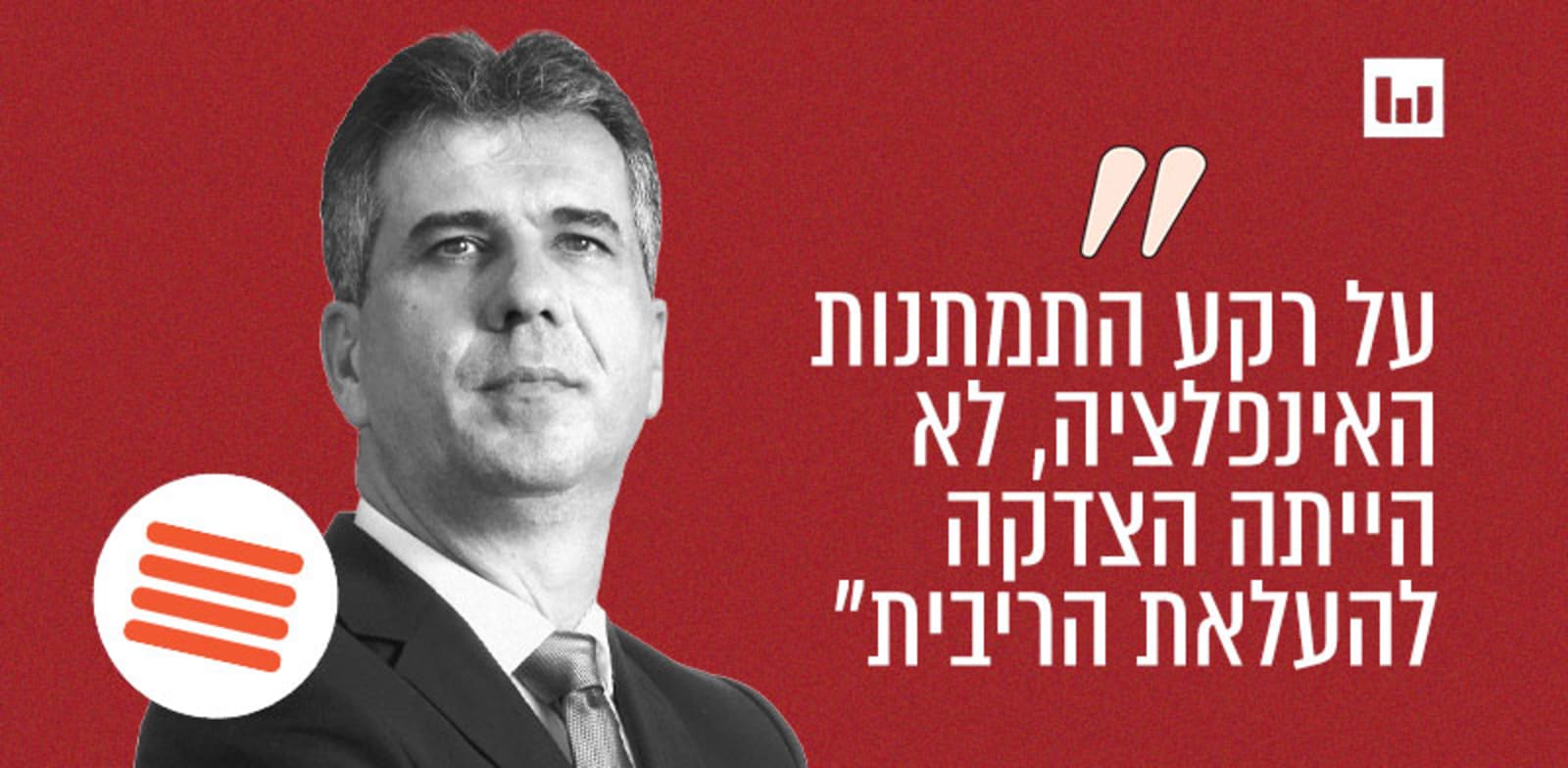
על רקע התמתנות האינפלציה, לא הייתה הצדקה להעלאת הריבית
Publisher’s rating: לא נכון
Robinsons Supermarket is giving away free refrigerators on its Facebook page
Publisher’s rating: Fake

Subramanian Swamy stating that Adani did not acquire the 74% shares of Mumbai Airport from the Indian government, but instead purchased them from multiple foreign partners who Congress sold in 2006
Publisher’s rating: FALSE
The post attributed to former BJP MP Subramanian Swamy a specific statement about Adani’s acquisition of Mumbai airport: that Adani did not buy the 74% stake from the Indian government, but from foreign partners whose shares Congress had sold in 2006. FACTLY’s review says it found no evidence that Swamy made that statement, and distinguishes it from allegations he did make about the airport deal. To check the attribution, FACTLY says it searched Swamy’s social media accounts and examined media reports, but could not find evidence that he had made the quoted statement. The review reports that, during the acquisition, Swamy instead accused Adani of failing to repay loans and using nepotism to obtain a stake. It also describes a later interview in which Swamy accused Adani of using investigative agencies to pressure GVK into giving up control; GVK denied “extraneous pressure” from anyone to sell. The review’s account of the transaction provides relevant context for the post’s description of the shares: it says Adani Group held a 74% stake after the purchase, with 50.5% bought from GVK Group and 23.5% from minority partners, including Airports Company South Africa and Bidvest Group. That transaction detail does not establish that Swamy made the attributed statement; the review’s searches found no supporting evidence for the attribution.