PeakMetrics / Fact Checks
Economy & business fact checks
Explore claims publishers have checked about economy & business. Read their original ratings and follow the evidence.
Search fact checks
Search by text or image7,093 published reviews in this topic
“Pix será taxado: entenda as mudanças após anúncio do Banco Central”
Publisher’s rating: Falso

The Simpsons predicted the collapse of Silicon Valley Bank
Publisher’s rating: false
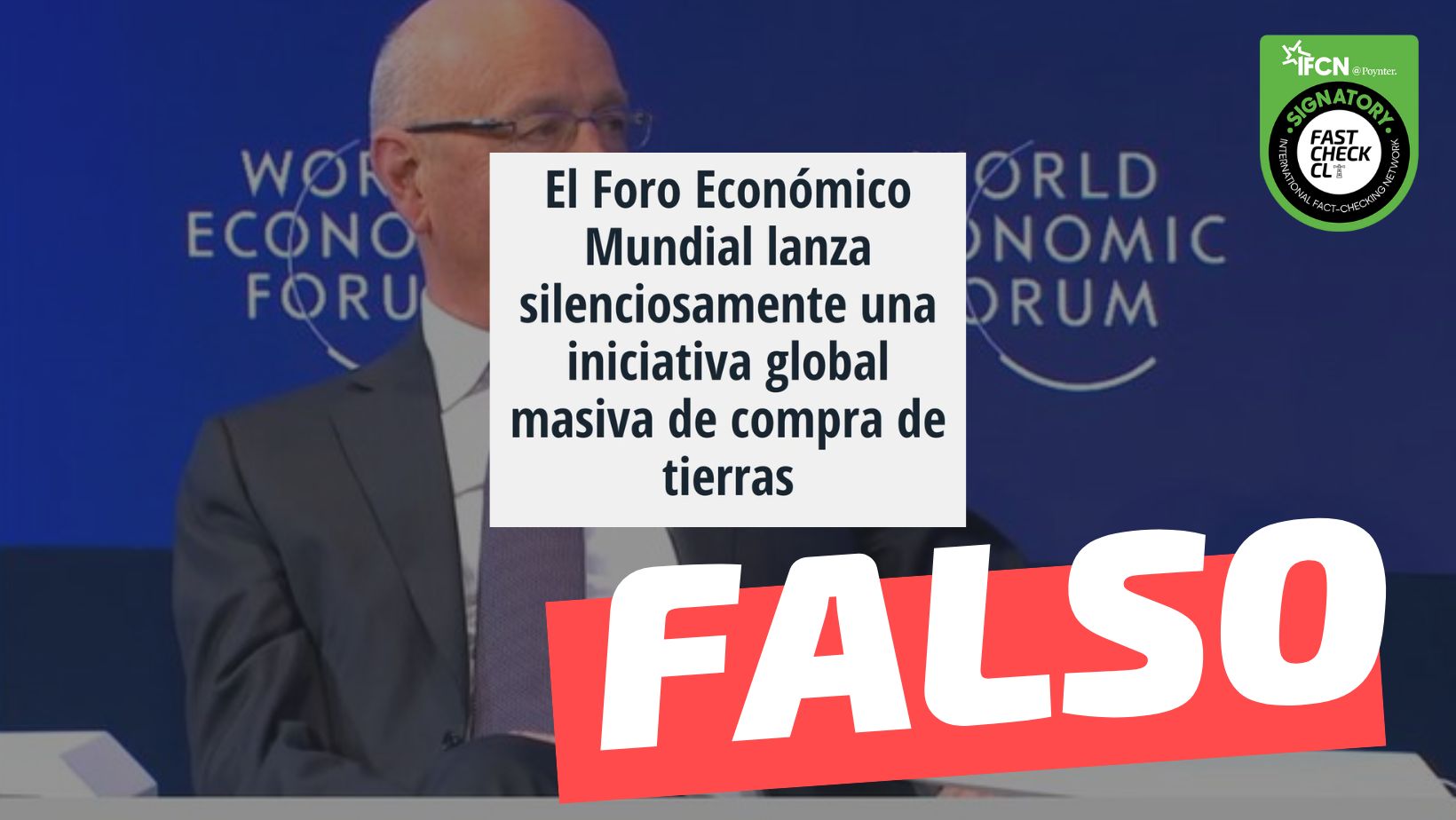
“El Foro Económico Mundial lanza una iniciativa (GAEA) para compras masivas de tierras en todo el mundo”
Publisher’s rating: Falso

Coelba anuncia desligamento de energia elétrica em toda Bahia em março de 2023
Publisher’s rating: Falso

Jumbo bedriegt zijn klanten met plastieken hoes op de fruit- en groentenweegschaal.
Publisher’s rating: Plastic hoezen op de weegschalen in Jumbo-winkels zijn er niet om klanten op te lichten. Hun gewicht is meegerekend bij het op nul zetten van de weegschalen. Ze zijn een hygiënische maatregel en beschermen ook de weegschalen.
The claim concerned Jumbo grocery stores, where shoppers weigh their own fruit and vegetables. A TikTok user argued that a plastic cover on the scale added weight to the produce and therefore made it more expensive. The review says the video also circulated on Facebook, where some people investigated the issue in a Jumbo store. Their findings differed from what the TikTok video suggested. The key point is how the scale was set up: the review explains that it was tared to zero with the cover already on it. Consequently, the cover’s weight was excluded when produce was weighed. Removing the cover would make the scale show a reading below zero, rather than reveal an extra charge that had been included in the produce’s weight. The review also notes that a scale reading without the cover is not the actual weight of the item, so the associated price would be too low. The review reports that a Jumbo spokesperson confirmed the stores use plastic platform covers and that scales are tared with the covers in place. The spokesperson said the covers protect the scales, help keep produce from rolling off, and can be removed for separate cleaning. Taken together, the reported in-store investigation and explanation of the scale setup address the specific allegation: the cover’s weight was accounted for before weighing, not added to customers’ purchases.

El dinero de los contribuyentes estadounidenses será usado para cumplir con las garantías de depósito ofrecidas a los clientes del Silicon Valley Bank.
Publisher’s rating: Falso
The claim concerns the source of money used to make Silicon Valley Bank customers’ deposits available after the bank failed. The review describes social-media posts circulating after the failure, including one that questioned what the guarantee would cost taxpayers and another alleging that the government was rescuing banks with taxpayer money. It reports that the U.S. government extended deposit protection to all customers of Silicon Valley Bank, beyond the FDIC’s usual coverage limit. (The review says the bank failed on March 10, 2023.)

Simpsonlar Silikon Vadisi Bankası'nın İflasını Bildi mi?
Publisher’s rating: Yanlış
Выпуск Geely позволил Беларуси избавиться от импорта из Европы
Publisher’s rating: Искажение информации. В 2022 году в Беларуси продали всего 4,5 тысячи легковых автомобилей марки Geely. Это при том, что в страну импортировали – как новых, так и подержанных – около 100 тысяч авто.

The Simpsons voorspelden twintig jaar geleden al dat de Silicon Valley Bank zou vallen.
Publisher’s rating: Het fragment van The Simpsons is bewerkt. In de originele aflevering is te zien dat Bart Simpson met een grap een bankrun veroorzaakt op de First Bank of Springfield, de fictieve bank in de televisieserie.
The claim concerns a circulating Simpsons clip that appears to show a run on Silicon Valley Bank, suggesting the show had forecast the bank’s 2023 collapse. The review says it examined that specific clip and found it was largely authentic footage from the series, but that the bank’s name had been changed: the shared version displays “Silicon Valley Bank,” while the unaltered scene names the fictional “First Bank of Springfield.” To identify the scene, the review reports tracing the original episode through Simpsonswiki: searching there for “bank run” led to “The PTA Disbands,” which it says first aired on 16 April 1995. It also says the scene can be found on YouTube. In the original scene, Bart’s joke prompts customers to demand their money at once, producing a bank run at the fictional bank—not a reference to Silicon Valley Bank. The review places the real bank’s collapse on 10 March 2023 and says it followed a bank run after inflation and US Federal Reserve rate increases had put the bank under pressure and customers began withdrawing funds. The similarity between a fictional bank-run scene and the later real event therefore does not establish a prediction: the viral clip’s apparent reference to Silicon Valley Bank comes from an alteration to the footage.

Você pode recuperar dinheiro do governo, impostos e cartão de crédito fazer um curso no Facebook
Publisher’s rating: Falso

"Эдийн засагч Ханс-Вернер Зинн Оюу толгойн гэрээг “мянганы шилдэг луйврын эхлэл" гэж хэлсэн"
Publisher’s rating: False

ඩොලරයේ වාසිය නිසා මත්පැන් මිල හදිසියේ පහතට ?
Publisher’s rating: False
The review examined social-media posts claiming that liquor prices had fallen because the rupee strengthened against the US dollar. Some posts also alleged that cigarette prices would drop by 30 rupees and that the price cuts would take effect at midnight. The review’s conclusion was that the circulated claims of reductions in liquor and cigarette prices, attributed to the rupee’s appreciation, were false and misleading. To check the claims, the publisher looked for reports of price reductions in major media and asked the Excise Department’s deputy commissioner and spokesperson, Kapila Kumarasinghe, about price-setting and any announced changes. Kumarasinghe said sellers generally decide whether to change prices, while excise intervention is relevant when taxes change. He also said the department had not been informed of a decision to reduce prices. The review further reported that a representative of Sri Lanka Distilleries Company said no decision had been made to lower liquor prices. The investigation also addressed the proposed link to the dollar. According to Kumarasinghe, local liquor production relied largely on locally sourced inputs, including ethanol, so exchange-rate movements had no special effect on the price of domestic liquor. A foreign-liquor supplier said stock imported at earlier prices was still being sold and that management had not announced a price reduction. The evidence therefore challenges both parts of the claim: that the reported cuts had been decided, and that dollar-related currency changes had caused them.


මාර්තු 15 වැඩ වර්ජනයට සම්බන්ධවී රැකියා අහිමි වුවහොත්, මාලිමා රජයකින් රැකියා නැවත ලබාදෙන බවට අනුර පවසා නැහැ!
Publisher’s rating: Misleading
The review examined social-media posts claiming that Anura Kumara Dissanayake had promised to reinstate government workers who lost their jobs for taking part in the March 15, 2023 strike. The allegation also included a claim that officials and political leaders responsible for dismissals would be punished. The review describes the strike as a planned nationwide action by unions, including over government tax policy, and says the JVP-led National People’s Power (NPP) supported it. It distinguishes that support from the separate alleged promise about reinstating workers. To check whether Dissanayake made the promise, the publisher says it looked for the statement in mainstream media and on the JVP leader’s official social-media pages, finding no mention of it there. It then contacted the NPP’s media division, which said the social-media post was “completely false.” The review’s conclusion is that the circulating posts attributing the job-restoration promise to Dissanayake were false; the evidence it reports therefore supports the claim that he had not made that promise. The article also notes a separate, historical assertion in the posts—that Rohana Wijeweera had promised new jobs to workers who took part in the July 1982 strike. The publisher says it could not find definite evidence that Wijeweera made that statement and intended to investigate further. That historical point is not established by the review and does not change its finding about the March 15 allegation.
The Philippines' inflation rate is "still one of the lowest in the world."
Publisher’s rating: Needs Context

रघुराम राजन ने कहा भारतीय अर्थव्यवस्था श्रीलंका की तरह गिर रही है
Publisher’s rating: FALSE
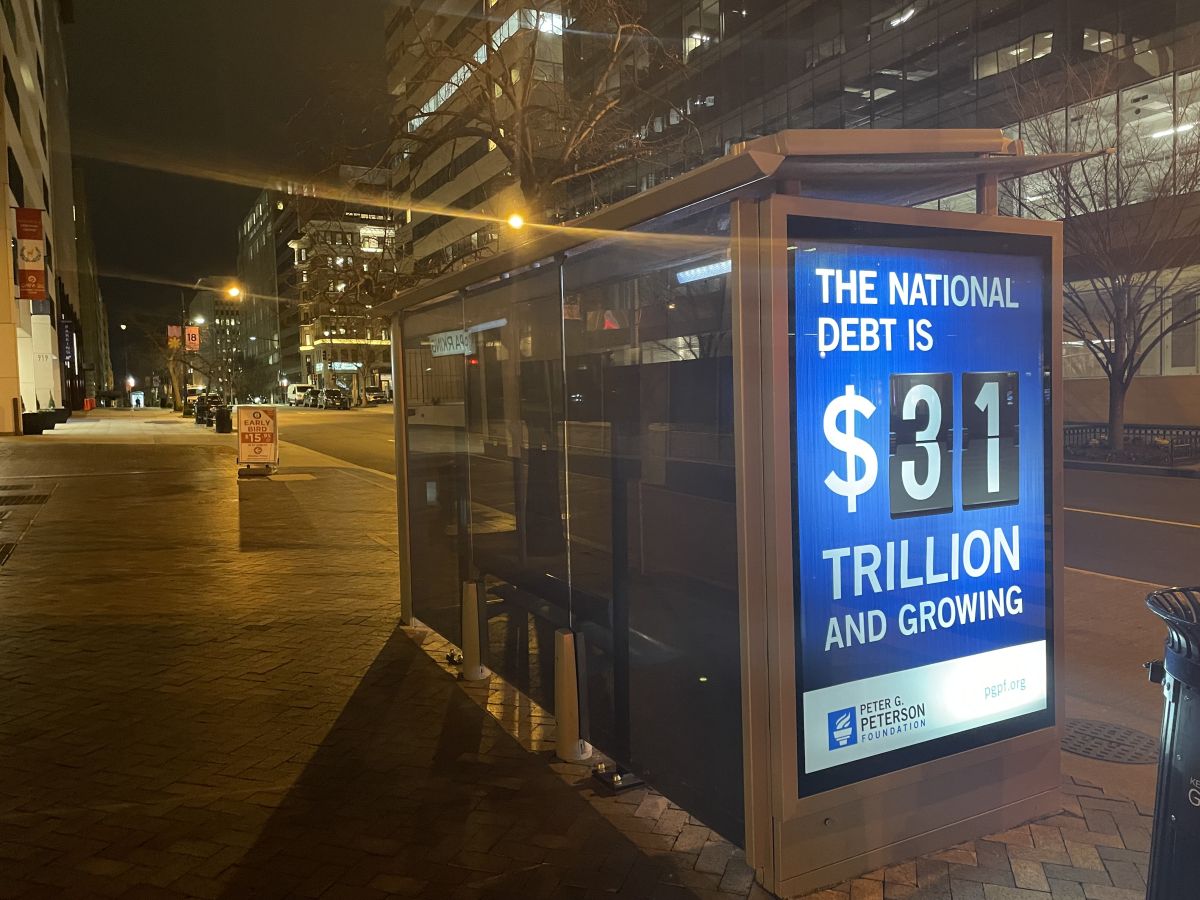
"We brought down inflation seven months in a row."
Publisher’s rating: Yes, though inflation still high
"You know what the average tax (billionaires) pay, federal tax? Three percent. T-H-R-E-E. Three percent. No billionaire should be paying a lower tax than somebody working as a schoolteacher or a firefighter or any of you in this room."
Publisher’s rating: Using theoretical taxes
"I was able to create 12 million new jobs in two years, more than any president in American history has created in four years."
Publisher’s rating: Yes, but needs context