PeakMetrics / Fact Checks
Disasters & emergencies fact checks
Explore claims publishers have checked about disasters & emergencies. Read their original ratings and follow the evidence.
Search fact checks
Search by text or image3,262 published reviews in this topic


Just before PIA plane crash in Karachi in Pakistan
Publisher’s rating: FALSE

Photos of the latest forest fires in Uttarakhand
Publisher’s rating: FALSE
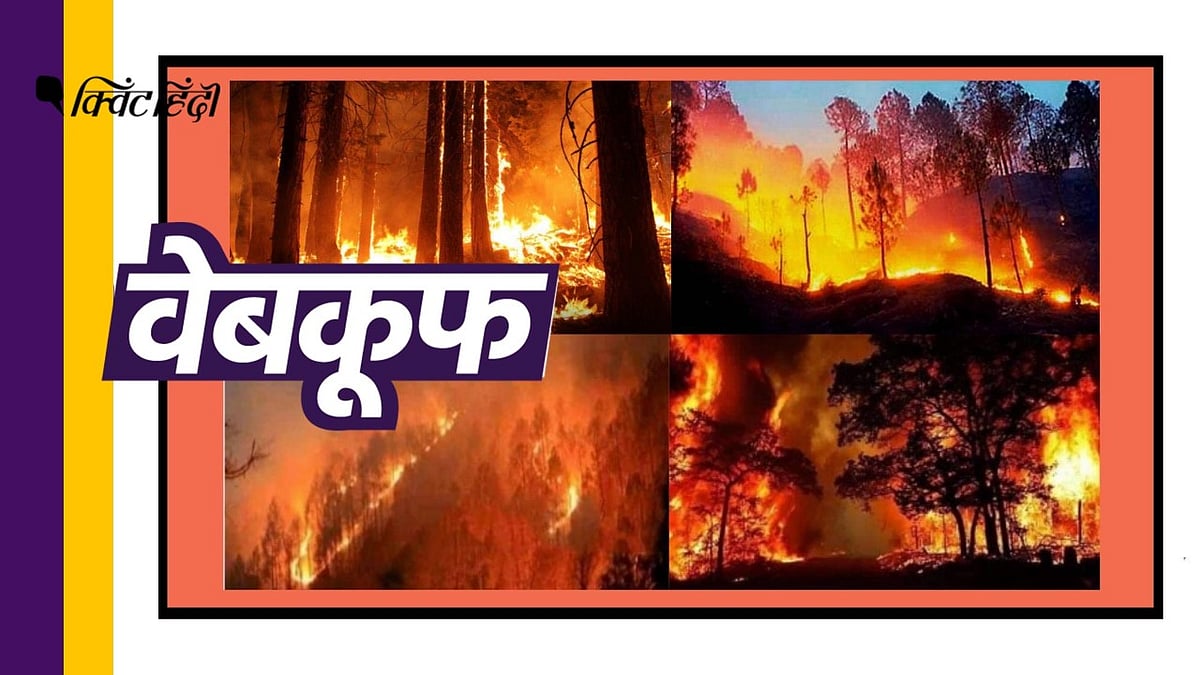
उत्तराखंड के जंगलों में भीषण आग की तस्वीरें
Publisher’s rating: FALSE

Video footage of Pakistan International Airline passenger (PIA) jet that crashed in Karachi
Publisher’s rating: FALSE
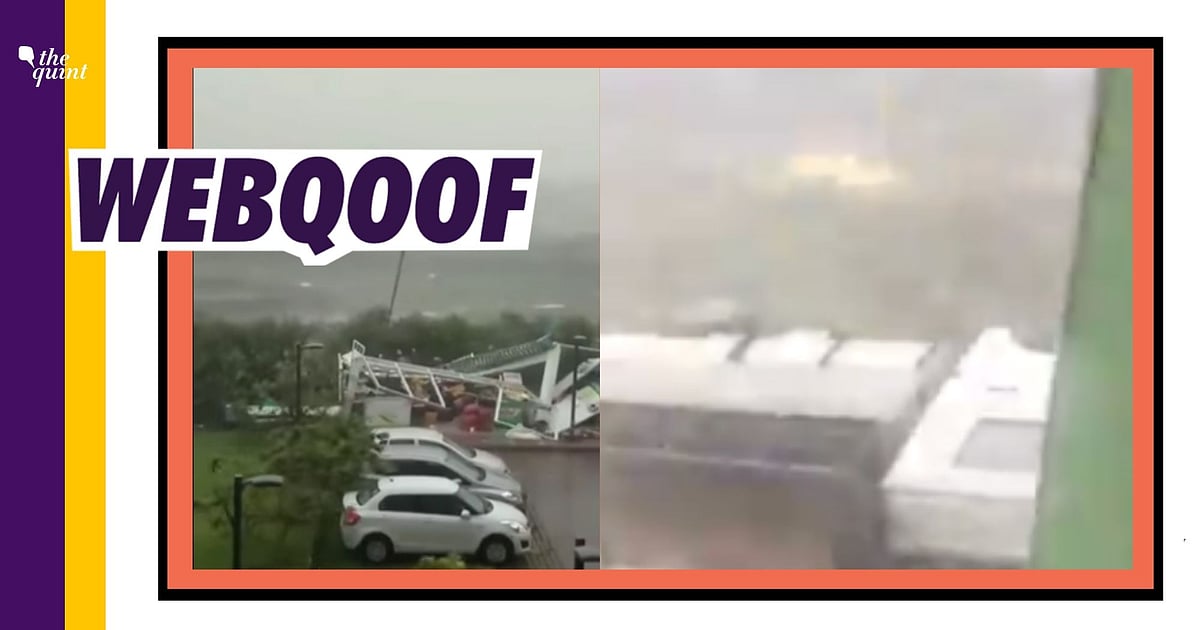
Visuals show Cyclone Amphan that made a landfall in West Bengal
Publisher’s rating: FALSE

Real video of Pakistan International Airlines (PIA) passenger plane crash in India
Publisher’s rating: FALSE

పశ్చిమ బెంగాల్ పై ప్రభావం చూపిన 'అంపన్' తుపాను కి సంబంధించిన వీడియో
Publisher’s rating: FALSE

Claim: Amphan cyclone hit trucks in the road
Publisher’s rating: FALSE

Video of a massive landslide in Shillong (Meghalaya)
Publisher’s rating: FALSE
Videos related to Cyclone Amphan
Publisher’s rating: FALSE
The review examined two videos circulated as footage related to Cyclone Amphan, which made landfall in West Bengal on 20 May 2020. It found that neither video showed that cyclone: one depicted Cyclone Fani in Odisha in 2019, and the other showed Hurricane Michael in Florida in 2018. For the first video, the review identifies it as footage of Cyclone Fani battering coastal Odisha and says Fani made landfall in Puri on 03 May 2019. For the second, it reports finding the same video in a news channel’s October 2018 publication, titled “Video shows Hurricane Michael tearing home apart in Panama City Beach,” as well as on stock-video websites describing it as related to Hurricane Michael. The evidence therefore supports the review’s conclusion that older footage from other storms was falsely presented in the context of Amphan.

Video of cyclone Amphan's wrath in the coastal districts of Odisha
Publisher’s rating: FALSE
The claim was that a video showing thunder and lightning depicted Cyclone Amphan’s impact in Odisha’s coastal districts. The review places the claim in the context of Amphan making landfall in West Bengal on 20 May 2020, while noting that the cyclone caused damage in coastal areas of both West Bengal and Odisha. The decisive finding was that the video was already available online before the cyclone made landfall. The review says it had found the video on the internet at least since 26 April 2020—around three to four weeks earlier—so the footage could not show Amphan’s impact. The review therefore concludes that the claim is false. The review could not establish the video’s exact location. Its finding concerns the footage’s timing, not a confirmed identification of where it was filmed.
ആംഫന് ചുഴലിക്കാറ്റിന്റെ വീഡിയോ ദൃശ്യങ്ങള്
Publisher’s rating: FALSE

బెంగుళూరులో భూకంపం. రెండు ముక్కలుగా చీలిన భూమి.
Publisher’s rating: FALSE
Op Facebook is op 30 april 2020 een foto gepubliceerd die de indruk wekt dat het om een recent ongeluk in Nederland gaat. Familieleden van de slachtoffers worden opgeroepen contact op te nemen met de politie.
Publisher’s rating: Het Nationaal Cyber Security Centrum waarschuwt dat men nooit moet klikken op links van onbekende afzenders. Deze kunnen computervirussen bevatten. Cybercriminelen gebruiken ook verwijzingen naar de actualiteit, zoals COVID-19, om aandacht te trekken; als burgers "erin trappen", kan schadelijke software op de computer worden geïnstalleerd. Phishing blijft het grootste cyberveiligheidsprobleem voor burgers. Het is een belangrijke toegangspoort voor cybercriminelen tot mobiele telefoons, laptops en desktops.

網傳男子在屋頂觸碰高壓電線墜樓影片,搭配文字「他不想再等14天」 ?
Publisher’s rating: 錯誤
The report examined a video showing a man on a rooftop touching high-voltage wires and falling, circulated with the caption “He doesn’t want to wait another 14 days,” which implied a connection to COVID-19 isolation measures. Its investigation found that the same footage had circulated online in July 2018, well before the pandemic-related claim. Versions in several languages had the same content and length, but did not carry the added caption. To trace the incident, the report says it reverse-searched stills from the video and compared the circulating clip with online versions. It also obtained assistance from Indian fact-checker Karen Rebelo, who identified the language spoken in the video as Kannada, used in South India. The report cites contemporaneous news accounts identifying the incident as having occurred in Tamil Nadu, India: a man called Raju T, reportedly intoxicated, climbed a four-storey building and died after grasping a live power line. The report’s central distinction is between the real accident shown in the footage and the later text attached to it. The evidence it describes places the video online in 2018 and the incident in South India, so the footage does not depict a man acting because he could not wait out COVID-19 isolation. The report concludes that the caption was added to an unrelated accident video.

విశాఖపట్నం LG పాలిమర్స్ లో రెండో సారి లీక్ అయిన గ్యాస్
Publisher’s rating: FALSE

Gas leaked for the second time at LG Polymers premises near Visakhapatnam
Publisher’s rating: FALSE
The claim concerned reports of a second gas leak at LG Polymers’ chemical plant in Visakhapatnam, Andhra Pradesh, following the deadly styrene leak there on May 7, 2020. FACTLY reports that the first incident killed eleven people and made hundreds ill, and that social-media posts and some live media coverage then described another leak at the plant. This establishes that the review is about a reported second leak at the same premises, not a separate industrial incident. To assess those reports, FACTLY cites a clarification from the Andhra Pradesh Police’s official Twitter account. According to the review, police said the reports of a second gas leak were false, while explaining that the plant’s maintenance team had released some vapour while repairing the system. The review therefore distinguishes the reported maintenance-related vapour from a second gas leak; it does not say that nothing was released at all. The supplied review excerpt identifies the police tweet as its supporting evidence, but does not include the tweet itself or describe independent testing or other verification. Its stated conclusion rests on the police clarification as reported by FACTLY. The distinction in that account—maintenance vapour during repairs versus a second gas leak—is the basis for the review’s assessment.

‘వరంగల్ జిల్లా లో పడిన రాళ్ళ వర్షం’ కి సంబంధించిన వీడియో.
Publisher’s rating: FALSE