PeakMetrics / Fact Checks
Disasters & emergencies fact checks
Explore claims publishers have checked about disasters & emergencies. Read their original ratings and follow the evidence.
Search fact checks
Search by text or image3,262 published reviews in this topic
Video yang memperlihatkan sejumlah mobil dan motor terbalik yang diklaim terkait dengan banjir Bekasi pada 2021
Publisher’s rating: Keliru
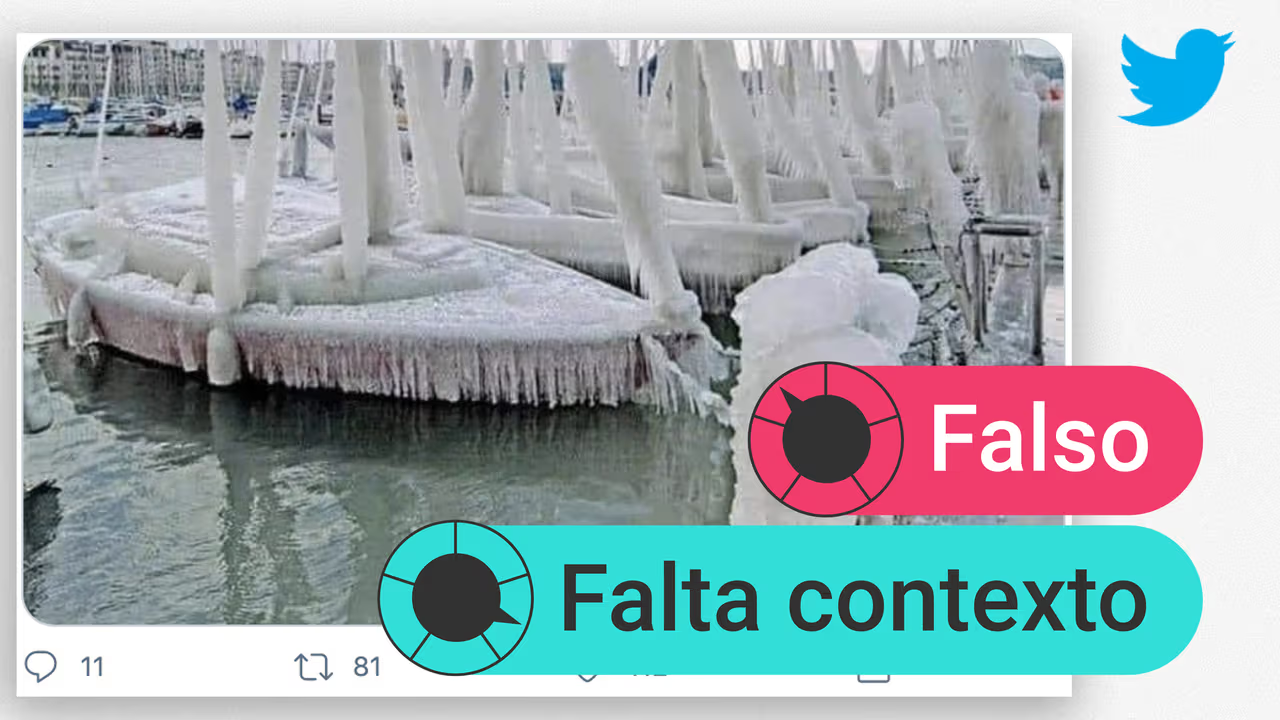
¿Esta foto que circula en redes sociales muestra botes congelados durante la tormenta invernal en Texas?
Publisher’s rating: Falso

El congelamiento de las turbinas de viento fue el culpable de los apagones en Texas
Publisher’s rating: Falso
Unggahan yang mengaitkan video sebuah peristiwa tsunami dengan gempa Jepang pada Februari 2021
Publisher’s rating: Sesat
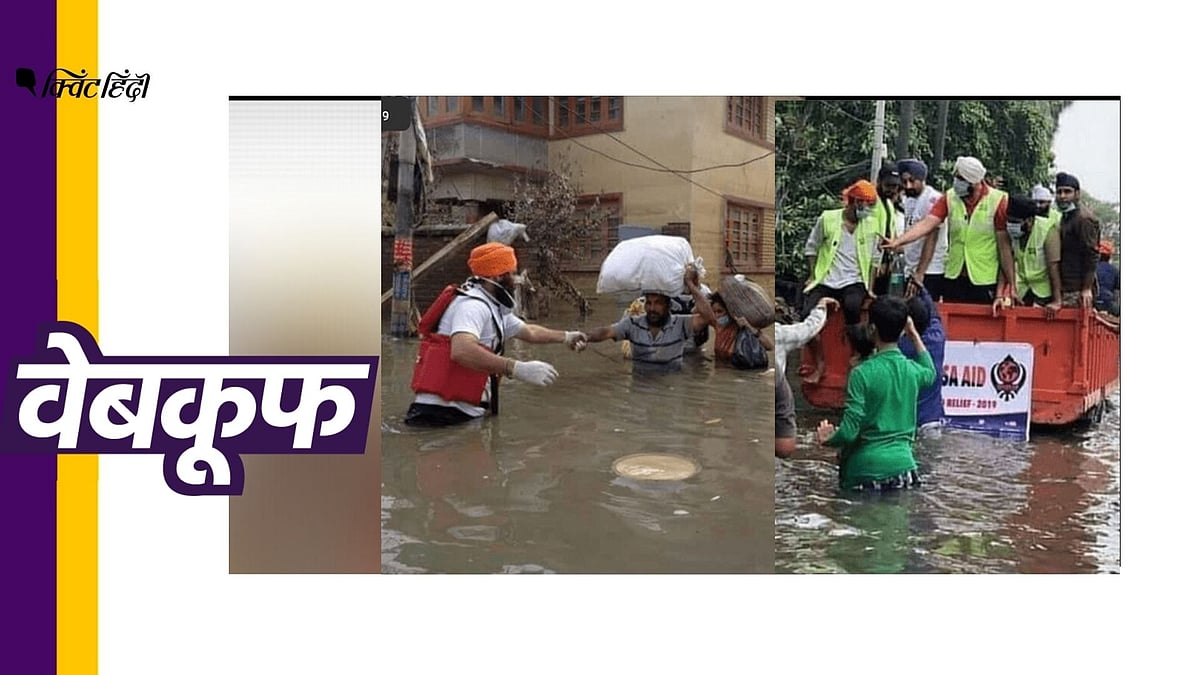
दावा किया जा रहा है कि ये फोटो उत्तराखंड बाढ़ त्रासदी में सहायता पहुंचाते खालसा एड स्वयंसेवकों की हैं
Publisher’s rating: FALSE

Photos of the massive destruction caused by an earthquake in Afghanistan
Publisher’s rating: FALSE
FACTLY investigated a social-media collage presented as showing destruction from the earthquake in Afghanistan. Its review distinguishes the Afghanistan event from the images’ actual provenance: it reports that the photos depict damage from the earthquake in Eastern Turkey on 24 January 2020, rather than the recent Afghan earthquake. The review says the Afghanistan earthquake struck Fayzabad on 12 February 2021, making the images an older record from a different country and event. To trace the images, the investigators describe reverse-image searches and comparisons with earlier news coverage. For the first image, they found a similar photograph in a New Indian Express article dated 25 January 2020, described there as a collapsed building after a magnitude 6.8 earthquake in Elazig province. For the second, they found a similar image in a Voice of America article dated 24 January 2020, also identified as showing destruction in Eastern Turkey. The review further says a similar third image appeared in Global News coverage of the Turkey earthquake. The central evidence is the match between the collage’s images and reporting about the earlier Elazig earthquake, alongside the review’s conclusion that the pictures are related to that event, not the 2021 earthquake in Afghanistan. The supplied excerpt describes these image-search findings but does not include the underlying articles or the images themselves, so those materials cannot be independently assessed from this evidence alone.

Photos of massive destruction caused by the earthquake in Tajikistan
Publisher’s rating: FALSE
The post paired photographs of collapsed buildings with a claim that they showed massive destruction from the recent earthquake in Tajikistan. FACTLY reports that a magnitude 6.3 earthquake hit Tajikistan on 12 February 2021, then checks the photographs individually rather than treating the images’ appearance as proof of their location. For the first image, the review says a reverse-image search found a similar photograph in a news article about the Sicily earthquake in Italy. It reports that the article, published on 27 December 2018, identified the image as showing collapsed buildings in Sicily. The review also says BBC coverage of that earthquake used a similar visual and describes the event as a magnitude 4.8 earthquake near Mount Etna. For the second image, FACTLY says reverse-image search found a similar photograph in a news article published on 24 January 2020. That report identified it as a collapsed building after a magnitude 6.8 earthquake in Elazig province, eastern Turkey; the review also points to a similar visual in CNN coverage of the Turkish earthquake. These different dates and locations place the two images in earlier earthquakes, not in the February 2021 Tajikistan event. The evidence described therefore contradicts the post’s attribution of either photograph to Tajikistan.
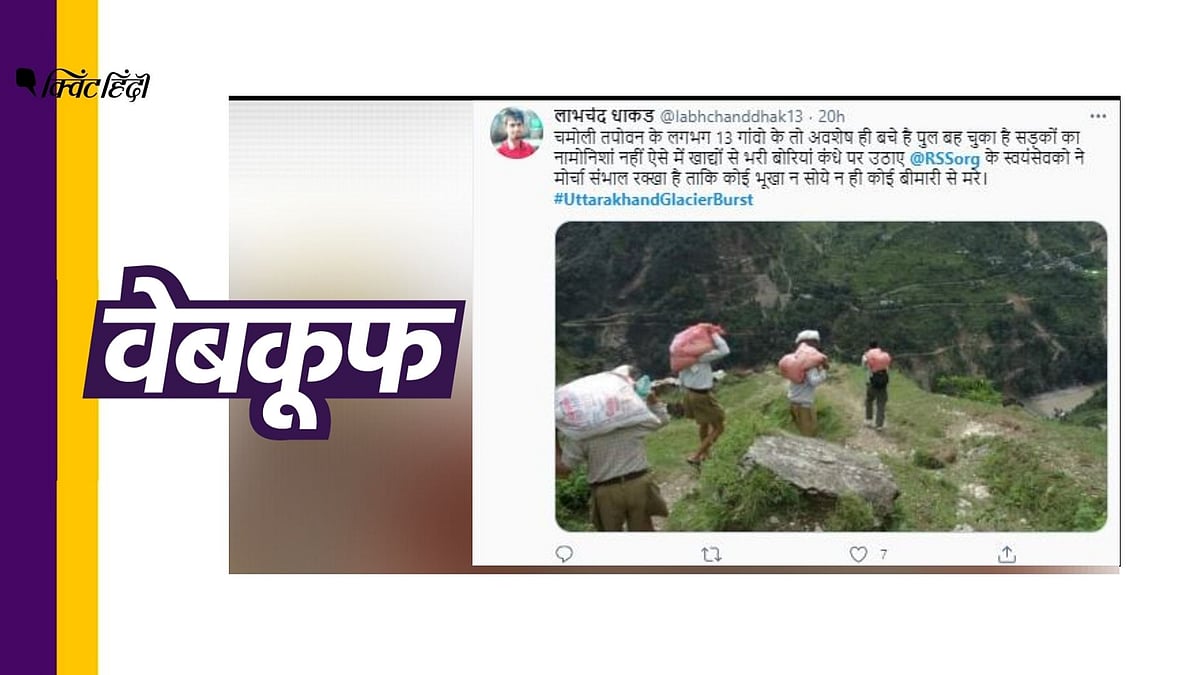
उत्तराखंड के चमोली में स्वयंसेवकों ने ग्लेशियर फटने की घटना के बाद राहत कार्य का काम किया है.
Publisher’s rating: FALSE

Images showing RSS volunteers relief work in Uttarakhand following the glacier burst
Publisher’s rating: MISLEADING
The post claimed that an image of RSS volunteers carrying bags on hilly terrain showed relief work in Uttarakhand after a recent glacier burst. The review’s finding is that the photograph was not evidence of that recent response: it showed RSS relief work during the 2013 Uttarakhand floods. The image was therefore old, even though the post presented it as current and linked it to the glacier-burst response. To investigate, the review says a reverse image search led to a 2013 Samvada article containing the same image. That article attributed it to RSS volunteers carrying relief material in Uttarakhand during the 2013 floods. The review also reports finding a 2013 Samvada video report about RSS relief work during those floods, as well as blogs that had shared the same image with the same 2013 attribution. The review further notes that RSS had shared images of its relief activities during the 2013 floods on its official website. Taken together, the earlier appearance of the same photograph and its attribution to the 2013 flood response establish that it does not show the more recent glacier-burst response claimed in the post. The review’s conclusion concerns this image’s provenance; it does not dispute that RSS carried out relief work during the earlier floods.

There was a red flood in Indonesia. A person claimed that the phenomenon is "unexplained," another said it is edited.
Publisher’s rating: Needs Context

Video of the glacial burst in Chamoli (Uttarakhand) on 07 February 2021
Publisher’s rating: FALSE
The claim concerns a social-media video presented as showing the glacial burst in Chamoli, Uttarakhand, on 7 February 2021. FACTLY’s review says the video was not related to that event and identifies it instead as footage from near Kapuche Glacier Lake in Nepal. Its conclusion is that the video was falsely presented as Chamoli footage. The review describes several checks used to assess the video’s provenance. Reverse-image searches of screenshots found the same video uploaded by multiple users in January 2021. It also found a similar video on Kiran Shrestha’s YouTube channel, titled “Kapuche lake 2021 (avalanche).” The review says the location shown in the video matched Kapuche Glacier Lake visuals on Google Maps, and that BBC News – Nepali had published an article in January 2021 about the same video posted by Shrestha. Together, the earlier uploads, location match and reporting on the same footage support the review’s conclusion that the video is from Nepal, not the Chamoli disaster.

Image showing Khalsa aid’s relief work in Uttarakhand.
Publisher’s rating: MISLEADING
The claim concerned a social-media post presenting an image of a Sikh man rescuing people in floodwater as showing Khalsa Aid’s relief work in Uttarakhand after the glacier burst. The review’s central finding is that the image was from Khalsa Aid’s work during the 2018 Kerala floods, not the Uttarakhand response. To trace the image, the review says a reverse-image search led to a 2018 News18 article featuring photographs of Khalsa Aid volunteers’ relief work during the Kerala floods. The image in the social-media post was also in that set of photographs. The review says other news articles likewise published the same image as documentation of Khalsa Aid’s Kerala flood relief. The review distinguishes the image’s provenance from whether Khalsa Aid responded in Uttarakhand: it notes that some news articles reported the organisation had deployed volunteers there after the glacier burst, but says this particular image was unrelated to that relief work. Thus, the evidence presented supports the conclusion that an older Kerala-flood image was being attributed to a different event.
उत्तराखंड में चमोली के ग्लेशियर टूटने का वीडियो
Publisher’s rating: False
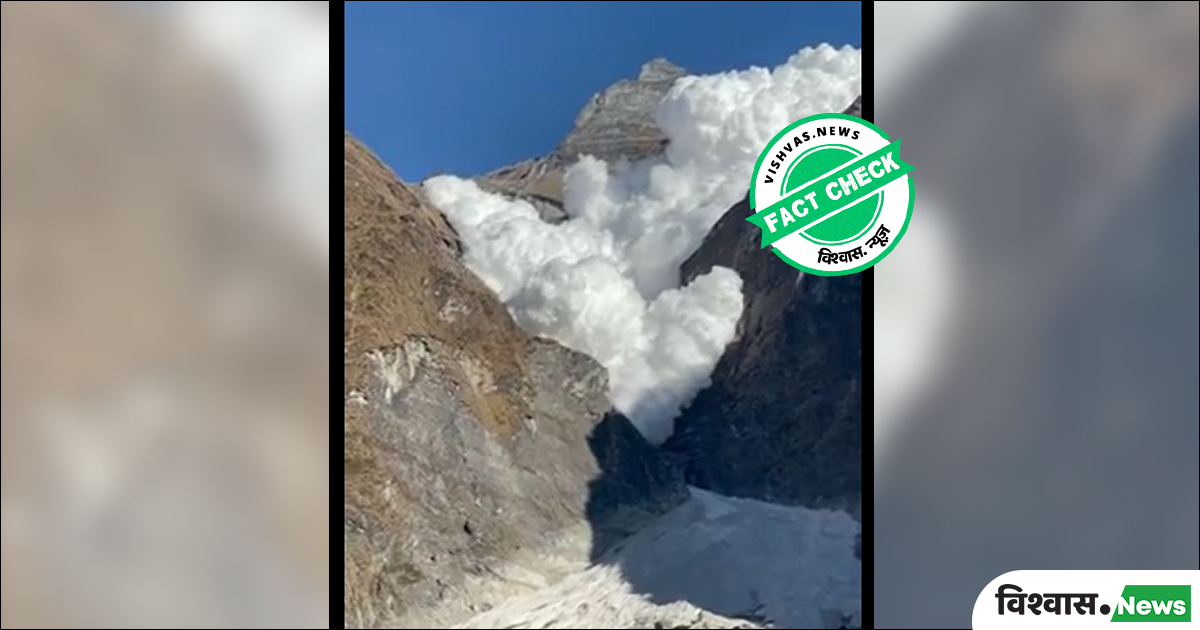
हिमस्खलन का यह वीडियो चमोली में घटित ग्लेशियर टूटने की घटना से संबंधित है।
Publisher’s rating: FALSE
Foto satelit yang diklaim menunjukkan retakan bawah laut akibat gempa Sulawesi Barat
Publisher’s rating: Sesat
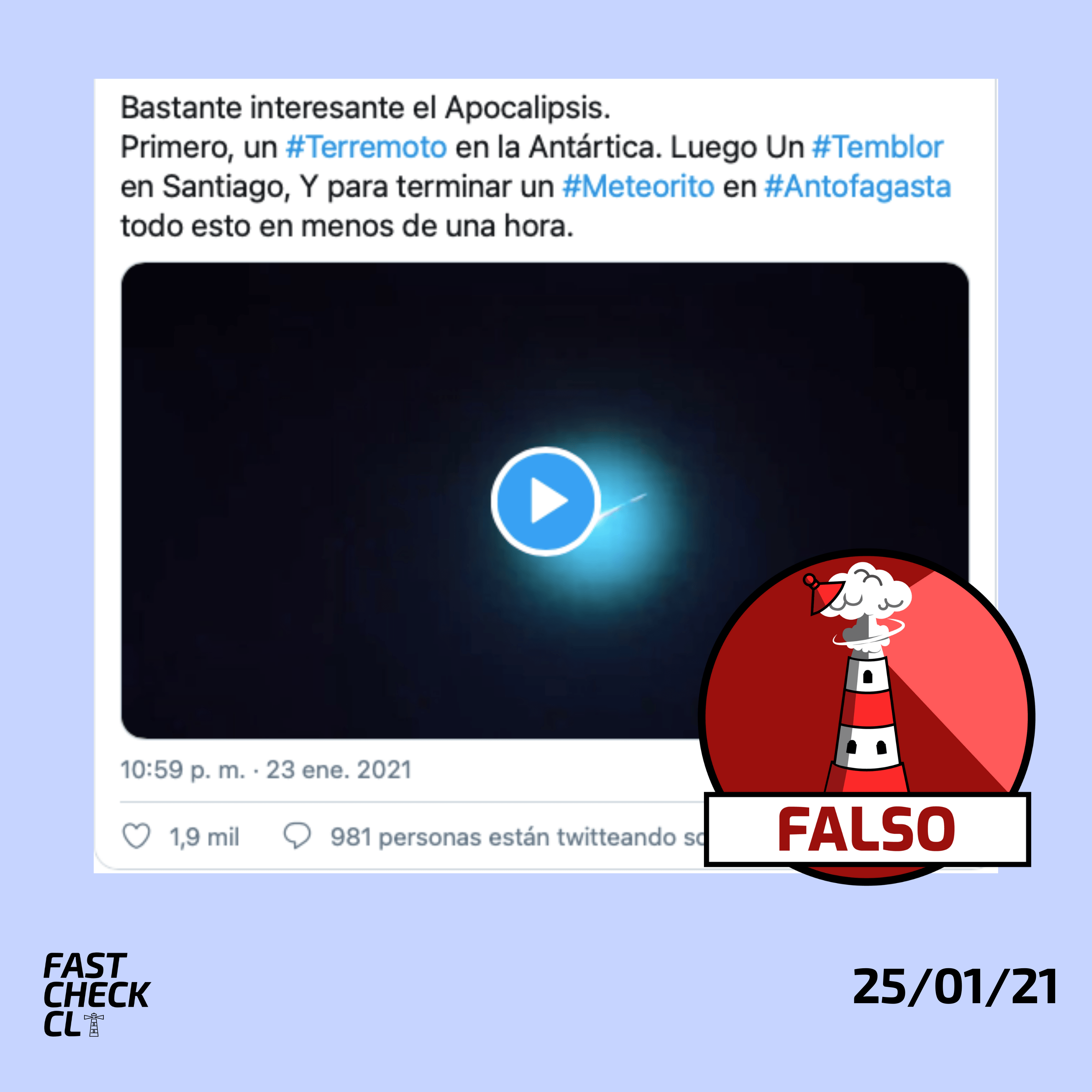
CAYÓ UN METEORITO EN LAS COSTAS DE ANTOFAGASTA DURANTE LOS SISMOS Y FALSA ALERTA DE LA ONEMI
Publisher’s rating: Falso