PeakMetrics / Fact Checks
War & conflict fact checks
Explore claims publishers have checked about war & conflict. Read their original ratings and follow the evidence.
Search fact checks
Search by text or image5,848 published reviews in this topic
A post on social media claims to show a short clip of a 'live encounter in Kashmir'.
Publisher’s rating: False

Los pasajeros de este vuelo son soldados de ISIS de Boko Haram
Publisher’s rating: Falso
The claim concerns a circulated image of passengers on a plane, described in its accompanying text as Nigerian soldiers travelling from Nigeria to Libya and as including a person dressed like a Boko Haram–ISIS fighter. Newtral reports that the image instead shows a 2016 International Organization for Migration (IOM) operation assisting migrants from Niger. The review says the IOM’s press release established that the flight travelled from southern Libya to Niger, not from Nigeria to Libya, and that the 167 passengers were 48 women, 40 children and 79 men—not soldiers. The country mix-up matters: Niger and Nigeria are different places, and the source says the passengers were Nigeriens, meaning people from Niger. The review also addresses the claim about the passenger’s clothing and alleged affiliation. Terrorism expert Pedro Baños told Newtral that Boko Haram has no distinctive “classic outfit” or uniform that would identify its members; the passenger’s turban was described as characteristic of the region and common among nomadic peoples such as Tuareg and Peul. Baños and terrorism researcher Carlos Igualada also said that calling the groups “ISIS de Boko Haram” is erroneous. The review explains that Boko Haram split after 2016: the ISIS-linked faction is known as ISWAP, while the faction that remained loyal to Abubakar Shekau continued to be known as Boko Haram. It adds that the flight returned to Niger, outside the group’s area of activity, rather than supporting the claim that its passengers were fighters. The central evidence therefore counters both parts of the allegation: the flight records and passenger breakdown described by the review contradict the claim that the passengers were soldiers, while the expert comments and route information undermine the identification of a passenger as a Boko Haram or ISIS fighter. The review’s stated rating is “Falso.”

Indian Army burning a man in Kashmir.
Publisher’s rating: FALSE
The claim concerns a video presented as showing the Indian Army burning a man in Kashmir. FACTLY’s review says the incident actually took place in Rajasthan, not Jammu and Kashmir, and that the people confronting the man were police and forest officials rather than soldiers. It identifies the man’s act as self-immolation, not an attack by the Army. The review describes its visual-checking step: screenshots from the video were searched using Google Reverse Image Search. The results included a Dainik Bhaskar article about the incident. As FACTLY recounts that report, officials had gone to Gudha village, in Gudha Gorji town, to remove encroachment on forest land, and the man set himself on fire and tried to catch them. That account changes the central interpretation of the footage: it places the event in Rajasthan and describes a confrontation involving police and Forest Department officers during an encroachment-removal visit. The review concludes that the video was misrepresented as an Indian Army attack on Kashmiris.

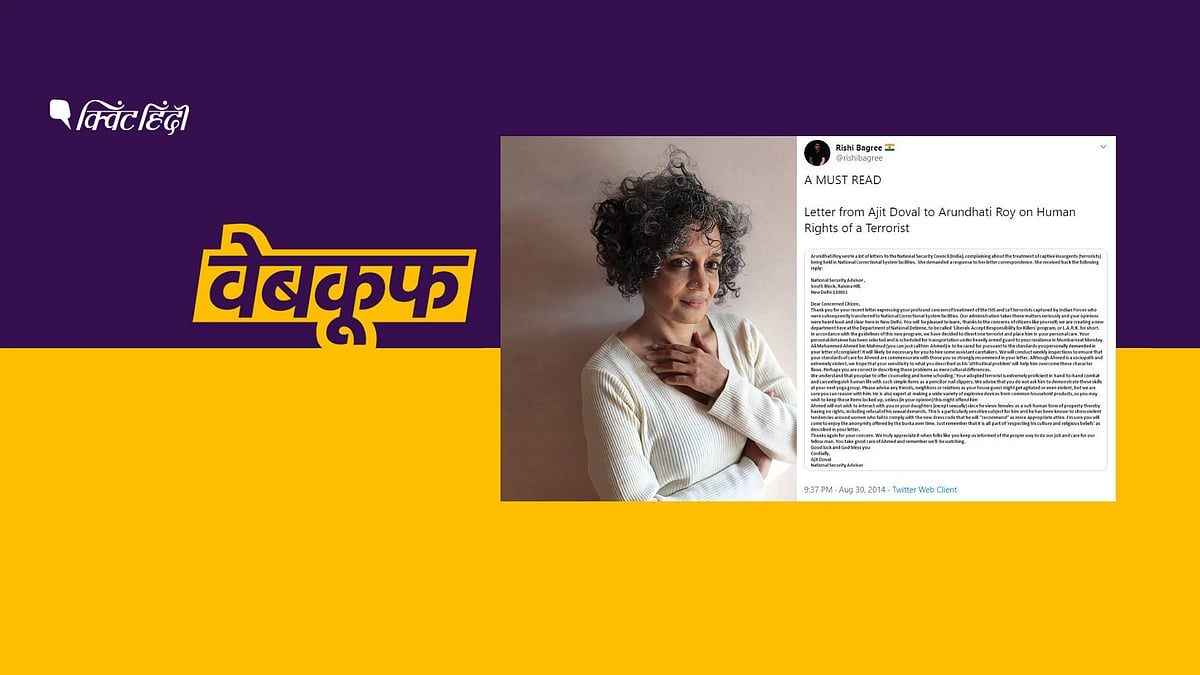
आतंकियों पर अरुंधति रॉय का खत और अजीत डोभाल का जवाब
Publisher’s rating: FALSE

Colonel Vijaya Acharya of Indian Army has tweeted that he had decided to resign from the army as Pakistan had killed 25 Indian soldiers of his unit.
Publisher’s rating: FALSE
The claim concerns a circulating screenshot of a tweet from the handle “@AcharyaCol,” attributed to an Indian Army colonel named Vijay Acharya. The review says the tweet claimed he had decided to resign because Pakistan had killed 25 soldiers in his unit. It reports that Acharya addressed the attribution in a news-channel interview, saying the tweet was from a clone account and that he had reported the accounts to Twitter. He also said he had retired from the Indian Army on March 31 and was living in Jaipur. The review describes searches of two handles appearing on versions of the circulated message. The “@AcharyaCol” account returned “This account doesn’t exist”; another handle, “@Archeie65,” returned “Account suspended.” The review cautions that it could not establish whether either account actually belonged to Acharya, so the account-status results alone do not prove who posted the tweet. The central evidence presented is Acharya’s interview denying that he authored the message and identifying it as coming from a clone account. The review also notes spelling and grammar problems in the tweet, but presents these as supporting observations rather than the basis for identifying its author. It concludes that the circulated tweet was not made by the former colonel.

Video of the current situation (protests and clashes) in Kashmir.
Publisher’s rating: MISLEADING
FACTLY examined a social-media video presented as showing the then-current situation in Jammu and Kashmir, including protests and clashes. Its investigation concluded that the circulating video was assembled from two older videos, rather than showing recent events after the Indian government’s decision on Article 370. The review says the exact time, location and context of the source videos could not be established, so it does not identify precisely what either older clip depicts.

Stone pelting in kashmir
Publisher’s rating: MISLEADING
The reviewed post presented a stone-pelting video as showing the current situation in Jammu and Kashmir. FACTLY’s investigation found that the footage was not current: it showed clashes in Srinagar in June 2018, after security forces killed Dawood Salafi in a gunfight in Anantnag. The key distinction is between the video’s real location and event, and the later claim about when it was filmed.

Priyanka Gandhi has said if anyone attacks Pakistan without a proper reason, then their army will destroy them.
Publisher’s rating: FALSE
The claim concerned a Facebook post attributing to Priyanka Gandhi the statement that if anyone attacked Pakistan without proper reason, Pakistan’s army would destroy them. FACTLY reports that it found no evidence she made those comments and that no credible source authenticated the attribution. The review describes two checks. It says a Google search for relevant information about the alleged remarks produced no relevant results, and that no news agency had reported Gandhi making them. It also checked her official Twitter account for the preceding three weeks and found no tweet about the Pakistan army. These checks are the investigation described in the excerpt; they do not establish that every possible record or source was examined. FACTLY notes that the attributed statements had been circulating on social media for the past two to three days. It concludes that the remarks were falsely attributed to Gandhi. The excerpt does not identify the original author of the quote or provide a traceable first post, so it supports rejecting the attribution but does not establish who created it.
در بین اقشار، بیشترین و بالاترین آمار شهدا مربوط به صنف روحانیت است.
Publisher’s rating: نادرست

Modi Government using excessive security forces on civilians in Kashmir
Publisher’s rating: FALSE
The claim concerns a video presented as showing Indian security forces using excessive force on civilians in Kashmir. FACTLY’s investigation instead identifies the footage as showing a lathi-charge on supporters of Dera Sacha Sauda chief Gurmeet Ram Rahim Singh in Panchkula, Haryana. The review places that incident in August 2017, after Ram Rahim was convicted in a rape case and supporters took to the streets and were involved in violence. To trace the footage, the review says it extracted keyframes using the InVid plugin and reverse-image searched them. A keyframe led to the same video on YouTube, uploaded on August 30, 2017. Further YouTube searches found multiple results describing the footage as a lathi-charge on Dera supporters in Panchkula. This provenance points to a different event and location from the Kashmir setting asserted in the post. The review also notes that the searched versions had the same background audio, while the posted version had a woman’s voice, and concludes that a separate audio track had been added. Its central finding is that an old Haryana video was being shared as footage from Kashmir; it does not establish that the particular video depicts security forces using excessive force on civilians there.

On 16th August 2019, four boys were used as human shields by the Indian Army against the stone pelters in Jammu & Kashmir.
Publisher’s rating: MISLEADING
The post presented a video as showing four boys being used by the Indian Army as human shields against stone pelters in Jammu and Kashmir on 16 August 2019. FACTLY’s investigation instead identified the footage as an older video that had circulated in June 2018. Its review says that newspapers reported on the incident when the video went viral that month, so the footage does not establish that the alleged event occurred on the claimed 2019 date. [S1]

மத்தியபிரதேசம் மாநிலம் இந்தூரில் எல்லையில் வீரமரணமடைந்த இராணுவ வீரரின் குடும்பம் குடிசை வீட்டில் வாழ்ந்து வரும் நிலையை கண்டு வருத்தமுற்ற அங்குள்ள இளைஞர்கள் ஒன்றினைந்து 11லட்சம் ரூபாய் நிதி திரட்டி அழகான கட்டிடம் கட்டி நேற்று சுதந்திர தின அன்று அவரின் குடும்பத்திற்கு அளித்துள்ளனர்.. இளைஞர்களின் நற்செயலுக்கு பாராட்டுகள்…
Publisher’s rating: True
பாகிஸ்தான் ஆக்கிரமிப்பு காஷ்மீரில் ஷியா முஸ்லிம்கள் ஒன்றுகூடி இந்துஸ்தான் வாழ்க, பாகிஸ்தான் ஒழிக எனக் கோசமிட்டு பாகிஸ்தான் கொடியை தீயிட்டுக் கொளுத்துவதாக இச்செய்தி கூறுகிறது! இது உண்மையானால் இங்கே மத்திய அரசுக்கு எதிராகக் கொந்தளிப்பதில் அர்த்தமில்லை தானே! அடியும் வலியும் படுபவனுக்குத்தானே தெரியும்!.
Publisher’s rating: Fake

Claim video claiming alert issued by the police commissioner of mumbai for terrorist attack
Publisher’s rating: FALSE


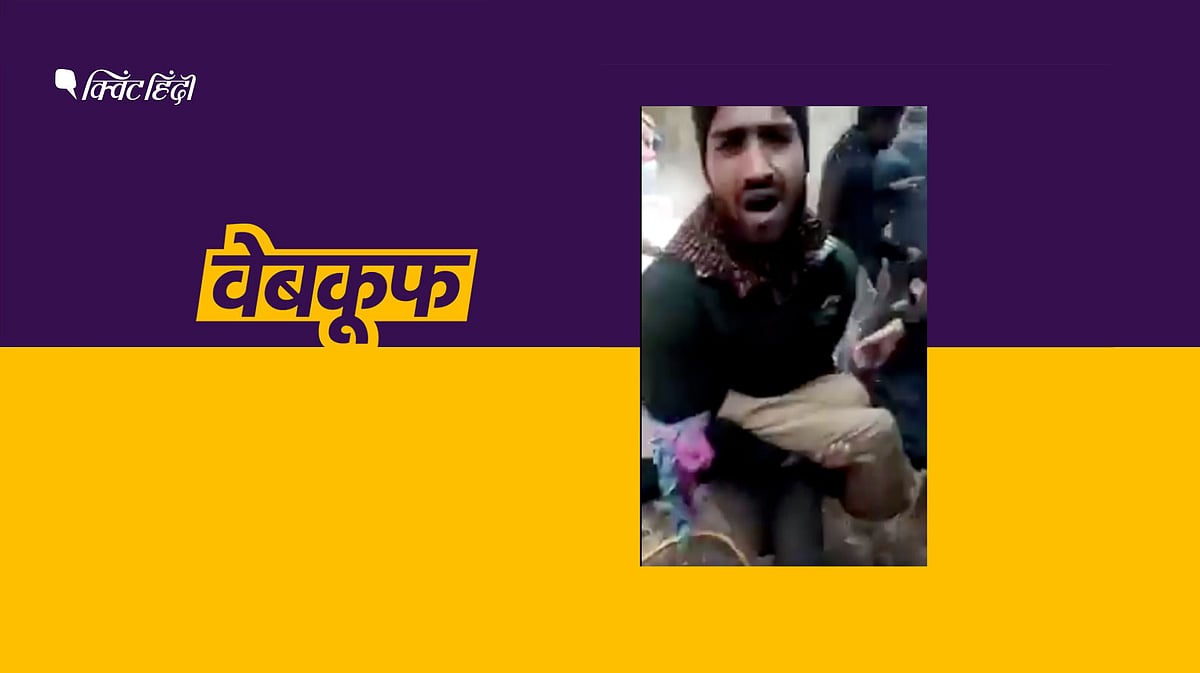
दावा है कि भारतीय फौज कश्मीर में निर्दोष लोगों को बुरी तरह मार रही है
Publisher’s rating: FALSE

Claim video claiming 30 kashmiris killed in present
Publisher’s rating: FALSE