PeakMetrics / Fact Checks
War & conflict fact checks
Explore claims publishers have checked about war & conflict. Read their original ratings and follow the evidence.
Search fact checks
Search by text or image5,847 published reviews in this topic

جنگ در اوکراین و بازار داغ اخبار جعلی
Publisher’s rating: ممکن است تصاویر و اطلاعات واقعی که از سوی رسانهها معتبر منتشر میشوند، به اندازه اخبار جعلی جذاب و هیجانانگیز به نظر نرسند، ممکن است اخبار درست همیشه مطابق میل و سلیقه ما نباشند، اما آنچه مسلم است برای داشتن تحلیل و شناخت و درک صحیح از واقعیت، باید به اطلاعات موثق و معتبر دسترسی داشته باشیم.

Former Miss Ukraine Anastasiia Lenna joined the army to defend her country against the Russian troops
Publisher’s rating: MISLEADING
The claim concerned social-media posts presenting images of former Miss Ukraine Anastasiia Lenna holding a gun as evidence that she had joined Ukraine’s army to fight Russian troops. FACTLY’s investigation checked the image’s provenance and Lenna’s own explanation of it. It reports finding the same photograph on her official Instagram account, posted on 22 February 2022, before it circulated as a purported image of her taking up arms.
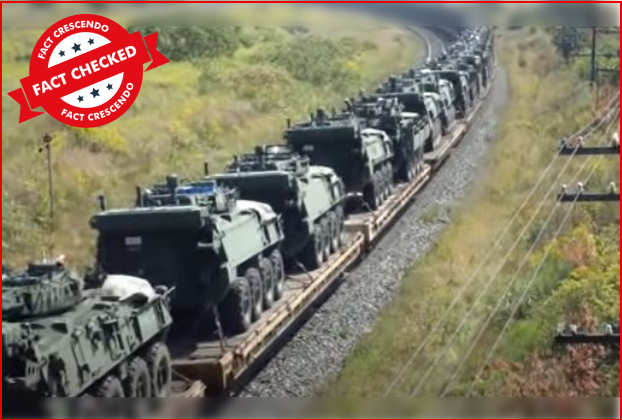
කැනේඩියානු දුම්රියක් වසර 10කට පෙර යුධ උපකරණ ප්රවාහනය කල දර්ශන පෙළක් රුසියානු-යුක්රේන ගැටුමට සම්බන්ධ කල අවස්ථාවක්!
Publisher’s rating: False
The review examined social-media posts that presented footage of a long freight train carrying tanks and other military equipment as either Canadian aid to Ukraine or Russian forces’ movements toward Belarus. It says the footage was circulating amid Russia’s attack on Ukraine and reports of Western military assistance, a context that could make older military-transport footage appear current. The review’s conclusion was that this particular video was not connected to the current conflict. The article describes the circulating footage as showing “a long train transporting goods” with “tanks, heavy vehicles and a large amount of military equipment.” (S1: “විශේෂයෙන්ම යුරෝපීය ඇතුළු බටහිර රටවලින් යුක්රේනය වෙත යුධ උපකරණ ලබාදීම පිලිබඳ පසුගිය දින කිහිපයේම වාර්තා වුණා.”; “භාණ්ඩ ප්රවාහන කරන දීර්ඝ දුම්රියක යුධ ටැංකි, බර වාහන ඇතුළු යුද උපකරණ රැසක් ප්රාවාහනය කෙරෙන අයුරුයි.”) To trace the footage, the investigators submitted several frames to reverse-image search. They report finding what they regarded as the original video, posted in August 2012. Its description identified Canadian military trains CN 2235 and 8803 carrying a large quantity of military equipment westward, and placed the recording near Lovekin, Canada. The review also notes that the train in the circulating footage visibly bears the letters “CN,” which it identifies as the Canadian National Railway Company. These details support the review’s conclusion that the clip is old Canadian footage, not evidence of a train movement connected to the Russia–Ukraine war. (S1: “මෙම වීඩියෝවේ රූපරාමු කිහිපයක් Reverse Image සෙවුමක් සඳහා යොමු කිරීම මඟින් අපට මෙහි මුල් වීඩියෝව ලෙස සැලකිය හැකි 2012 අගෝස්තු මස පළකර තිබු පහත වීඩියෝව සොයා ගැනීමට හැකි වුනා.”; “CN 2235 සහ 8803 යන කැනේඩියානු හමුදා දුම්රියක් , හමුදා උපකරණ විශාල තොගයක් බටහිර දෙසට ගමන් කරන දුර්ලභ දසුනක් බවයි.”; “එම වීඩියෝව කැනඩාවේ Lovekin නම් ප්රදේශයේ දී ලබාගත් බවත් එහි තවදුරටත් දක්වා තිබුනා.”; “සමාජ මාධ්ය ඔස්සේ හුවමාරු වූ වීඩියෝවේ පෙනෙන දුම්රියේ ද CN යන අකුරු පැහැදිලිවම දැක ගන්නට ලැබෙන අතර එමඟින් දක්වන්නේ කැනේඩියානු ජාතික දුම්රිය සමාගමයි.”)

Video shows a ravaged city in Ukraine amid the current invasion by the armed forces of Russia
Publisher’s rating: MISLEADING
The claim concerns a video circulated as showing a ravaged city in Ukraine during the conflict between Russia and Ukraine. FACTLY’s review says the video was not connected to Ukraine: it showed Beirut, Lebanon, after the 2020 explosion. The review therefore identifies a real disaster scene presented with the wrong location and context. To investigate, the review reports that screenshots from the video were checked using Google Reverse Image. That search found a similar video posted on Twitter in August 2020. The person who posted it described the footage as “My city Beirut after the explosion,” providing an earlier link to Beirut rather than Ukraine. FACTLY also places the footage against the event it identified: an explosion at Beirut’s port area on 04 August 2020. It says that similar visuals appeared in news-agency articles about that explosion. The review’s account thus relies on the video’s earlier social-media appearance and matching Beirut-related imagery to distinguish it from the claimed Ukrainian setting.

রাশিয়া-ইউক্রেইন যুদ্ধে আর কারো লাভ না হোক পাকিস্তানের লাভ হইছে ষোল আনা! এই যুদ্ধে এমেরিকা ইউরোপীয় ইনিয়ন যেখানে রাশিয়ার বিরুদ্ধে অর্থনৈতিক নিষেধাজ্ঞা দিচ্ছে পাকিস্তান সেখানে চামে চামে তাদের কাছে রাশিয়ার যে কোটি কোটি ডলার ঋণ আছে তা না শোধ করার সিদ্ধান্ত নিয়েছে!
Publisher’s rating: False
Video of a weapon system successfully gunning down a fighter jet shows an incident in the ongoing Russia-Ukraine conflict.
Publisher’s rating: False

「ライブ中継中にウクライナ人の遺体が動いた」
Publisher’s rating: 誤り
The claim concerns a video circulated as showing Ukrainian bodies moving during a live broadcast, presented as evidence that Ukraine’s account of deaths in the conflict was staged. The review says that account misidentifies the footage: it was a clip from a report by Austrian news channel OE24 about a climate-protest performance in Vienna, Austria, not an event in Ukraine. The review therefore finds the claim’s central premise—the footage depicts Ukrainian victims of the invasion—false. To check the video’s provenance, the review compared the circulating clip with a YouTube upload of the OE24 video. It reports that the same footage can be seen from about 1 minute 20 seconds into that upload, and that the viral version is an excerpt cut from the longer video. This match connects the circulating images to the Vienna report rather than merely to a similar-looking scene. The review also places the circulation in context: the clip began spreading around March 1 alongside English-language posts asserting that Ukrainian deaths were fabricated, and it subsequently circulated in Japan. The footage had already been shared in mid-February in a different context, denying COVID-19 deaths. That earlier use does not support the later Ukraine-related interpretation; the review says the video is unrelated to the situation in Ukraine.
ថ្ងៃទី០២ ខែមិនា[មីនា] ឆ្នាំ២០២២ ប្រធានាធិបតីអ៊ុយក្រែន និងភរិយា ដោះអាវក្រសេ[អាវធំ]ចោល ដឹកដៃគ្នាចូលសមរភូមិប្រយុទ្ធការពារពលរដ្ឋ និងការពារជាតិអ៊ុយក្រែន ពេលសត្រូវរុស្ស៊ីចូលឈ្លានពាន ទាំងនេះគឺជាវីរភាពដ៏ខ្ពស់ខ្ពស់របស់មេដឹកនាំកំពូលអ៊ុយក្រែន ធ្វើឱ្យមេដឹកនាំពិភពលោក និងពលរដ្ឋទូទាំងពិភពលោកកោតសរសើរពីវីរភាពរបស់គាត់គ្រប់ៗគ្នា
Publisher’s rating: Missing Context
Des photos qui montrent la situation actuelle à Kiev, alors que les forces russes et tchétchènes sont entrées dans la capitale ukrainienne.
Publisher’s rating: Sur ces quatre photos, trois ont été prises en 2014, lors de la révolution de Maïdan qui a vu le soulèvement de manifestants pro-européens. Une seule photo illustre bien la situation actuelle en Ukraine. Les autres ont été sorties de leur contexte.
The claim concerns a specific set of four photographs shared with captions saying Russian and Chechen troops had entered Kyiv and that bombardments had intensified. The investigation identifies three of the images as photographs from the 2014 Maidan protests, not scenes from the Russian offensive in 2022. Only the fourth photograph is described as current. Thus, the set as a whole does not show Kyiv’s situation at the time as the posts suggested. The review traced the images’ earlier use and credits. The first, showing smoke across part of Maidan Square, had appeared in a French media article in February 2014 and was credited to Reuters photographer Vasily Fedosenko. A second image, showing protesters on the square, had also appeared in 2014; the review identifies it as an AFP photograph taken by Louisa Gouliamaki on 20 February. The third, a wider view of the square, was located in the Sputnik Images photo archive, dated 19 February 2014 and credited to Andrey Stenin. The review says these images show the context of the Maidan clashes between protesters and police. For the fourth image, showing a building with smoke in the background, the review identifies a different provenance: Reuters photographer Gleb Garanich took it on 26 February 2022. The review also addresses the accompanying assertion about Russian forces, stating that Kyiv had not fallen to Russian forces as of its stated 4 March 2022 situation update. The evidence therefore distinguishes one contemporaneous photograph from three older images recirculated with a misleading account of the set.
യുക്രയിന് വധിച്ച റഷ്യന് സൈനികര് എന്ന പേരില് യുക്രയിന് ടിവി ചാനല് നല്കിയ വ്യാജ വാര്ത്ത
Publisher’s rating: FALSE
रूस-यूक्रेन जंग के बीच एक बच्चे को बचाते सैनिकों का वीडियो वायरल
Publisher’s rating: FALSE

යුද්ධයට යාමට පෙර සිය ආදරණීයන්ගෙන් සමුගන්නා යුක්රේන හමුදා සොල්දාදුවන්ගේ ඡායාරූපද ??
Publisher’s rating: False
The claim concerned a social-media collection presented as showing Ukrainian soldiers saying goodbye to family before heading to fight Russian forces. Fact Crescendo Sri Lanka reports that it examined the photos themselves, noticed U.S. flags on the shoulders of some uniforms, and treated that as evidence that the pictured personnel were American rather than Ukrainian. It then used Google reverse-image searches on two randomly selected photos. These checks address the identity and provenance of the images, not whether Ukrainian soldiers have ever parted from family during the war. [S1] The review traces one image to an Associated Press photo collection. It identifies the person pictured as U.S. Army medical officer Major Terro Gurrola, meeting her three-year-old daughter at a U.S. airport after serving seven months in Iraq in 2007. Another image, the review says, came from a documentary about a U.S. soldier who served in Afghanistan and his family; it directs readers to earlier New York Times and Wall Street Journal coverage about that work. [S1] On that evidence, the review concludes that the shared photos were not pictures of Ukrainian soldiers departing for the current Russia–Ukraine war: they depicted American service members and were years old. It also says several of the images had been used over time to depict U.S. soldiers. The supplied excerpt does not identify every photo individually, so its conclusion should be understood as applying to the circulated collection it investigated, rather than as a finding about all images of soldiers and families. [S1]

Heartbreaking video of #Ukrainian Soldier Russia’s Ukraine attack
Publisher’s rating: Misleading
যুদ্ধে জড়ালে বাংলাদেশের সাহায্য পাবে না কোনো পক্ষই: কাদের
Publisher’s rating: False
Heartbreaking video of #Ukrainian Soldier Russia’s Ukraine attack.
Publisher’s rating: Misleading
Die Bild-Zeitung verbreitet altes Foto- und Videomaterial als aktuelle Berichterstattung aus dem Ukraine-Krieg.
Publisher’s rating: Das trifft nur bei einer der beiden gezeigten Szenen zu: Das Video einer Explosion, dass während einer «Bild»-Livesendung am 25. Februar 2022 gezeigt wurde, stammt aus dem Jahr 2015. Das Bild eines stark beschädigten Hauses hingegen wurde tatsächlich am 24. Februar 2022 in der ostukrainischen Stadt Tschuhujiw aufgenommen.
The allegation concerned screenshots of two different scenes circulated as evidence that Bild was passing off old material as current reporting from the Ukraine war. The investigation distinguishes between them: the explosion shown during Bild’s live broadcast on 25 February 2022 was old footage, while the image of a badly damaged house depicted a recent event in Chuhuiv, eastern Ukraine. Thus, the allegation does not accurately describe both scenes. For the house image, the review checked the claim that it showed a 2018 gas explosion in Magnitogorsk, Russia. It compared the building with video of that earlier explosion: the Magnitogorsk building had visibly more floors and different damage. The reviewed image instead came from a photograph taken on 24 February 2022 by Wolfgang Schwan for Anadolu, and the review describes comparing it with contemporary video of the Chuhuiv location. It also notes that the circulating post placed the same photo side by side and asserted, without explanation, that it was from 2018. The explosion footage was a separate case. The review identified the video as showing an explosion at a port facility in Tianjin, China, in 2015, and says it was also available from the BBC. Bild showed it in a live broadcast in connection with the war in Ukraine on 25 February 2022. The review reports that Bild acknowledged the mistake on Twitter that same day. These findings support the allegation for the broadcast footage, but not for the damaged-house image.
রাশিয়া ও ইউক্রেনের যুদ্ধে তছনছ করে ফেলছে ইউক্রেনে রাজধানী রাশিয়ার রুশ সেনারা
Publisher’s rating: False
युद्ध में जाने से पहले इमोशनल होते यूक्रेनी सैनिक का वीडियो वायरल
Publisher’s rating: FALSE