PeakMetrics / Fact Checks
Has this been
fact-checked?
Paste a claim or upload an image to find existing fact checks. See what fact-checkers found and read the evidence before you share.
Search fact checks ↓API & integrations ↗Browse by topic
Explore fact checks by subject.
Search fact checks
Search by text or imageLatest fact checks
97,997 published reviews
ஜி 7 மாநாட்டில் பங்கேற்றவர்களின் புகைப்படத்தில் மோடியின் புகைப்படம் இல்லையே! அப்போ மோடி பேசியது எங்கே? ஜி 7 மாநாட்டு தலைவர்கள் ஒன்று கூடி பேசி முடித்து மாநாட்டை நிறைவு செய்த பிறகு, ஜீ7 நாடுகளின் தலைவர்களுடன் பேசியயை, ஏதோ மோடி ஜி7 மாநாட்டில் பங்கேற்று பேசியதை போல் வெளியிட்டு பாஜக இழிவான போலி விளம்பரத்தை தேடுகிறது.
Publisher’s rating: false
‘பாராசிட்டமால் 650 மாத்திரைக்கு கர்நாடக அரசு தடை விதித்துள்ளது. ஆய்வுகளின் முடிவில் பாராசிட்டமால் 650 மாத்திரை உள்பட 14 மருந்துகள் ஆபத்தான வகையை சேர்ந்தது என தெரியவந்திருப்பதாக கர்நாடக அரசு கூறியுள்ளது. இந்த மருந்துகளை விற்பதோ, சேமித்து வைப்பதோ கூடாது எனவும் திட்டவட்டமாக கூறியுள்ளது.’ - Way2News
Publisher’s rating: misleading
Bollywood associations have reportedly threatened to impose a ban on Diljit Dosanjh. In response, Diljit said he doesn’t care about Bollywood. No interest in working in Bollywood — making it clear he’s unfazed by the industry’s pressure and will do what he feels is right
Publisher’s rating: mialeading

Zohran Mamdani has been elected as the Mayor of New York.
Publisher’s rating: MISLEADING
The review says Mamdani had won the Democratic primary and become the party’s nominee, but had not yet been elected mayor. It reports that he described himself as the Democratic nominee on June 25, 2025, ahead of the general election scheduled for November 2025.

Here you go, devotees, this is for you. Israel's strong attack on the people of India. Blind devotees, Israel attacked you despite being your father. This is something to think about. Now, if you forcefully make someone your father, this is what will happen.
Publisher’s rating: false
a video, supposedly of the United States bombing Iran’s nuclear sites on 22 June 2025
Publisher’s rating: Partly False
Video shows United States forces attacking Iran, which has been engaged in military offensives with Israel this June 2025.
Publisher’s rating: False
images claiming to show Iranian lawmakers burning the United States flag in parliament in June 2025
Publisher’s rating: Missing Context
بعد از یازده سپتامبر تا دو سه روز از رئیسجمهور آمریکا و معاونش خبری نبود؛ گم و گور بودند.
Publisher’s rating: شاخدار
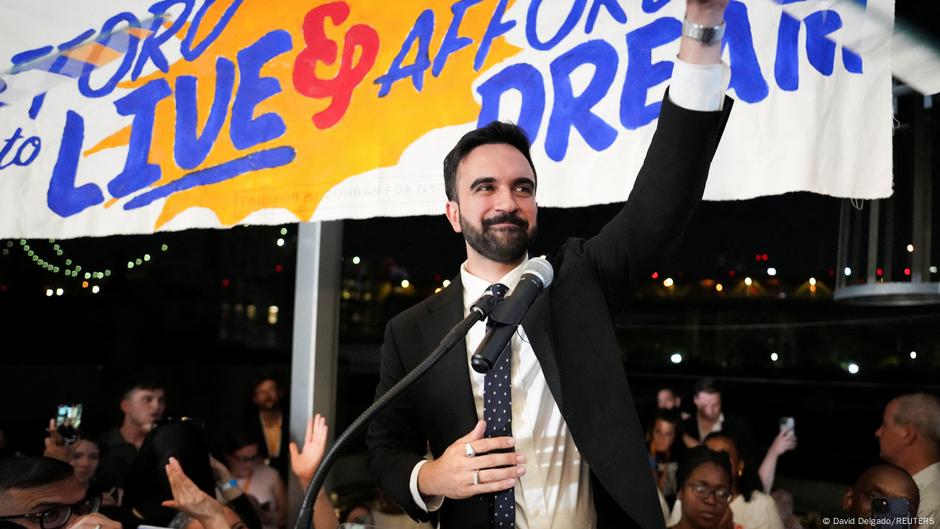
Mamdani is a "raging antisemite
Publisher’s rating: False. At its broadest, antisemitism is generally defined as hatred of and prejudice toward Jews. DW looked into claims of antisemitism and found the following information: Mamdani has worked with Jewish politicians, such as in 2018, when he served as campaign manager for Jewish politician Ross Barkan's bid for New York State Senate, and has been endorsed by others. Mamdani has spoken out against antisemitism on the campaign trail. In an interview with progressive Jewish US digital newspaper Forward he said "it is absolutely incumbent upon me to condemn" evidence of antisemitism. He has also stated on various occasions that there is "no room for antisemitism" in New York City, or the world. Mamdani does not, however, condemn the controversial term "globalize the intifada," a reference to civilian uprisings by Palestinians against Israel. While critics claim this is incitement to violence against Jews, Mamdani maintained in a podcast interview that it is an expression of a desire for equality. Complicating things, there are also various codified definitions of antisemitism, such as the International Holocaust Remembrance Alliance's (IHRA) definition or the Jerusalem Declaration, which vary, among other things, in how they relate criticism of Israel and Zionism to antisemitism. For instance, the IHRA includes "denying the Jewish people their right to self-determination" as a form of antisemitism while the Jerusalem definition allows for "opposing Zionism as a form of nationalism." In a TV debate, Mamdani stated he "believes Israel has the right to exist ... as a state with equal rights" but did not explicitly recognize Israel as a specifically Jewish state. This could be considered antisemitism according to the IHRA definition, but not the Jerusalem Declaration. The case is similar when it comes to Mamdani's long-standing support of the Boycott, Divestment, Sanctions (BDS) movement, which advocates for the use of economic action against Israel to pressure it to change its policies toward Palestinians. While some individuals, organizations and countries, including Germany, define support for BDS as inherently antisemitic, others do not. In short, while Mamdani's views in relation to Israel and the Middle East conflict are controversial for some, they cannot be conclusively defined as antisemitic due to the differences in perceptions of what defines antisemitism in relation to Israel.
post on Facebook purportedly advertising courses and intake at the Kenya Medical Training College (KMTC)
Publisher’s rating: Hoax
Sen. Risa Hontiveros vows to “defy the Constitution.”
Publisher’s rating: False
Iran blew up Mossad headquarters with a single hypersonic missile!
Publisher’s rating: fake
Ce post sur X (anciennement Twitter), qui prétend montrer le quartier général du Mossad en feu après avoir été touché par des missiles iraniens
Publisher’s rating: Partly False
புகார் கொடுக்க வந்தவரை கொடூரமாக தாக்கிய காவல்துறை அதிகாரி
Publisher’s rating: misleading
Where the data comes from
Fact checks come from Data Commons and link to the organizations that published them.
What you’ll find
Each result links to the original fact check. Open it to read the publisher’s findings, with summaries and supporting sources where available.
Report an error
To report an error, send the page URL and supporting evidence.