PeakMetrics / Fact Checks
Has this been
fact-checked?
Paste a claim or upload an image to find existing fact checks. See what fact-checkers found and read the evidence before you share.
Search fact checks ↓API & integrations ↗Browse by topic
Explore fact checks by subject.
Search fact checks
Search by text or imageLatest fact checks
98,327 published reviews
പശുവിനെ തള്ളി മാറ്റാൻ നോക്കിയതിന് വിദേശവനിതയെ ഗോ രക്ഷാ സംഘം ആക്രമിക്കുന്നു
Publisher’s rating: FALSE

គណបក្សភ្លើងទៀនមិនទទួលស្គាល់លទ្ធផលនៃការបោះឆ្នោតឃុំសង្កាត់ឆ្នាំ២០២២។
Publisher’s rating: Explanatory

जेल से छूटने के बाद आज़म खान ने बोला कि राम और कृष्ण उनके आदर्श
Publisher’s rating: Missing Context
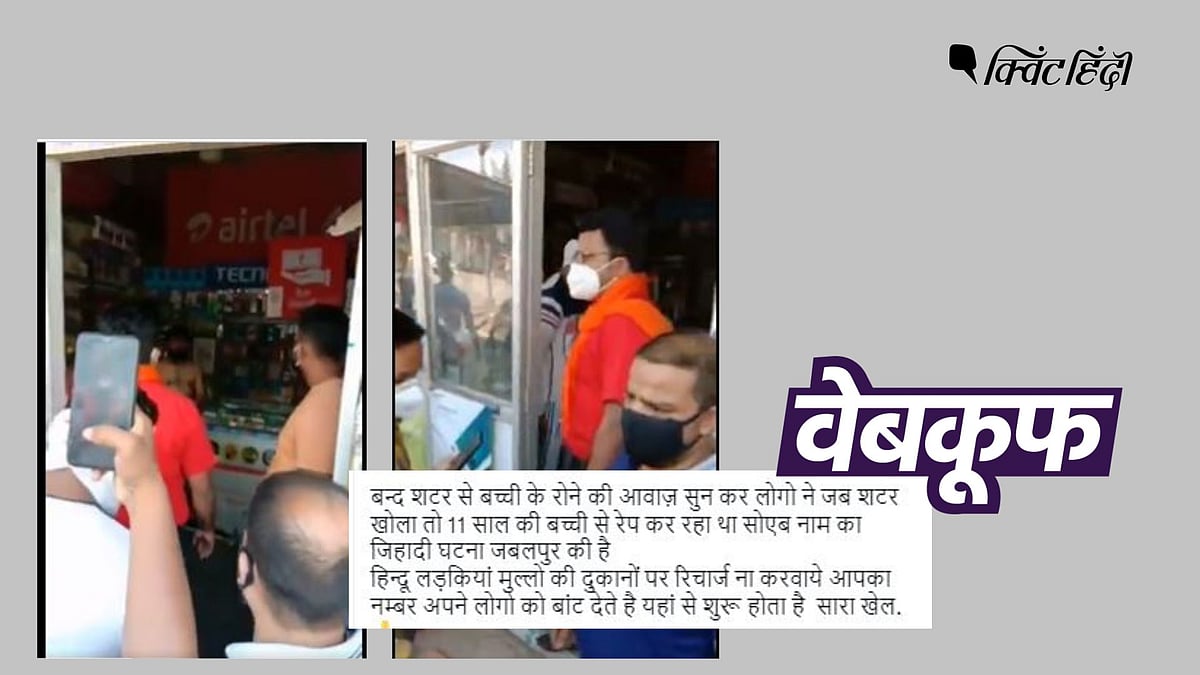
जबलपुर में नाबालिग हिंदू लड़की के साथ रेप करने की कोशिश करते पकड़े गए मुस्लिम दुकानदार का वीडियो
Publisher’s rating: FALSE
সিলেটে বন্যার্তদের উদ্ধারের সময় বাংলাদেশ সেনাবাহিনীর কর্মকাণ্ডের দৃশ্য
Publisher’s rating: Misleading

Video of a student setting himself on fire following the announcement of Agnipath scheme
Publisher’s rating: FALSE
The claim concerns a video circulated during protests over the Agnipath army-recruitment scheme, presented as showing a student setting himself on fire after the announcement. The review says the video shows a young man sitting on a chair and setting himself alight, but distinguishes the footage from the reported protest-related suicides: it concludes the visuals are not connected to an incident following the scheme’s announcement. It identifies the circulating video as an older recording, rather than evidence of the claimed event. To check its history, the review describes reverse-image searches of screenshots from the viral video. Those searches found older social-media posts containing the same footage, including one dated to April 2021. That establishes the video was circulating before the Agnipath announcement and undermines the claim that it was filmed afterward. The review also reports that when the same video circulated in Jordan and Egypt with claims that it showed events in those countries, a Jordanian Public Security Directorate spokesperson rejected that attribution. The review says news agencies traced the footage to Karachi, Pakistan, and reported that a man set himself on fire there because of family disputes. However, it explicitly qualifies this account: the reviewers could not independently verify the video’s exact location or circumstances. Its conclusion is therefore that the footage is old and unrelated to Agnipath, not that every detail of the reported Karachi incident has been independently established.

सरकारने एक मोठा निर्णय घेतला आहे, सरकार बेरोजगार तरुणांना जगण्यासाठी दरमहा 6000 रुपये देणार आहे, प्रधानमंत्री रोजगार भट्ट योजना 2022 साठी नोंदणी सुरू झाली आहे, या योजनेअंतर्गत सर्व बेरोजगार तरुणांना दर महिन्याला राहण्यासाठी 6000 रुपये दिले जाणार आहेत. आहेत.
Publisher’s rating: FALSE
The claim says the central government began registration for a 2022 Prime Minister unemployment allowance scheme that would give unemployed young people ₹6,000 each month. Vishvas News investigated that specific viral post, which included a link directing people to register. Its review reports that it found no government announcement of such a monthly allowance and no government-issued registration form: “सरकारने बेरोजगार तरुणांना दरमहा ६००० रुपये बेरोजगार भत्ता देण्याचा निर्णय घेतला असेल, अशी कोणतीही बातमी आम्हाला कुठेही आढळली नाही.” The review also examined the link circulated with the post. According to its account, the linked page asked applicants to enter a Paytm, PhonePe, or Google Pay number, but did not request a name or other personal details in the described process. The reviewers compared the website address with the format they expected for government websites and reported that the link ended in “.blogspot.com,” not “.gov.in.” They concluded the page was not a government application site and that registering through it would not provide the allowance. Vishvas News also says it sent the viral message to cybersecurity expert Ayush Bhardwaj, identified in the review as a former IT adviser to the Rajasthan government’s public grievance committee. Bhardwaj characterized the post as false and warned that the link was a way to obtain users’ data. The review’s conclusion is that the central government was not operating the claimed scheme and had not issued its registration form.
വിമാനത്തില് മുഖ്യമന്ത്രിക്കെതിരെ പ്രതിഷേധിച്ച സംഭവത്തിലെ മൂന്നാം പ്രതി ഏഷ്യാനെറ്റ് ന്യൂസ് റിപ്പോര്ട്ടറുടെ ഭാര്യ സഹോദരനാണെന്ന് മാതൃഭൂമി ന്യൂസ് വാര്ത്ത
Publisher’s rating: FALSE
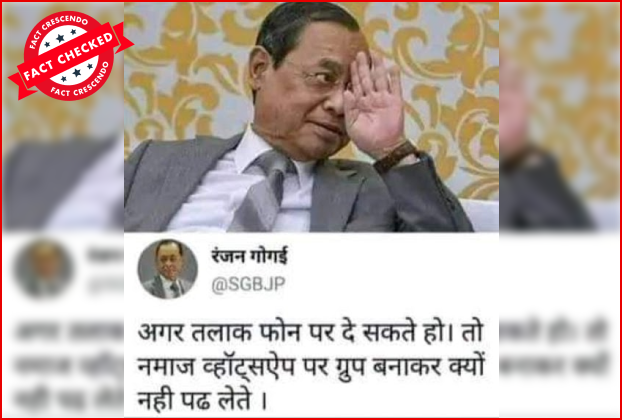
रंजन गोगोई ने मुस्लिम समुदाय को वॉट्सएप ग्रुप में नमाज़ पढ़ने को कहा है
Publisher’s rating: False

තලකොටුව ගාර්ඩ්න්ස් පෙට්රල් පෝලිමේ දී සිදුවූ මරණයක් ද?
Publisher’s rating: Misleading

Deze foto's tonen schedels en botten in de catacombes van het Vaticaan.
Publisher’s rating: Twee van de zeven foto’s, met de skeletten in monnikskleed, zijn gemaakt in de crypte van de Kapucijnen. Dat is niet in Vaticaanstad, maar wel in Rome. De andere vijf, met muren en plafonds bedekt met schedels en botten, zijn van verschillende kapellen in Portugal.
The claim concerns a collection of seven photographs presented as showing skulls and bones in the Vatican catacombs. The review’s examination of the images finds that they do not all depict one place: two photographs show skeletons dressed in monks’ robes in Rome, while the other five show bone-decorated chapels in Portugal. None of the seven photographs was taken in Vatican City. For the Rome images, the review identifies the location as the Capuchin Crypt. It says photographs 1 and 3 show full skeletons in monks’ robes there, and that photograph 1 depicts the central figure from a slightly different angle. The review also notes that the crypt contains the bones of more than 3,700 former Capuchin monks. These images are from Rome, but not from Vatican City or its catacombs. The review traces the remaining images to three Portuguese chapels: photograph 2 to Campo Maior, photograph 4 to Alcantarilha, and photographs 5–7 to Évora. It reports using reverse image search to find photograph 4 on Flickr and matching the other Évora images online; it also says a photo identification number visible in the Facebook post helped locate photograph 7. The images therefore show sites in Rome and Portugal, not the claimed Vatican catacombs. The review distinguishes this from the existence of burial sites beneath Vatican City: it says those contain tombs and graves, but that their bones do not cover the walls.

A scene of Sri Lankan passengers of an overcrowded train in the morning ,on 15th June,2022 !!
Publisher’s rating: Misleading
The image was shared as a scene of overcrowded trains in Sri Lanka on the morning of 15 June 2022, amid fuel shortages and disruption to public transport. The investigation found that the photograph itself was not taken that day: it traced the image to a 2019 railway strike and the area near Kelaniya Railway Station. The review describes its conclusion as based on both a reverse-image search and confirmation from the photographer. The review identifies Lahiru Harshana, a photojournalist with Vijaya Newspapers, as the photographer. It says the image appeared on the Daily Mirror website three years earlier and that Harshana confirmed the photographs were taken near Kelaniya Railway Station in June 2019, during a train strike. Thus, the old photograph’s recirculation as a 15 June 2022 scene misrepresented when it was taken. That correction does not mean there was no train overcrowding on 15 June 2022. The review reports that fuel shortages had affected transport, and that separate social-media posts showed passengers travelling in uncomfortable conditions that day. It also notes that a television news broadcast about transport shortages used the older viral image. The key distinction is between the real transport difficulties reported for that date and the earlier photograph used to illustrate them.


Een nieuwe studie toont aan dat natuurlijke immuniteit tegen COVID-19 veel langer bescherming biedt dan immuniteit na vaccinatie.
Publisher’s rating: De conclusie van ACC is kort door de bocht en laat veel belangrijke informatie uit de studie weg. De conclusie van de wetenschappers is juist dat immuniteit, wat de bron ook is, afneemt doorheen de tijd en dat een extra vaccindosis dat beschermingsniveau weer opkrikt. Dus ook een vaccin na infectie biedt nog extra bescherming.
Onions effectively suck toxins out from one’s body immediately after placing these under one’s feet
Publisher’s rating: False
Where the data comes from
Fact checks come from Data Commons and link to the organizations that published them.
What you’ll find
Each result links to the original fact check. Open it to read the publisher’s findings, with summaries and supporting sources where available.
Report an error
To report an error, send the page URL and supporting evidence.